Contactless Payment Charging Station Benefits
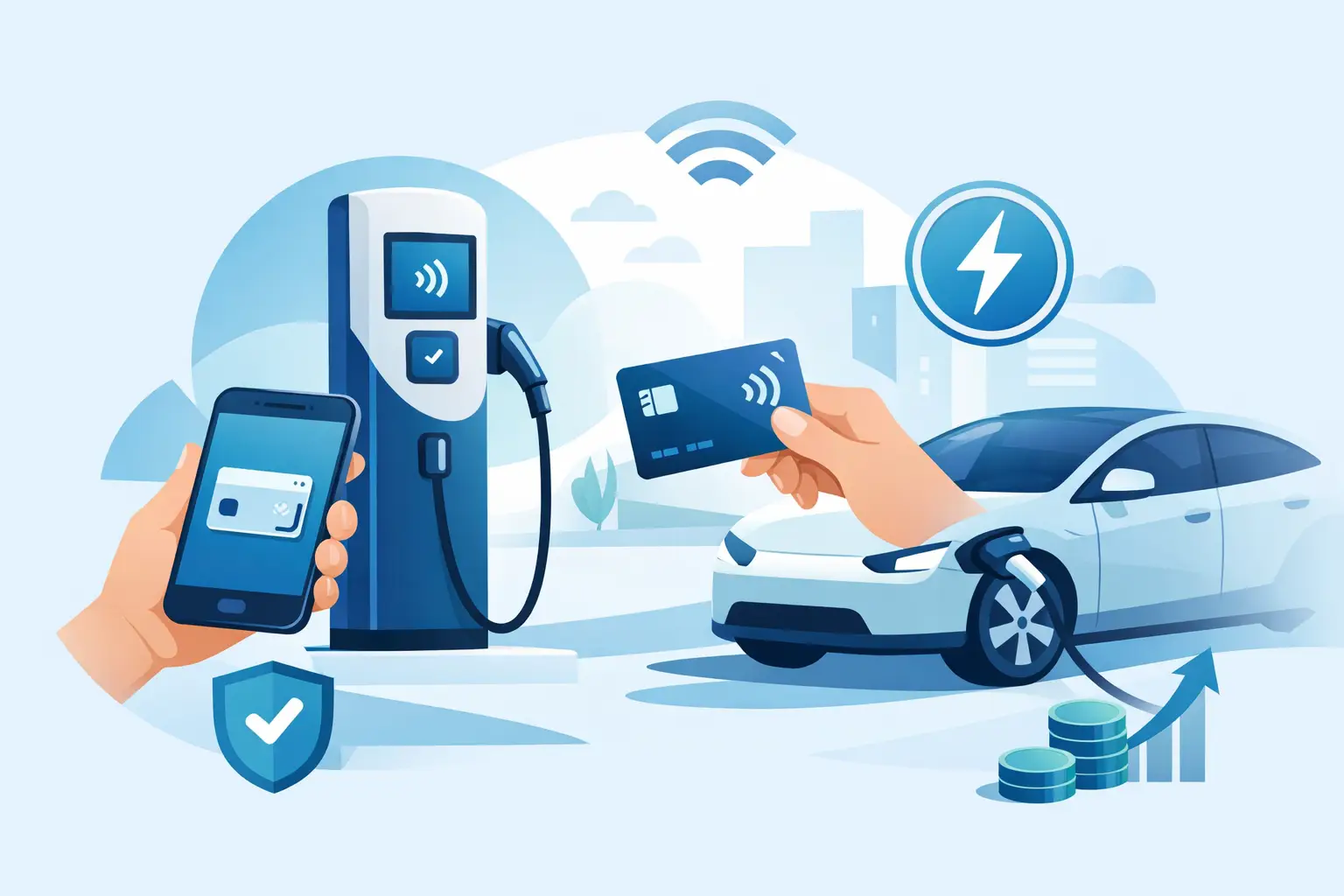
A guest with 8% battery does not browse longer, order one more drink, or stay focused through the last keynote. They start looking for an outlet or they leave. A contactless payment charging station solves that problem in a way that fits how people already buy – tap, charge, and keep moving.
For businesses and event operators, that matters for more than convenience. Charging has become part of the customer experience, and when payment is built into the station, it can also become a revenue stream. The right setup can reduce low-battery frustration, increase dwell time, support branded experiences, and do it without creating extra work for staff.
What a contactless payment charging station actually does
At the simplest level, a contactless payment charging station lets users pay with a tap-enabled card, phone, or wallet to access charging power. Depending on the format, that could mean unlocking a secure charging locker, activating a kiosk, renting a power bank, or starting a timed charging session at a countertop or freestanding unit.
That sounds straightforward, but the business value comes from what happens around the transaction. Instead of asking staff to manage cables, collect payments, or monitor borrowed chargers, the station handles access on its own. Users get immediate service. Operators get a cleaner process and a clearer way to recover costs or generate margin.
For some locations, the best model is pay-per-use. For others, free charging makes more sense because the return comes through longer visits, stronger guest satisfaction, or increased booth traffic. A contactless payment charging station is useful because it gives operators flexibility. You can position charging as an amenity, a premium service, or both depending on the venue and audience.
Why demand keeps growing
People now rely on their phones for tickets, payments, maps, messaging, authentication, and work. At conferences, a dead phone can mean a missed lead. In retail, it can interrupt mobile checkout or loyalty use. In hospitality, it affects ordering, communication, and entertainment. In workplaces and managed device environments, power loss slows operations.
That shift changes charging from a nice extra to visible infrastructure. When guests cannot charge, they notice. When they can, they often remember the venue as more convenient and better organized.
Contactless payment matters because it removes one more source of friction. Users do not want to download an app just to get enough battery for the ride home. They want a simple transaction they already trust. Tap-to-pay meets that expectation and shortens the distance between need and action.
Where this model works best
The strongest use cases are places where battery anxiety is common and foot traffic is steady. Trade shows and conventions are an obvious fit because attendees depend on their phones all day and are willing to pay for convenience when outlets are scarce. A well-placed charging station can also pull people toward a sponsor booth or keep them nearby longer.
Retail environments benefit for a different reason. Shoppers stay engaged when their devices stay on. If charging is available near seating, food service, or waiting areas, it can support longer visits and a better in-store experience.
Hospitality venues, casinos, sports arenas, airports, colleges, healthcare waiting areas, and entertainment spaces also see strong results. The common thread is simple: people are on-site long enough to need power, and the venue benefits when they remain connected.
Office and corporate settings can use the same concept, although the pricing decision is different. In an employee-facing environment, charging may be offered as a workplace amenity rather than a paid service. In public-facing lobbies or mixed-use properties, adding contactless payment can help control misuse and offset equipment costs.
The operational upside for businesses
The biggest mistake buyers make is treating charging as only a hardware purchase. In practice, you are choosing an operating model.
A basic unmanaged charging option may appear cheaper at first, but it often creates side issues – missing cables, clutter, unclear ownership, and staff interruptions. A contactless payment charging station can reduce those headaches by standardizing access and automating payment collection.
That has a few direct business benefits. First, it lowers dependence on employees to supervise the service. Second, it creates a cleaner guest interaction because users do not need to ask for help. Third, it gives operators a more measurable service model, especially when usage and revenue data are available.
There is also a brand perception benefit. A professional charging solution looks intentional. It tells visitors the venue understands modern device dependence and has planned for it. That matters in competitive environments where guest experience influences repeat visits and reputation.
Payment is only one part of the buying decision
If you are evaluating a contactless payment charging station, payment acceptance should not be the only filter. The charging experience itself still determines whether the deployment succeeds.
Speed and compatibility come first. Many venues still underestimate how quickly charging expectations have changed. Users now show up with USB-C phones, tablets, and increasingly laptops. A station that only supports legacy device types can feel outdated fast.
Security is the next major factor, especially in public spaces. If users need to leave a device behind while charging, secure lockers or lockable compartments make more sense than open shelf designs. In lower-risk environments, countertop or tethered solutions may be enough. The right answer depends on traffic patterns, dwell time, and how much risk the operator is willing to manage.
Durability also matters more than buyers expect. Public-use charging hardware takes real abuse. Cables are pulled, ports are stressed, and high-traffic environments expose weak construction quickly. For that reason, commercial-grade design is usually worth the premium over consumer-style alternatives.
Choosing the right station format
There is no single best contactless payment charging station for every venue. The best choice depends on user behavior and business goals.
Charging lockers work well when users want to secure a phone or tablet and walk away. They fit convention centers, arenas, airports, and campuses where people may not want to remain beside their device.
Kiosks and freestanding stations are effective in open public areas where visibility matters. They can become a branded focal point and work well in venues that want to combine convenience with sponsorship or paid access.
Power bank rental stations are a strong option when mobility is the priority. Instead of staying at the station, users take power with them. That can be ideal for festivals, trade shows, and large venues where people continue moving through the space.
Desktop chargers, charging tables, and benches are better when the goal is to support dwell time in place. These formats often make the most sense when charging is free, but some operators still pair them with controlled or paid access depending on the audience.
The revenue question: direct and indirect return
Not every charging deployment should be built around direct revenue, but many should at least be evaluated that way.
A paid charging model can generate income in high-traffic environments where urgency is high and convenience has obvious value. The pricing needs to feel reasonable, and the hardware needs to look trustworthy. If the station appears flimsy or confusing, users may hesitate to pay.
Indirect return can be just as valuable. If charging keeps conference attendees at your booth, encourages shoppers to remain on-site, or improves guest satisfaction in a waiting area, the payoff may come through engagement rather than transaction fees.
That is why the best deployments start with a simple question: are you trying to monetize charging, improve the visitor experience, or do both? The answer shapes everything from station type to placement to payment settings.
What buyers should ask before deploying
Before selecting a solution, think beyond the device count. Ask where people typically run low on battery, whether they stay with their device or leave it, how much staff involvement is acceptable, and whether the station needs to carry your branding or support sponsorship.
You should also consider acquisition flexibility. Some organizations want to purchase equipment outright. Others prefer leasing, financing, or short-term rentals for events. That decision can affect rollout speed and budget approval more than the hardware specs alone.
An experienced provider can help match the format to the venue rather than forcing every use case into the same box. That is especially important when you need a mix of charging types across properties, departments, or event footprints.
A contactless payment charging station works best when it is treated as part of the customer journey, not an afterthought in a corner. Put it where demand is visible, make it easy to trust, and align the model with how your visitors behave. When you do that well, charging stops being a rescue service and starts acting like smart infrastructure.
Related posts
Public Phone Charging Setup Guide for Venues
Oct 13, 2026
A public phone charging setup guide for venues that want safer access, longer visits, and practical revenue from reliable charging stations on site daily.
What Is Power Bank Rental for Businesses?
Oct 11, 2026
What is power bank rental? Learn how rental stations work, where they fit, and how businesses can improve guest experience and create revenue on-site.
Charging Station Sponsorship Results That Matter
Oct 09, 2026
Measure charging station sponsorship results with practical metrics for brand exposure, engagement, leads, dwell time, and revenue across live events.
How to Finance Charging Infrastructure Wisely
Oct 07, 2026
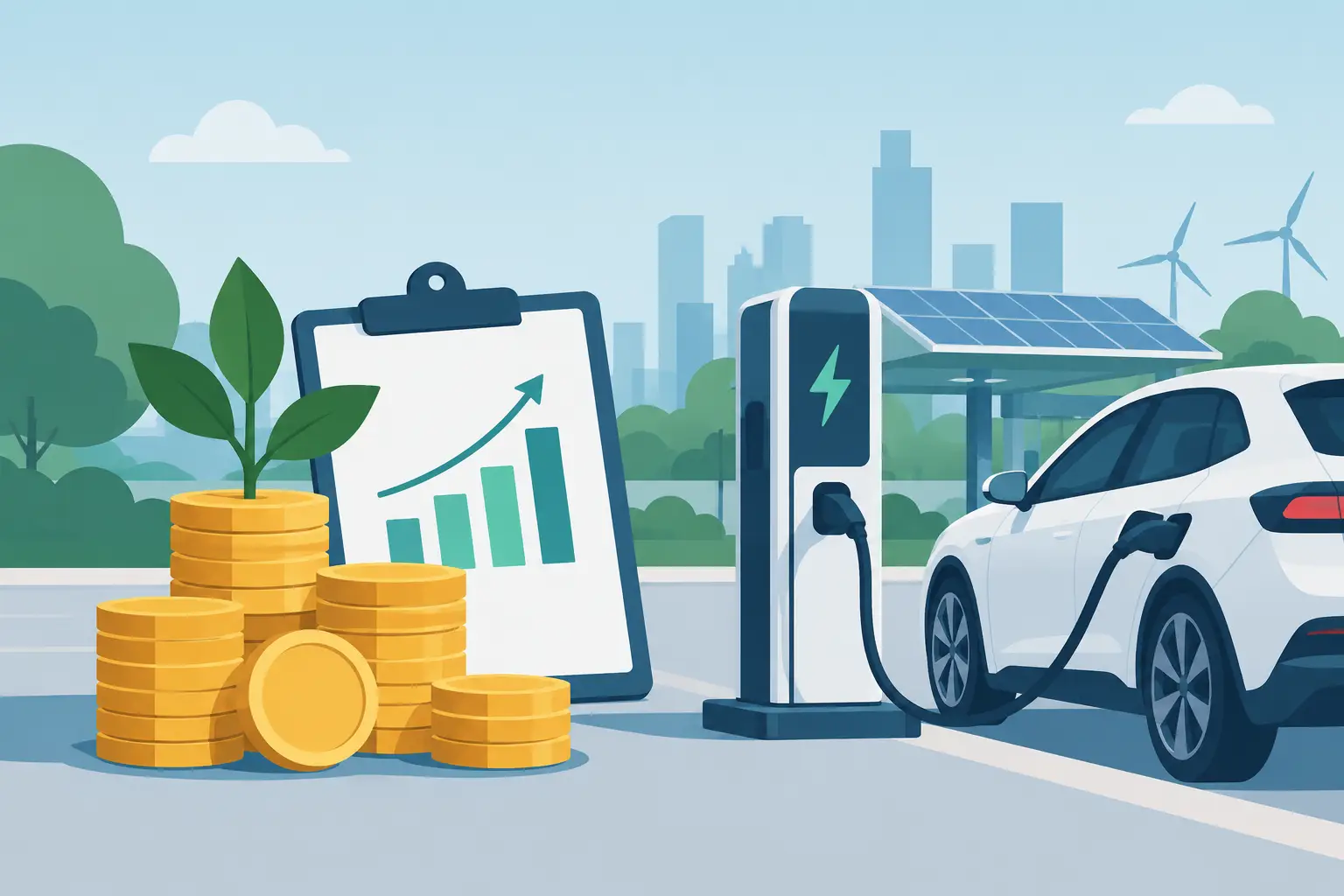
Learn how to finance charging infrastructure with purchase, lease, rental, and revenue models that fit your venue, event, budget, and growth goals today.
How to Install Charging Lockers Safely at Work
Oct 05, 2026
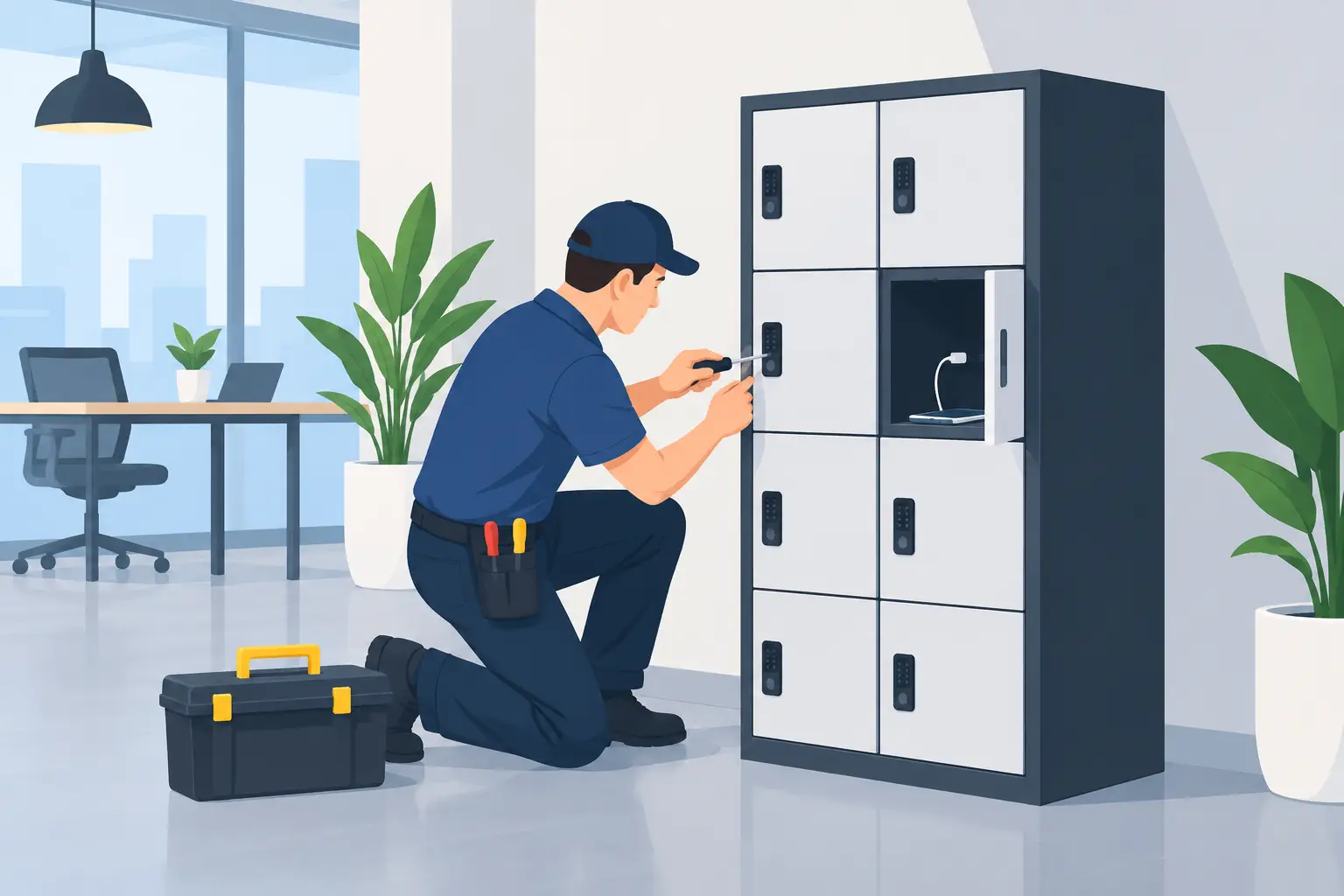
Learn how to install charging lockers safely with practical placement, power, security, and maintenance guidance for workplaces and public venues every.
Commercial Charging Locker Review for Buyers
Oct 03, 2026
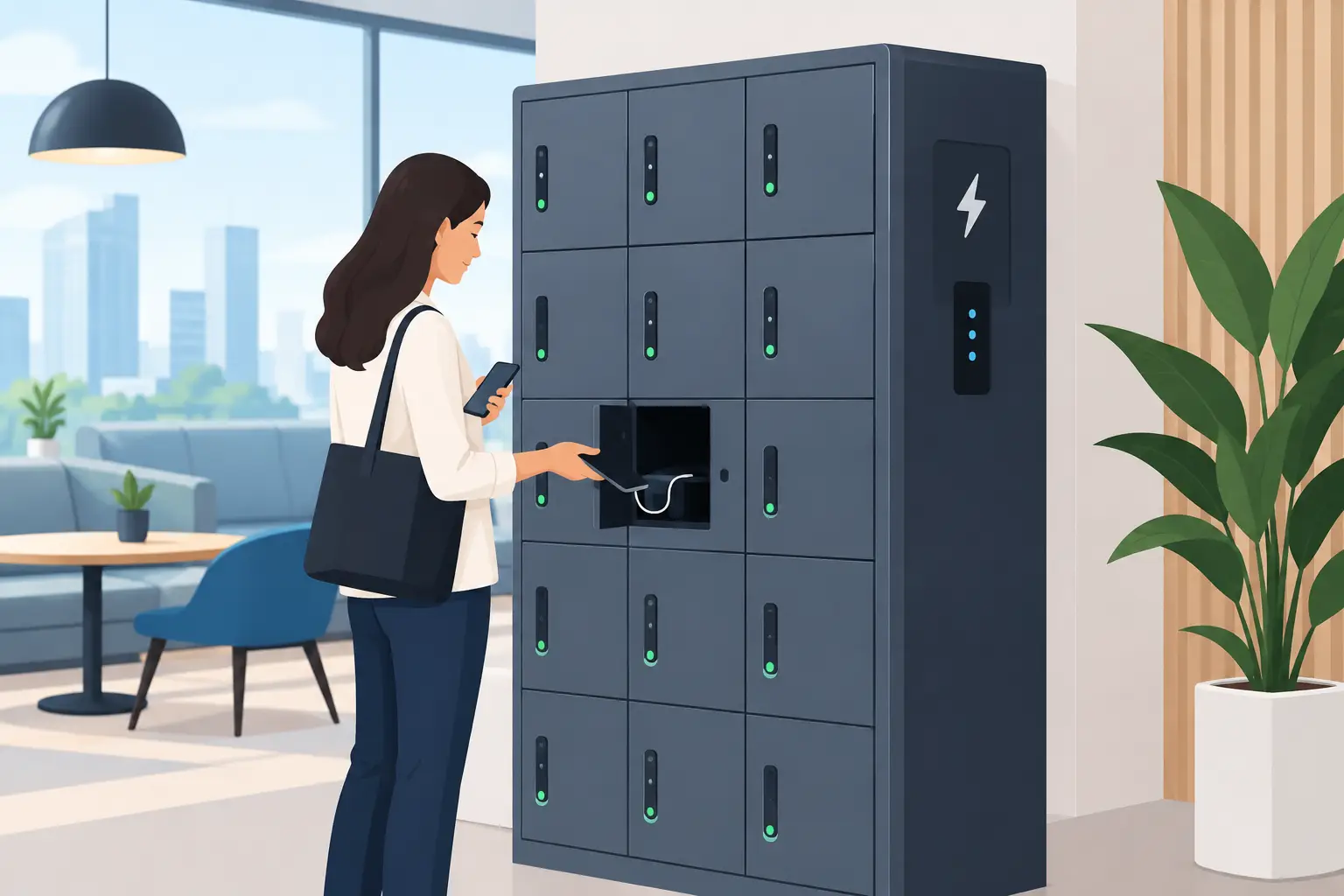
A commercial charging locker review for buyers comparing security, charging speed, payment options, capacity, and long-term operating value at venues.

How to Manage Shared Devices Without the Chaos
Oct 01, 2026
Learn how to manage shared devices with clear ownership, secure charging, simple checkout rules, and reporting that keeps teams productive every shift.
Charging Station Maintenance That Protects Uptime
Sep 29, 2026
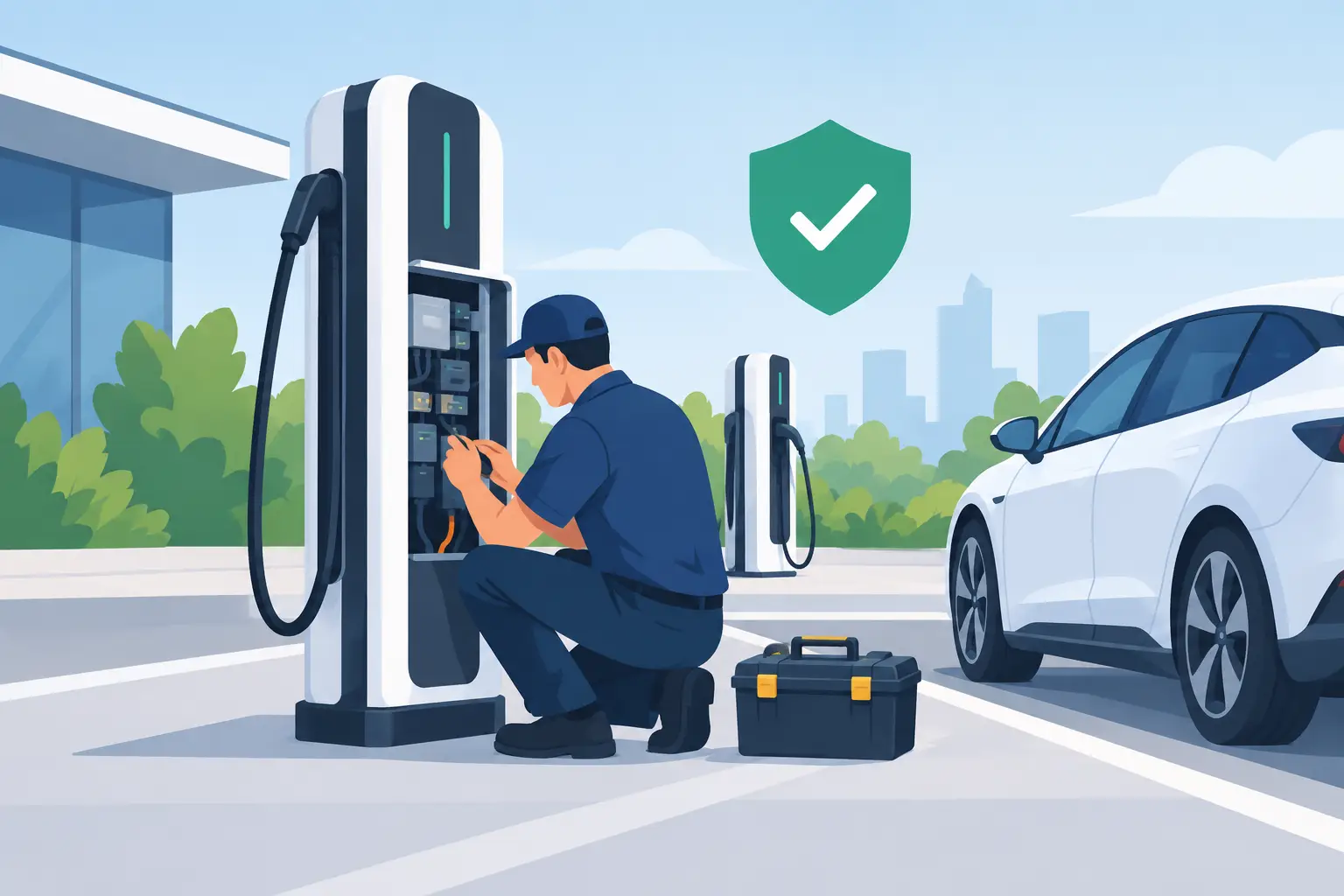
Charging station maintenance protects uptime, revenue, and user trust with practical inspections, cleaning, cable care, and payment system checks weekly.
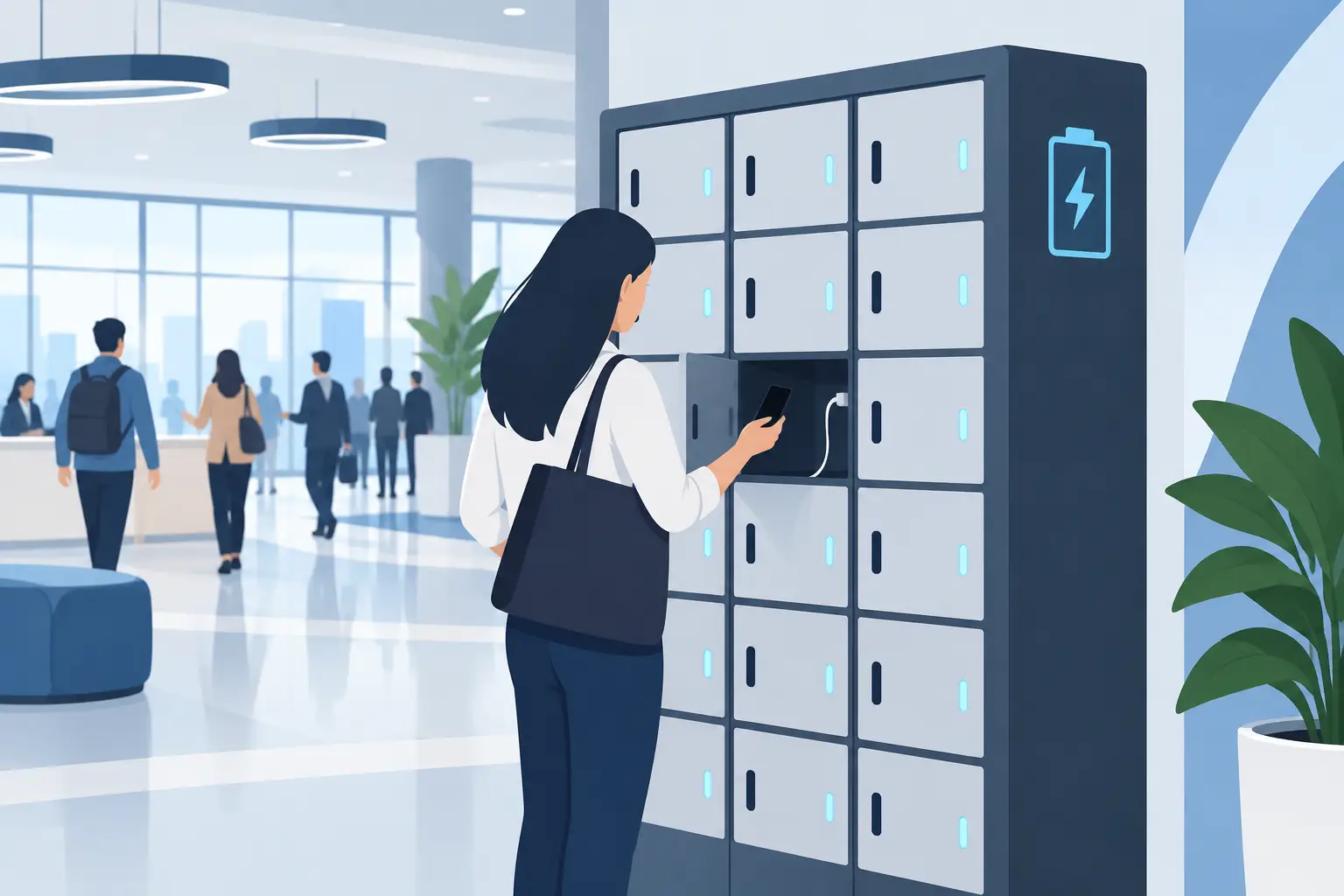
Charging Locker System Review for Busy Venues
Sep 27, 2026
Read this charging locker system review to compare security, charging speed, payment options, and ROI for events, offices, retail, and venues nationwide.
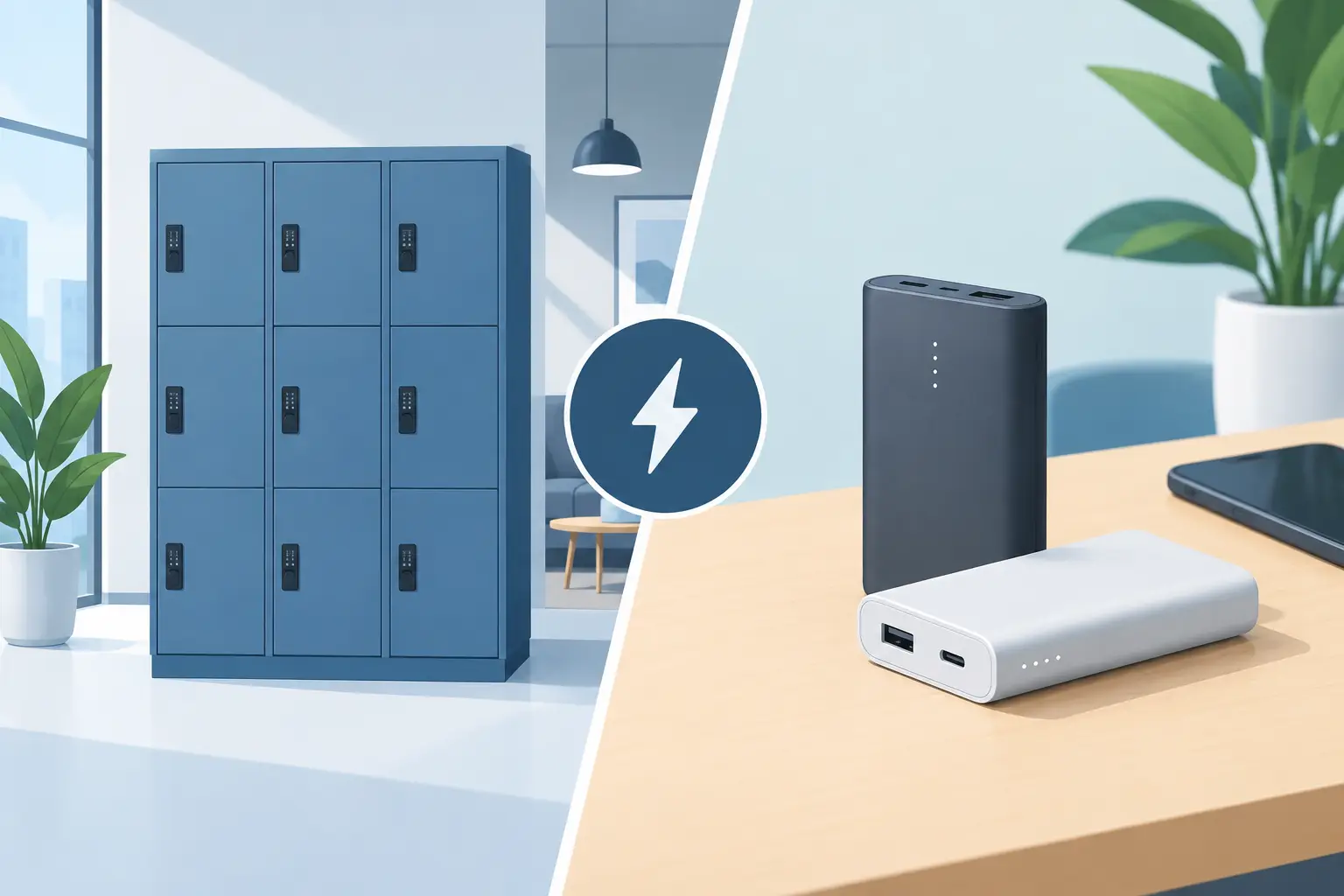
Lockers Versus Powerbanks: Which Fits Your Space?
Sep 25, 2026
Lockers versus powerbanks: compare security, dwell time, staffing, revenue, and deployment needs to choose the right charging amenity for your venue today.
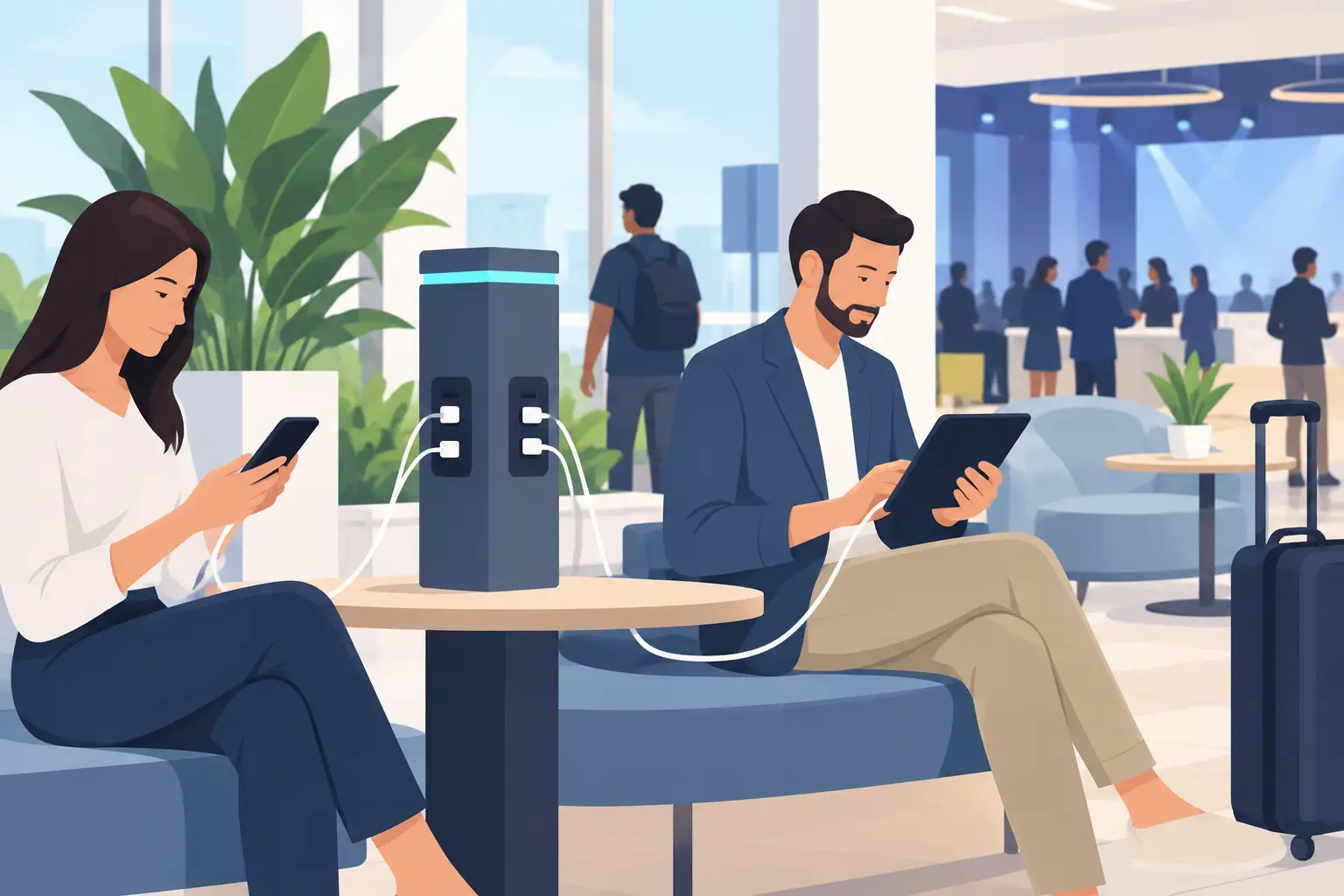
Public Device Charging Trends for Venues
Sep 23, 2026
Public device charging trends are reshaping venues, events, and workplaces with secure USB-C access, locker charging, and revenue-ready options for guests.
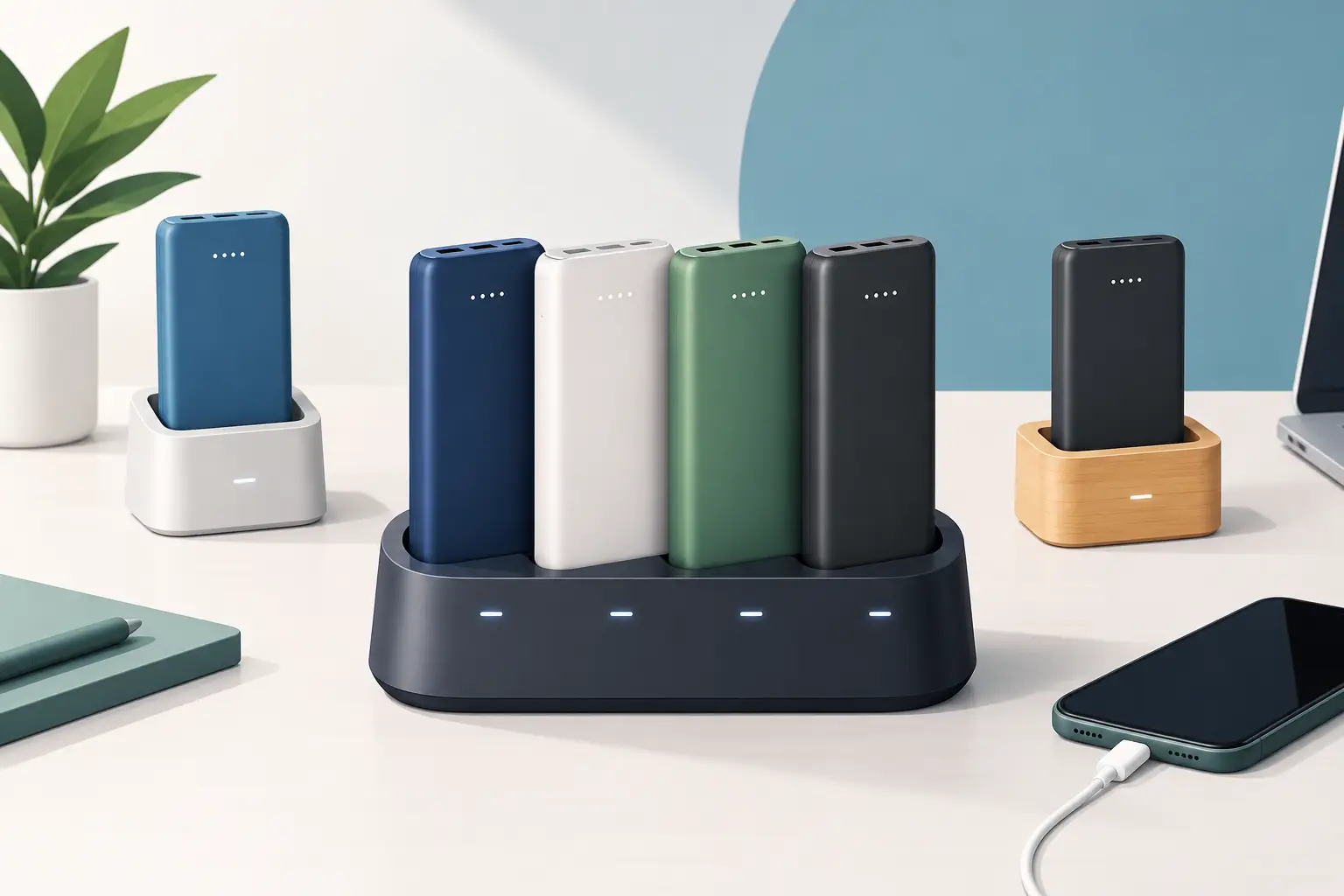
How to Create Branded Power Bank Docks That Sell
Sep 21, 2026
Learn how to create branded power bank docks that keep visitors engaged, strengthen your brand, and support free or paid charging programs on-site daily.

Locker Deployment Example for Busy Venues
Sep 19, 2026
See a locker deployment example that helps venues provide secure phone charging, reduce low-battery stress, and create a practical revenue option for guests.
Hotel Charging That Keeps Guests On Property
Sep 17, 2026
Hotel charging gives guests a secure place to power phones and laptops, extend their stay, and create new hospitality revenue opportunities on site daily.
How to Add Phone Charging to Your Business
Sep 15, 2026
Learn how to add phone charging to your business with secure, scalable stations that improve guest experience, dwell time, and revenue potential daily.
Best Secure Tablet Storage for Shared Devices
Sep 13, 2026
Find the best secure tablet storage for shared devices, events, offices, and public spaces with charging, access control, and room to scale confidently.

Power Bank Docking Review for Busy Venues
Sep 11, 2026
Use this power bank docking review to compare charging speed, security, payment options, branding, and operating costs before committing to deployment.

Charging Locker Procurement That Pays Off
Sep 09, 2026
Make charging locker procurement simpler with a practical plan for capacity, security, payment options, deployment, and long-term operating daily value.
Phone Charging Station Leasing for Businesses
Sep 08, 2026
Phone charging station leasing gives businesses a flexible way to add secure, branded charging while protecting cash flow and creating new revenue streams
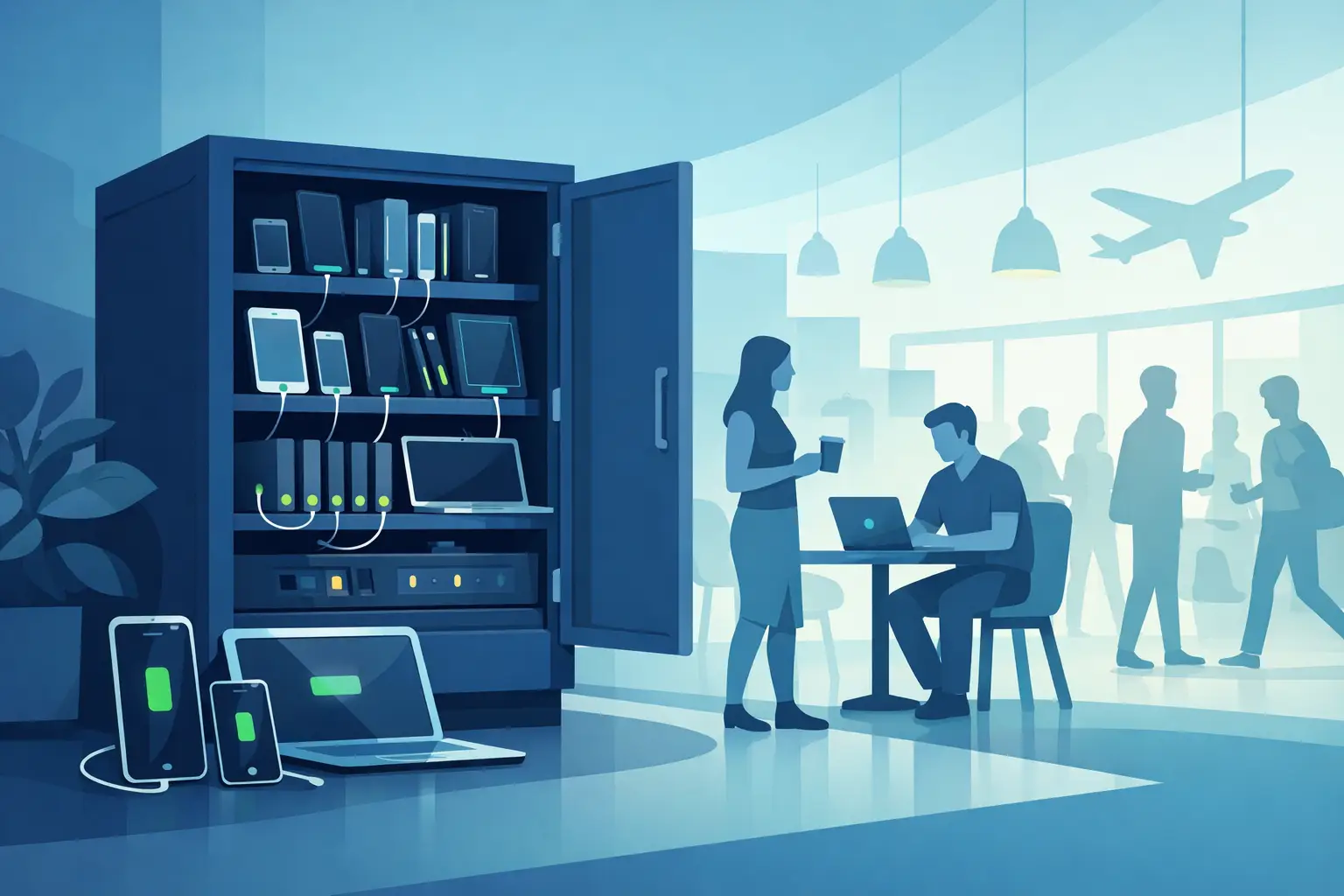
Multi Device Charging Cabinets for Busy Venues
Sep 06, 2026
Multi device charging cabinets give visitors secure power, help staff manage shared devices, and create a practical amenity or revenue stream for venues.
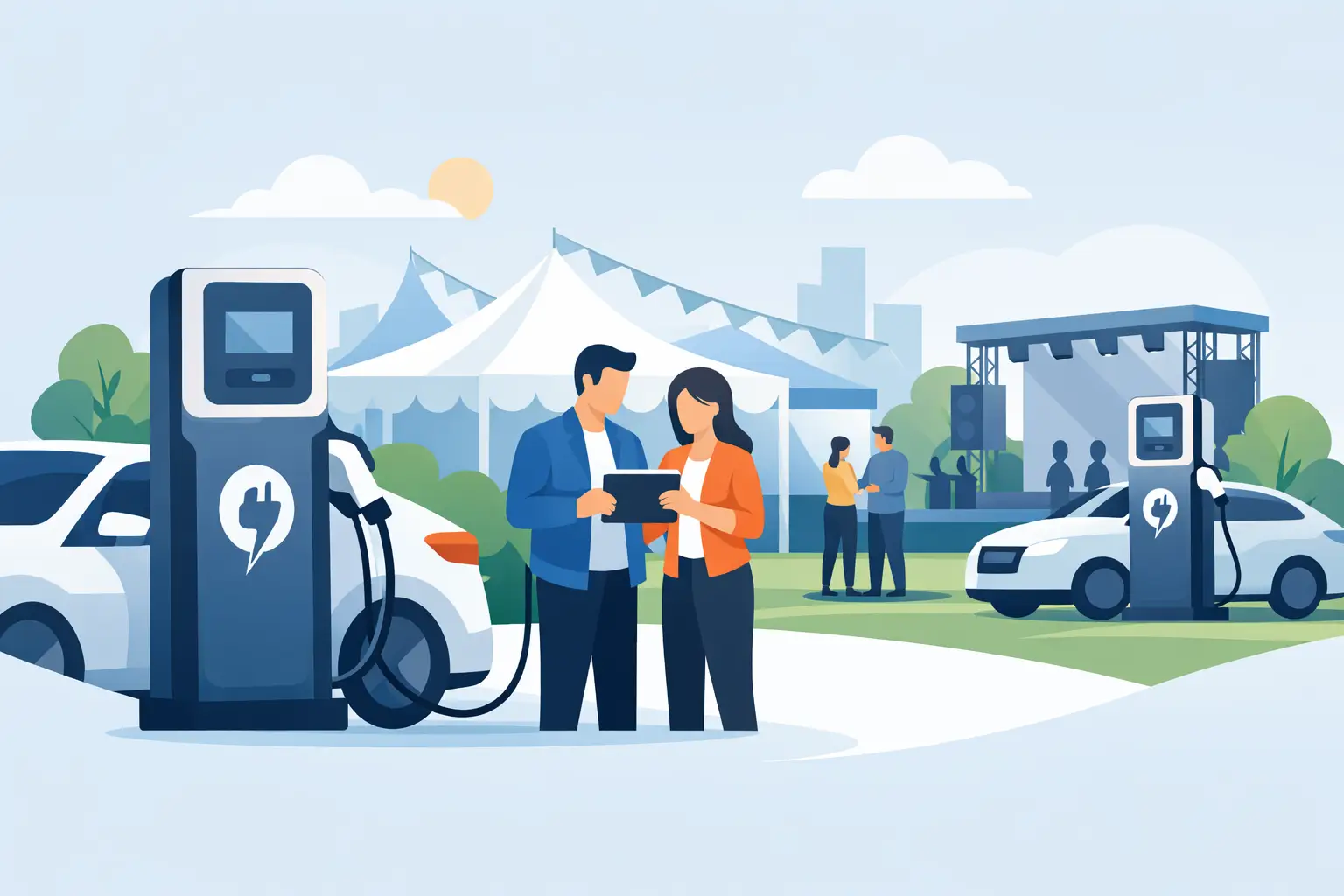
How to Rent Charging Stations for Your Event
Sep 04, 2026
Learn how to rent charging stations for events, offices, and venues, from choosing secure formats to planning power, branding, delivery, and ROI needs.
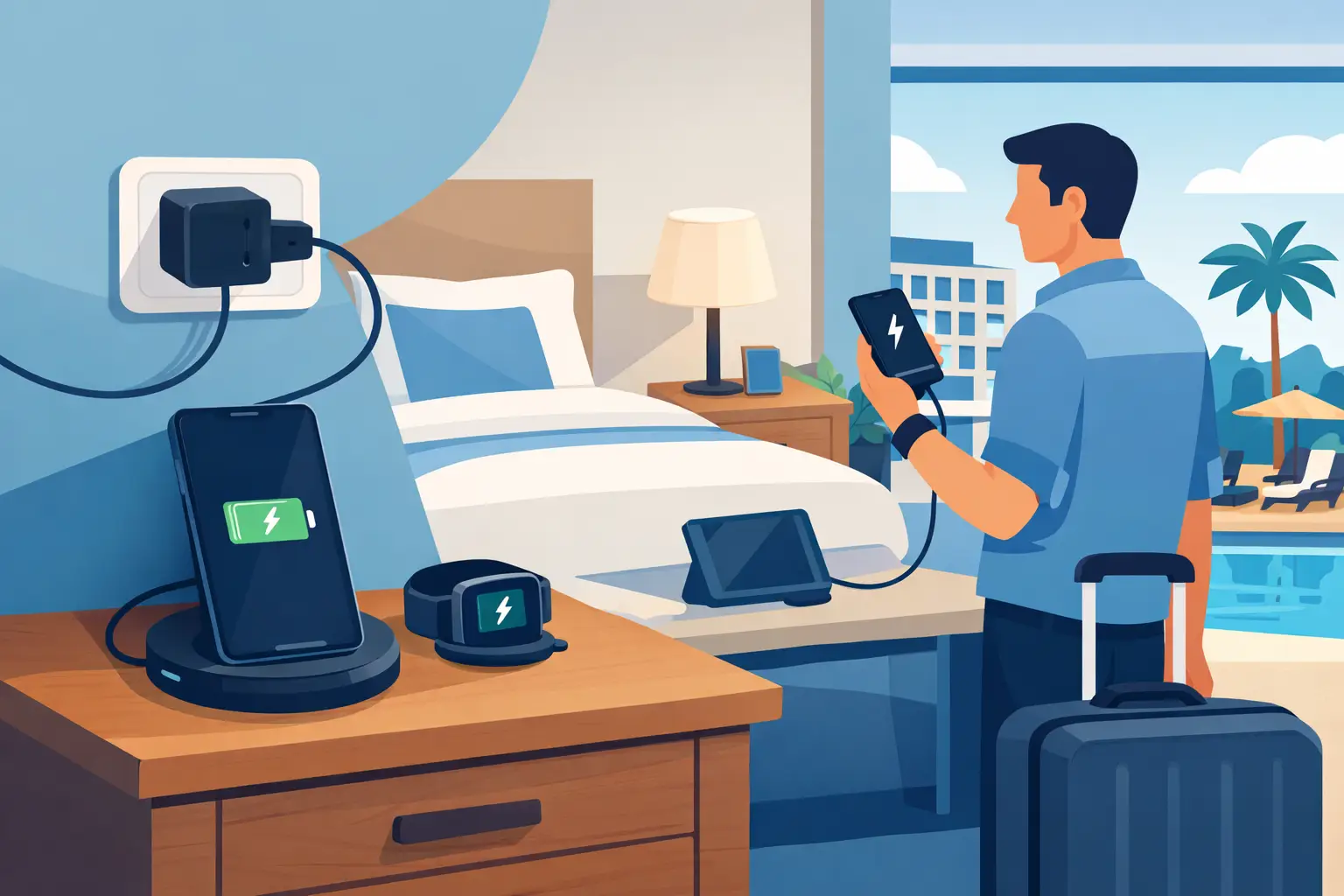
Best Phone Charging for Hotels and Their Guests
Sep 02, 2026
Find the best phone charging for hotels with secure, guest-ready options that improve stays, support staff, and create new revenue opportunities on property.
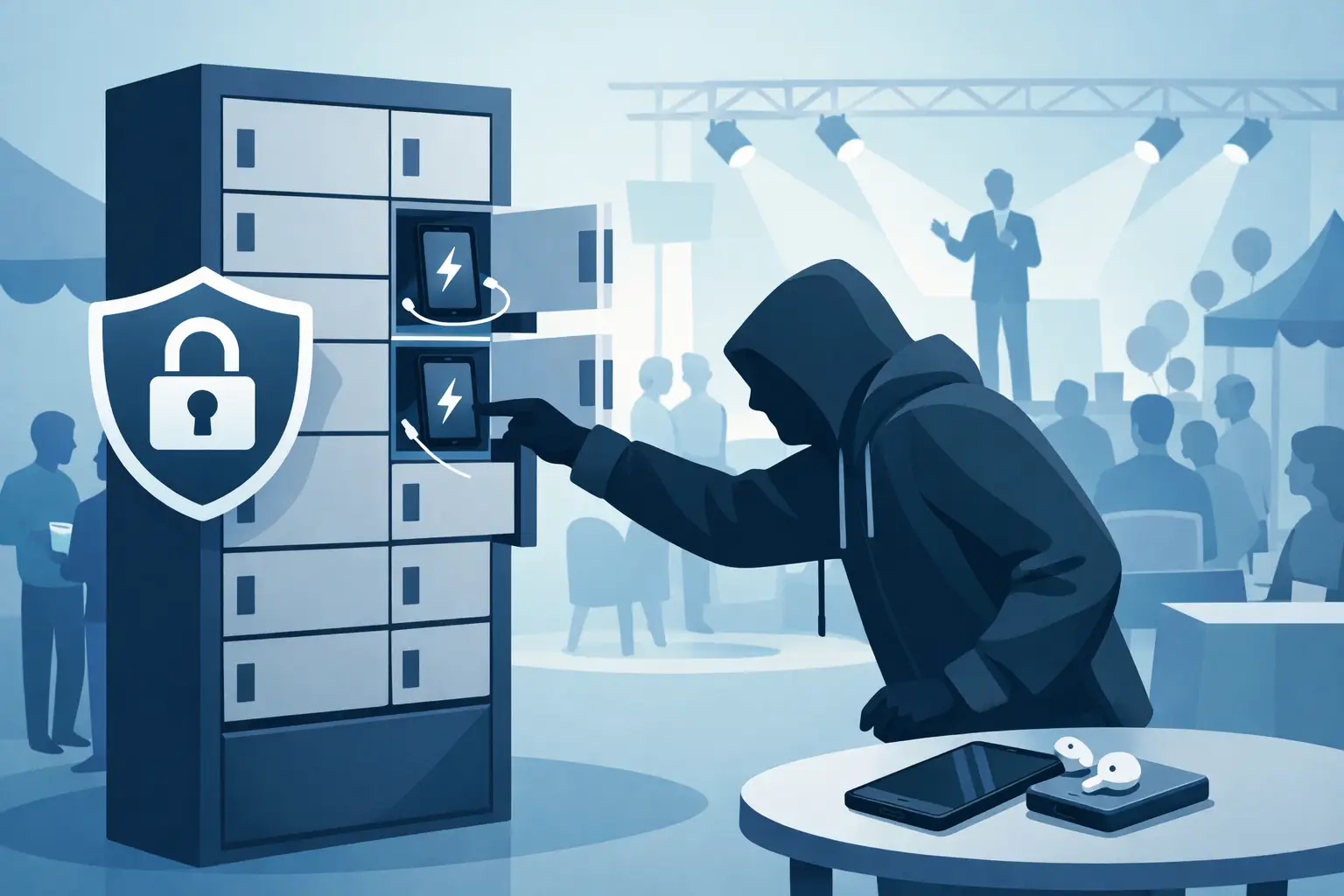
Do Charging Lockers Prevent Theft at Events?
Aug 31, 2026
Do charging lockers prevent theft? Learn how lockable charging stations protect devices, reduce staff burden, and improve visitor confidence on site daily.
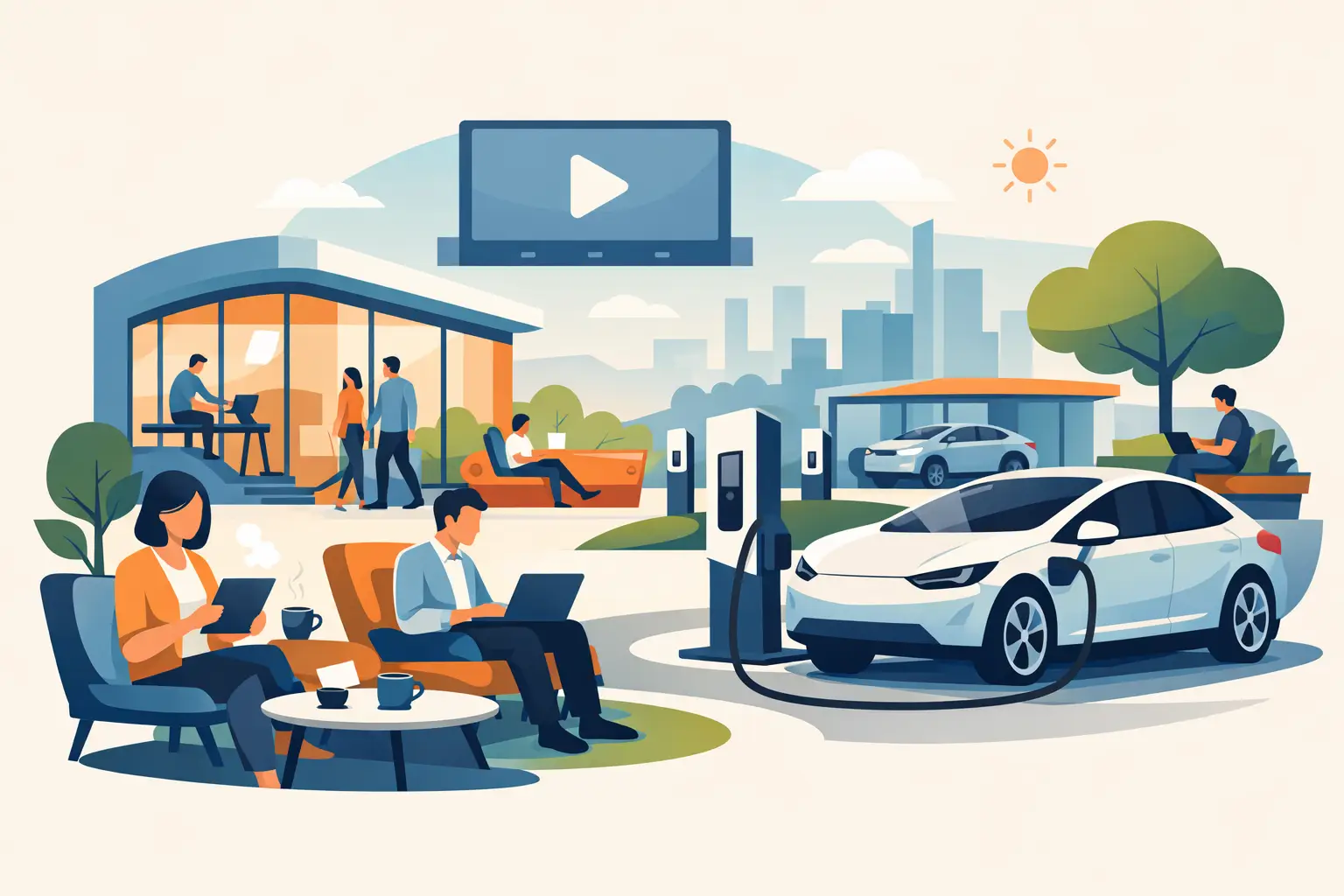
The Future of Public Charging Is Built for Dwell Time
Aug 29, 2026
The future of public charging will reward venues that pair fast, secure power with payment flexibility, strong uptime, and better visitor experiences.

How to Deploy Phone Charging Furniture Well
Aug 27, 2026
Learn how to deploy phone charging furniture in high-traffic spaces, from selecting locations and power to security, branding, pricing, and daily upkeep.
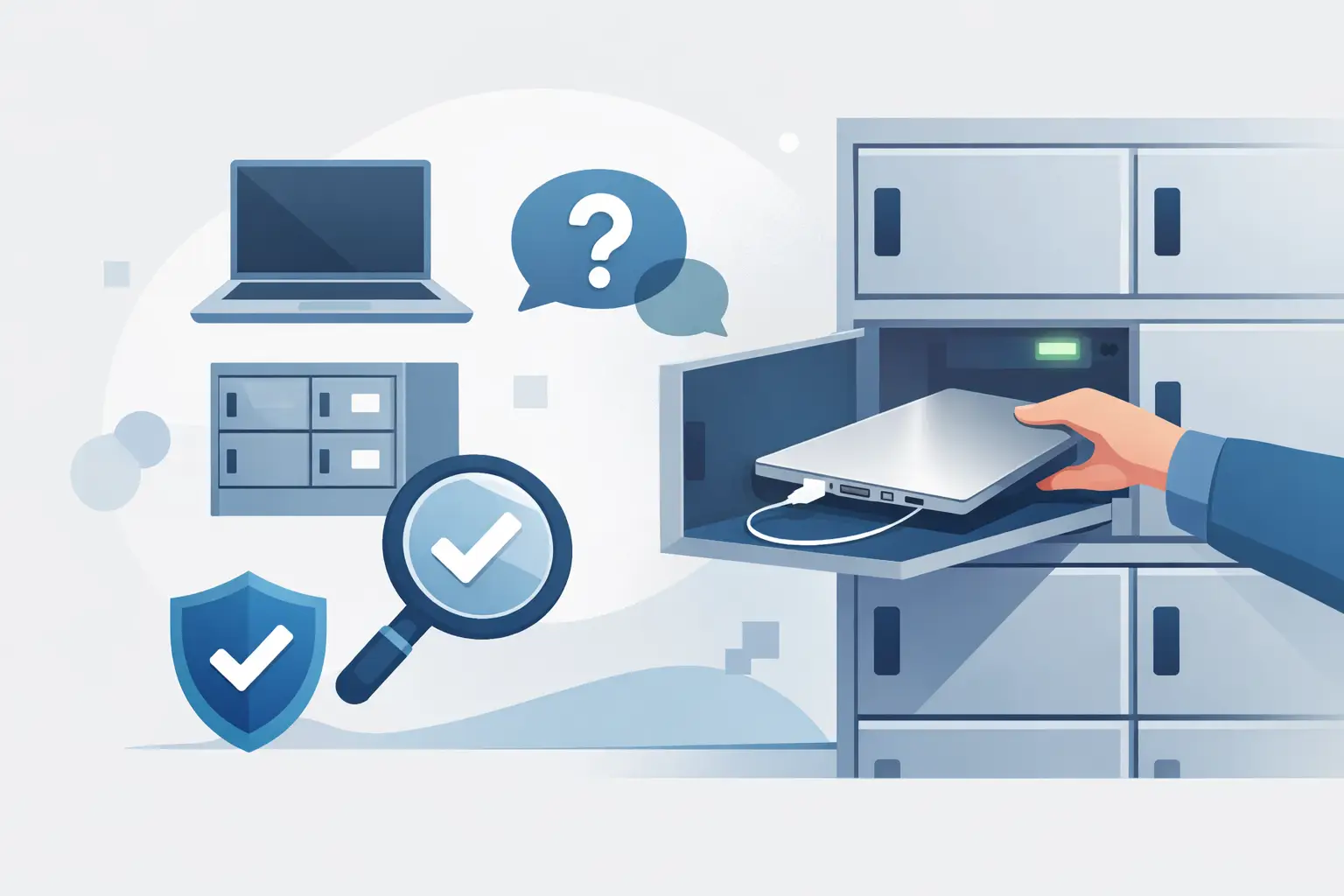
Can Charging Lockers Fit Laptops? What to Check
Aug 25, 2026
Can charging lockers fit laptops? Learn which locker dimensions, outlets, cables, and power limits support secure laptop charging at work and events today.
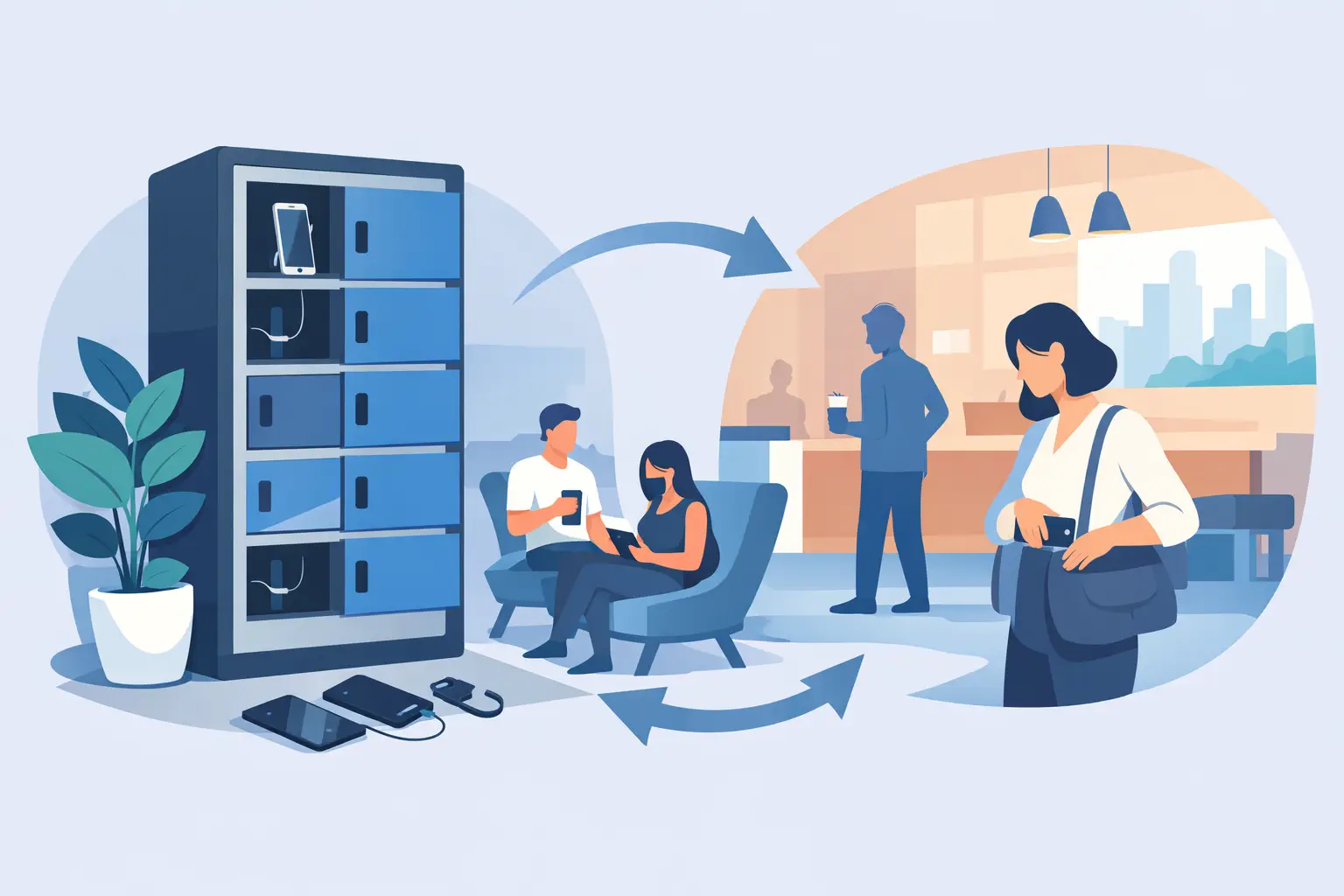
How to Lease Charging Lockers for Your Venue
Aug 23, 2026
Learn how to lease charging lockers with the right term, payment model, security features, and deployment plan for each location.
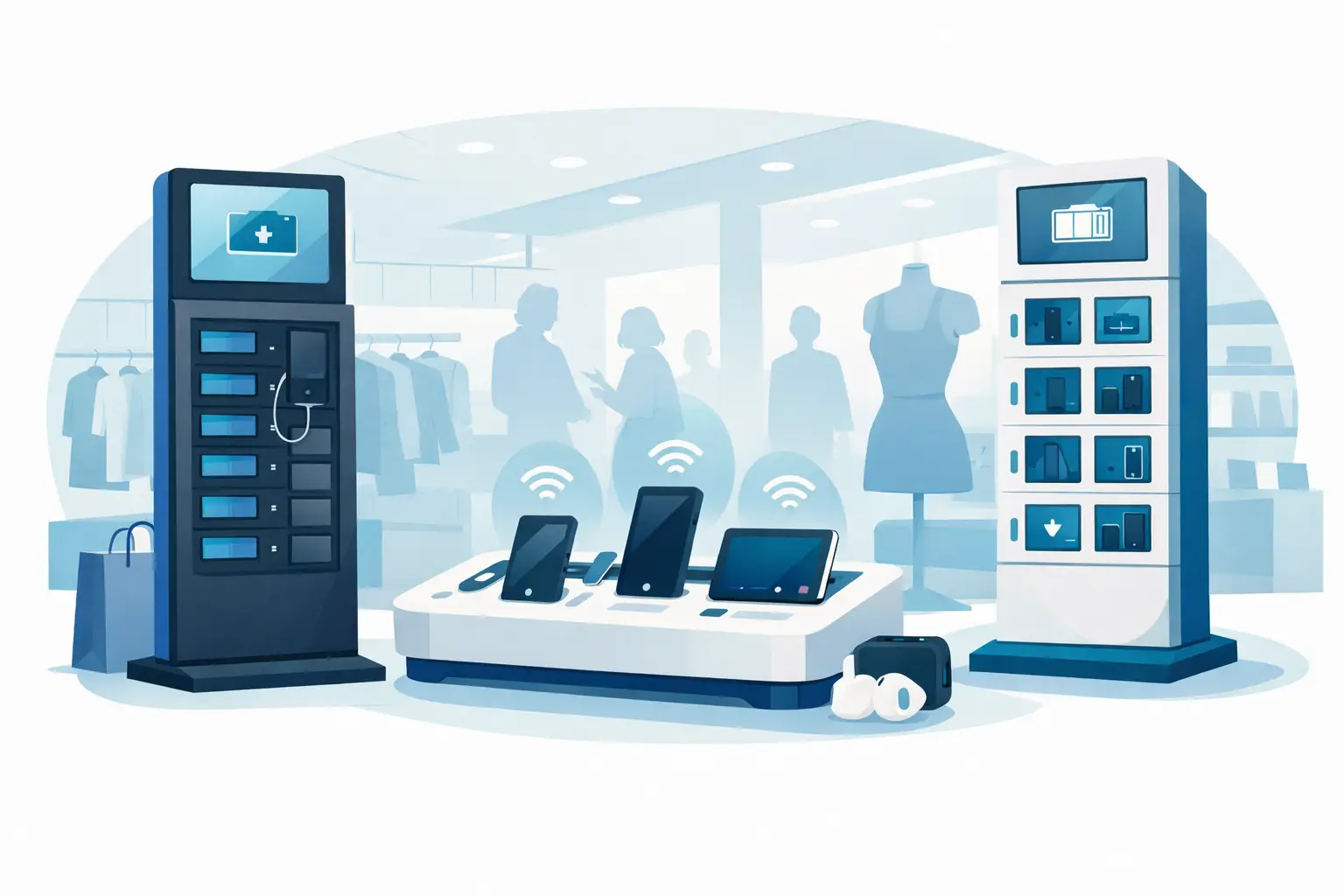
Best Charging Kiosks for Retail Stores Compared
Aug 21, 2026
Compare the best charging kiosks for retail to increase dwell time, protect customer devices, support modern USB-C needs, and create new revenue safely.
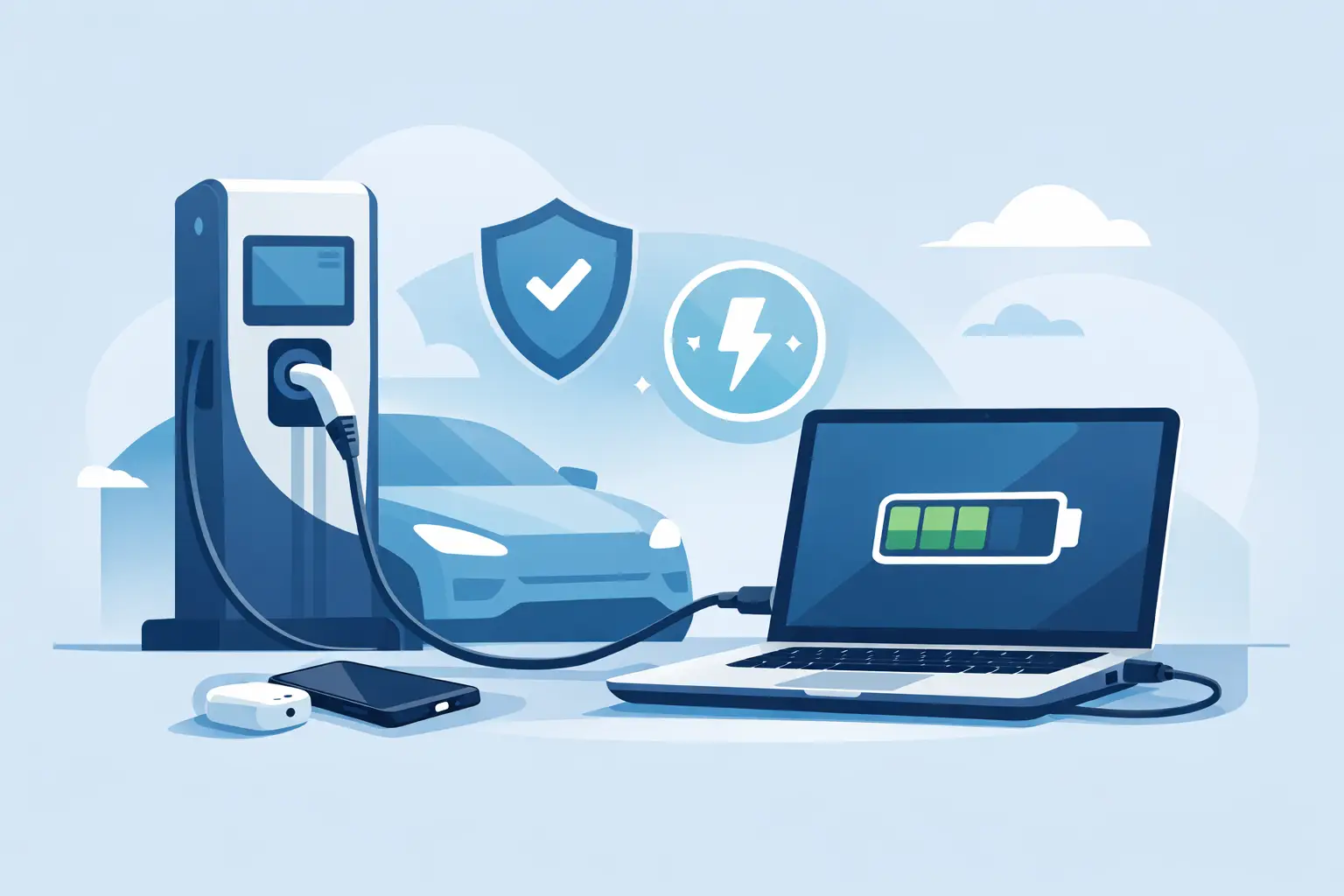
Can Charging Stations Charge Laptops Safely?
Aug 19, 2026
Can charging stations charge laptops? Learn which ports, wattages, and safety features businesses need to provide laptop power for visitors and staff.
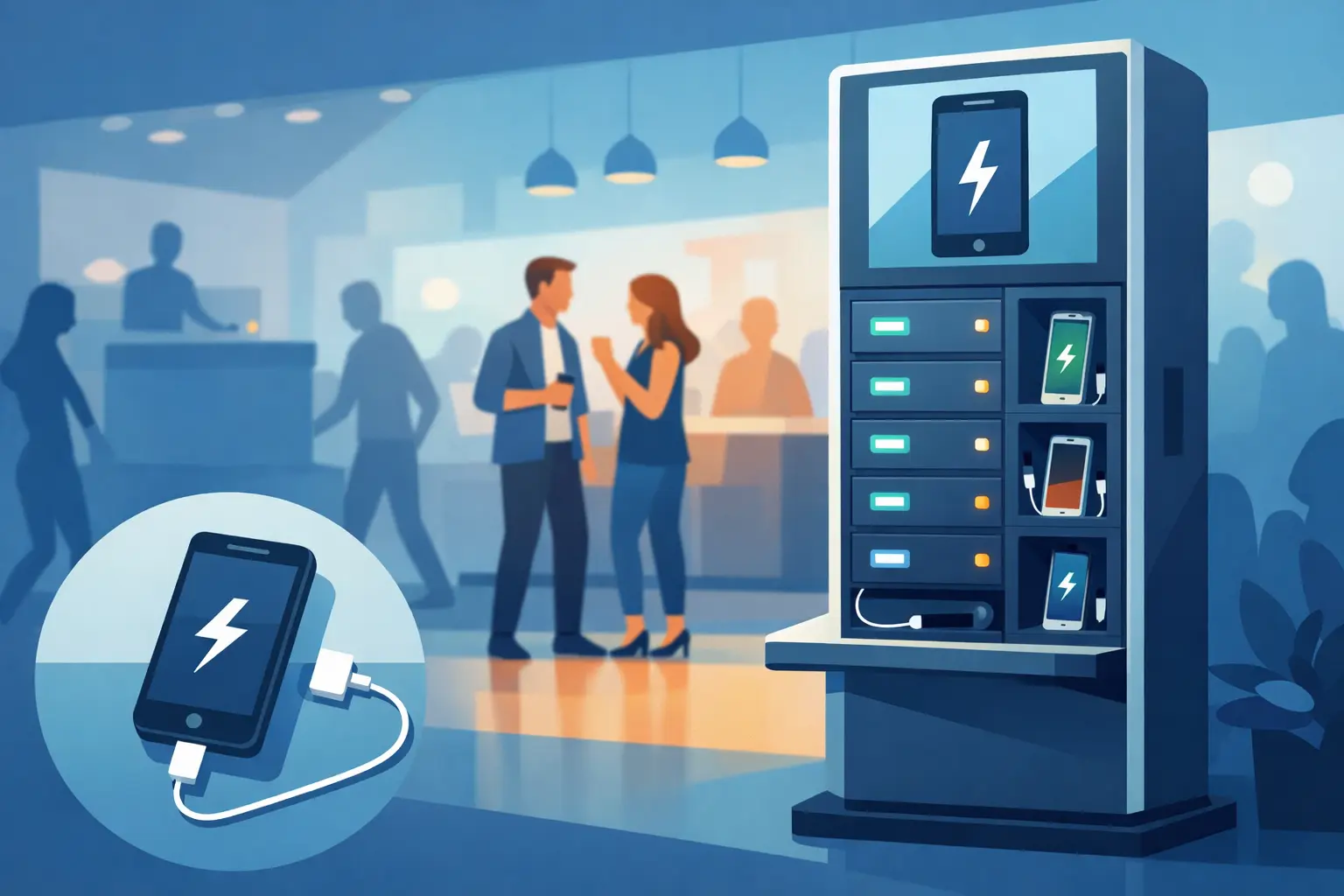
Emergency Phone Charger Kiosk for Busy Venues
Aug 17, 2026
An emergency phone charger kiosk keeps guests connected, extends dwell time, and can turn charging access into a secure revenue opportunity for your venue today.
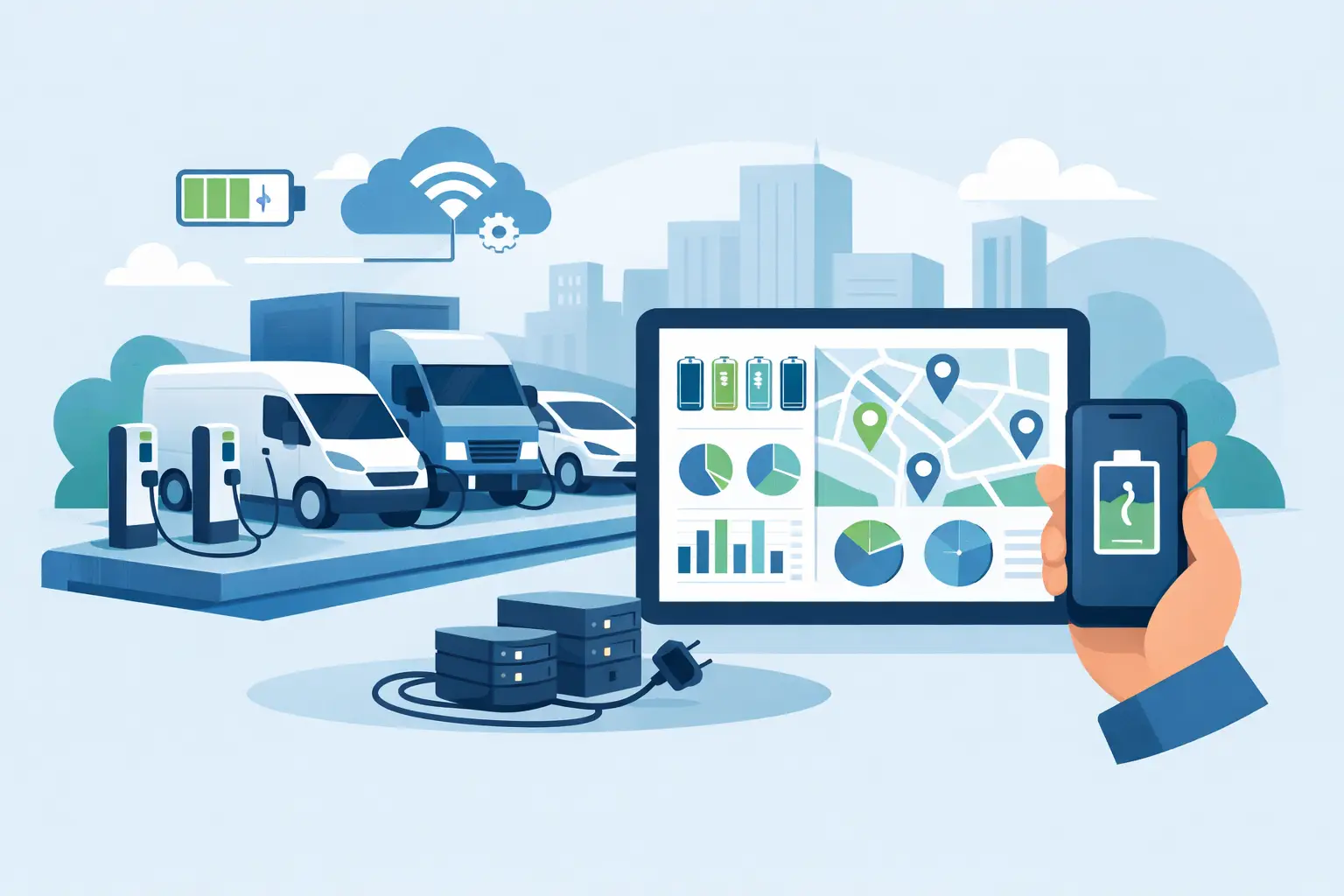
Fleet Device Charging Management That Works
Aug 15, 2026
Fleet device charging management keeps phones, tablets, and laptops ready, secure, and accounted for across every shift, site, and deployment without delays daily.
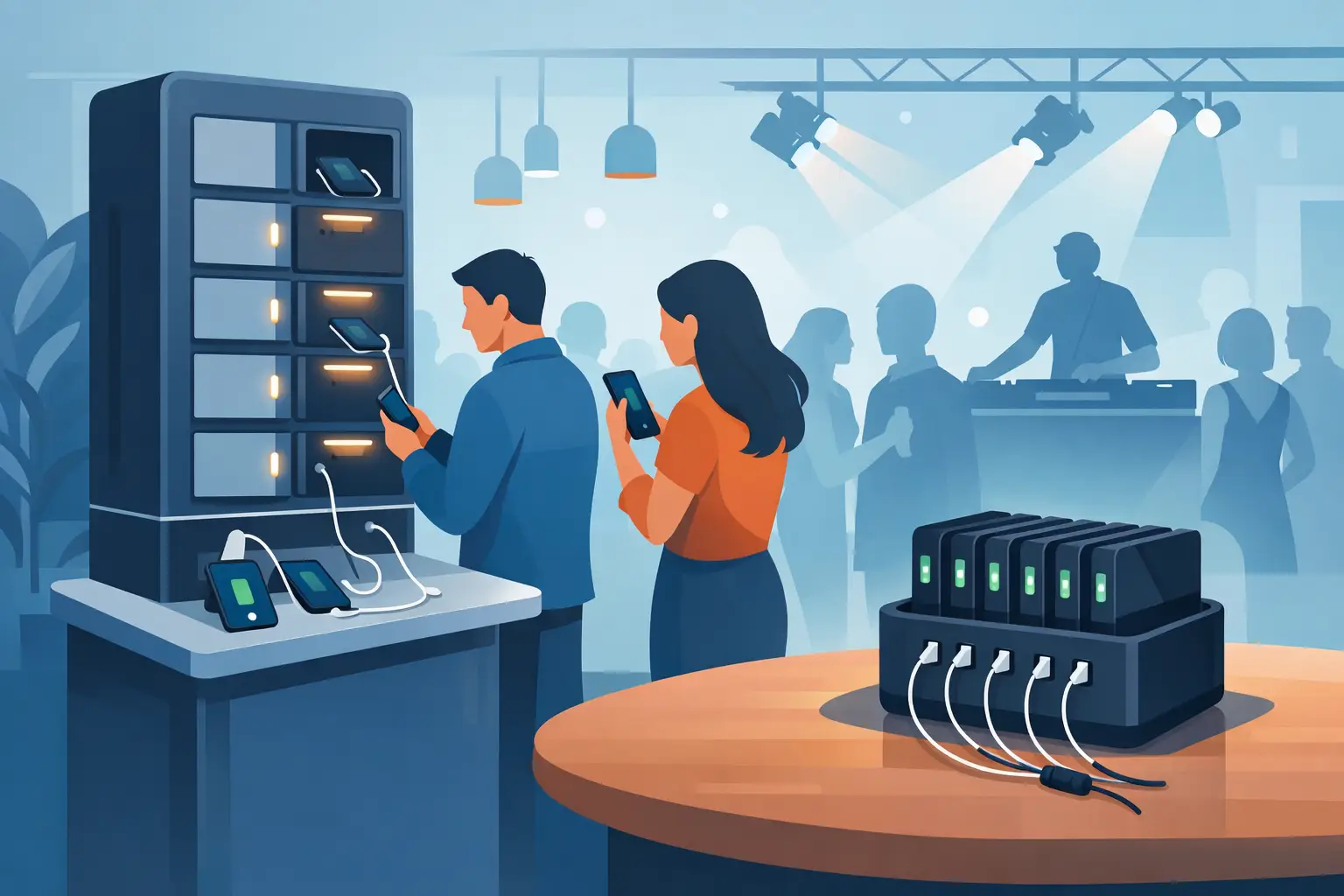
Best Event Phone Charging Rentals for Busy Venues
Aug 13, 2026
Find the best event phone charging rentals for secure, fast, branded power that keeps attendees engaged, extends dwell time, and can create event revenue.
Power Bank Rental vs Lockers: Which Fits?
Aug 11, 2026
Compare power bank rental vs lockers to choose the right charging solution for your venue, event, or workplace and improve guest experience and ROI today.
Free Charging vs Paid Charging: Which Works?
Aug 09, 2026
Free charging vs paid charging can improve visitor experience or create revenue. Learn how to choose the right model for your venue, event, or workplace.
Secure Device Charging Guide for Businesses
Aug 07, 2026
Use this secure device charging guide to protect phones, tablets, and laptops while providing reliable, convenient power for every guest at your venue.
Charging Station Leasing Guide for Businesses
Aug 04, 2026
Use this charging station leasing guide to compare terms, station types, payment options, and ROI before adding secure device charging to your space today.
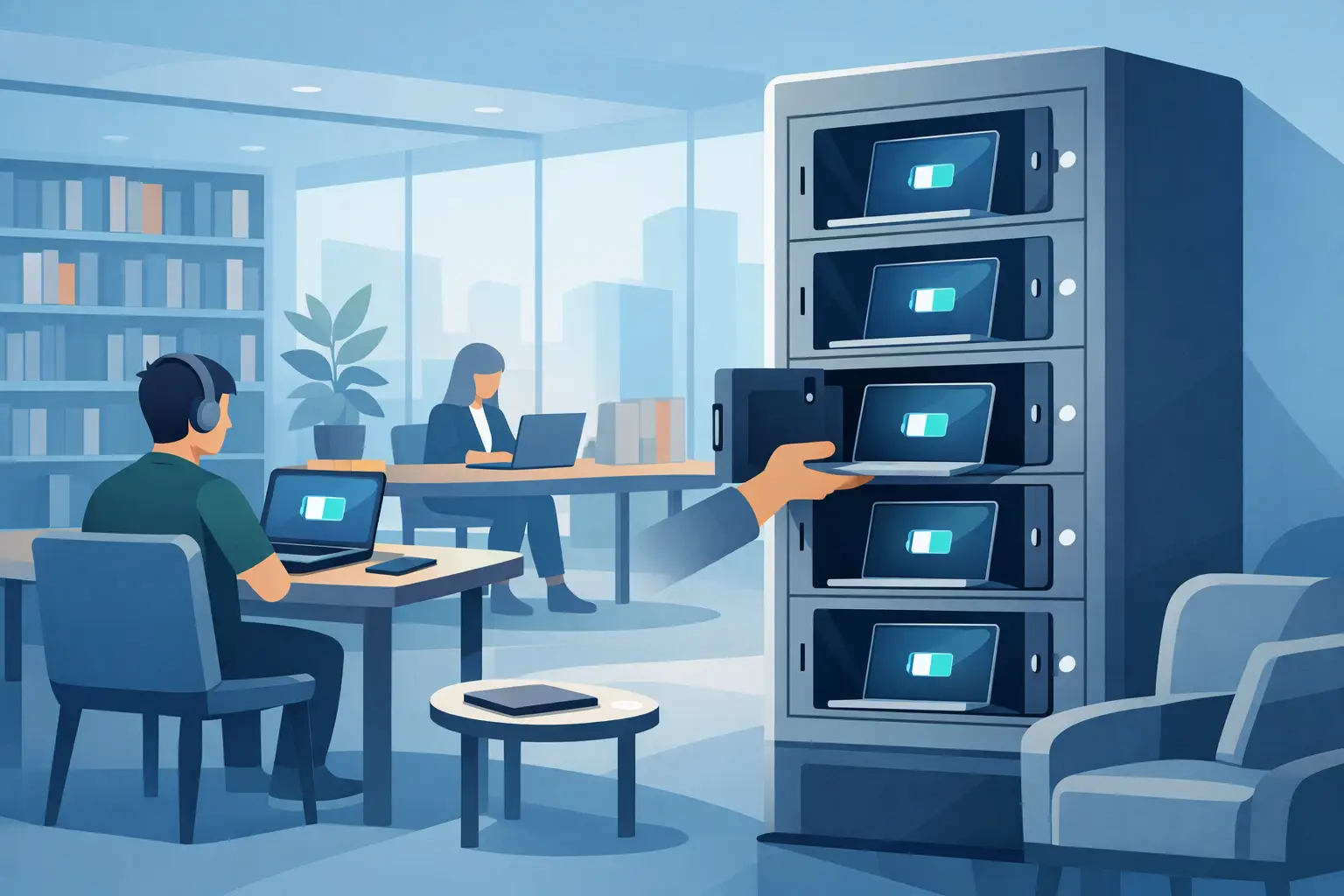
Laptop Charging Kiosk for Libraries That Works
Aug 03, 2026
Choose a laptop charging kiosk for libraries with secure storage, laptop-ready power, simple access, and a funding model that fits your space reliably.
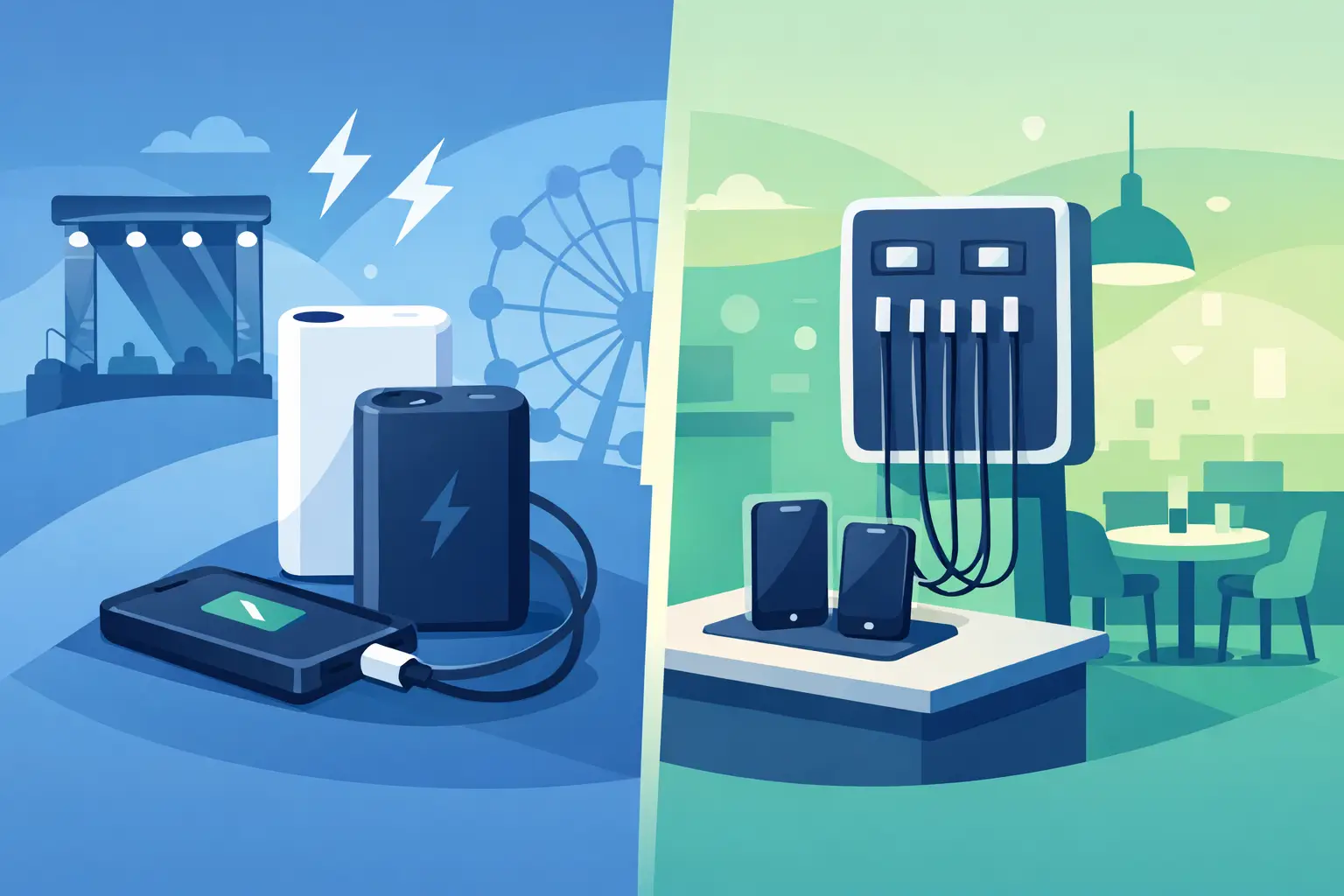
Power Banks vs Fixed Chargers for Venues
Aug 01, 2026
Compare power banks vs fixed chargers for events, venues, and workplaces. Choose secure charging that improves guest experience, uptime, and revenue onsite.
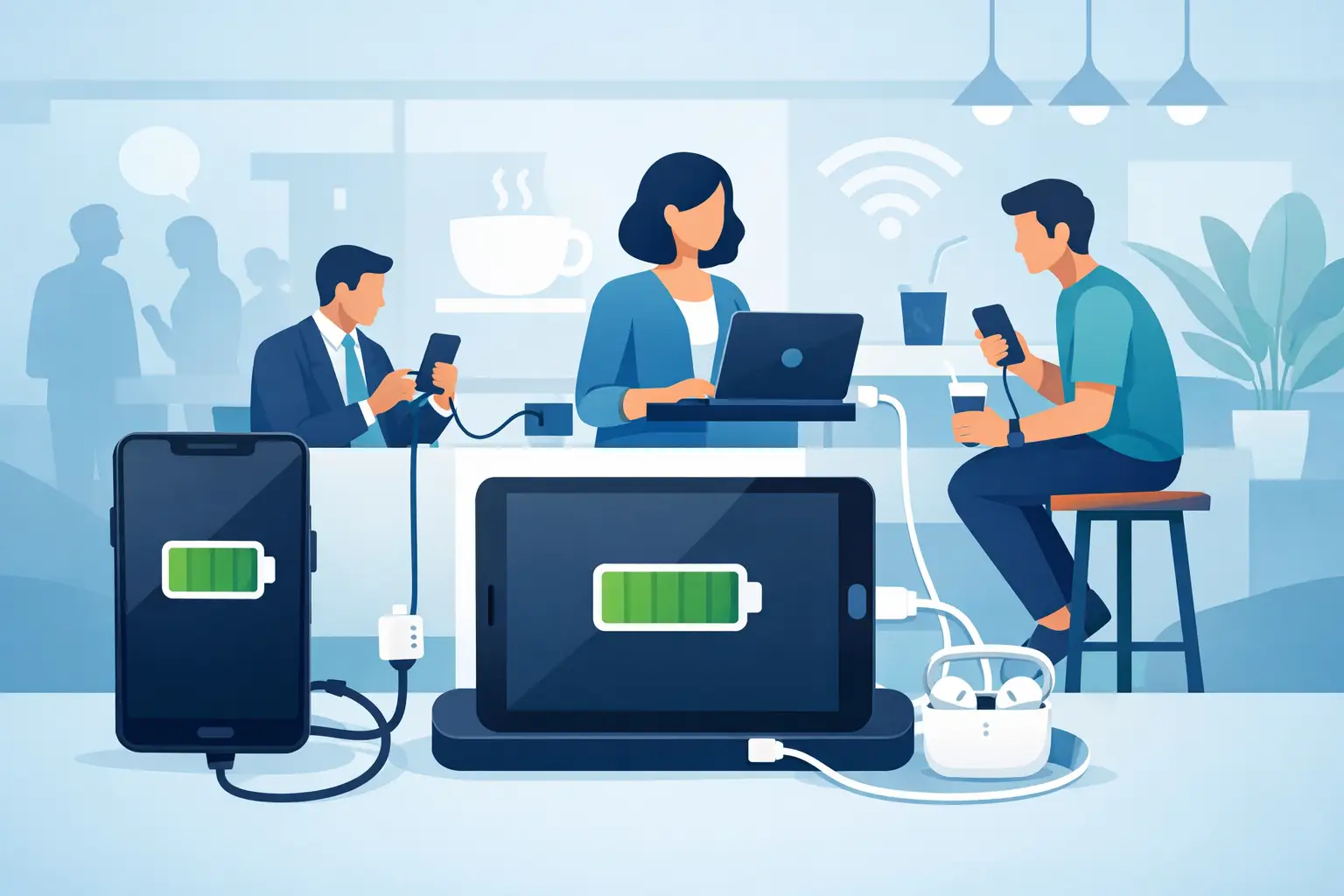
Why Offer Free Device Charging at Your Venue?
Jul 29, 2026
Why offer free device charging? Learn how it keeps visitors engaged, strengthens your brand, supports operations, and can create new revenue opportunities.
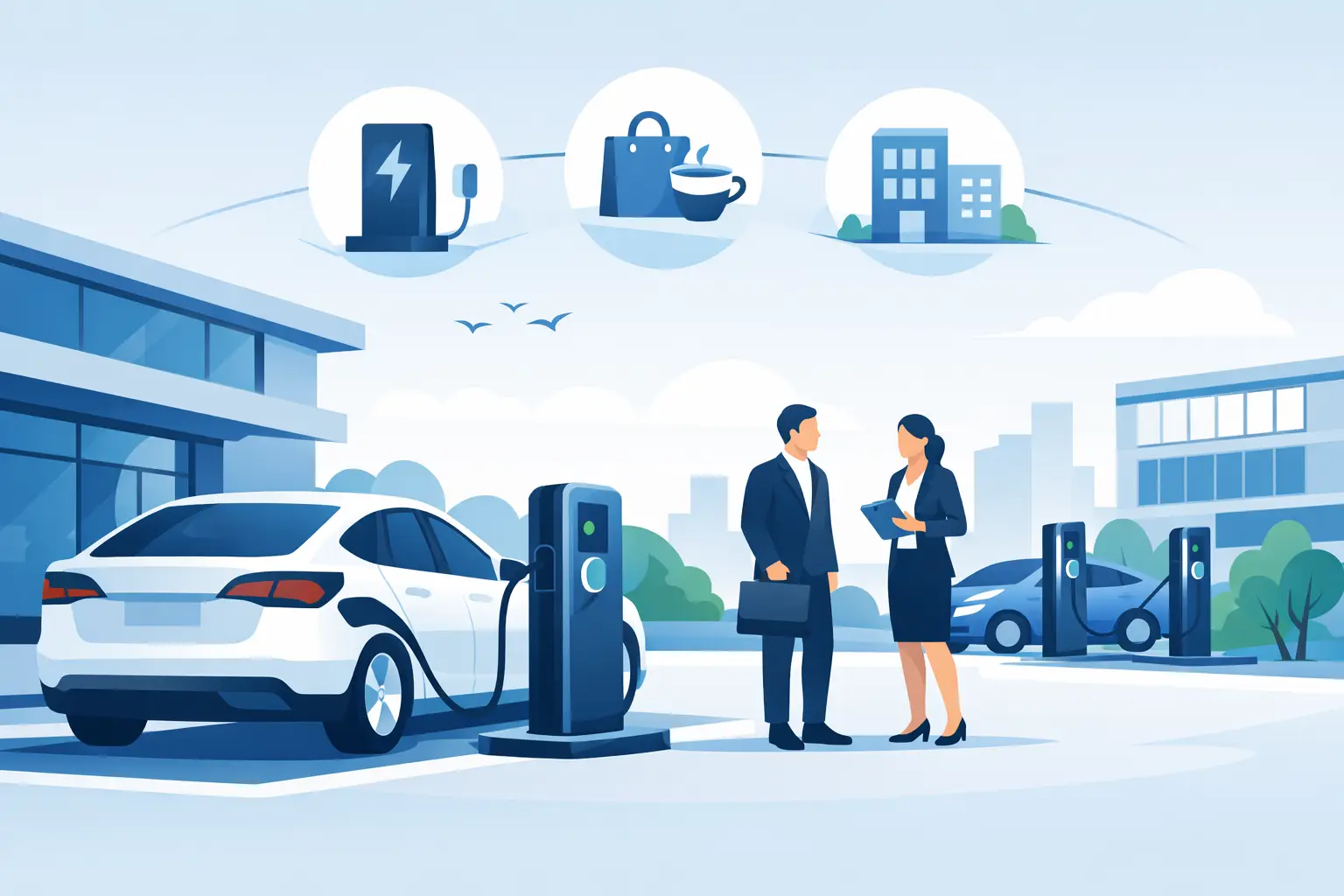
Public Charging Station Benefits for Business
Jul 27, 2026
Public charging station benefits include longer visits, happier guests, stronger brand visibility, and practical revenue options for high-traffic venues.

Phone Charging Lockers for Gyms That Members Use
Jul 26, 2026
Phone charging lockers for gyms keep members powered, valuables secure, and workouts on track while creating a valuable amenity or revenue opportunity.
Best Charging Lockers for Offices in 2026
Jul 23, 2026
Find the best charging lockers for offices with secure storage, USB-C support, smart access, and the right capacity for staff, guests, and shared devices.
Phone Charging Stations That Work Harder
Jul 21, 2026
Phone charging stations keep guests engaged, staff productive, and events moving. Learn how to choose secure, scalable options that can earn revenue too.

How to Deploy Charging Amenities That Pay Off
Jul 19, 2026
Learn how to deploy charging amenities that keep visitors powered, increase dwell time, support operations, and create revenue in any venue with clarity.
Secure Charging for Employee Devices at Work
Jul 18, 2026
Secure charging for employee devices keeps work moving while protecting phones, tablets, and laptops. Learn what a practical workplace setup needs today.
Venue Device Charging Solutions That Pay Off
Jul 16, 2026
Venue device charging solutions keep guests connected, increase dwell time, protect devices, and can create new revenue at events and public spaces daily.
Can Charging Kiosks Take Payments? Yes, Here’s How
Jul 14, 2026
Can charging kiosks take payments? See how POS-enabled charging turns low-battery demand into convenience, longer visits, and new venue revenue streams.

Custom Branded Charging Stations That Earn Attention
Jul 11, 2026
Custom branded charging stations turn low-battery stress into longer visits, stronger brand visibility, and a practical revenue opportunity for venues.
Charging Kiosks That People Actually Use
Jul 10, 2026
Charging kiosks keep guests powered, on-site, and engaged. Learn how to choose the right setup for security, revenue, and everyday use.
Charging Stations for Convention Centers
Jul 08, 2026
Charging stations for convention centers reduce attendee stress, boost dwell time, support sponsors, and create new revenue opportunities.
How to Lease Charging Kiosks Smartly
Jul 06, 2026
Learn how to lease charging kiosks with the right terms, pricing, features, and support so your venue adds convenience and potential revenue.
Visitor Amenity Charging Kiosk: What to Buy
Jul 04, 2026
A visitor amenity charging kiosk helps venues keep guests powered, engaged, and on-site while supporting security, branding, and revenue goals.
Business Charging Station Buying Guide
Jul 02, 2026
Business charging station buying guide for choosing secure, scalable charging solutions that improve guest experience and create revenue.
Contactless Payment Charging Station Benefits
Jun 30, 2026
A contactless payment charging station helps venues boost convenience, capture revenue, and keep guests engaged without adding operational friction.
How to Choose Charging Lockers for Your Space
Jun 28, 2026
Learn how to choose charging lockers for events, venues, offices, and retail spaces based on security, device mix, power needs, and ROI.
Are Public Charging Stations Safe to Use?
Jun 26, 2026
Are public charging stations safe to use? Learn the real risks, how secure charging stations work, and what businesses should provide.
Best Desktop Charging Station for Office Use
Jun 24, 2026
Find the right desktop charging station for office use with tips on safety, device mix, cable management, security, and long-term value.
Leasing vs Buying Charging Stations
Jun 22, 2026
Leasing vs buying charging stations comes down to budget, flexibility, and ROI. Learn which model fits events, venues, offices, and retail.
Charging Lockers vs Kiosks: What Fits Best?
Jun 20, 2026
Charging lockers vs kiosks: compare security, throughput, revenue, and fit by venue so you can choose the right charging setup for your space.

Charging Locker ROI Calculator Guide
Jun 17, 2026
Use a charging locker ROI calculator to estimate payback, revenue, and visitor impact. Learn which costs, assumptions, and metrics matter most.
How to Monetize Charging Kiosks
Jun 16, 2026
Learn how to monetize charging kiosks with the right pricing, placement, sponsorships, and formats to turn charging access into revenue.
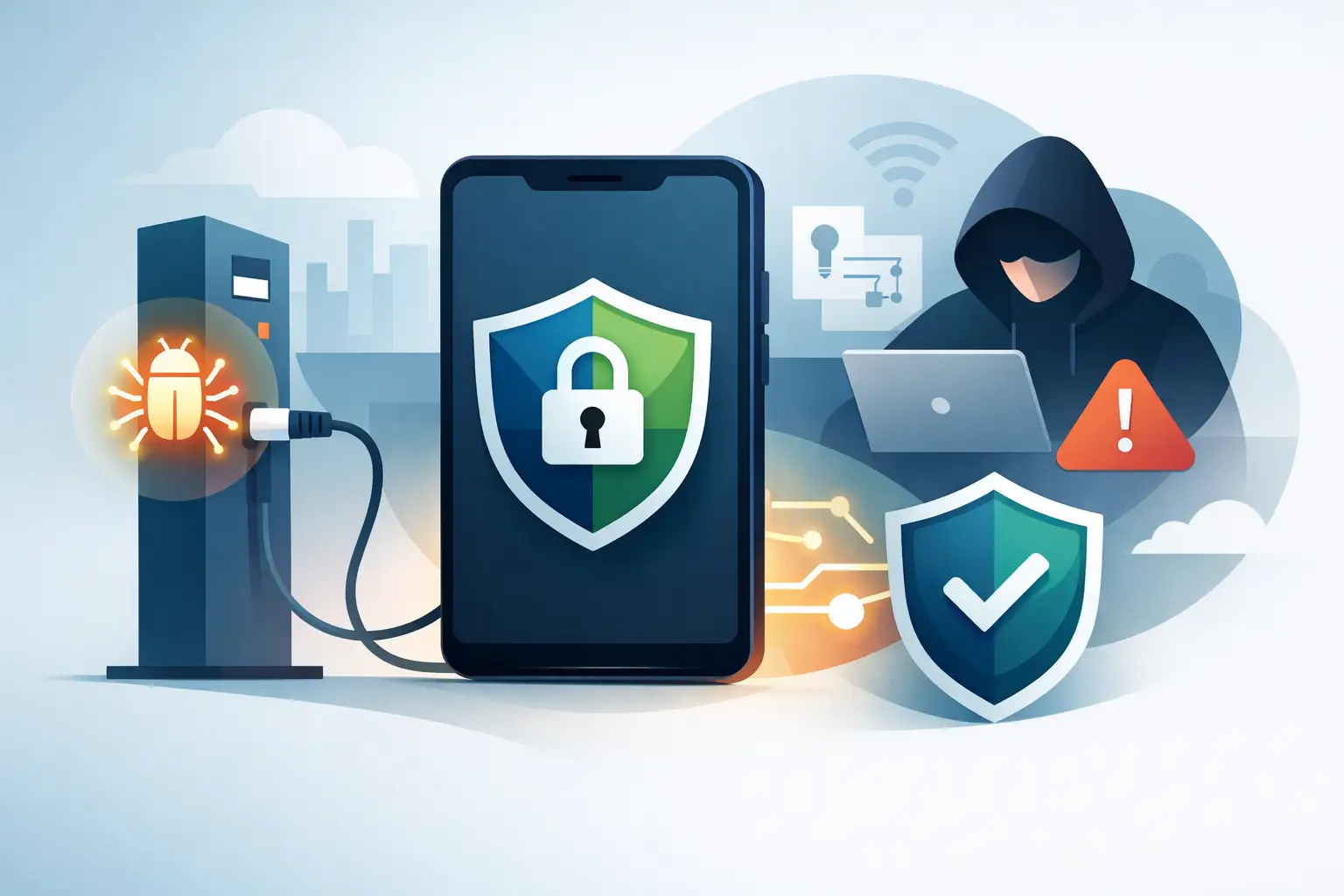
What Is Juice Jacking Protection?
Jun 13, 2026
What is juice jacking protection? Learn how it blocks data theft through USB ports and why businesses should offer safer public charging access.
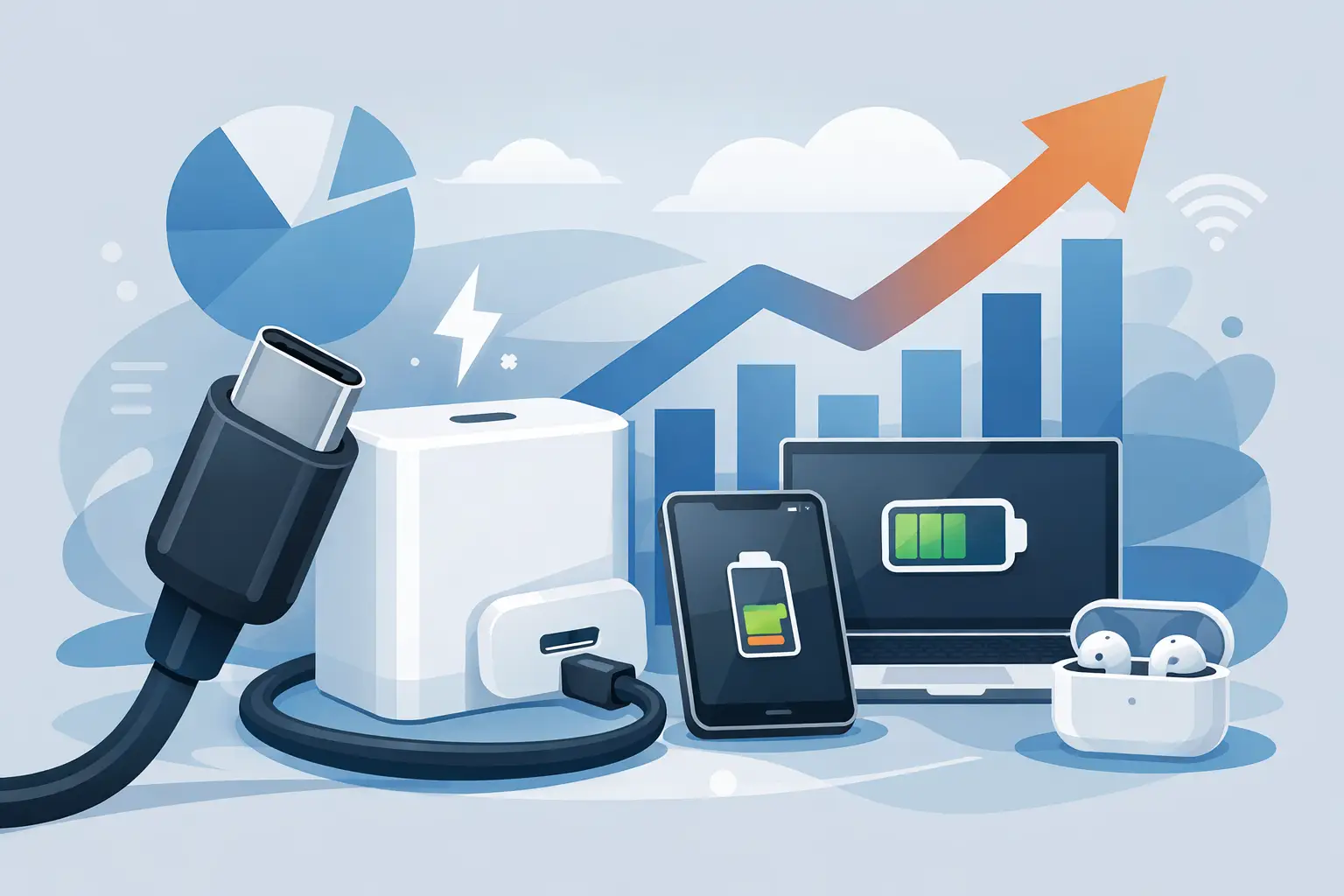
USB C Charging Trends Businesses Should Track
Jun 12, 2026
USB C charging trends are reshaping public, workplace, and event charging. See what matters for compatibility, speed, safety, and ROI.
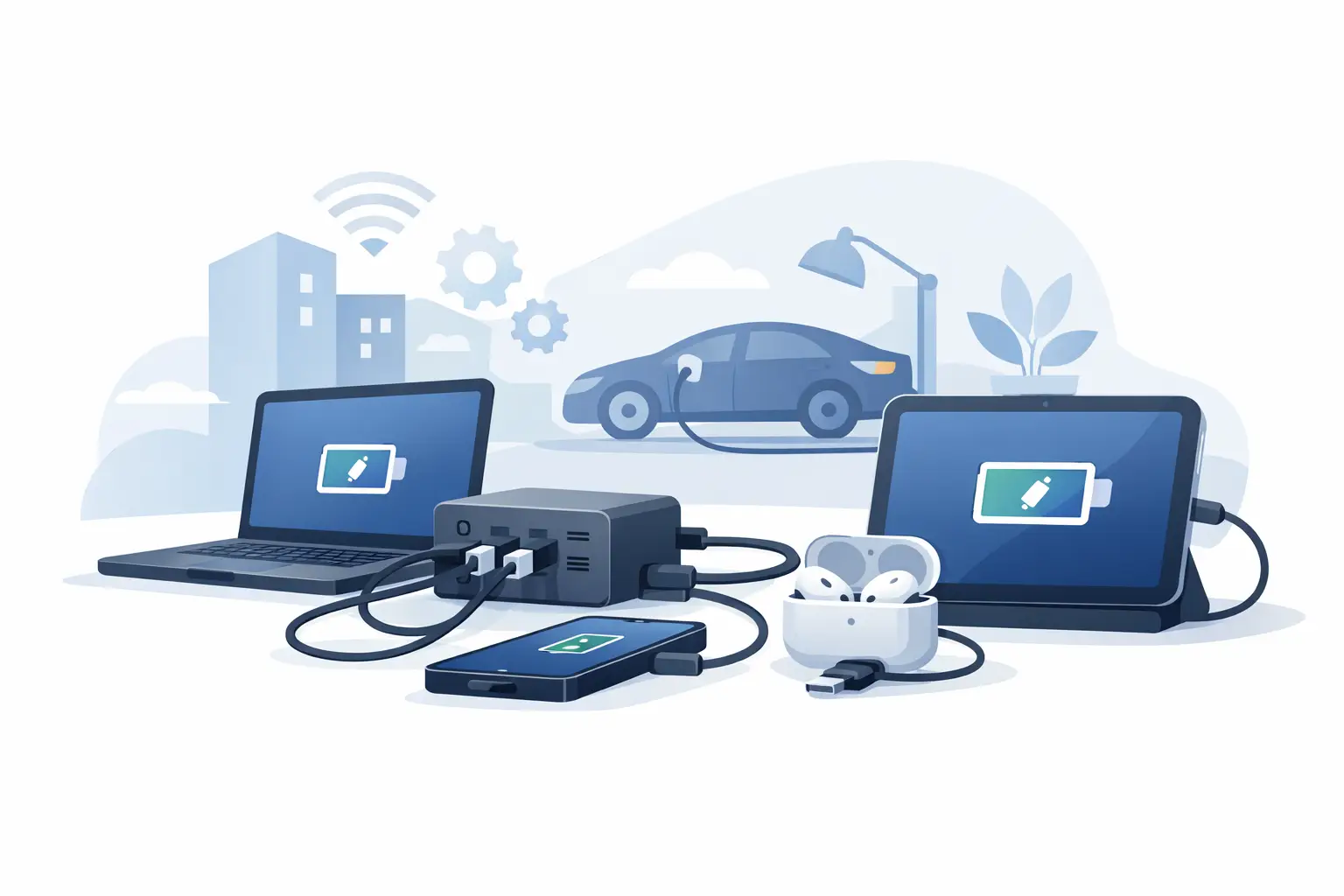
USB C Charging Station Commercial Guide
Jun 09, 2026
A practical look at usb c charging station commercial options, including use cases, power, security, placement, pricing, and ROI for busy venues.
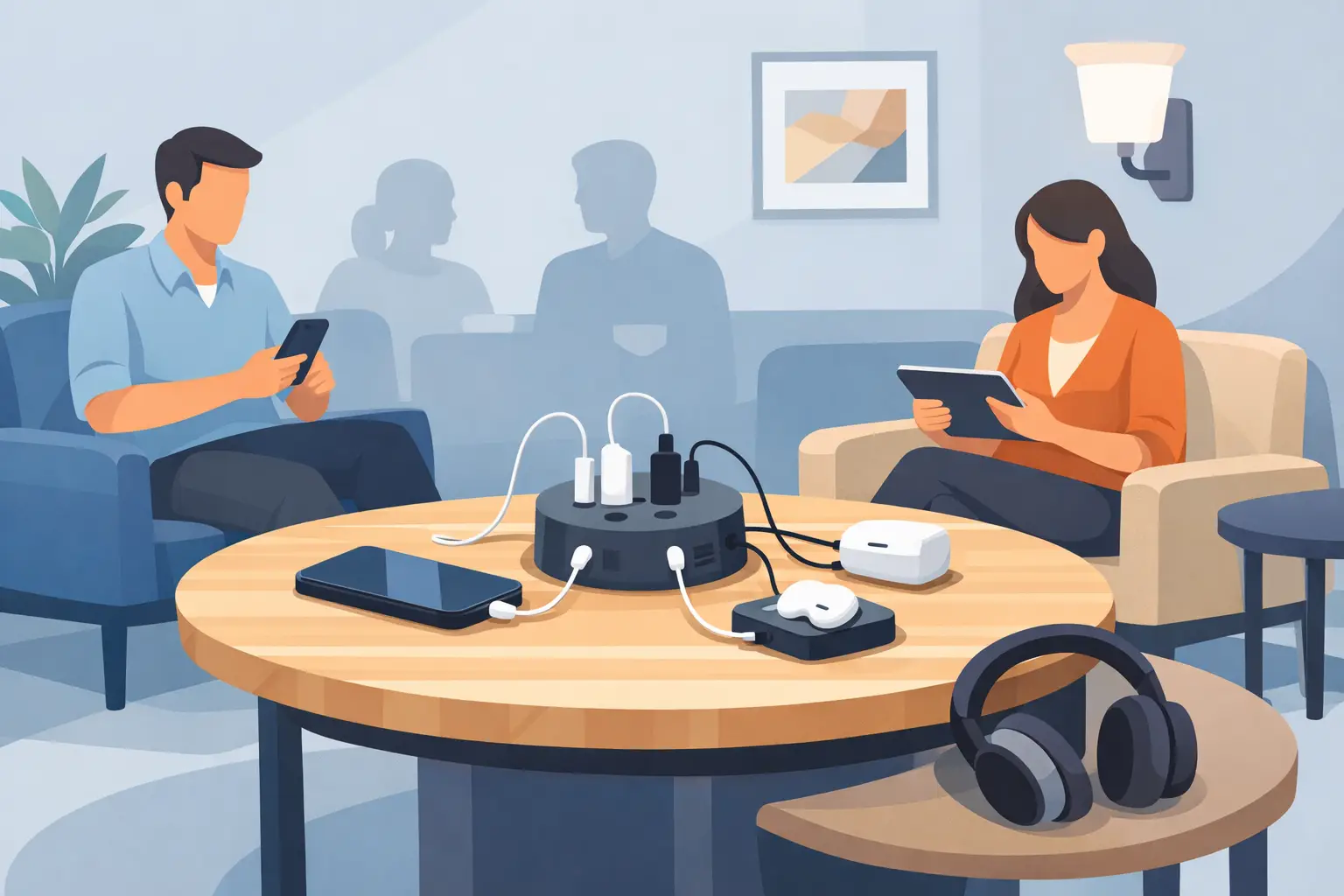
Charging Table for Waiting Room Buyers
Jun 08, 2026
A charging table for waiting room spaces keeps guests powered, improves dwell time, and adds convenience without adding operational friction.

What a Custom Charging Kiosk Wrap Should Do
Jun 07, 2026
A custom charging kiosk wrap should attract attention, fit the venue, and support ROI. Learn what to include and what to avoid.
Branded Charging Station for Events That Works
Jun 06, 2026
A branded charging station for events keeps guests powered, boosts dwell time, supports sponsors, and adds measurable value to the event floor.
Conference Charging Locker Rental That Works
Jun 05, 2026
Conference charging locker rental keeps attendees powered, secure, and engaged while creating smoother events, stronger sponsor value, and revenue.
Trade Show Phone Charging Station Guide
Jun 04, 2026
A trade show phone charging station can boost booth traffic, dwell time, and leads while reducing attendee battery stress and improving event ROI.
Event Charging Station Rental That Works
Jun 03, 2026
Event charging station rental keeps guests powered, engaged, and on site longer. Learn what to rent, what to ask, and how to avoid event-day issues.

Free Phone Charging Station Retail ROI
Jun 02, 2026
See how free phone charging station retail setups increase dwell time, improve customer experience, and support smarter in-store traffic flow.
Charging Kiosk With Payment System: Worth It?
Jun 01, 2026
A charging kiosk with payment system can add revenue, improve guest experience, and extend dwell time. Here's how to choose the right setup.
Pay Per Use Charging Station ROI Explained
May 31, 2026
Learn how a pay per use charging station creates revenue, improves visitor experience, and fits retail, events, offices, and public venues.
Power Bank Rental Station Buyer’s Guide
May 30, 2026
A power bank rental station helps venues keep guests charged, boost dwell time, and create revenue with flexible, low-friction charging access.
Choosing a Laptop Charging Locker Cabinet
May 29, 2026
Learn how to choose a laptop charging locker cabinet for offices, schools, events, and venues with the right mix of security, power, and ROI.

Tablet Charging Locker for Schools: What Matters
May 28, 2026
A tablet charging locker for schools improves device security, charging access, and classroom readiness. Here’s what buyers should evaluate.
Secure Phone Charging Locker Buying Guide
May 27, 2026
Choose a secure phone charging locker that protects devices, improves guest experience, and fits your space, budget, and usage model.
Phone Charging Station for Business ROI
May 26, 2026
A phone charging station for business can boost dwell time, improve customer experience, and create revenue when matched to the right space.

How to make your phone battery last longer
Mar 20, 2025
It’s no secret that some smartphones have more powerful and longer lasting batteries than others. However, no matter how powerful the battery or how energy efficient your phone is, there are a number of apps and settings that will drain your battery faster. Identifying these apps and settings will help you keep usage to a […]

Phone Batteries – The Best and The Worst
Mar 29, 2017
When buying a new smartphone, there are a number of factors you will consider. From the brand and price, to the operating system, and other features like the camera. No matter what kind of phone you choose or the reason behind your purchase, one thing is for sure – you want the battery to last […]
What is USB-C and why is it important?
Mar 15, 2017
By now, you may have heard people talking about USB type C or perhaps you have even tried it out yourself. Either way, many experts agree that this is the future of USB ports and cables. What many people may not realize is that this particular type of connection is significantly different from older types […]