How to Install Charging Lockers Safely at Work
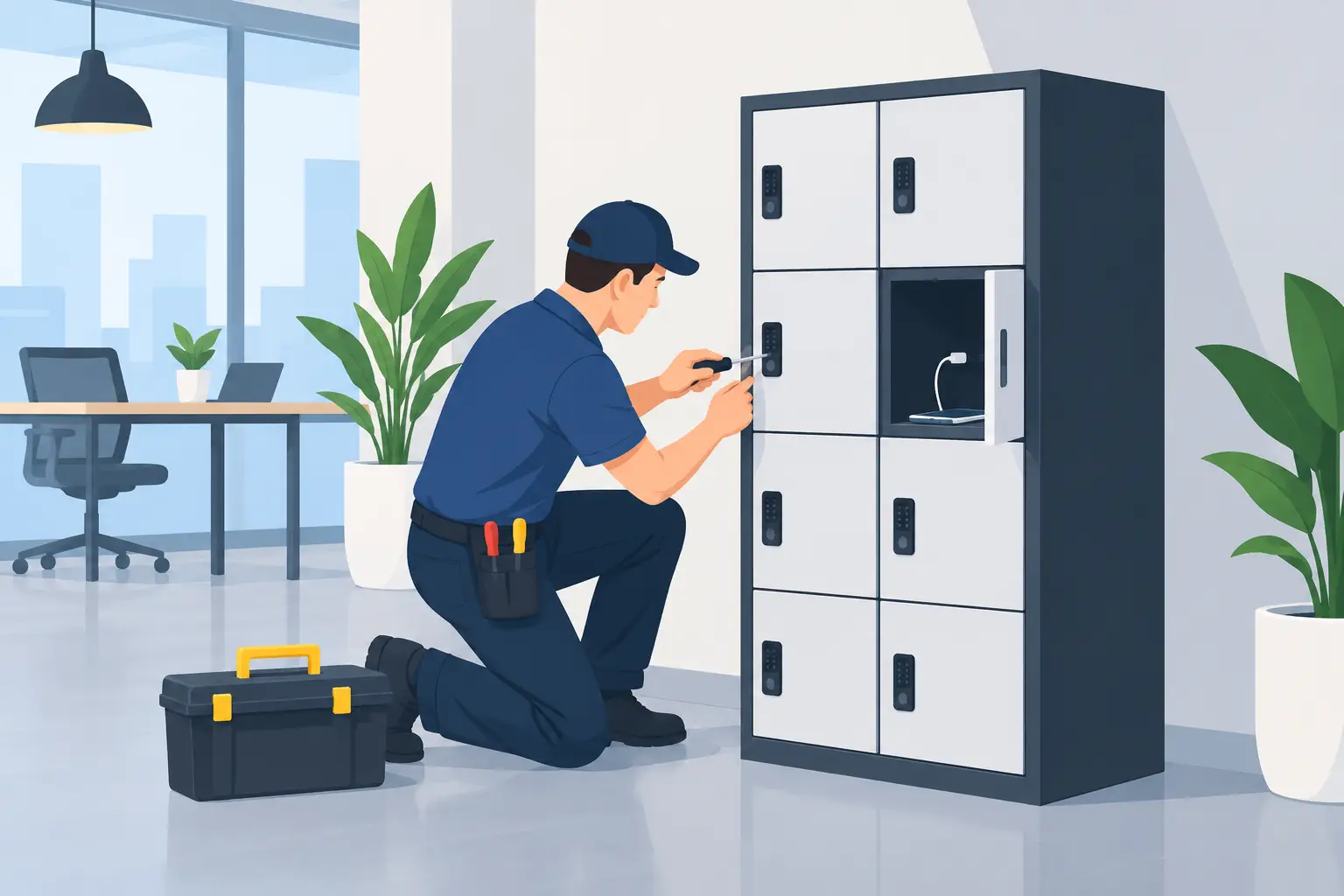
Safe installation starts before the delivery arrives
A charging locker can solve a very visible problem: visitors, employees, students, or event attendees with low batteries and nowhere secure to charge. But to install charging lockers safely, the work begins with the site plan, not the power cord. A locker placed in the wrong location, connected to an overloaded circuit, or left unsecured can create operational headaches that undercut the convenience it is meant to provide.
For facility managers and venue operators, the objective is straightforward. Give people a dependable place to leave devices charging while protecting the equipment, the building, and the user experience. That calls for a practical review of power, placement, anchoring, accessibility, and day-to-day management.
Start with the use case and the location
The best installation location depends on who will use the lockers and how long they are likely to stay. An office may place lockers near a break room or reception area. A convention center may use them near registration, session rooms, or a high-traffic corridor. Retailers often benefit from a location that encourages customers to stay in the store without blocking merchandise or checkout flow.
Choose a visible, well-lit area where users feel comfortable leaving valuable devices. Visibility discourages tampering and makes it easier for staff to notice a locker door that has been left open or a station that needs attention. At the same time, avoid creating a bottleneck. A bank of open locker doors should not interfere with exits, stairs, elevator lobbies, or the normal path of travel.
Think about supervision as part of the location decision. A locker wall within sight of a front desk, security post, or staffed service counter is generally easier to manage than one in an isolated hallway. If the site operates around the clock, determine who can respond if a user needs assistance after normal business hours.
Keep the environment dry, clean, and temperate
Charging equipment belongs indoors unless the model is specifically designed and rated for outdoor installation. Keep lockers away from sinks, drink stations, wet entrances, pools, food-prep areas, and locations where cleaning crews regularly spray or hose down surfaces. Moisture, dust, and heat shorten equipment life and introduce avoidable safety concerns.
Do not place lockers directly beside radiators, HVAC discharge points, or equipment that produces sustained heat. Electronics need reasonable airflow, and users may charge devices that are already warm from heavy use. Leave the clearances specified in the product documentation rather than pressing the unit tightly between walls, furniture, or displays.
Confirm electrical capacity before installation
A charging locker may look simple from the outside, but it is still an electrical load. The correct power plan depends on the number of compartments, the types of devices being charged, the charging output, and whether the locker includes added features such as a display, payment terminal, or networked monitoring.
Before committing to a location, have a qualified electrician review the available circuit and the building’s electrical capacity. The electrician should verify that the receptacle, circuit protection, grounding, and installation method meet applicable local codes. This is especially important in older buildings, temporary event spaces, and facilities where outlets already support refrigerators, AV systems, vending equipment, or cleaning equipment.
Avoid relying on extension cords or power strips as a permanent solution. They can create trip hazards, become disconnected, and make it harder to identify whether the locker is receiving safe, consistent power. A dedicated or appropriately shared wall outlet near the installation point is the cleaner long-term approach.
Where required by code or appropriate for the location, use the proper ground-fault protection. Requirements can vary by jurisdiction and environment, so this is a decision for the electrician and local authority, not a guess made on installation day.
Plan for current and future devices
Users now arrive with USB-C phones, tablets, laptops, radios, scanners, and other rechargeable equipment. Select a locker configuration that supports the devices your audience actually carries. For an employee deployment, that might mean larger bays and higher-output charging for laptops. For an arena or retail setting, phone-focused compartments may deliver more capacity in the same footprint.
Do not assume every device will draw the same amount of power. A facility charging dozens of phones has a different demand profile than a locker program supporting work laptops. Reviewing the intended device mix upfront helps prevent undersized equipment and avoids a costly relocation later.
Anchor the unit and manage every cable
A charging locker should be stable before anyone places a phone inside it. Freestanding units may require anchoring to a wall or floor, particularly in high-traffic public venues, schools, transportation settings, and areas where a unit could be bumped by carts or crowd movement. Follow the manufacturer’s mounting instructions and use hardware suitable for the wall or floor construction.
Anchoring is not only about preventing tip-over risk. It also protects the investment by making removal more difficult and keeping the unit aligned so doors open and close properly. If the installation involves a leased space, confirm landlord approval before drilling or mounting equipment.
Cable management deserves the same attention. Internal cables should be routed as designed, with strain relief where specified, and should not be pinched by locker doors. External cords should be kept short, protected, and out of walkways. If wiring must cross a path temporarily during an event, use a purpose-built floor cable cover and remove it as soon as the deployment ends.
Build security into the operating plan
A lockable door is a major benefit, but the locker program still needs clear rules. Decide whether users access compartments with keys, PINs, digital credentials, timed rentals, or staff assistance. The right choice depends on the traffic volume, the value of items being charged, and how much staff involvement the venue can support.
For public-facing lockers, display concise instructions: how to start a charging session, how to retrieve a device, what to do if a door does not open, and who to contact for help. Include reasonable time limits when demand is high. A locker that becomes long-term storage will not deliver the access and dwell-time benefits the program was intended to create.
At ChargeBar, secure charging configurations can support both customer convenience and commercial goals, including free-use and pay-per-use programs. Whichever model you choose, make sure the payment flow or access method is tested before opening the station to the public.
Test the installation before launch
Do not treat delivery day as launch day. Once the lockers are powered, mounted, and connected, test every compartment with representative devices and cables. Confirm that doors latch reliably, locks release correctly, charge indicators behave as expected, and instructions are easy to follow.
A useful pre-launch check includes these five items:
- Verify that the unit is level, anchored, and free from sharp edges or loose hardware.
- Confirm the circuit remains stable while multiple compartments are charging.
- Test charging with the device types your users are most likely to bring.
- Check that doors, locks, PINs, keys, or payment functions work consistently.
- Make sure contact information and operating instructions are visible and accurate.
Have staff try the experience without coaching. If they struggle to understand how to open a compartment or retrieve a device, visitors will too. Small changes to signage, placement, or staff procedures can make the installation feel much more reliable.
Maintain lockers as part of facility operations
Charging lockers are not a set-it-and-forget-it amenity. Build a simple inspection schedule into regular facilities work. Staff should look for damaged cables, loose mounting hardware, debris inside compartments, malfunctioning locks, blocked ventilation openings, and signs of misuse.
The frequency depends on traffic. A busy airport lounge, event venue, or trade show may need checks several times per day. A controlled office environment may only require a weekly visual inspection and periodic functional testing. Keep a record of issues and repairs, particularly if the lockers support company-owned tablets, scanners, or laptops.
If a cable is frayed, a compartment is damaged, or a unit shows unusual heat, take that section out of service until it has been inspected and repaired. Continuing to operate compromised equipment is rarely worth the risk or the customer frustration.
A well-installed charging locker does more than add outlets to a room. It gives people a reason to stay, work, shop, or participate without watching their battery percentage fall. When placement, power, security, and maintenance are handled with care, the amenity stays useful long after the first charge.
Related posts
How to Install Charging Lockers Safely at Work
Oct 05, 2026
Learn how to install charging lockers safely with practical placement, power, security, and maintenance guidance for workplaces and public venues every.
Commercial Charging Locker Review for Buyers
Oct 03, 2026
A commercial charging locker review for buyers comparing security, charging speed, payment options, capacity, and long-term operating value at venues.

How to Manage Shared Devices Without the Chaos
Oct 01, 2026
Learn how to manage shared devices with clear ownership, secure charging, simple checkout rules, and reporting that keeps teams productive every shift.
Charging Station Maintenance That Protects Uptime
Sep 29, 2026
Charging station maintenance protects uptime, revenue, and user trust with practical inspections, cleaning, cable care, and payment system checks weekly.
Charging Locker System Review for Busy Venues
Sep 27, 2026
Read this charging locker system review to compare security, charging speed, payment options, and ROI for events, offices, retail, and venues nationwide.
Lockers Versus Powerbanks: Which Fits Your Space?
Sep 25, 2026
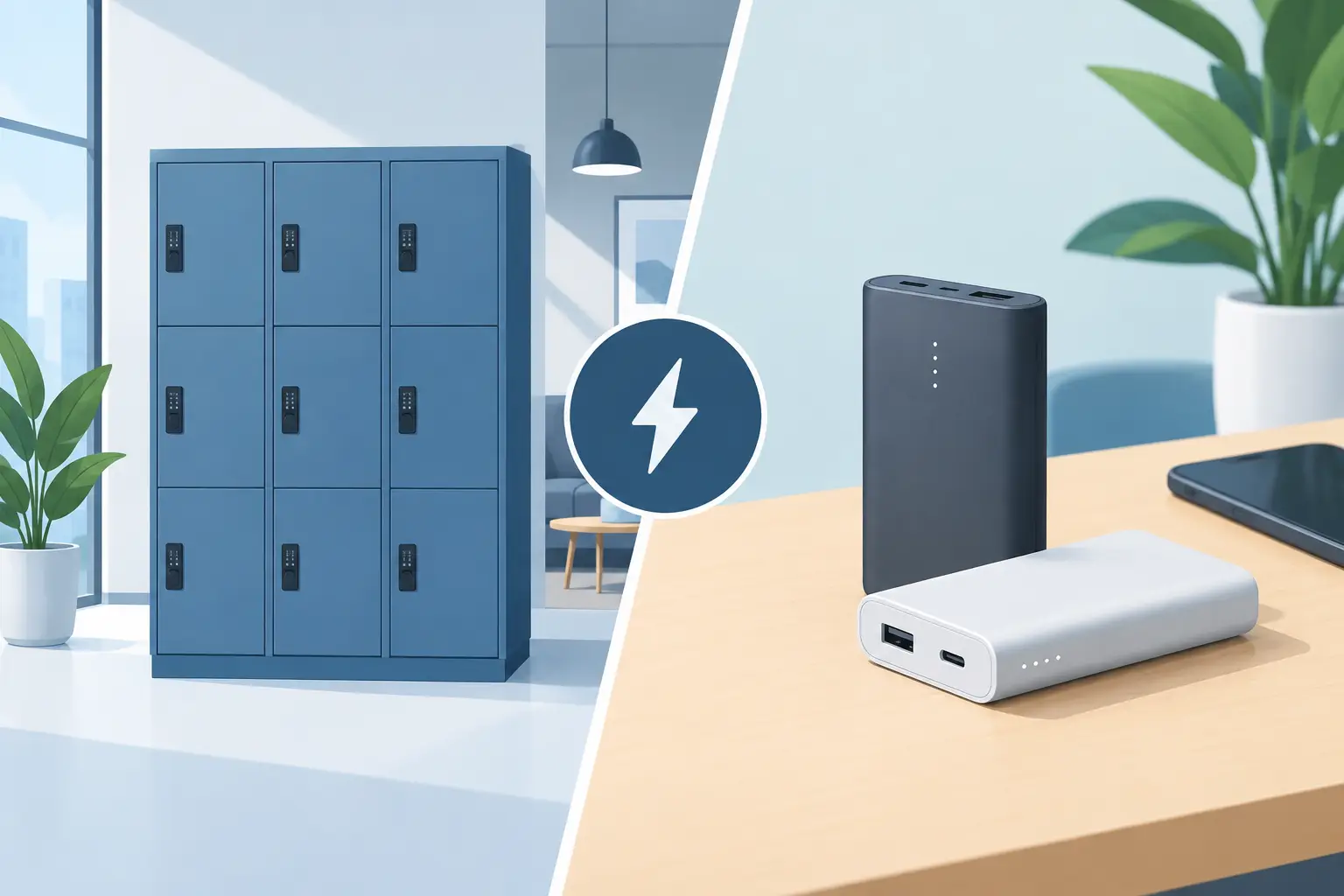
Lockers versus powerbanks: compare security, dwell time, staffing, revenue, and deployment needs to choose the right charging amenity for your venue today.
Public Device Charging Trends for Venues
Sep 23, 2026
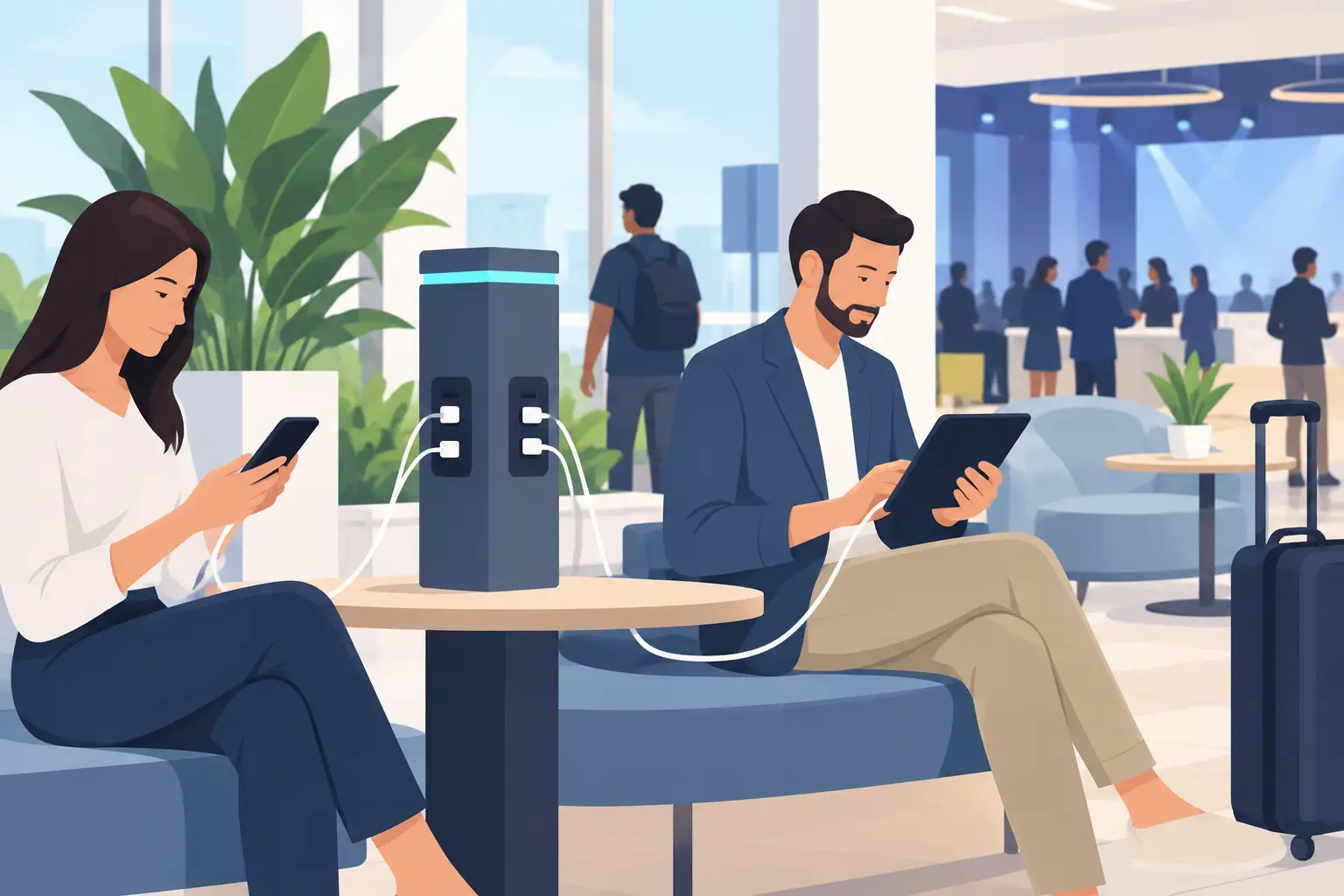
Public device charging trends are reshaping venues, events, and workplaces with secure USB-C access, locker charging, and revenue-ready options for guests.
How to Create Branded Power Bank Docks That Sell
Sep 21, 2026
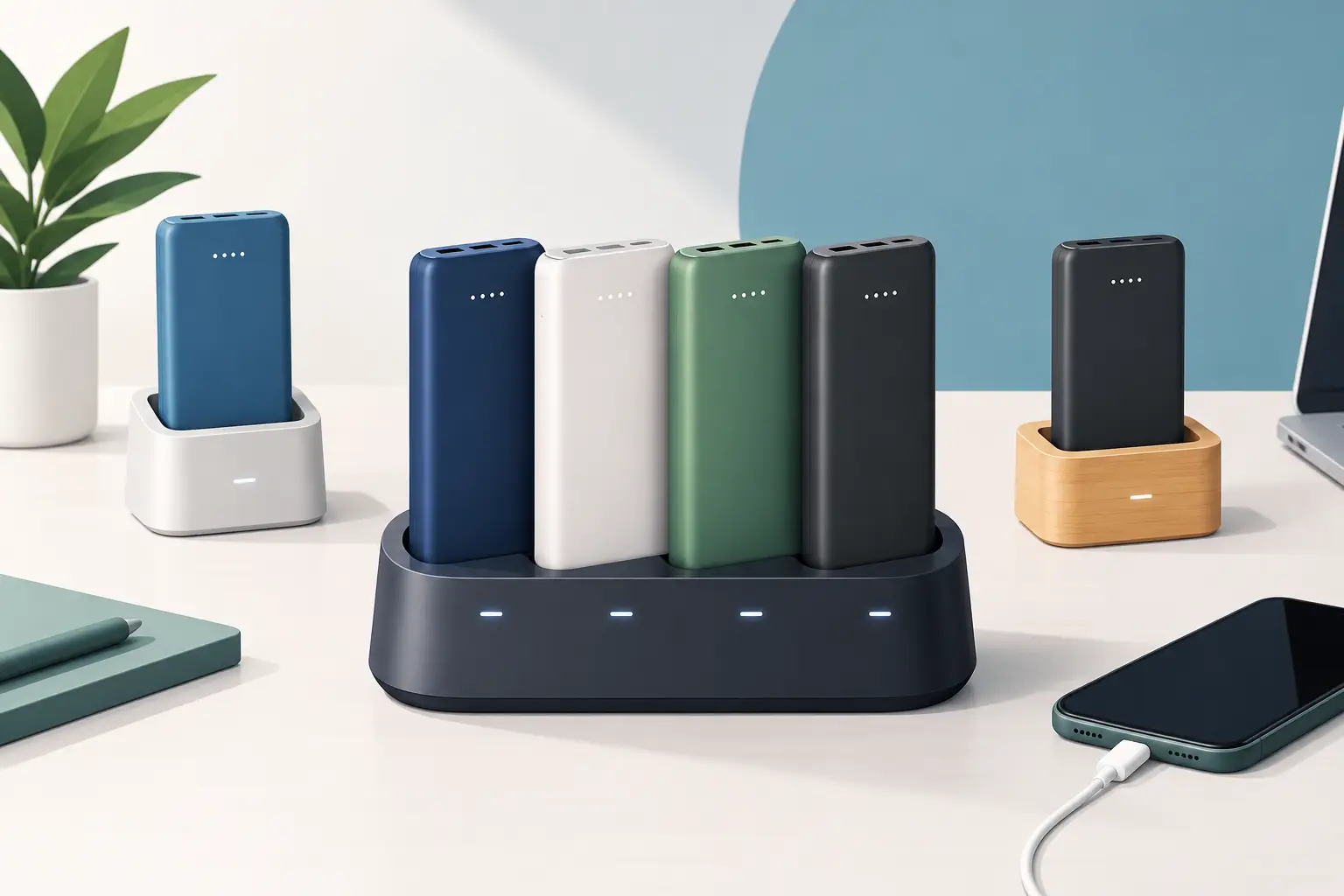
Learn how to create branded power bank docks that keep visitors engaged, strengthen your brand, and support free or paid charging programs on-site daily.
Locker Deployment Example for Busy Venues
Sep 19, 2026
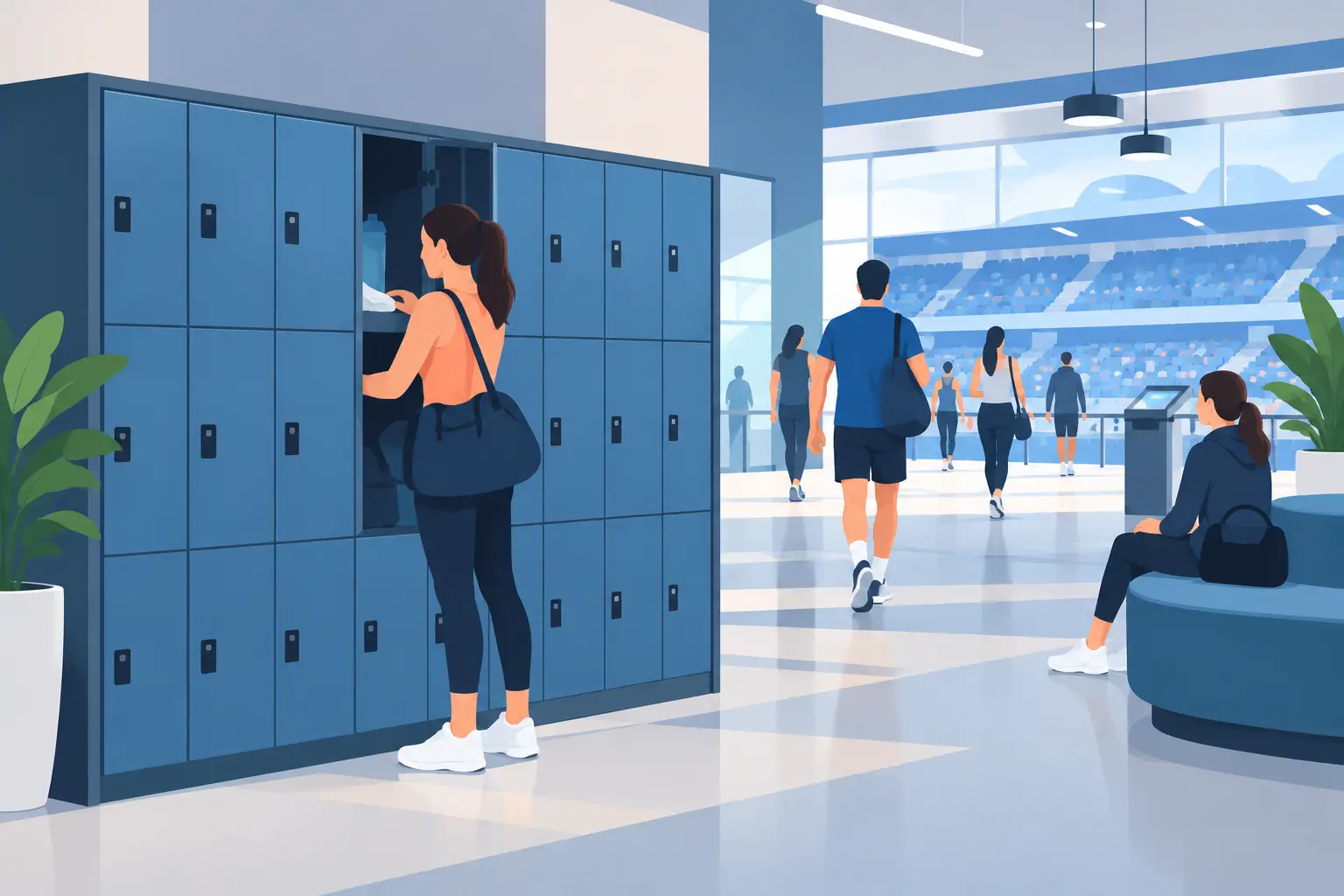
See a locker deployment example that helps venues provide secure phone charging, reduce low-battery stress, and create a practical revenue option for guests.
Hotel Charging That Keeps Guests On Property
Sep 17, 2026
Hotel charging gives guests a secure place to power phones and laptops, extend their stay, and create new hospitality revenue opportunities on site daily.
How to Add Phone Charging to Your Business
Sep 15, 2026
Learn how to add phone charging to your business with secure, scalable stations that improve guest experience, dwell time, and revenue potential daily.
Best Secure Tablet Storage for Shared Devices
Sep 13, 2026
Find the best secure tablet storage for shared devices, events, offices, and public spaces with charging, access control, and room to scale confidently.

Power Bank Docking Review for Busy Venues
Sep 11, 2026
Use this power bank docking review to compare charging speed, security, payment options, branding, and operating costs before committing to deployment.

Charging Locker Procurement That Pays Off
Sep 09, 2026
Make charging locker procurement simpler with a practical plan for capacity, security, payment options, deployment, and long-term operating daily value.
Phone Charging Station Leasing for Businesses
Sep 08, 2026
Phone charging station leasing gives businesses a flexible way to add secure, branded charging while protecting cash flow and creating new revenue streams

Multi Device Charging Cabinets for Busy Venues
Sep 06, 2026
Multi device charging cabinets give visitors secure power, help staff manage shared devices, and create a practical amenity or revenue stream for venues.
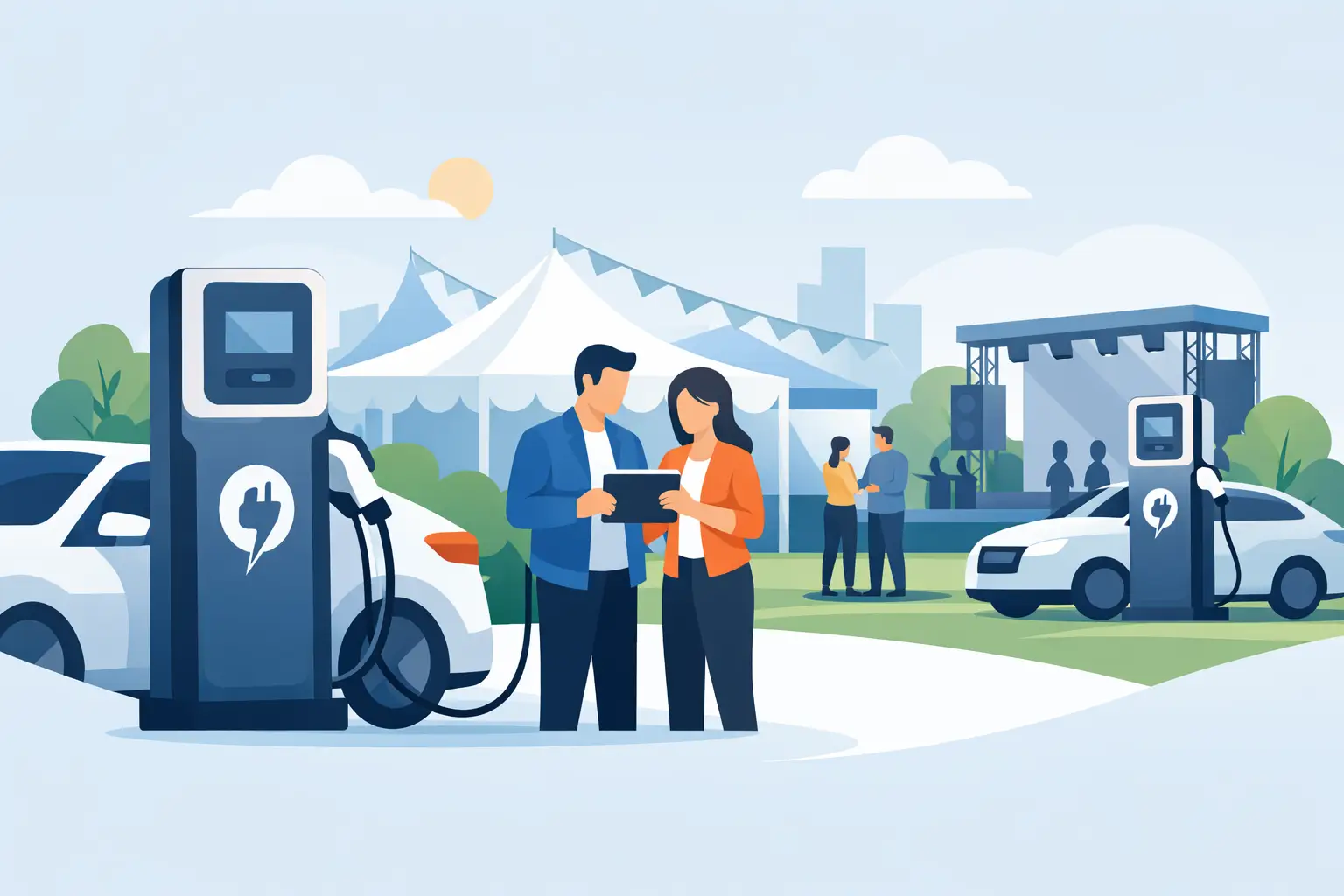
How to Rent Charging Stations for Your Event
Sep 04, 2026
Learn how to rent charging stations for events, offices, and venues, from choosing secure formats to planning power, branding, delivery, and ROI needs.
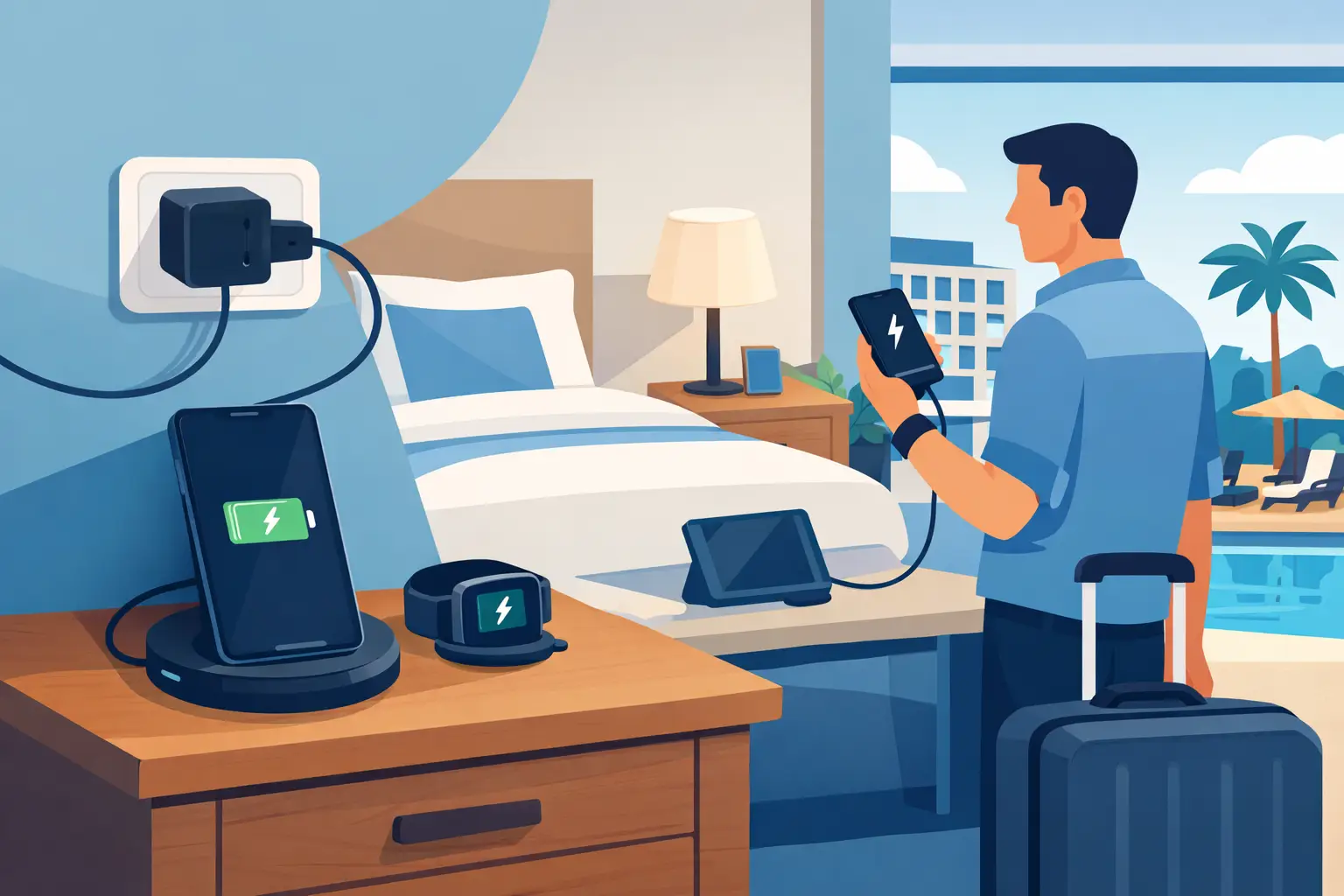
Best Phone Charging for Hotels and Their Guests
Sep 02, 2026
Find the best phone charging for hotels with secure, guest-ready options that improve stays, support staff, and create new revenue opportunities on property.
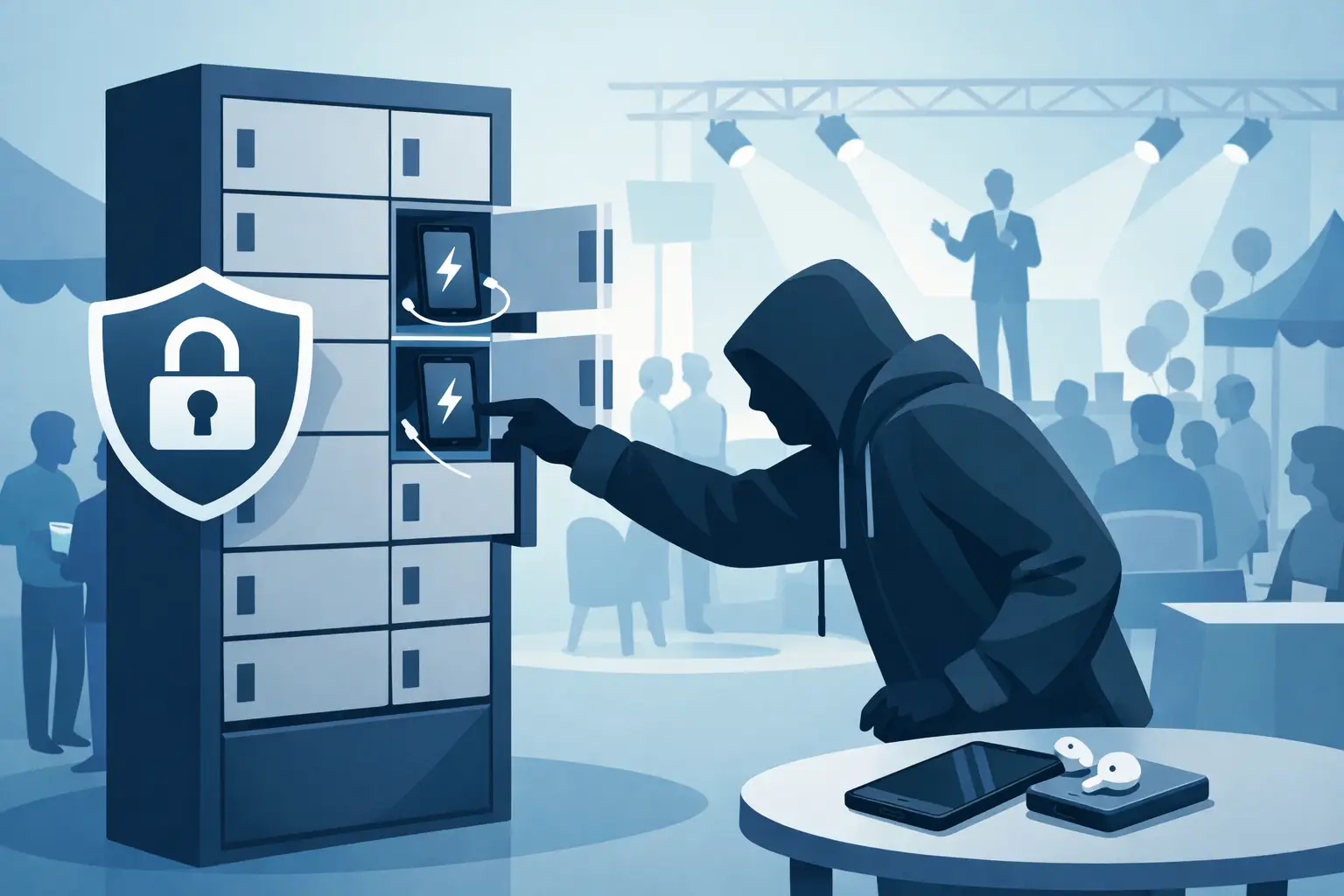
Do Charging Lockers Prevent Theft at Events?
Aug 31, 2026
Do charging lockers prevent theft? Learn how lockable charging stations protect devices, reduce staff burden, and improve visitor confidence on site daily.
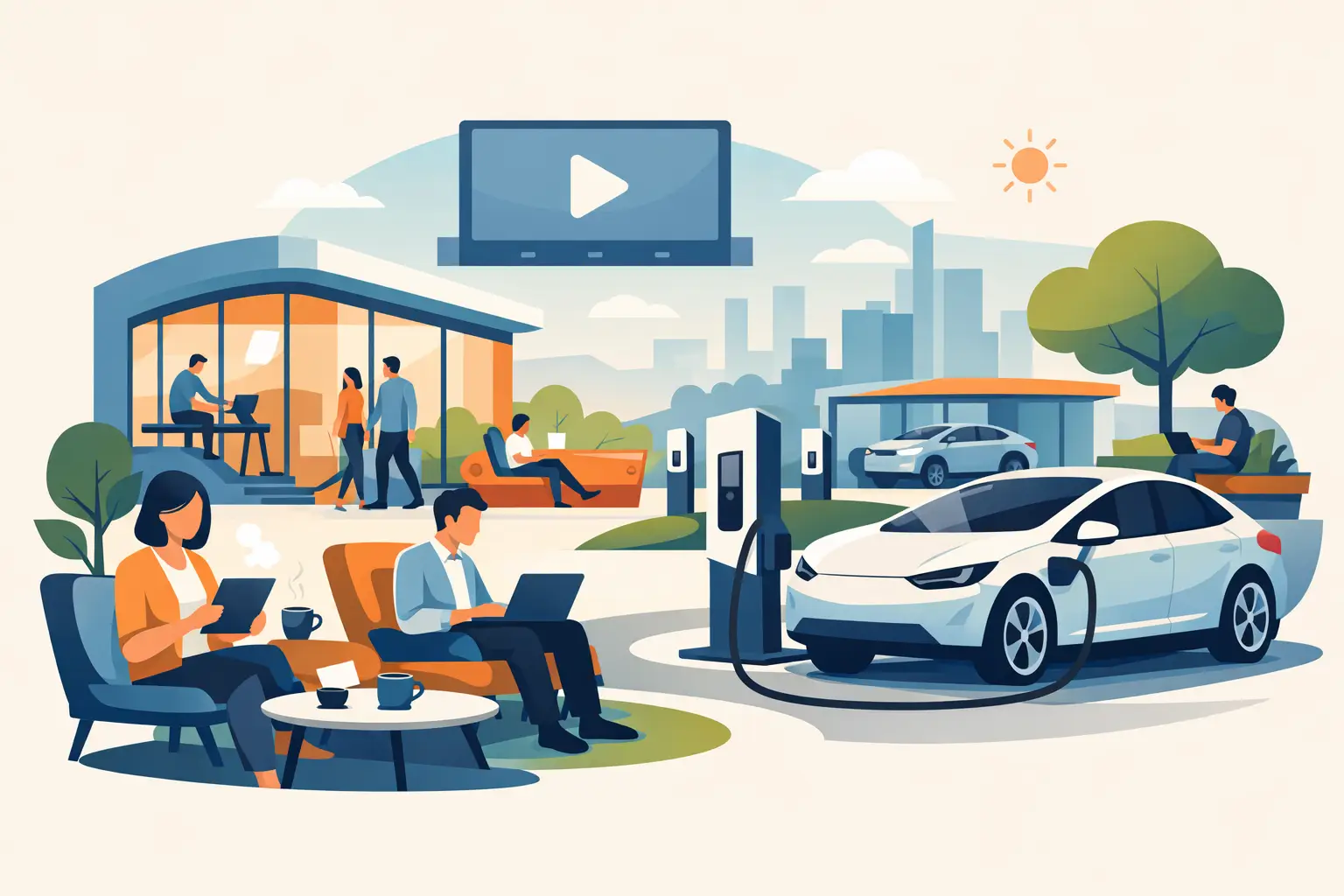
The Future of Public Charging Is Built for Dwell Time
Aug 29, 2026
The future of public charging will reward venues that pair fast, secure power with payment flexibility, strong uptime, and better visitor experiences.

How to Deploy Phone Charging Furniture Well
Aug 27, 2026
Learn how to deploy phone charging furniture in high-traffic spaces, from selecting locations and power to security, branding, pricing, and daily upkeep.
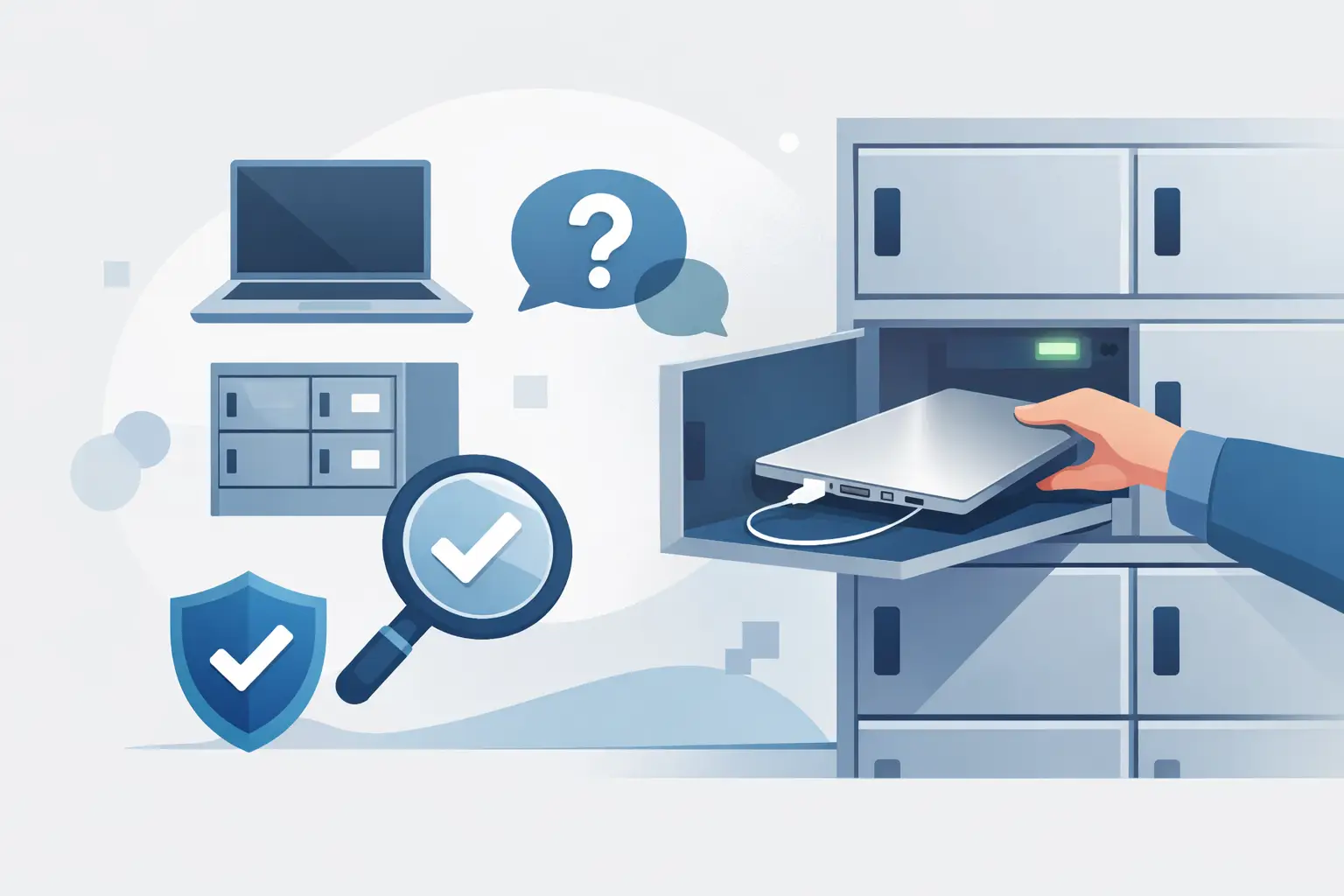
Can Charging Lockers Fit Laptops? What to Check
Aug 25, 2026
Can charging lockers fit laptops? Learn which locker dimensions, outlets, cables, and power limits support secure laptop charging at work and events today.
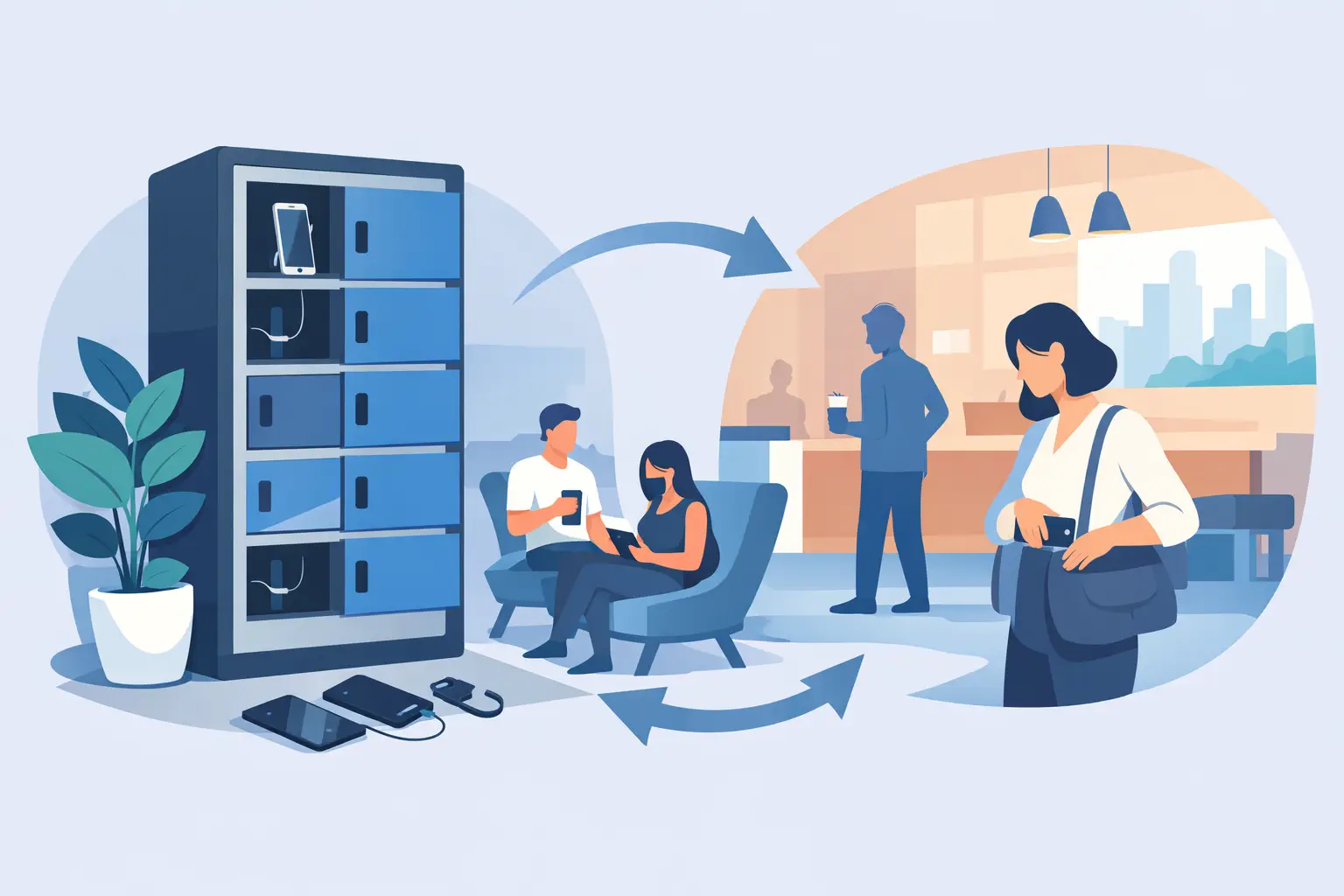
How to Lease Charging Lockers for Your Venue
Aug 23, 2026
Learn how to lease charging lockers with the right term, payment model, security features, and deployment plan for each location.
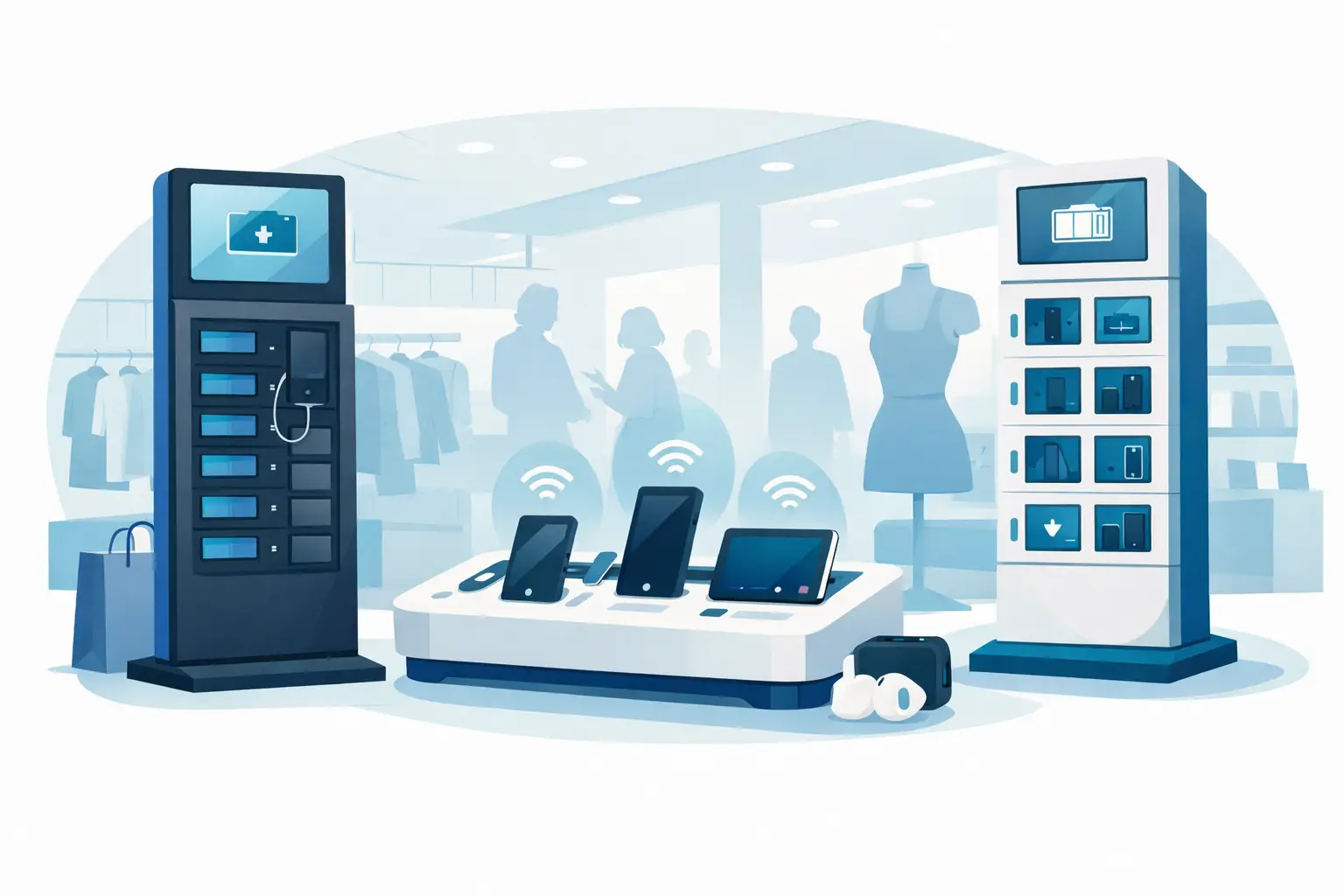
Best Charging Kiosks for Retail Stores Compared
Aug 21, 2026
Compare the best charging kiosks for retail to increase dwell time, protect customer devices, support modern USB-C needs, and create new revenue safely.
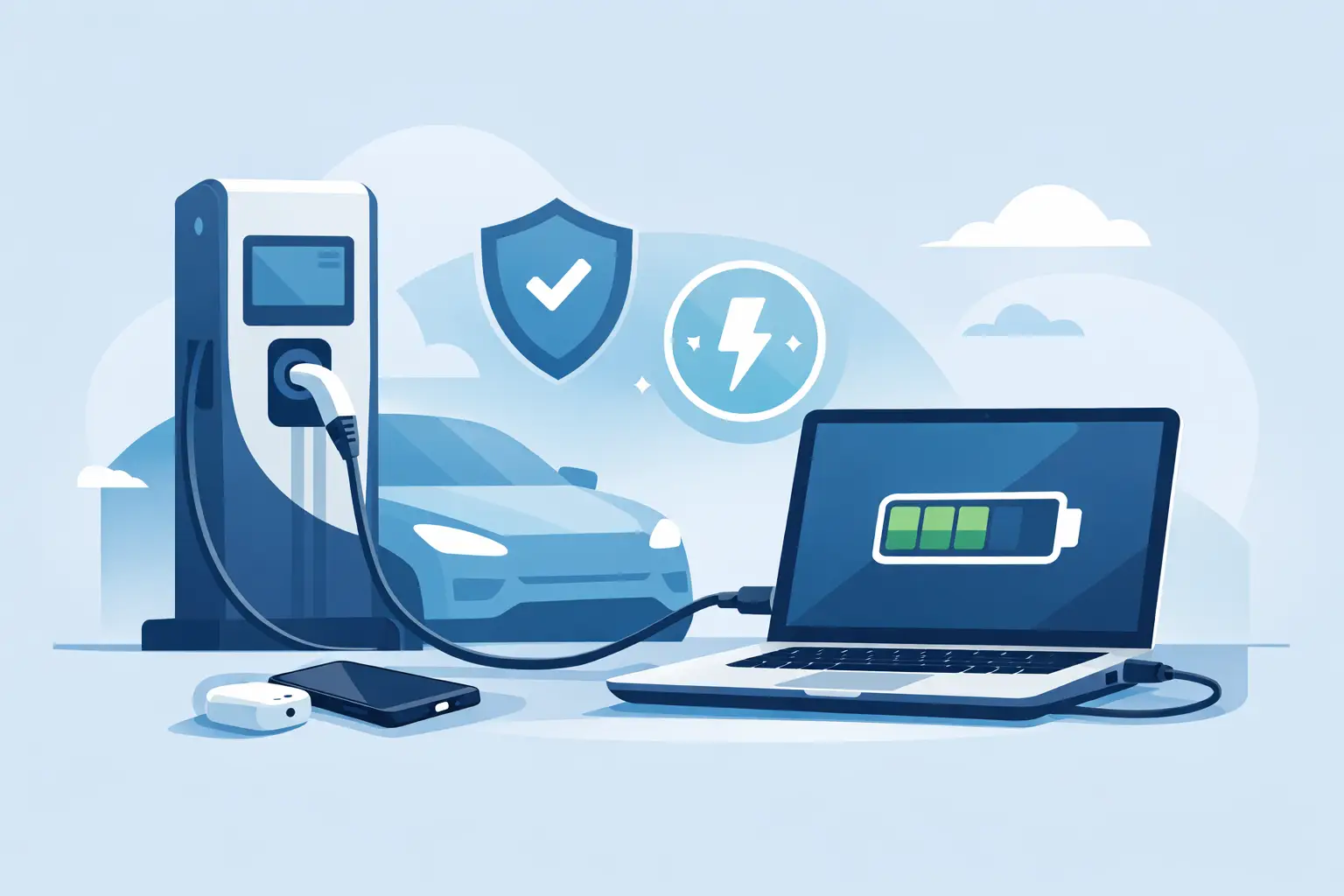
Can Charging Stations Charge Laptops Safely?
Aug 19, 2026
Can charging stations charge laptops? Learn which ports, wattages, and safety features businesses need to provide laptop power for visitors and staff.
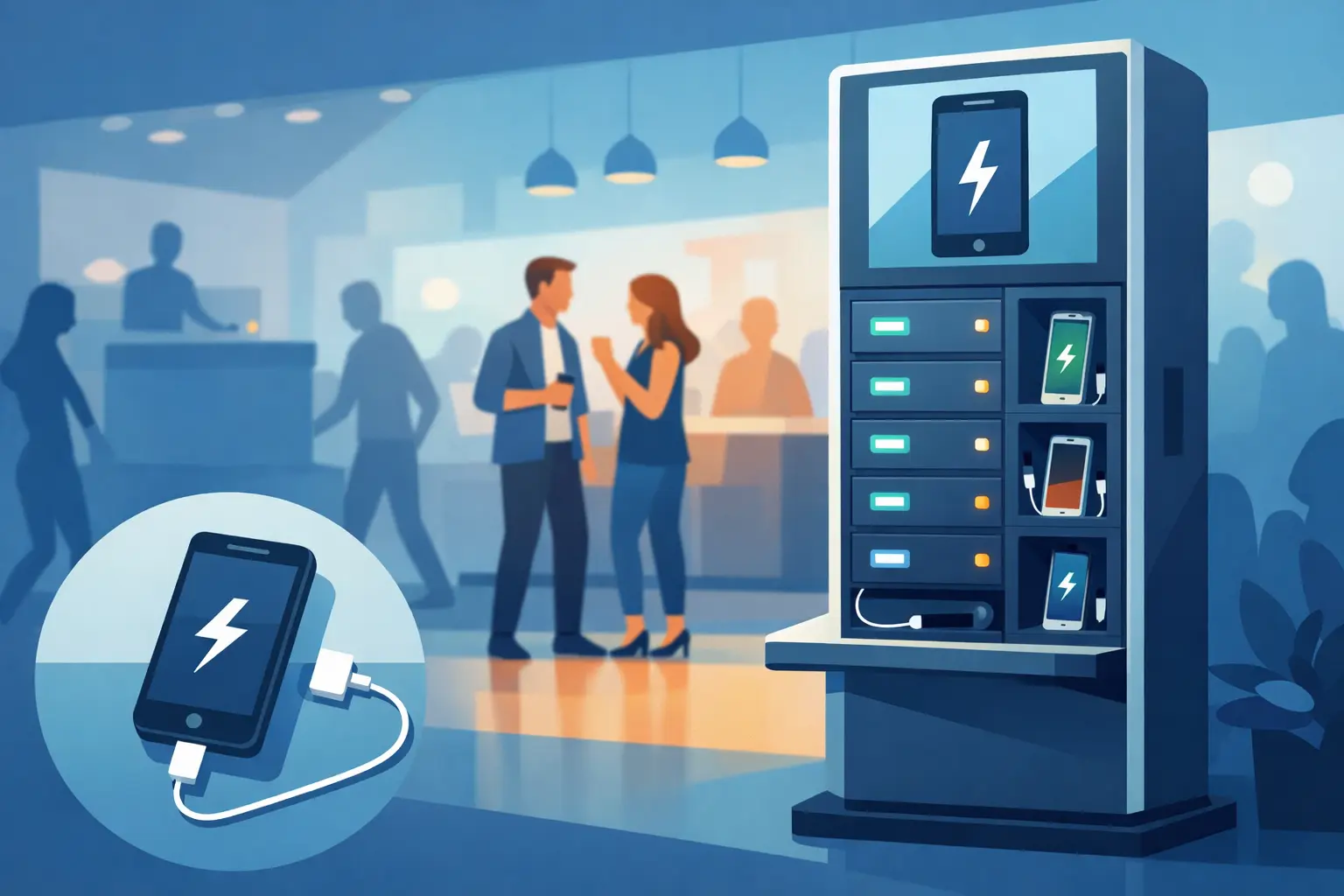
Emergency Phone Charger Kiosk for Busy Venues
Aug 17, 2026
An emergency phone charger kiosk keeps guests connected, extends dwell time, and can turn charging access into a secure revenue opportunity for your venue today.

Fleet Device Charging Management That Works
Aug 15, 2026
Fleet device charging management keeps phones, tablets, and laptops ready, secure, and accounted for across every shift, site, and deployment without delays daily.
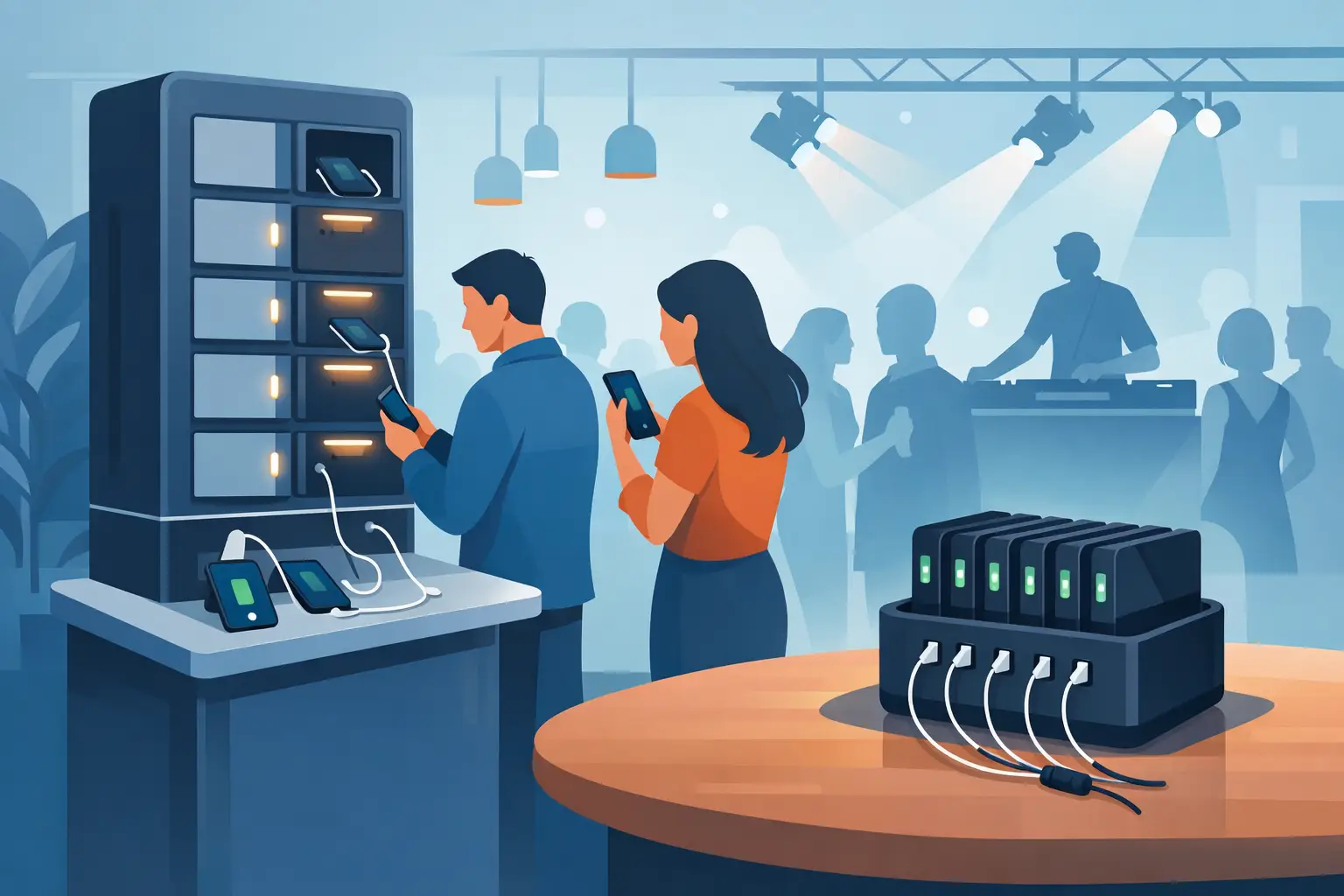
Best Event Phone Charging Rentals for Busy Venues
Aug 13, 2026
Find the best event phone charging rentals for secure, fast, branded power that keeps attendees engaged, extends dwell time, and can create event revenue.
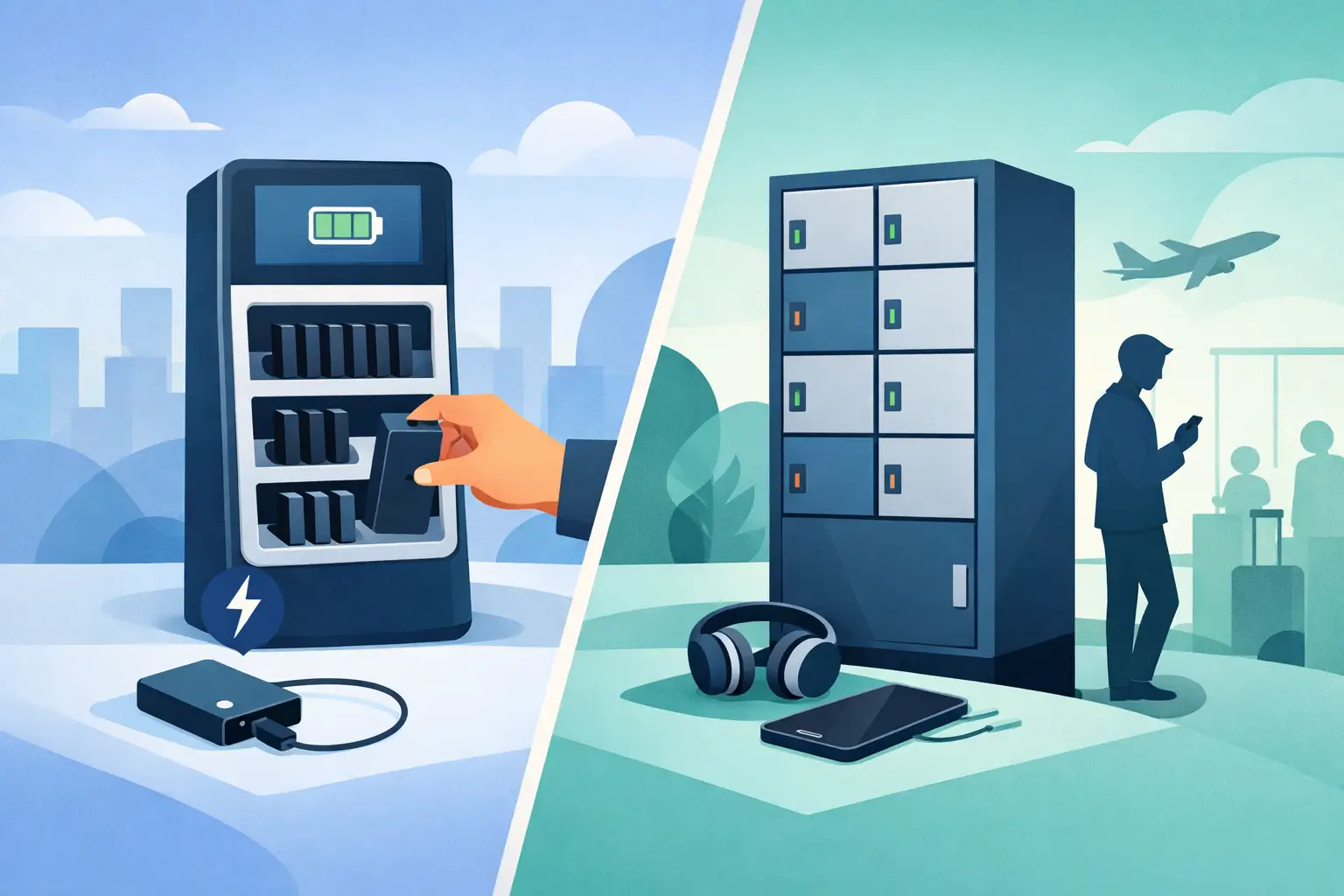
Power Bank Rental vs Lockers: Which Fits?
Aug 11, 2026
Compare power bank rental vs lockers to choose the right charging solution for your venue, event, or workplace and improve guest experience and ROI today.
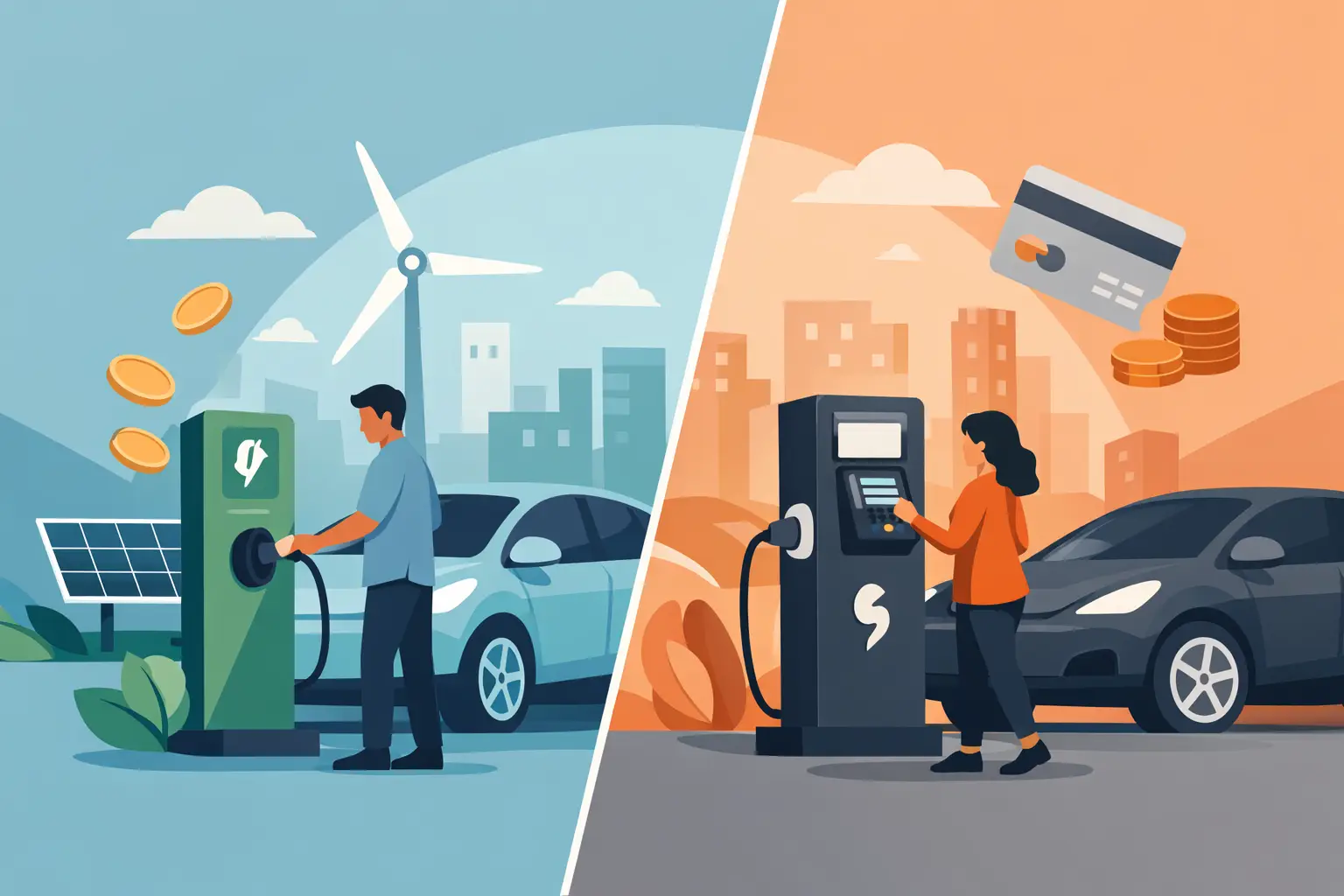
Free Charging vs Paid Charging: Which Works?
Aug 09, 2026
Free charging vs paid charging can improve visitor experience or create revenue. Learn how to choose the right model for your venue, event, or workplace.
Secure Device Charging Guide for Businesses
Aug 07, 2026
Use this secure device charging guide to protect phones, tablets, and laptops while providing reliable, convenient power for every guest at your venue.

Charging Station Leasing Guide for Businesses
Aug 04, 2026
Use this charging station leasing guide to compare terms, station types, payment options, and ROI before adding secure device charging to your space today.
Laptop Charging Kiosk for Libraries That Works
Aug 03, 2026
Choose a laptop charging kiosk for libraries with secure storage, laptop-ready power, simple access, and a funding model that fits your space reliably.
Power Banks vs Fixed Chargers for Venues
Aug 01, 2026
Compare power banks vs fixed chargers for events, venues, and workplaces. Choose secure charging that improves guest experience, uptime, and revenue onsite.
Why Offer Free Device Charging at Your Venue?
Jul 29, 2026
Why offer free device charging? Learn how it keeps visitors engaged, strengthens your brand, supports operations, and can create new revenue opportunities.
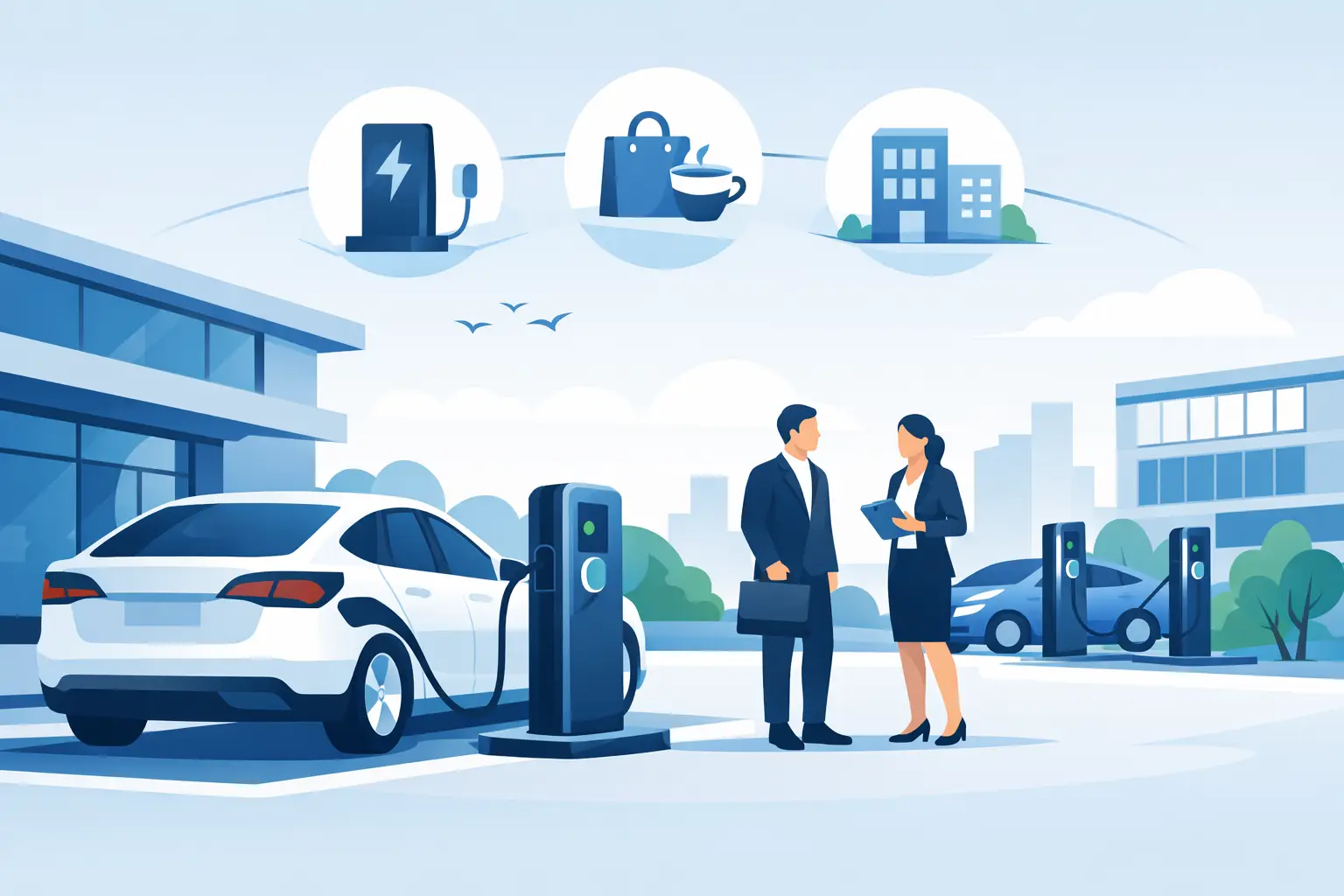
Public Charging Station Benefits for Business
Jul 27, 2026
Public charging station benefits include longer visits, happier guests, stronger brand visibility, and practical revenue options for high-traffic venues.

Phone Charging Lockers for Gyms That Members Use
Jul 26, 2026
Phone charging lockers for gyms keep members powered, valuables secure, and workouts on track while creating a valuable amenity or revenue opportunity.
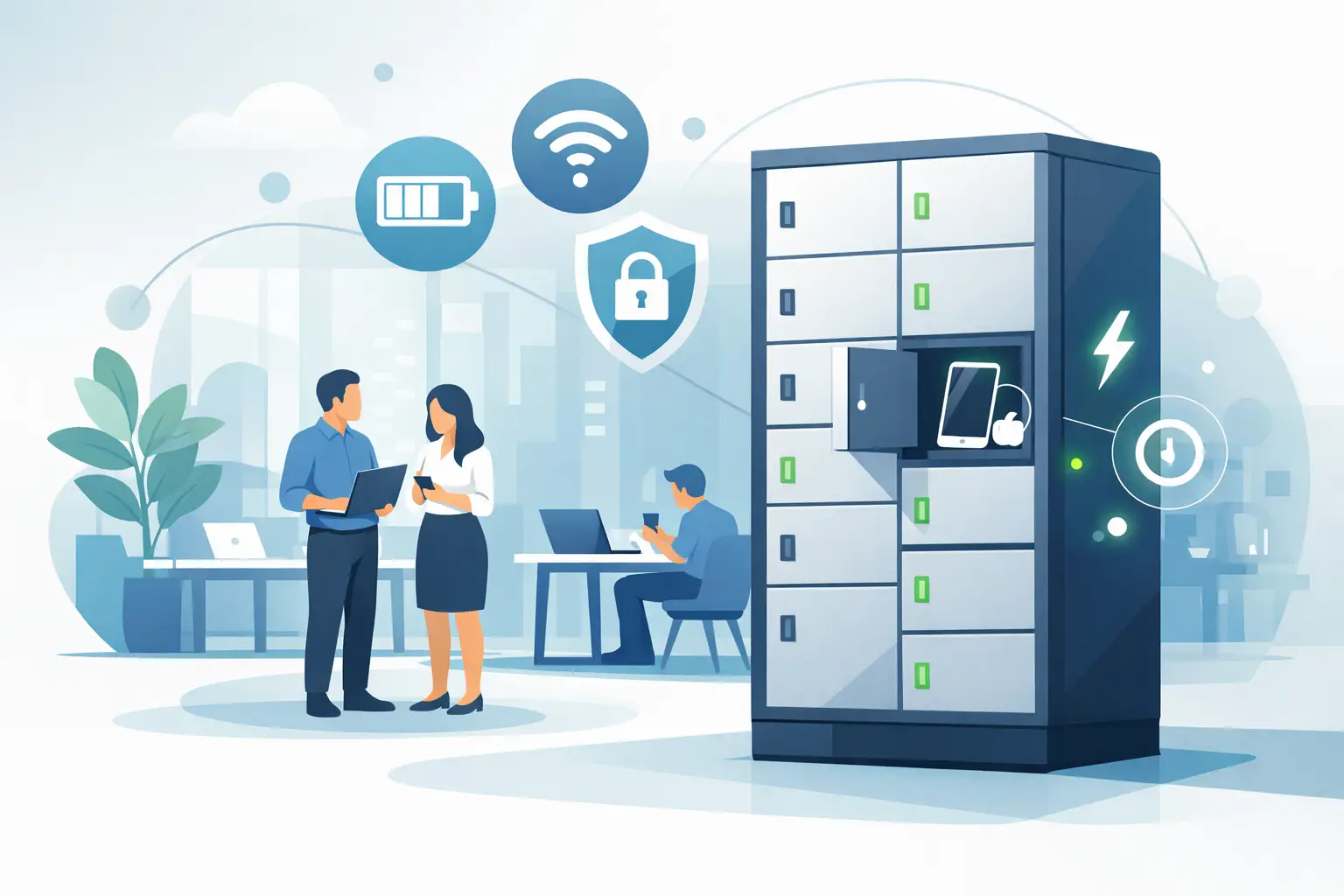
Best Charging Lockers for Offices in 2026
Jul 23, 2026
Find the best charging lockers for offices with secure storage, USB-C support, smart access, and the right capacity for staff, guests, and shared devices.
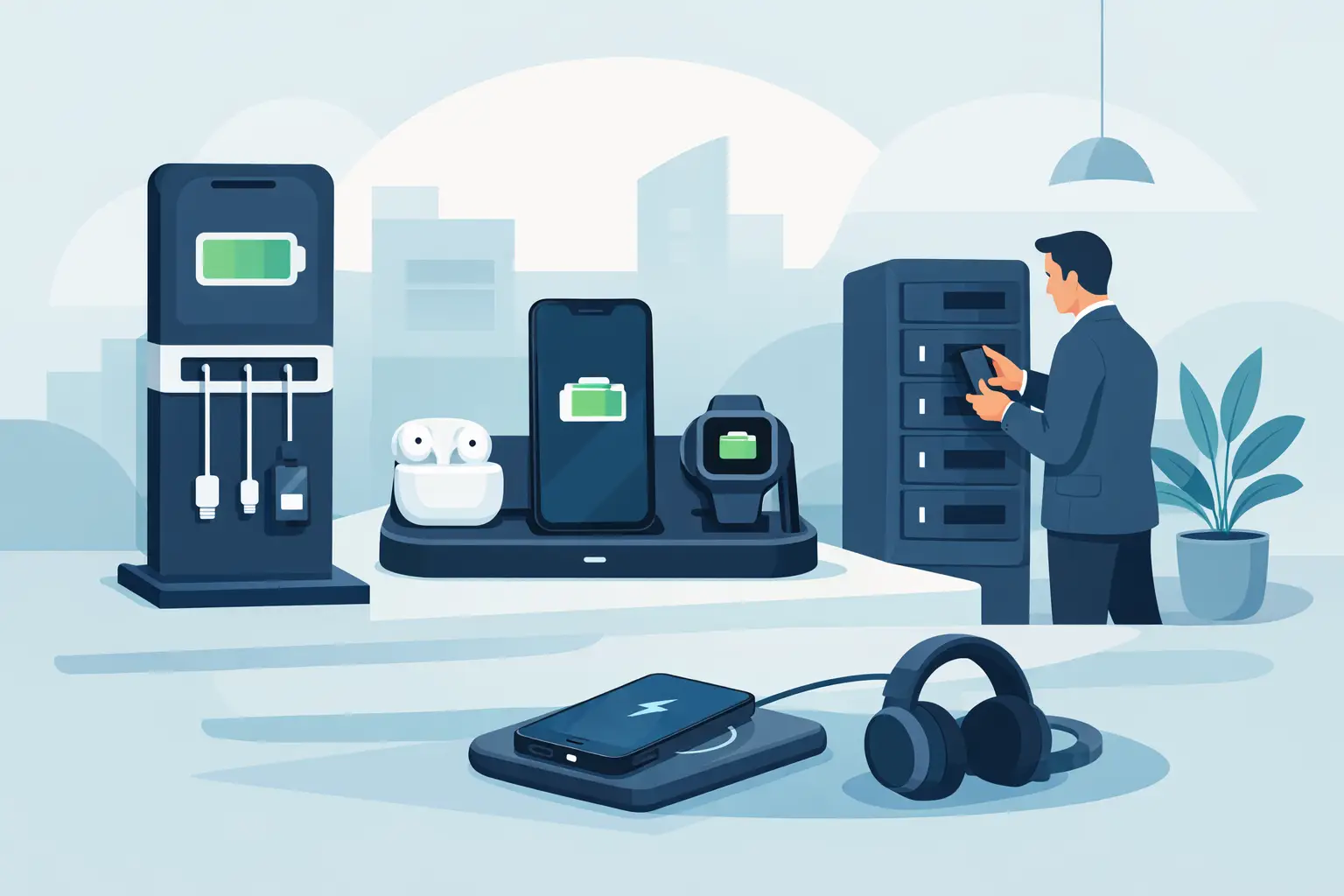
Phone Charging Stations That Work Harder
Jul 21, 2026
Phone charging stations keep guests engaged, staff productive, and events moving. Learn how to choose secure, scalable options that can earn revenue too.

How to Deploy Charging Amenities That Pay Off
Jul 19, 2026
Learn how to deploy charging amenities that keep visitors powered, increase dwell time, support operations, and create revenue in any venue with clarity.
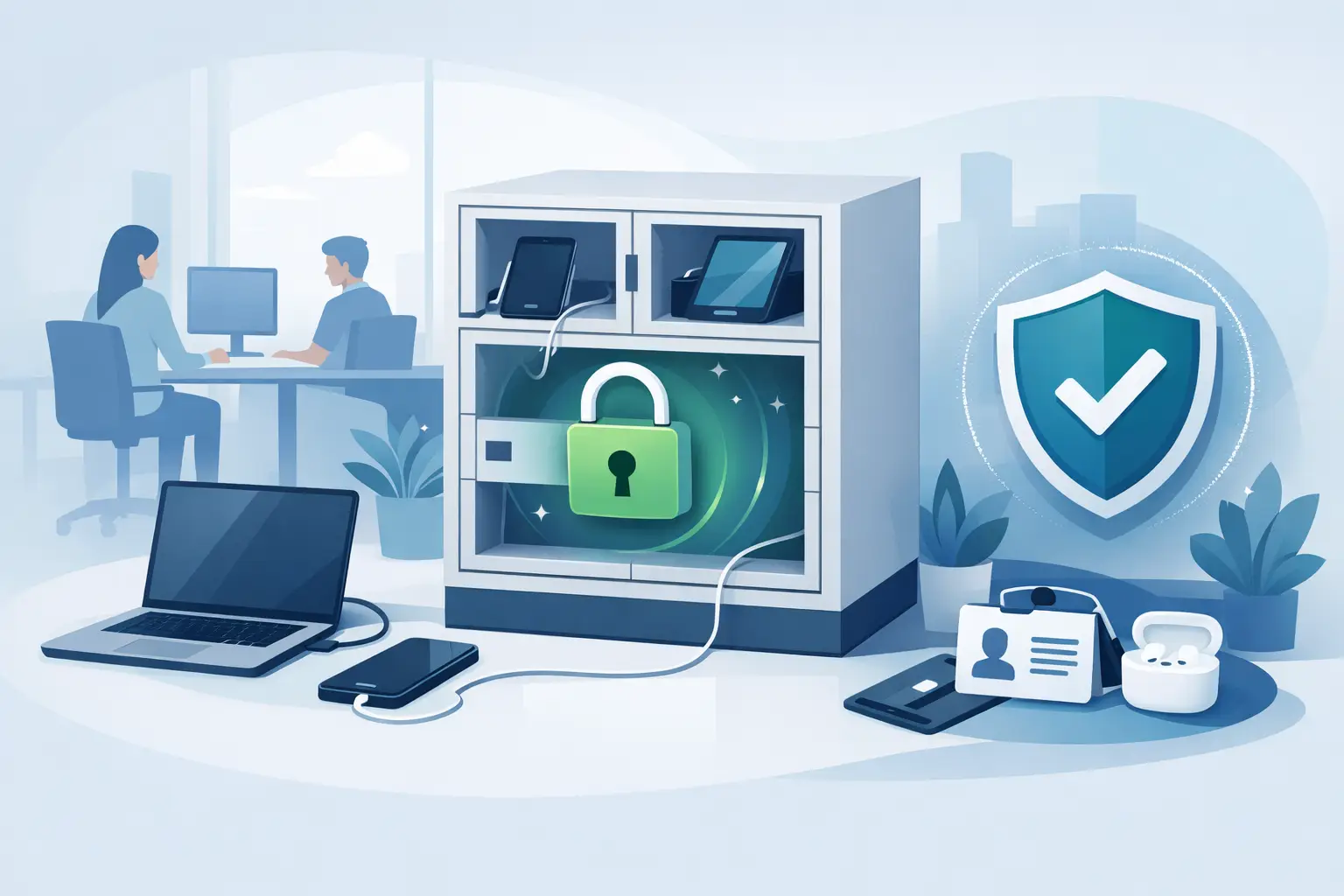
Secure Charging for Employee Devices at Work
Jul 18, 2026
Secure charging for employee devices keeps work moving while protecting phones, tablets, and laptops. Learn what a practical workplace setup needs today.
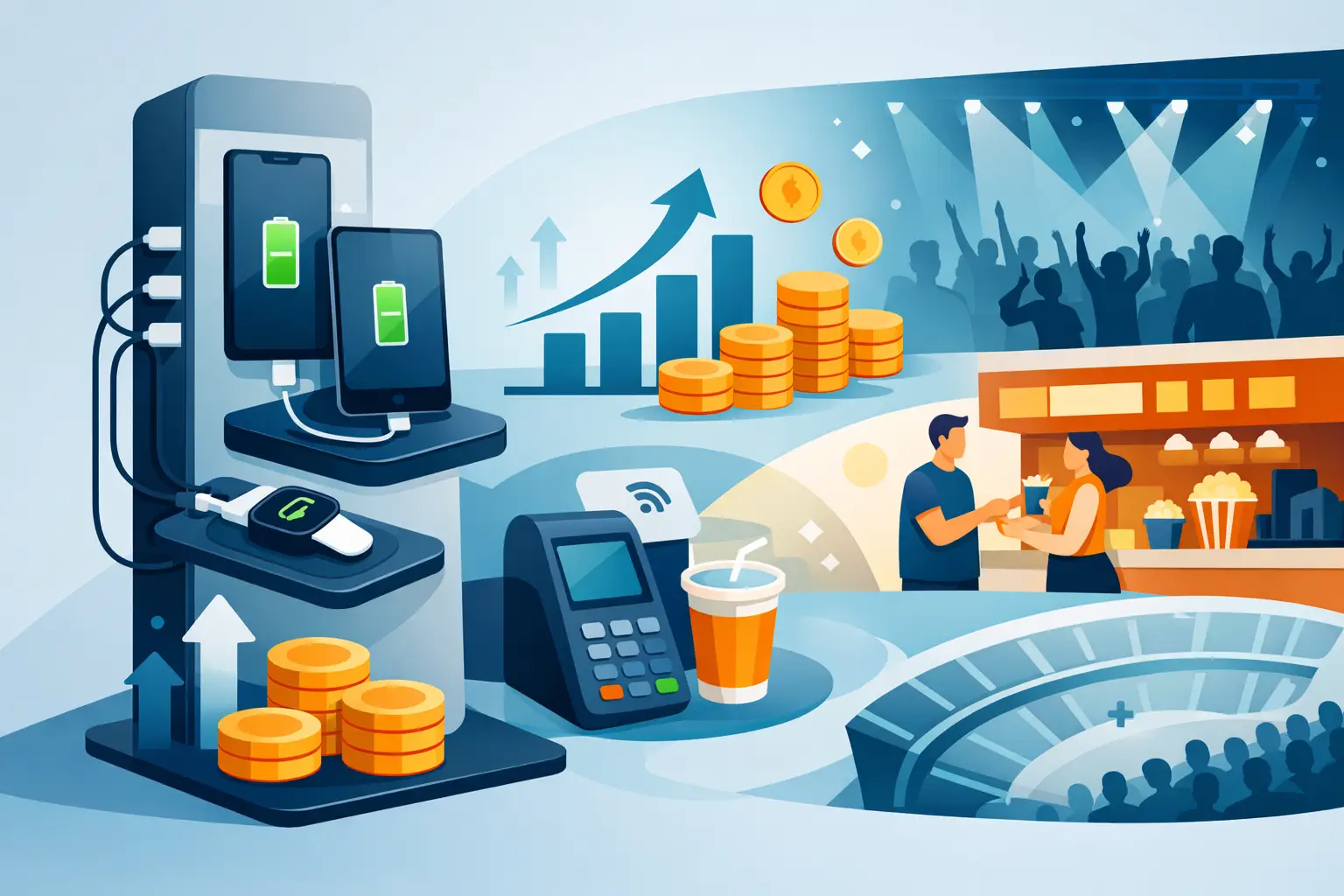
Venue Device Charging Solutions That Pay Off
Jul 16, 2026
Venue device charging solutions keep guests connected, increase dwell time, protect devices, and can create new revenue at events and public spaces daily.
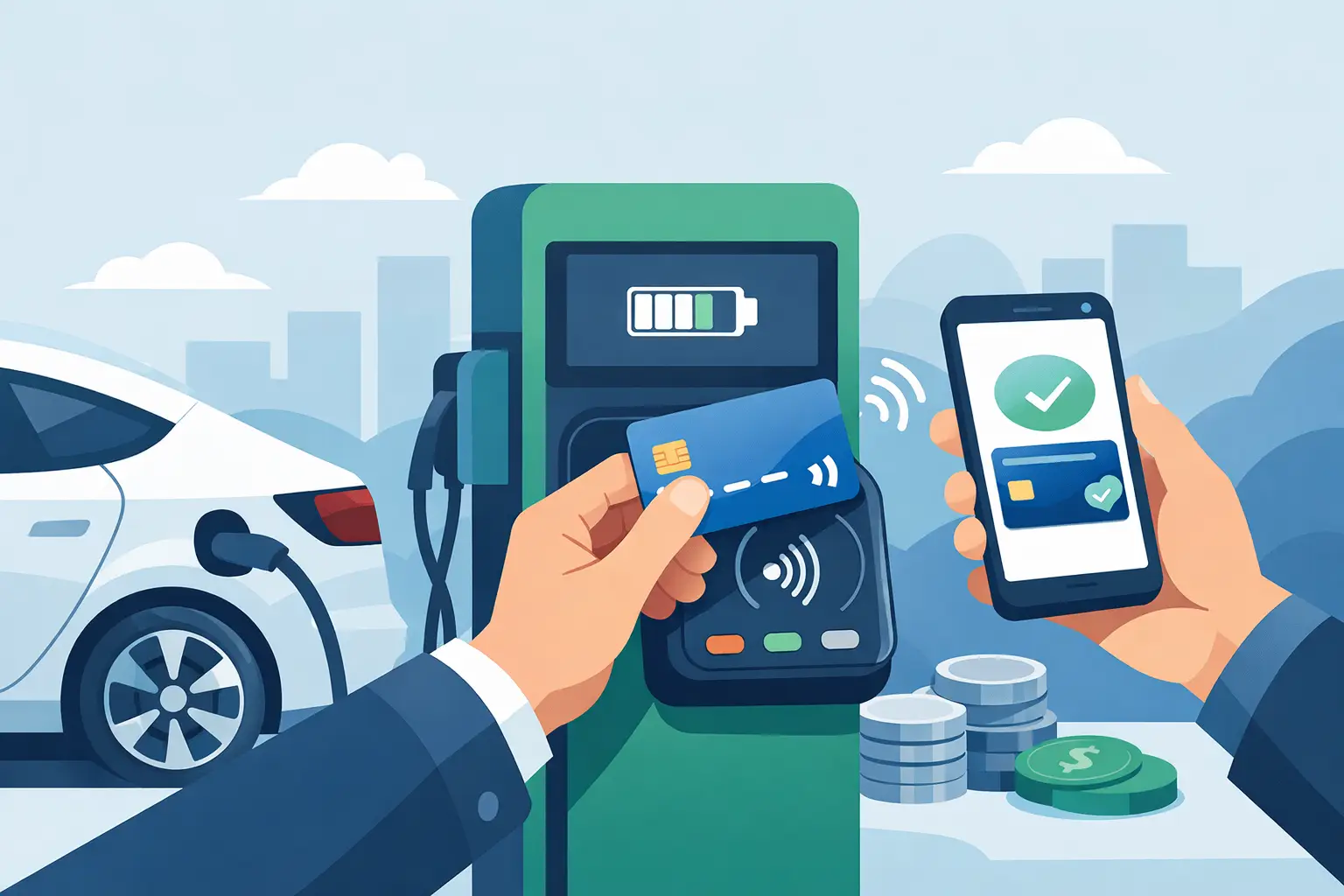
Can Charging Kiosks Take Payments? Yes, Here’s How
Jul 14, 2026
Can charging kiosks take payments? See how POS-enabled charging turns low-battery demand into convenience, longer visits, and new venue revenue streams.

Custom Branded Charging Stations That Earn Attention
Jul 11, 2026
Custom branded charging stations turn low-battery stress into longer visits, stronger brand visibility, and a practical revenue opportunity for venues.
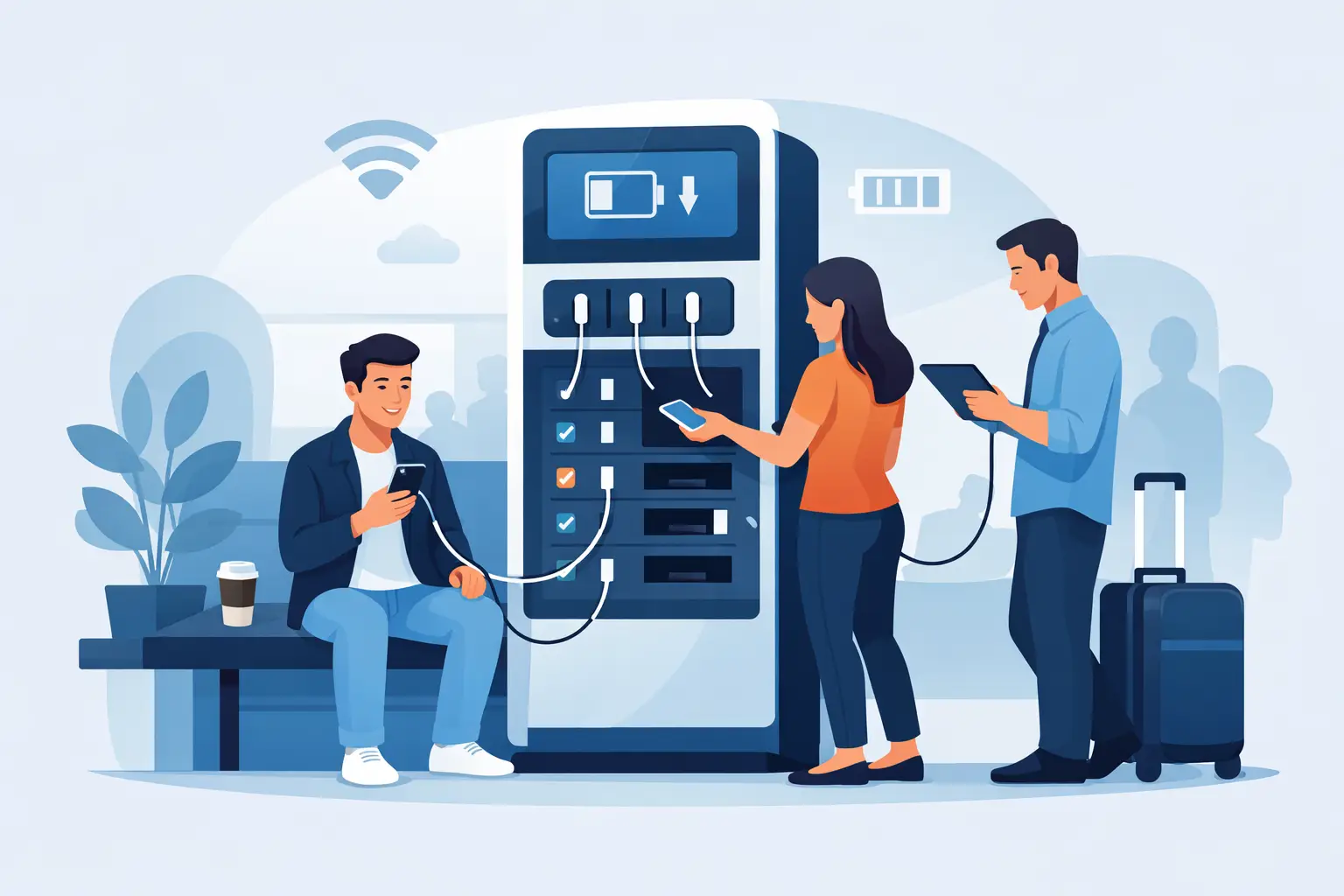
Charging Kiosks That People Actually Use
Jul 10, 2026
Charging kiosks keep guests powered, on-site, and engaged. Learn how to choose the right setup for security, revenue, and everyday use.
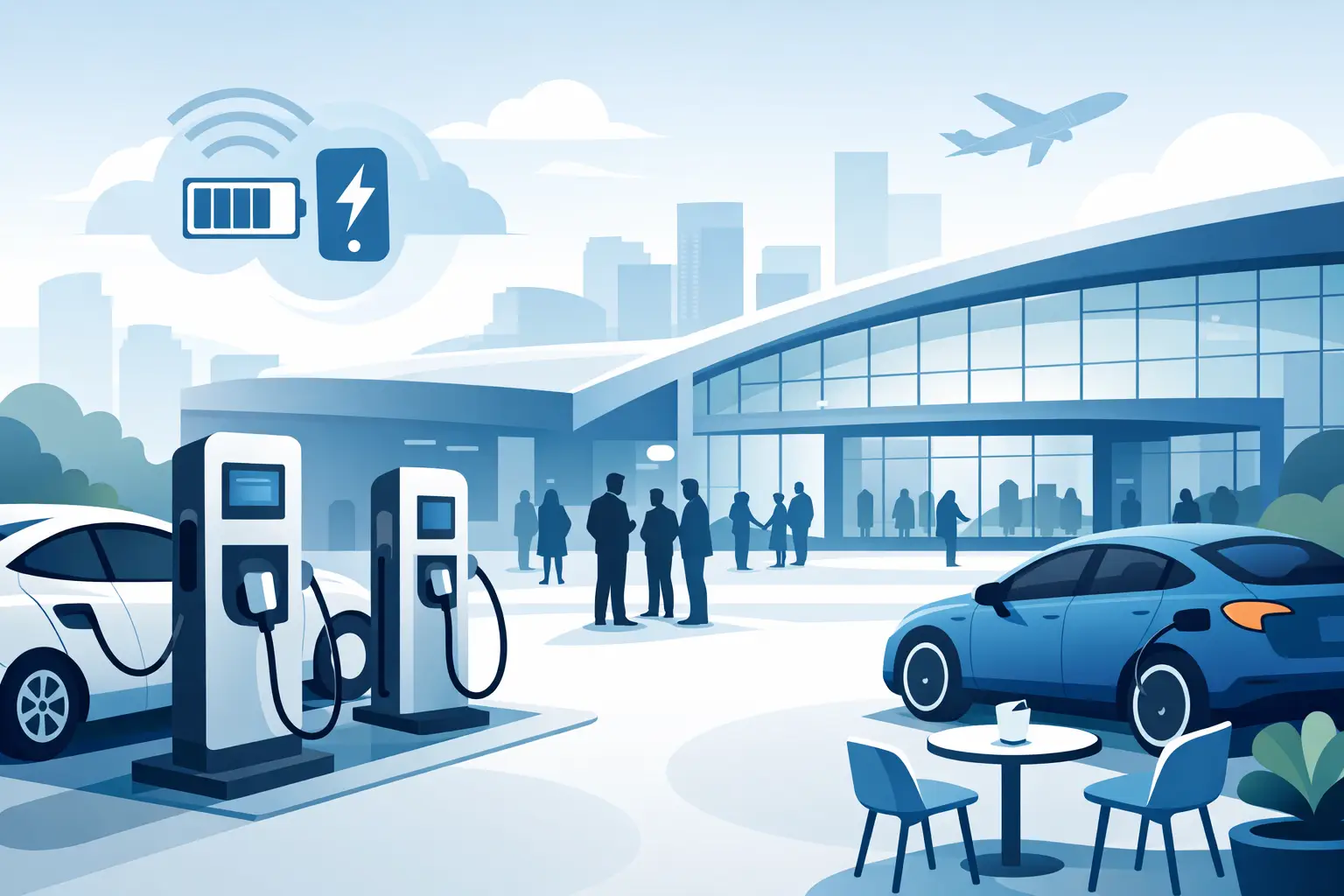
Charging Stations for Convention Centers
Jul 08, 2026
Charging stations for convention centers reduce attendee stress, boost dwell time, support sponsors, and create new revenue opportunities.

How to Lease Charging Kiosks Smartly
Jul 06, 2026
Learn how to lease charging kiosks with the right terms, pricing, features, and support so your venue adds convenience and potential revenue.
Visitor Amenity Charging Kiosk: What to Buy
Jul 04, 2026
A visitor amenity charging kiosk helps venues keep guests powered, engaged, and on-site while supporting security, branding, and revenue goals.

Business Charging Station Buying Guide
Jul 02, 2026
Business charging station buying guide for choosing secure, scalable charging solutions that improve guest experience and create revenue.
Contactless Payment Charging Station Benefits
Jun 30, 2026
A contactless payment charging station helps venues boost convenience, capture revenue, and keep guests engaged without adding operational friction.
How to Choose Charging Lockers for Your Space
Jun 28, 2026
Learn how to choose charging lockers for events, venues, offices, and retail spaces based on security, device mix, power needs, and ROI.
Are Public Charging Stations Safe to Use?
Jun 26, 2026
Are public charging stations safe to use? Learn the real risks, how secure charging stations work, and what businesses should provide.
Best Desktop Charging Station for Office Use
Jun 24, 2026
Find the right desktop charging station for office use with tips on safety, device mix, cable management, security, and long-term value.
Leasing vs Buying Charging Stations
Jun 22, 2026
Leasing vs buying charging stations comes down to budget, flexibility, and ROI. Learn which model fits events, venues, offices, and retail.
Charging Lockers vs Kiosks: What Fits Best?
Jun 20, 2026
Charging lockers vs kiosks: compare security, throughput, revenue, and fit by venue so you can choose the right charging setup for your space.

Charging Locker ROI Calculator Guide
Jun 17, 2026
Use a charging locker ROI calculator to estimate payback, revenue, and visitor impact. Learn which costs, assumptions, and metrics matter most.

How to Monetize Charging Kiosks
Jun 16, 2026
Learn how to monetize charging kiosks with the right pricing, placement, sponsorships, and formats to turn charging access into revenue.
What Is Juice Jacking Protection?
Jun 13, 2026
What is juice jacking protection? Learn how it blocks data theft through USB ports and why businesses should offer safer public charging access.
USB C Charging Trends Businesses Should Track
Jun 12, 2026
USB C charging trends are reshaping public, workplace, and event charging. See what matters for compatibility, speed, safety, and ROI.
USB C Charging Station Commercial Guide
Jun 09, 2026
A practical look at usb c charging station commercial options, including use cases, power, security, placement, pricing, and ROI for busy venues.
Charging Table for Waiting Room Buyers
Jun 08, 2026
A charging table for waiting room spaces keeps guests powered, improves dwell time, and adds convenience without adding operational friction.

What a Custom Charging Kiosk Wrap Should Do
Jun 07, 2026
A custom charging kiosk wrap should attract attention, fit the venue, and support ROI. Learn what to include and what to avoid.
Branded Charging Station for Events That Works
Jun 06, 2026
A branded charging station for events keeps guests powered, boosts dwell time, supports sponsors, and adds measurable value to the event floor.
Conference Charging Locker Rental That Works
Jun 05, 2026
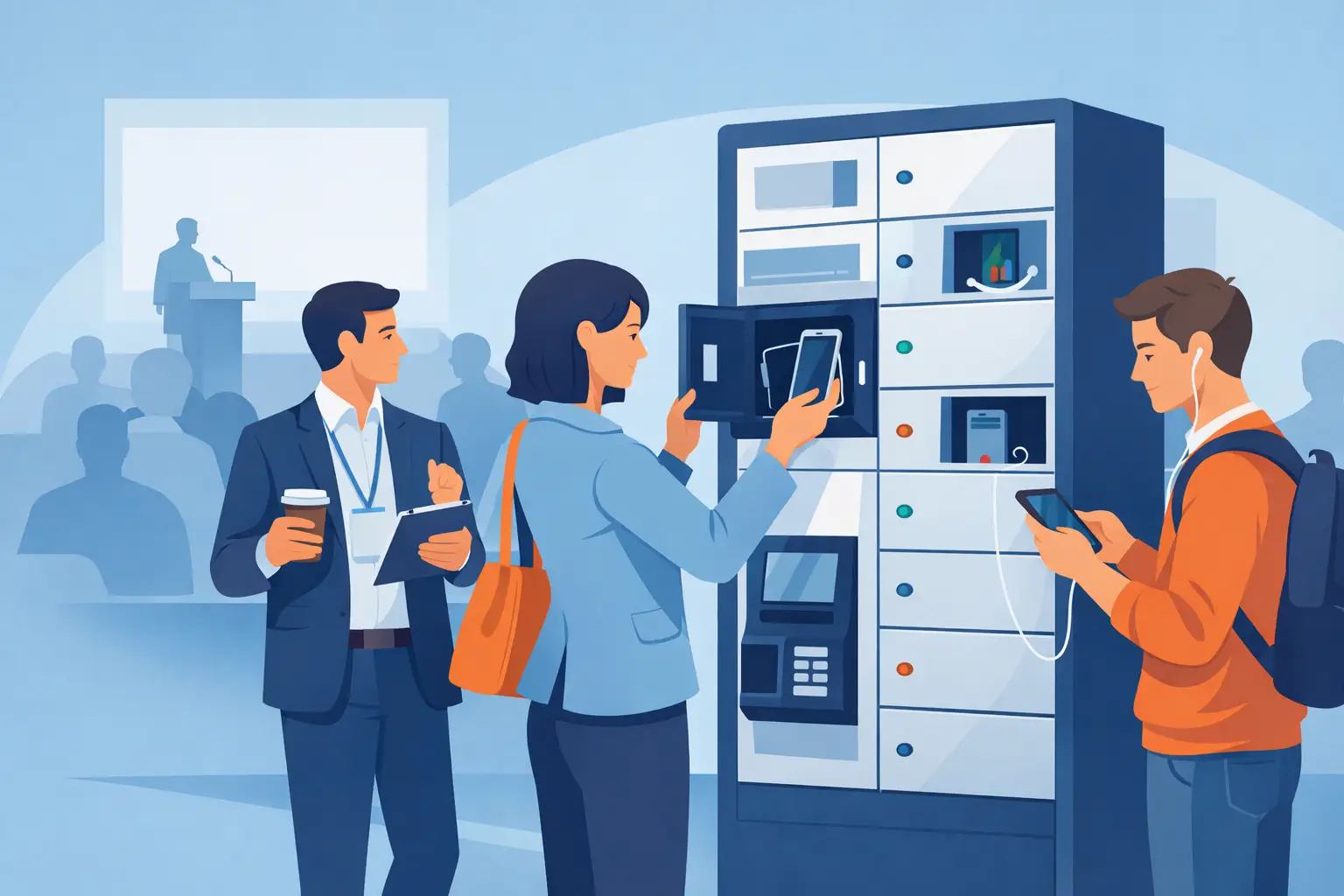
Conference charging locker rental keeps attendees powered, secure, and engaged while creating smoother events, stronger sponsor value, and revenue.
Trade Show Phone Charging Station Guide
Jun 04, 2026
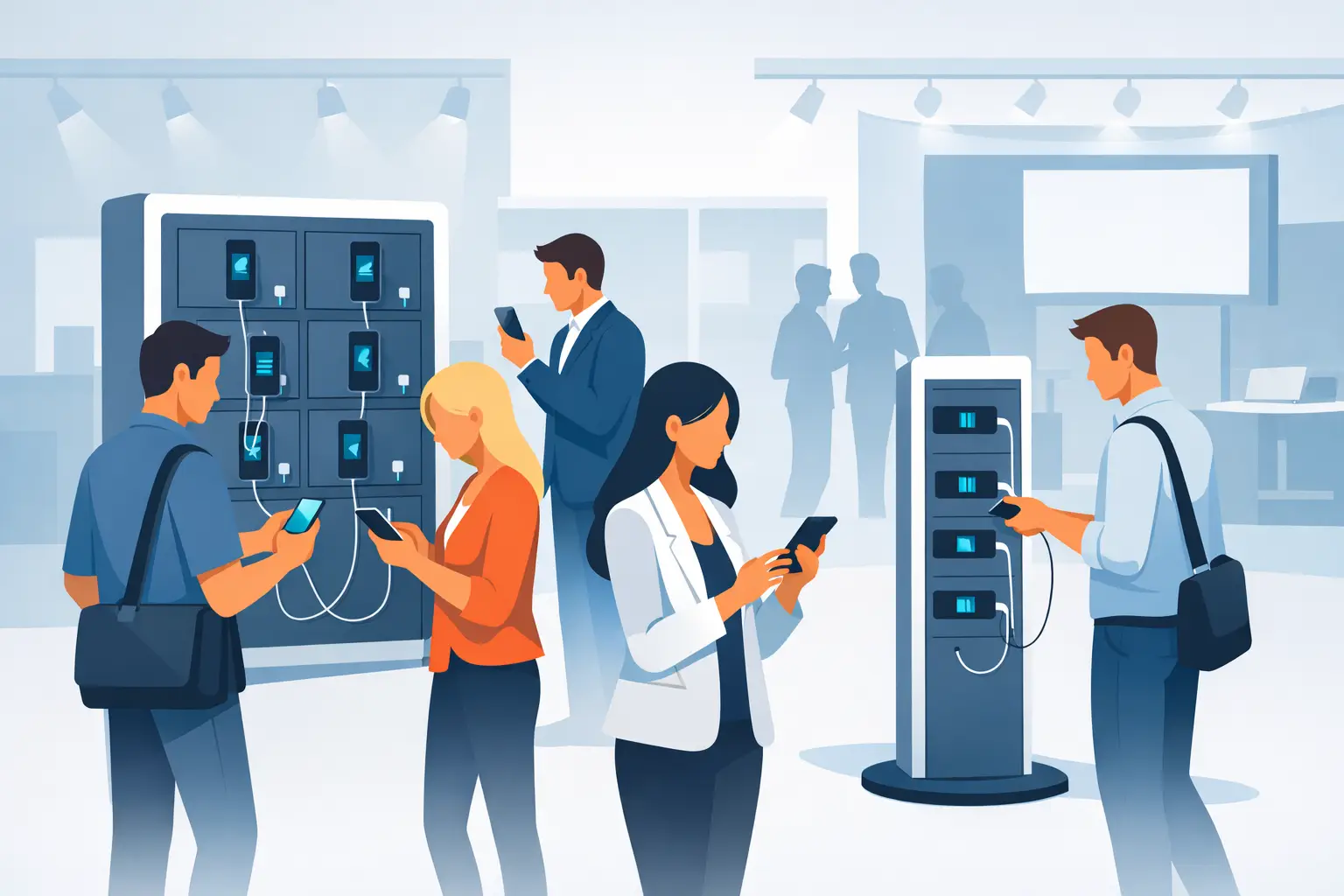
A trade show phone charging station can boost booth traffic, dwell time, and leads while reducing attendee battery stress and improving event ROI.
Event Charging Station Rental That Works
Jun 03, 2026
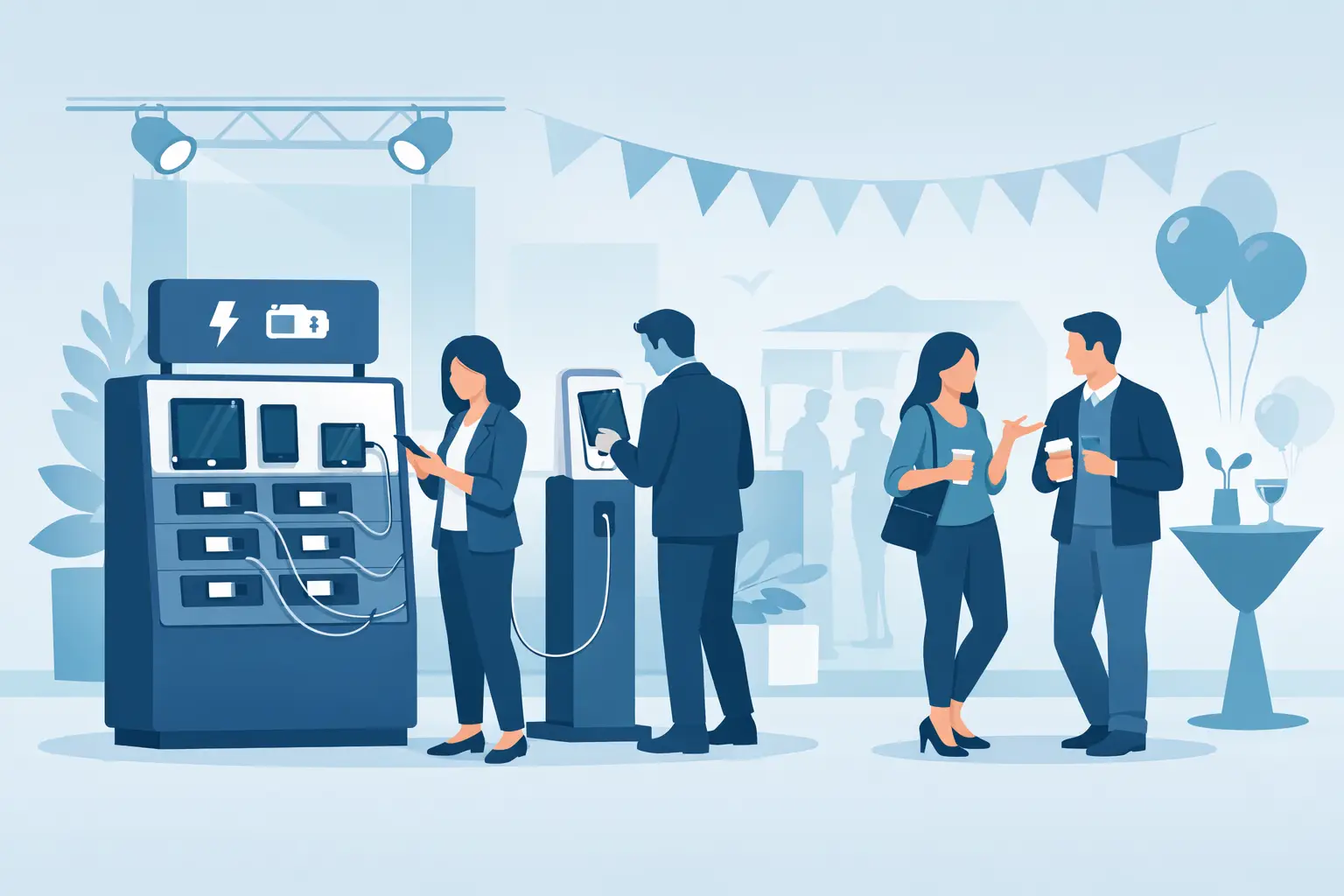
Event charging station rental keeps guests powered, engaged, and on site longer. Learn what to rent, what to ask, and how to avoid event-day issues.

Free Phone Charging Station Retail ROI
Jun 02, 2026
See how free phone charging station retail setups increase dwell time, improve customer experience, and support smarter in-store traffic flow.
Charging Kiosk With Payment System: Worth It?
Jun 01, 2026
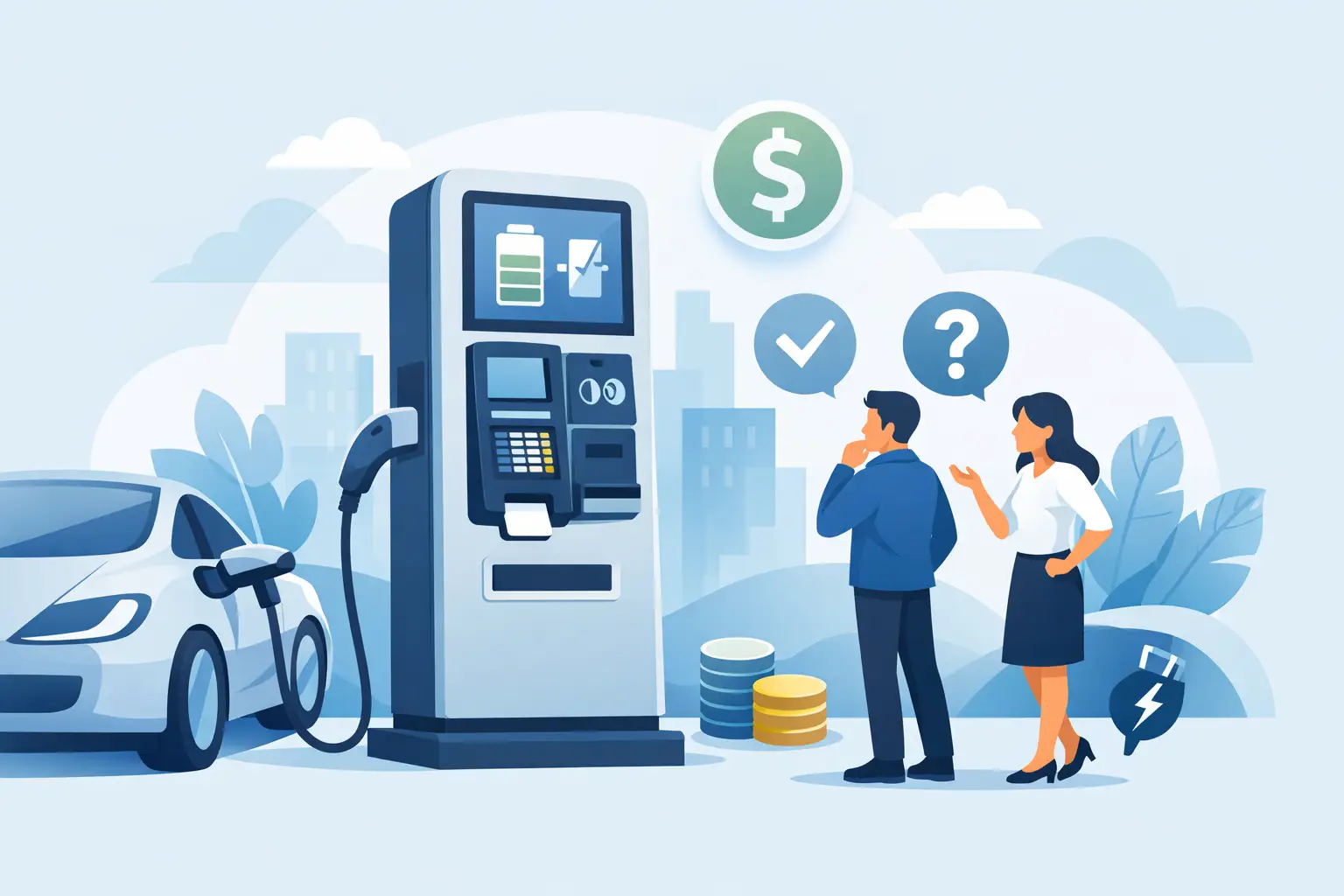
A charging kiosk with payment system can add revenue, improve guest experience, and extend dwell time. Here's how to choose the right setup.
Pay Per Use Charging Station ROI Explained
May 31, 2026
Learn how a pay per use charging station creates revenue, improves visitor experience, and fits retail, events, offices, and public venues.
Power Bank Rental Station Buyer’s Guide
May 30, 2026
A power bank rental station helps venues keep guests charged, boost dwell time, and create revenue with flexible, low-friction charging access.
Choosing a Laptop Charging Locker Cabinet
May 29, 2026
Learn how to choose a laptop charging locker cabinet for offices, schools, events, and venues with the right mix of security, power, and ROI.
Tablet Charging Locker for Schools: What Matters
May 28, 2026
A tablet charging locker for schools improves device security, charging access, and classroom readiness. Here’s what buyers should evaluate.
Secure Phone Charging Locker Buying Guide
May 27, 2026
Choose a secure phone charging locker that protects devices, improves guest experience, and fits your space, budget, and usage model.

Phone Charging Station for Business ROI
May 26, 2026
A phone charging station for business can boost dwell time, improve customer experience, and create revenue when matched to the right space.

How to make your phone battery last longer
Mar 20, 2025
It’s no secret that some smartphones have more powerful and longer lasting batteries than others. However, no matter how powerful the battery or how energy efficient your phone is, there are a number of apps and settings that will drain your battery faster. Identifying these apps and settings will help you keep usage to a […]

Phone Batteries – The Best and The Worst
Mar 29, 2017
When buying a new smartphone, there are a number of factors you will consider. From the brand and price, to the operating system, and other features like the camera. No matter what kind of phone you choose or the reason behind your purchase, one thing is for sure – you want the battery to last […]
What is USB-C and why is it important?
Mar 15, 2017
By now, you may have heard people talking about USB type C or perhaps you have even tried it out yourself. Either way, many experts agree that this is the future of USB ports and cables. What many people may not realize is that this particular type of connection is significantly different from older types […]