Can Charging Lockers Fit Laptops? What to Check
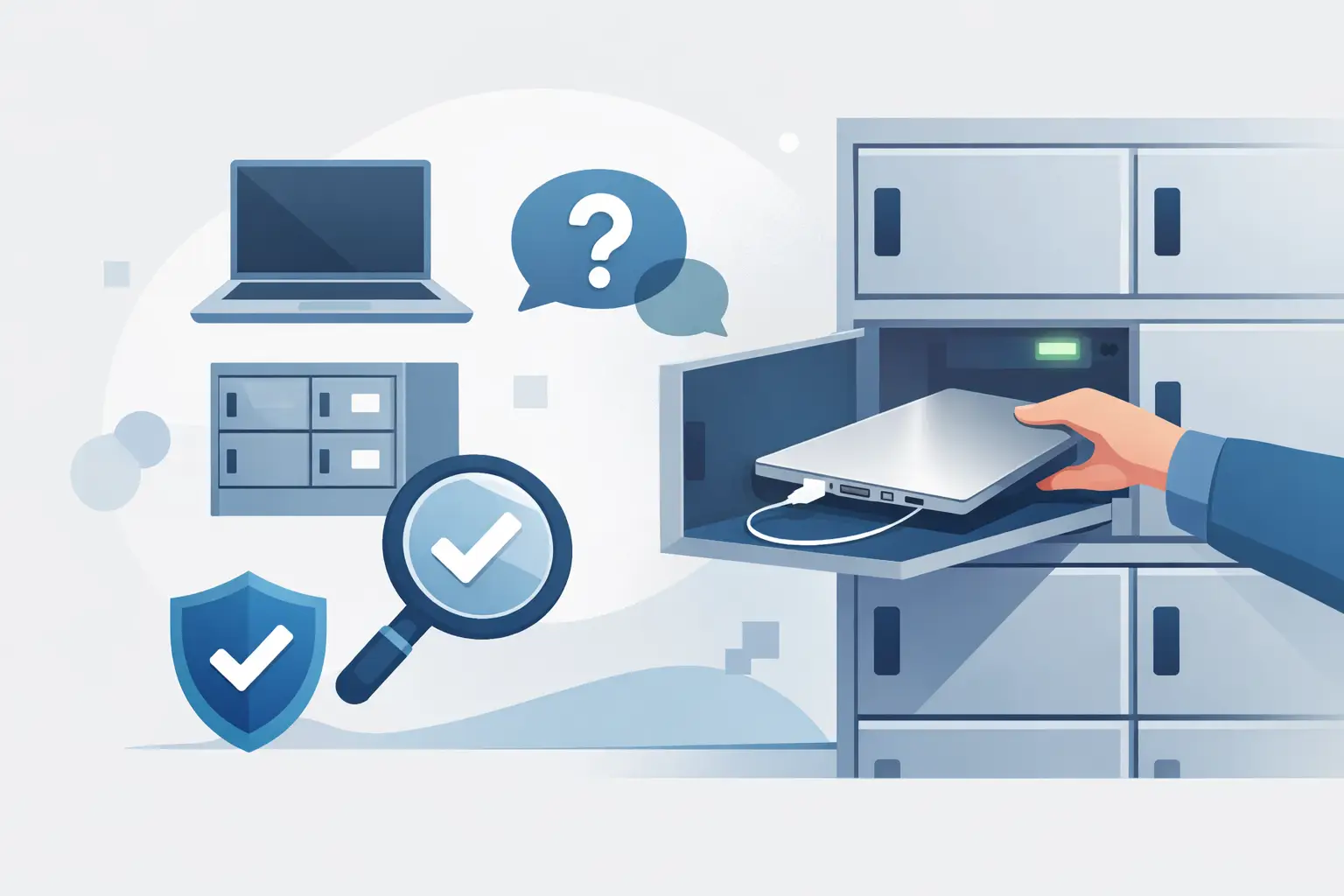
A visitor with a 14-inch laptop, a tablet, and 8% battery does not need a phone-sized charging cubby. They need a secure place that fits the device, its charger, and the cable without forcing the door shut. So, can charging lockers fit laptops? Yes – but only when the locker compartment and charging hardware are specified for laptop use rather than assumed to be compatible.
For offices, events, campuses, retail spaces, and public venues, that distinction matters. A poorly sized locker creates frustration at the moment your amenity is supposed to remove it. A properly designed laptop charging locker gives people the confidence to stay longer, attend the next session, continue working, or browse without carrying their equipment around.
Can Charging Lockers Fit Laptops? Start With Compartment Size
The first question is physical fit. Laptop dimensions vary much more than phone dimensions, and a compartment that holds a compact 13-inch notebook may not accommodate a larger 15- or 16-inch model, especially when the power brick is included.
Do not evaluate a locker based only on its external cabinet dimensions or the diagonal measurement of a laptop screen. Ask for the internal clear width, depth, and height of each compartment. The usable space can be reduced by shelves, outlet placement, cable channels, door hardware, and charging components mounted inside the locker.
For most standard business laptops, the compartment needs enough depth for the closed device plus the charger and cable bend radius. Height also matters. Many modern laptops are slim, but power adapters, docking accessories, protective cases, and larger gaming or workstation models take up more room than expected.
A practical approach is to use the largest laptops commonly carried by your audience as the planning benchmark. A corporate office may mostly see 13- and 14-inch devices. A university, creative studio, convention center, or technology conference may see a wider range of 15- and 16-inch laptops, along with tablets and oversized chargers. If the locker is intended for shared public use, generous compartment sizing prevents avoidable disputes at the door.
A Laptop-Sized Locker Still Needs the Right Power
Fitting a laptop inside the locker is only half the requirement. The charging method must match the devices people bring.
Many laptops charge through a standard AC wall outlet using the manufacturer-supplied power adapter. For these devices, each compartment needs accessible AC power, with room for the adapter itself. This is often the most universal option because users can connect their own charger regardless of brand or connector type.
More laptops now support USB-C charging, but USB-C alone does not guarantee that a locker can charge a laptop effectively. The port must provide enough USB-C Power Delivery wattage. A low-output USB port may charge a phone quickly yet add little or no charge to a laptop during active use. Some laptops require 45W, 65W, 90W, or more, depending on the model and workload.
That creates an important trade-off. Built-in USB-C charging can be convenient and reduce cable clutter, particularly where users have compatible devices. AC outlets are more flexible for mixed fleets and higher-power laptops, but they rely on users bringing their own adapters. Many organizations choose a locker configuration that supports both needs, especially when serving the public or accommodating varied employee devices.
Do Not Assume Every USB-C Cable Is Laptop Ready
USB-C connectors look the same, but cables and power supplies do not all carry the same power capability. A cable intended for a phone may be unsuitable for high-wattage laptop charging. Likewise, a USB-C laptop may draw limited power if the cable, charger, or port cannot negotiate the required charging profile.
If you plan to provide built-in cables, specify their power rating, durability, connector type, and replacement process. If users provide their own cables and adapters, make that expectation clear in nearby signage. The goal is not to promise universal charging from a connector that only supports a portion of the devices in your space.
Consider the Whole Device Package, Not Just the Computer
A laptop locker must accommodate what users actually carry. That may include a charger, cable, wireless mouse, portable battery, conference badge, tablet, or a small personal item. It does not need to replace a full storage locker, but it should make charging convenient rather than require a user to balance accessories outside the cabinet.
Cable management is particularly useful in shared deployments. Loose cables can block doors, snag when compartments open, and create a messy appearance. Internal outlet placement should allow the cable to reach the device without sharp bends or pinching. When cords remain in the compartment, plan for a simple way for staff to inspect, clean, and replace them.
It is also wise to decide whether the lockers are intended for closed-lid charging only or for active use. A user cannot generally work on a laptop while it is locked inside. For workplaces and libraries, a charging locker may work best alongside charging tables or desktop charging options where people can power up while remaining productive. At an event or venue, secure storage while charging is often the primary benefit.
Power Capacity Matters When Multiple Laptops Charge at Once
A bank of lockers can place a meaningful load on a circuit. This is especially true when several users connect high-wattage laptop chargers simultaneously. The cabinet may contain many outlets, but the electrical supply, circuit rating, and internal power distribution must be designed for the anticipated load.
Facilities and IT teams should review the maximum rated capacity, not just the average expected use. Laptop chargers do not always pull their maximum wattage continuously, but designing around optimistic assumptions can lead to tripped breakers, slow charging, or inconsistent performance during busy periods.
Ask the supplier how the charging locker is powered, what circuit is required, how many compartments can be used at full capacity, and whether outlets or USB-C ports have individual protection. For permanent installations, involve facilities early. For conferences, exhibits, and temporary activations, confirm venue electrical access and avoid treating the locker as an ordinary low-draw display fixture.
Security Is Why Laptop Charging Lockers Earn Their Space
A charging table can power a laptop, but it does not solve the security problem. People are understandably reluctant to leave a work computer unattended in an open charging area. Lockable compartments give visitors, staff, and attendees a reason to use the amenity instead of searching for an outlet while keeping their bag in sight.
The appropriate lock method depends on how the locker will be used. Public venues may prefer self-service PIN access, temporary codes, or other systems that avoid key handling. Offices may want assigned lockers, staff credentials, or asset-management features for shared company devices. Event operators need a setup that is quick to understand, easy to reset between users, and manageable by a small onsite team.
Physical security should be paired with charging safety. Well-designed systems protect the cabinet, cables, and electrical components from tampering and routine wear. Avoid overloading power strips inside a generic storage locker or running extension cords through openings not designed for them. Purpose-built charging lockers are easier to operate, cleaner to present, and safer to deploy at scale.
Where Laptop Charging Lockers Deliver the Most Value
Laptop-capable lockers are especially useful where people have a reason to stay but not a secure place to leave their equipment. In convention centers, they can help attendees recharge between sessions and encourage more time on the exhibit floor. At retail locations and hospitality venues, they create a practical amenity that can increase dwell time without asking guests to camp beside a wall outlet.
In offices, lockers support hot-desking, hybrid schedules, and shared-device programs. Employees can safely charge a device during a meeting, lunch break, or commute transition. For IT teams managing tablets and laptops, a secured charging cabinet can also reduce cable clutter and keep equipment organized between deployments.
The business model can vary by location. A workplace may offer free charging as an employee benefit. A high-traffic public venue may use paid access or payment-enabled lockers to recover costs and create a revenue opportunity. ChargeBar can help organizations evaluate formats that fit the audience, the device mix, and the operating model rather than treating every charging need as a phone-only deployment.
Questions to Ask Before You Buy
Before selecting a laptop charging locker, confirm the internal compartment dimensions, the maximum device size it supports, and whether there is space for a power brick. Review the charging configuration: AC outlets, USB-C Power Delivery output, cable ratings, and the number of devices that can charge at the same time.
Then look at operational details. Who resets locks? How are lost access codes handled? What happens when a cable needs replacement? Is the unit intended for wall mounting, freestanding use, or temporary event deployment? These questions determine whether the locker remains an easy amenity after the first week of use.
The best laptop charging locker is not simply the one with the most doors. It is the one that gives your specific users enough room, enough power, and enough confidence to put their devices away and get on with why they came.
Related posts

Charging Furniture That Keeps Visitors Longer
Oct 25, 2026
Charging furniture gives visitors a place to power up, stay longer, and keep moving. Learn how to choose secure, profitable options for your space with confidence.

Kiosk Revenue Case Study That Can Pay Off
Oct 23, 2026
A kiosk revenue case study for venue operators: learn how pricing, foot traffic, payment flow, and placement shape charging station returns over time.
How to Lease Charging Equipment for Your Venue
Oct 21, 2026
Learn how to lease charging equipment that fits your venue, protects devices, supports modern USB-C needs, and can create a new revenue stream for guests.
How to Prevent Cable Theft at Charging Stations
Oct 19, 2026
Learn how to prevent cable theft at public and workplace charging stations with better hardware, placement, inspections, and simple operating policies.
Charging Station Durability That Holds Up
Oct 17, 2026
Charging station durability protects uptime, visitor trust, and revenue. Learn what to look for in materials, cables, locks, power, and service needs.

Commercial Charging Procurement Guide for Buyers
Oct 15, 2026
Use this commercial charging procurement guide to choose secure, scalable device charging for venues, staff, and events while managing cost and ROI wisely.
Public Phone Charging Setup Guide for Venues
Oct 13, 2026
A public phone charging setup guide for venues that want safer access, longer visits, and practical revenue from reliable charging stations on site daily.
What Is Power Bank Rental for Businesses?
Oct 11, 2026
What is power bank rental? Learn how rental stations work, where they fit, and how businesses can improve guest experience and create revenue on-site.

Charging Station Sponsorship Results That Matter
Oct 09, 2026
Measure charging station sponsorship results with practical metrics for brand exposure, engagement, leads, dwell time, and revenue across live events.

How to Finance Charging Infrastructure Wisely
Oct 07, 2026
Learn how to finance charging infrastructure with purchase, lease, rental, and revenue models that fit your venue, event, budget, and growth goals today.
How to Install Charging Lockers Safely at Work
Oct 05, 2026
Learn how to install charging lockers safely with practical placement, power, security, and maintenance guidance for workplaces and public venues every.
Commercial Charging Locker Review for Buyers
Oct 03, 2026
A commercial charging locker review for buyers comparing security, charging speed, payment options, capacity, and long-term operating value at venues.

How to Manage Shared Devices Without the Chaos
Oct 01, 2026
Learn how to manage shared devices with clear ownership, secure charging, simple checkout rules, and reporting that keeps teams productive every shift.
Charging Station Maintenance That Protects Uptime
Sep 29, 2026
Charging station maintenance protects uptime, revenue, and user trust with practical inspections, cleaning, cable care, and payment system checks weekly.
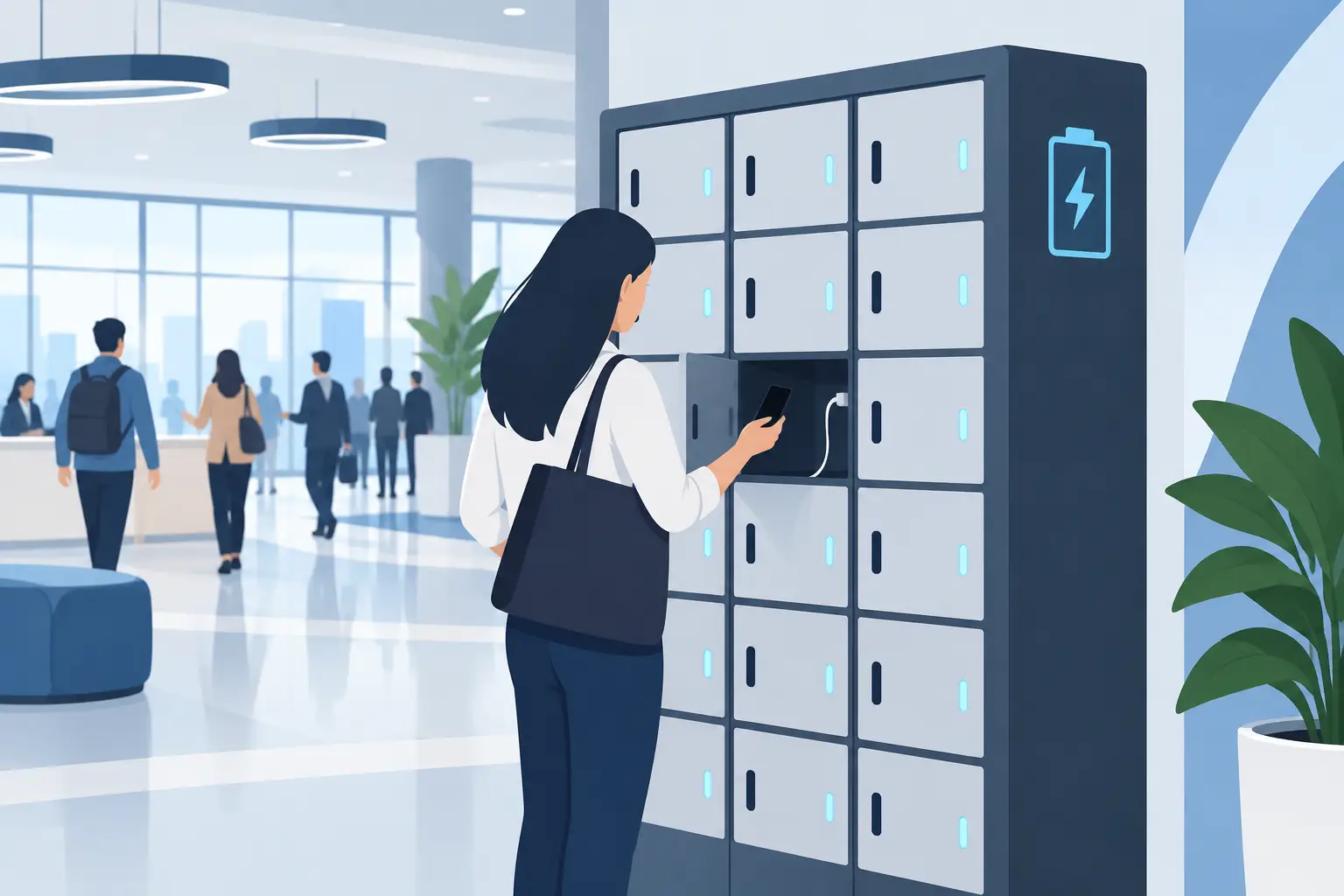
Charging Locker System Review for Busy Venues
Sep 27, 2026
Read this charging locker system review to compare security, charging speed, payment options, and ROI for events, offices, retail, and venues nationwide.
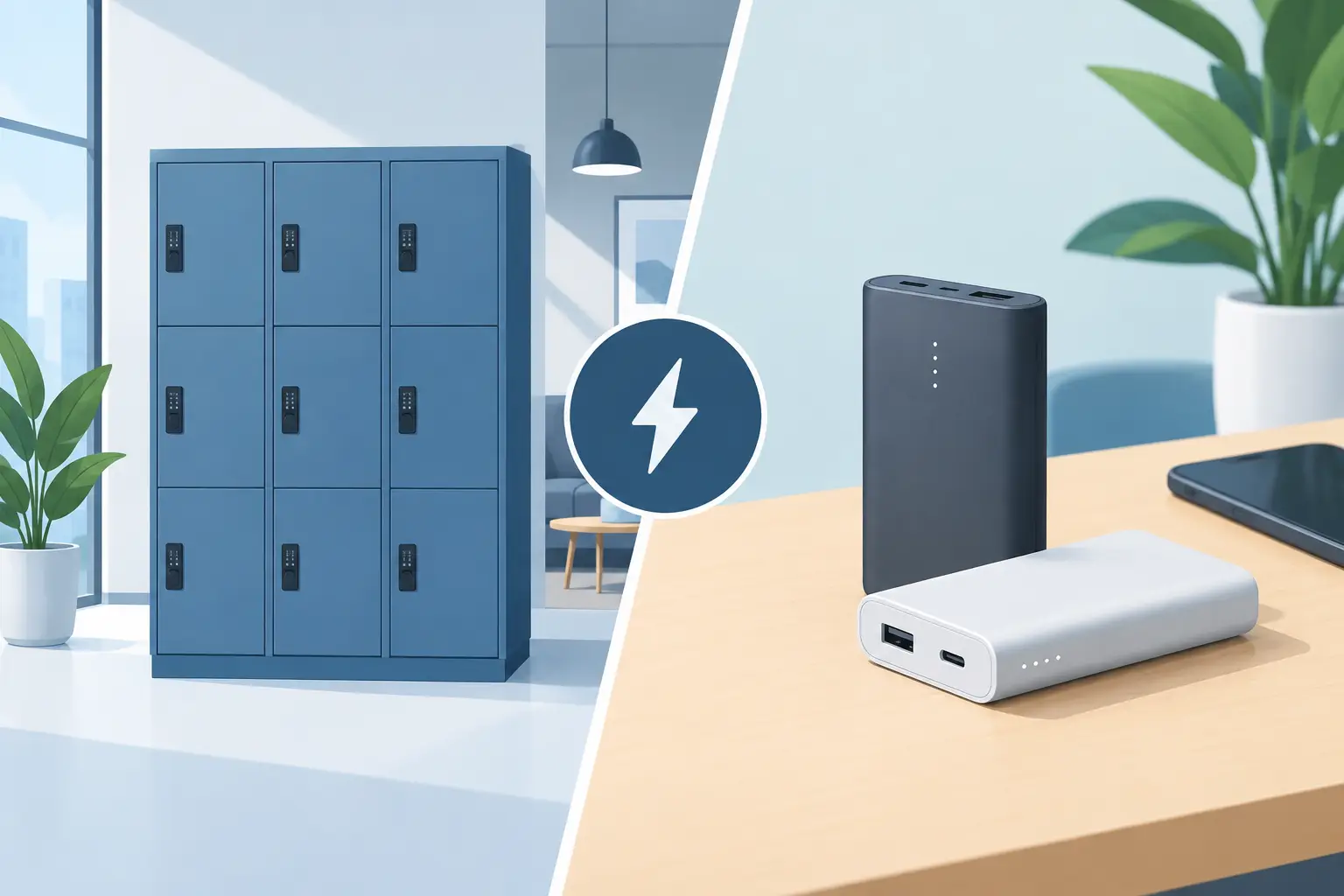
Lockers Versus Powerbanks: Which Fits Your Space?
Sep 25, 2026
Lockers versus powerbanks: compare security, dwell time, staffing, revenue, and deployment needs to choose the right charging amenity for your venue today.
Public Device Charging Trends for Venues
Sep 23, 2026
Public device charging trends are reshaping venues, events, and workplaces with secure USB-C access, locker charging, and revenue-ready options for guests.
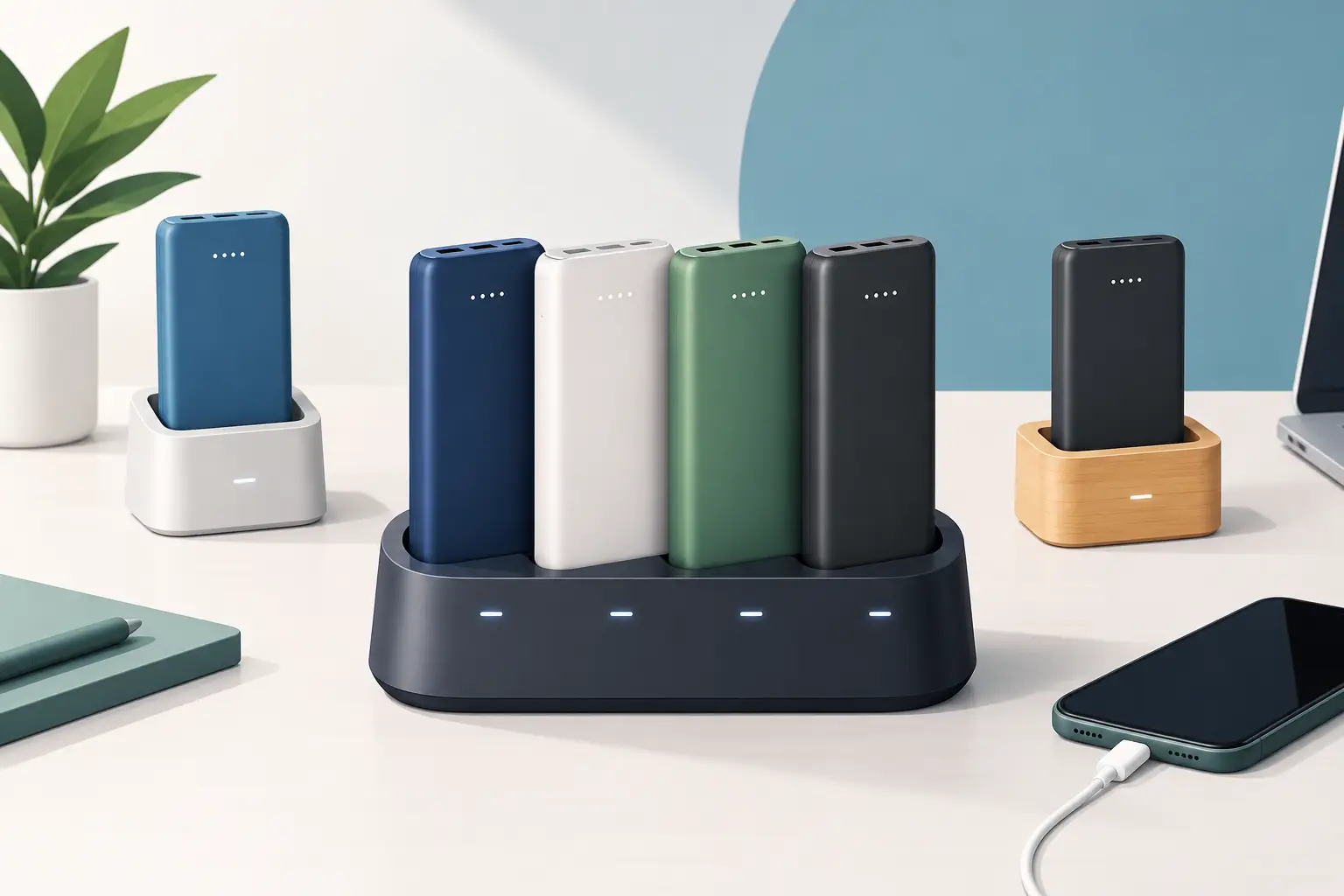
How to Create Branded Power Bank Docks That Sell
Sep 21, 2026
Learn how to create branded power bank docks that keep visitors engaged, strengthen your brand, and support free or paid charging programs on-site daily.

Locker Deployment Example for Busy Venues
Sep 19, 2026
See a locker deployment example that helps venues provide secure phone charging, reduce low-battery stress, and create a practical revenue option for guests.
Hotel Charging That Keeps Guests On Property
Sep 17, 2026
Hotel charging gives guests a secure place to power phones and laptops, extend their stay, and create new hospitality revenue opportunities on site daily.
How to Add Phone Charging to Your Business
Sep 15, 2026
Learn how to add phone charging to your business with secure, scalable stations that improve guest experience, dwell time, and revenue potential daily.
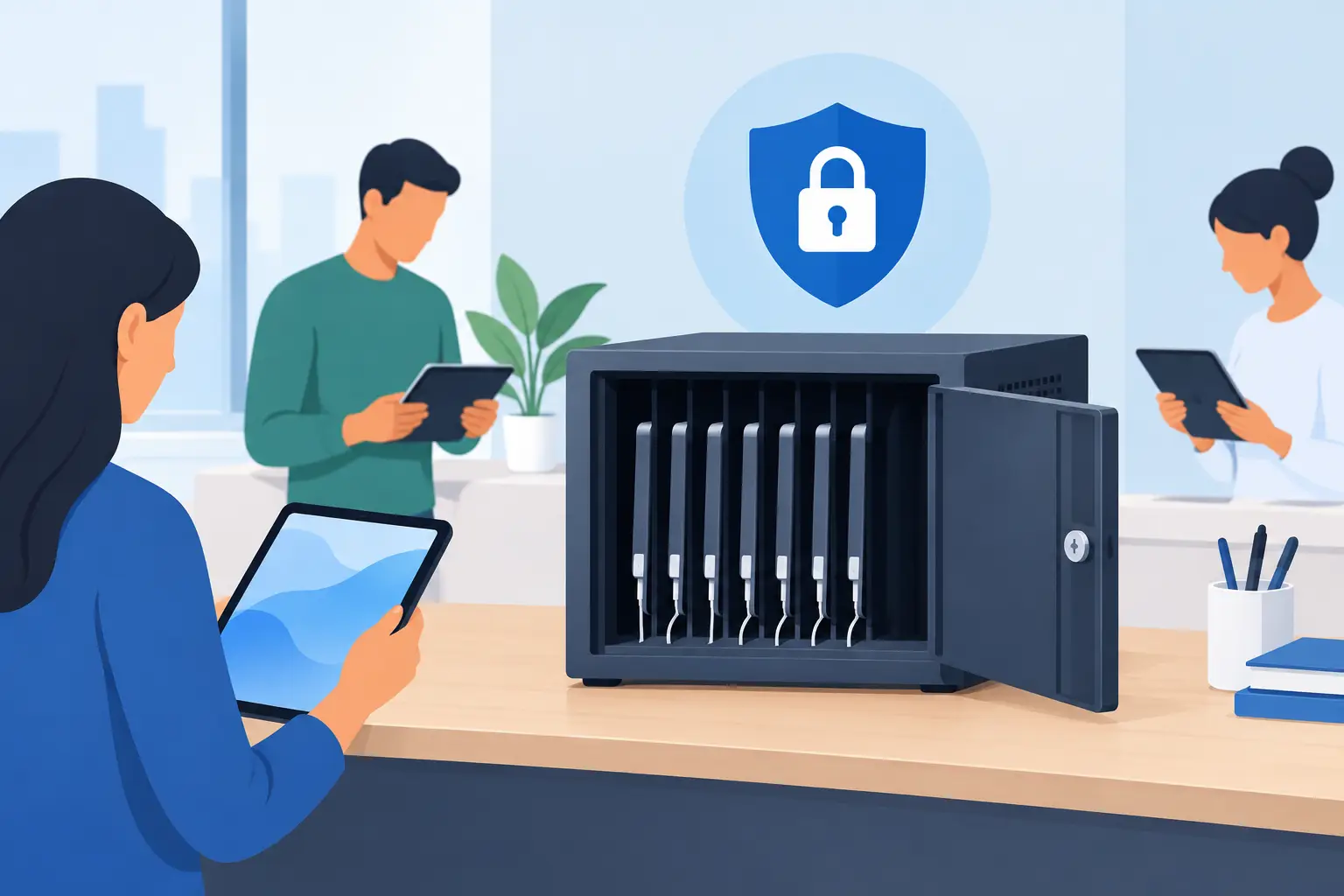
Best Secure Tablet Storage for Shared Devices
Sep 13, 2026
Find the best secure tablet storage for shared devices, events, offices, and public spaces with charging, access control, and room to scale confidently.

Power Bank Docking Review for Busy Venues
Sep 11, 2026
Use this power bank docking review to compare charging speed, security, payment options, branding, and operating costs before committing to deployment.

Charging Locker Procurement That Pays Off
Sep 09, 2026
Make charging locker procurement simpler with a practical plan for capacity, security, payment options, deployment, and long-term operating daily value.
Phone Charging Station Leasing for Businesses
Sep 08, 2026
Phone charging station leasing gives businesses a flexible way to add secure, branded charging while protecting cash flow and creating new revenue streams

Multi Device Charging Cabinets for Busy Venues
Sep 06, 2026
Multi device charging cabinets give visitors secure power, help staff manage shared devices, and create a practical amenity or revenue stream for venues.

How to Rent Charging Stations for Your Event
Sep 04, 2026
Learn how to rent charging stations for events, offices, and venues, from choosing secure formats to planning power, branding, delivery, and ROI needs.
Best Phone Charging for Hotels and Their Guests
Sep 02, 2026
Find the best phone charging for hotels with secure, guest-ready options that improve stays, support staff, and create new revenue opportunities on property.
Do Charging Lockers Prevent Theft at Events?
Aug 31, 2026
Do charging lockers prevent theft? Learn how lockable charging stations protect devices, reduce staff burden, and improve visitor confidence on site daily.
The Future of Public Charging Is Built for Dwell Time
Aug 29, 2026
The future of public charging will reward venues that pair fast, secure power with payment flexibility, strong uptime, and better visitor experiences.
How to Deploy Phone Charging Furniture Well
Aug 27, 2026
Learn how to deploy phone charging furniture in high-traffic spaces, from selecting locations and power to security, branding, pricing, and daily upkeep.
Can Charging Lockers Fit Laptops? What to Check
Aug 25, 2026
Can charging lockers fit laptops? Learn which locker dimensions, outlets, cables, and power limits support secure laptop charging at work and events today.
How to Lease Charging Lockers for Your Venue
Aug 23, 2026
Learn how to lease charging lockers with the right term, payment model, security features, and deployment plan for each location.
Best Charging Kiosks for Retail Stores Compared
Aug 21, 2026
Compare the best charging kiosks for retail to increase dwell time, protect customer devices, support modern USB-C needs, and create new revenue safely.
Can Charging Stations Charge Laptops Safely?
Aug 19, 2026
Can charging stations charge laptops? Learn which ports, wattages, and safety features businesses need to provide laptop power for visitors and staff.
Emergency Phone Charger Kiosk for Busy Venues
Aug 17, 2026
An emergency phone charger kiosk keeps guests connected, extends dwell time, and can turn charging access into a secure revenue opportunity for your venue today.

Fleet Device Charging Management That Works
Aug 15, 2026
Fleet device charging management keeps phones, tablets, and laptops ready, secure, and accounted for across every shift, site, and deployment without delays daily.
Best Event Phone Charging Rentals for Busy Venues
Aug 13, 2026
Find the best event phone charging rentals for secure, fast, branded power that keeps attendees engaged, extends dwell time, and can create event revenue.
Power Bank Rental vs Lockers: Which Fits?
Aug 11, 2026
Compare power bank rental vs lockers to choose the right charging solution for your venue, event, or workplace and improve guest experience and ROI today.
Free Charging vs Paid Charging: Which Works?
Aug 09, 2026
Free charging vs paid charging can improve visitor experience or create revenue. Learn how to choose the right model for your venue, event, or workplace.
Secure Device Charging Guide for Businesses
Aug 07, 2026
Use this secure device charging guide to protect phones, tablets, and laptops while providing reliable, convenient power for every guest at your venue.

Charging Station Leasing Guide for Businesses
Aug 04, 2026
Use this charging station leasing guide to compare terms, station types, payment options, and ROI before adding secure device charging to your space today.
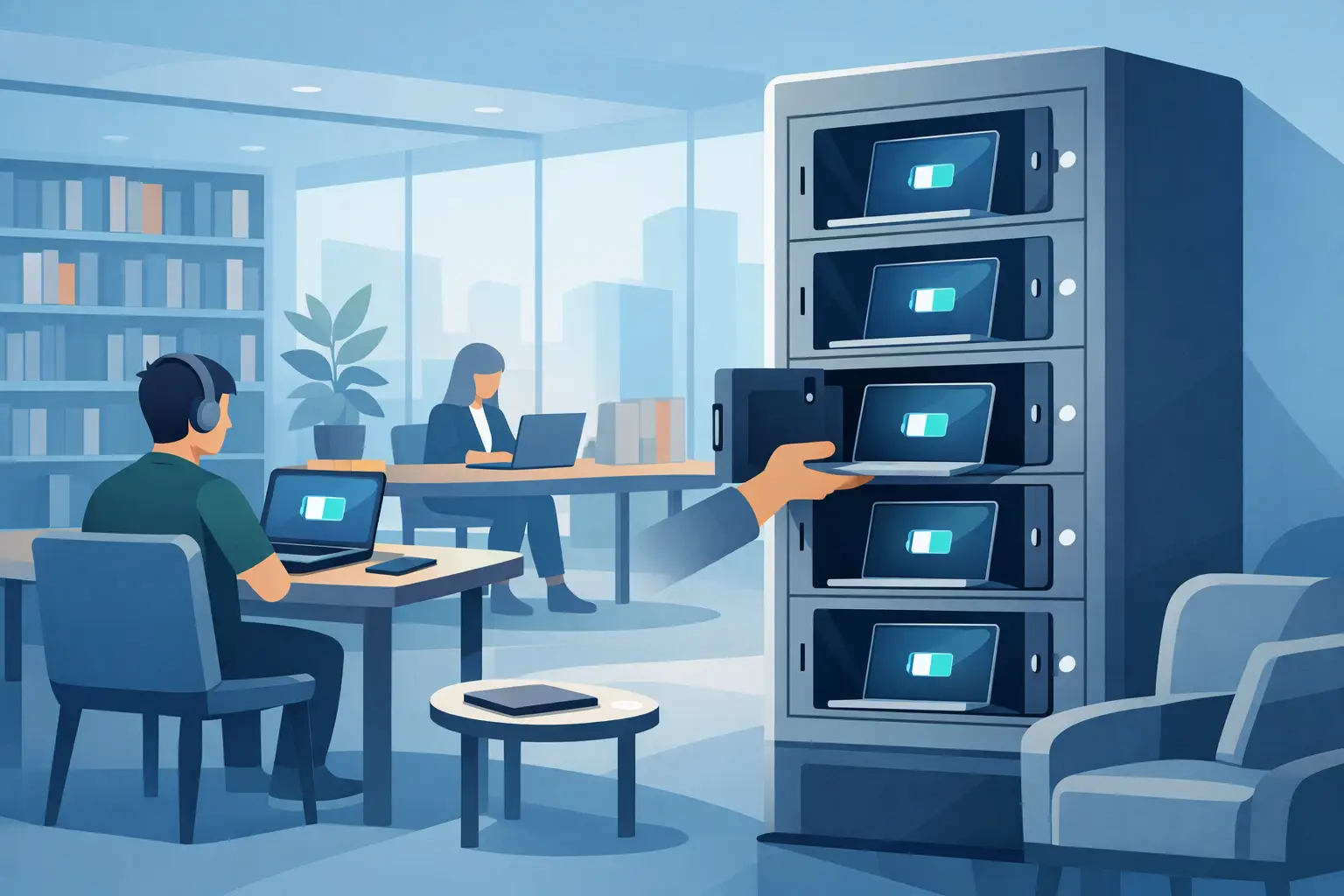
Laptop Charging Kiosk for Libraries That Works
Aug 03, 2026
Choose a laptop charging kiosk for libraries with secure storage, laptop-ready power, simple access, and a funding model that fits your space reliably.
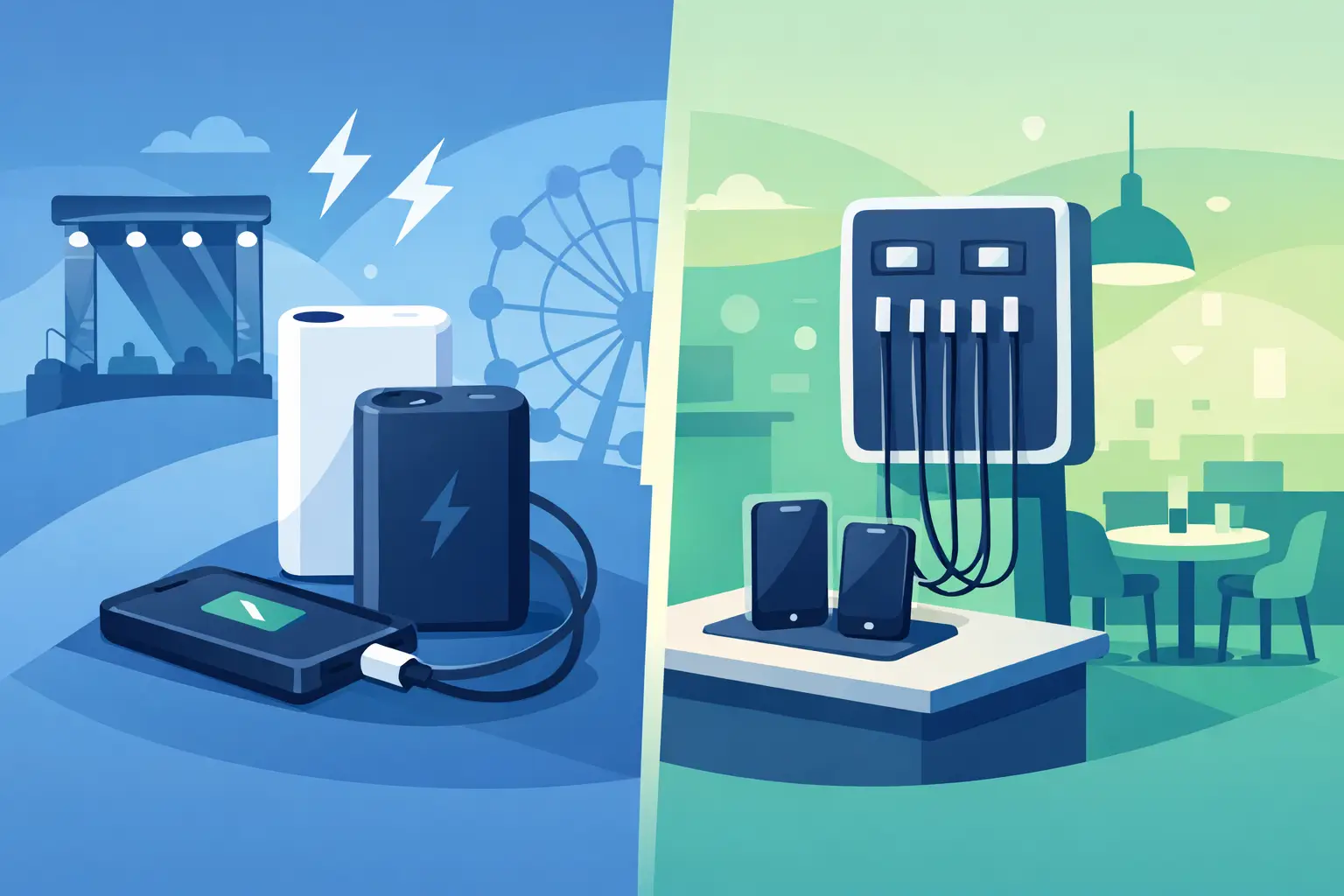
Power Banks vs Fixed Chargers for Venues
Aug 01, 2026
Compare power banks vs fixed chargers for events, venues, and workplaces. Choose secure charging that improves guest experience, uptime, and revenue onsite.
Why Offer Free Device Charging at Your Venue?
Jul 29, 2026
Why offer free device charging? Learn how it keeps visitors engaged, strengthens your brand, supports operations, and can create new revenue opportunities.
Public Charging Station Benefits for Business
Jul 27, 2026
Public charging station benefits include longer visits, happier guests, stronger brand visibility, and practical revenue options for high-traffic venues.

Phone Charging Lockers for Gyms That Members Use
Jul 26, 2026
Phone charging lockers for gyms keep members powered, valuables secure, and workouts on track while creating a valuable amenity or revenue opportunity.
Best Charging Lockers for Offices in 2026
Jul 23, 2026
Find the best charging lockers for offices with secure storage, USB-C support, smart access, and the right capacity for staff, guests, and shared devices.
Phone Charging Stations That Work Harder
Jul 21, 2026
Phone charging stations keep guests engaged, staff productive, and events moving. Learn how to choose secure, scalable options that can earn revenue too.

How to Deploy Charging Amenities That Pay Off
Jul 19, 2026
Learn how to deploy charging amenities that keep visitors powered, increase dwell time, support operations, and create revenue in any venue with clarity.
Secure Charging for Employee Devices at Work
Jul 18, 2026
Secure charging for employee devices keeps work moving while protecting phones, tablets, and laptops. Learn what a practical workplace setup needs today.

Venue Device Charging Solutions That Pay Off
Jul 16, 2026
Venue device charging solutions keep guests connected, increase dwell time, protect devices, and can create new revenue at events and public spaces daily.
Can Charging Kiosks Take Payments? Yes, Here’s How
Jul 14, 2026
Can charging kiosks take payments? See how POS-enabled charging turns low-battery demand into convenience, longer visits, and new venue revenue streams.

Custom Branded Charging Stations That Earn Attention
Jul 11, 2026
Custom branded charging stations turn low-battery stress into longer visits, stronger brand visibility, and a practical revenue opportunity for venues.
Charging Kiosks That People Actually Use
Jul 10, 2026
Charging kiosks keep guests powered, on-site, and engaged. Learn how to choose the right setup for security, revenue, and everyday use.
Charging Stations for Convention Centers
Jul 08, 2026
Charging stations for convention centers reduce attendee stress, boost dwell time, support sponsors, and create new revenue opportunities.

How to Lease Charging Kiosks Smartly
Jul 06, 2026
Learn how to lease charging kiosks with the right terms, pricing, features, and support so your venue adds convenience and potential revenue.
Visitor Amenity Charging Kiosk: What to Buy
Jul 04, 2026
A visitor amenity charging kiosk helps venues keep guests powered, engaged, and on-site while supporting security, branding, and revenue goals.

Business Charging Station Buying Guide
Jul 02, 2026
Business charging station buying guide for choosing secure, scalable charging solutions that improve guest experience and create revenue.
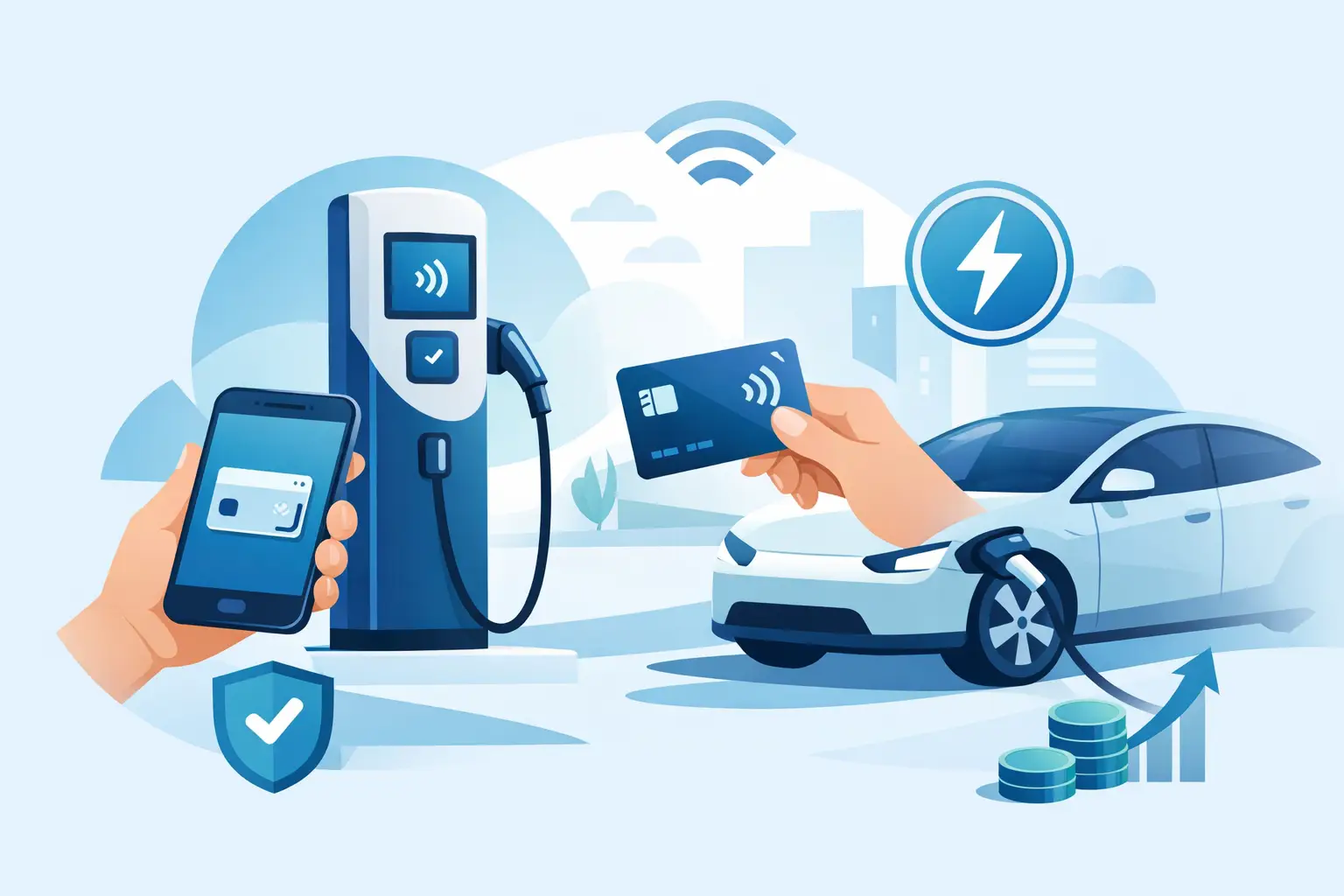
Contactless Payment Charging Station Benefits
Jun 30, 2026
A contactless payment charging station helps venues boost convenience, capture revenue, and keep guests engaged without adding operational friction.
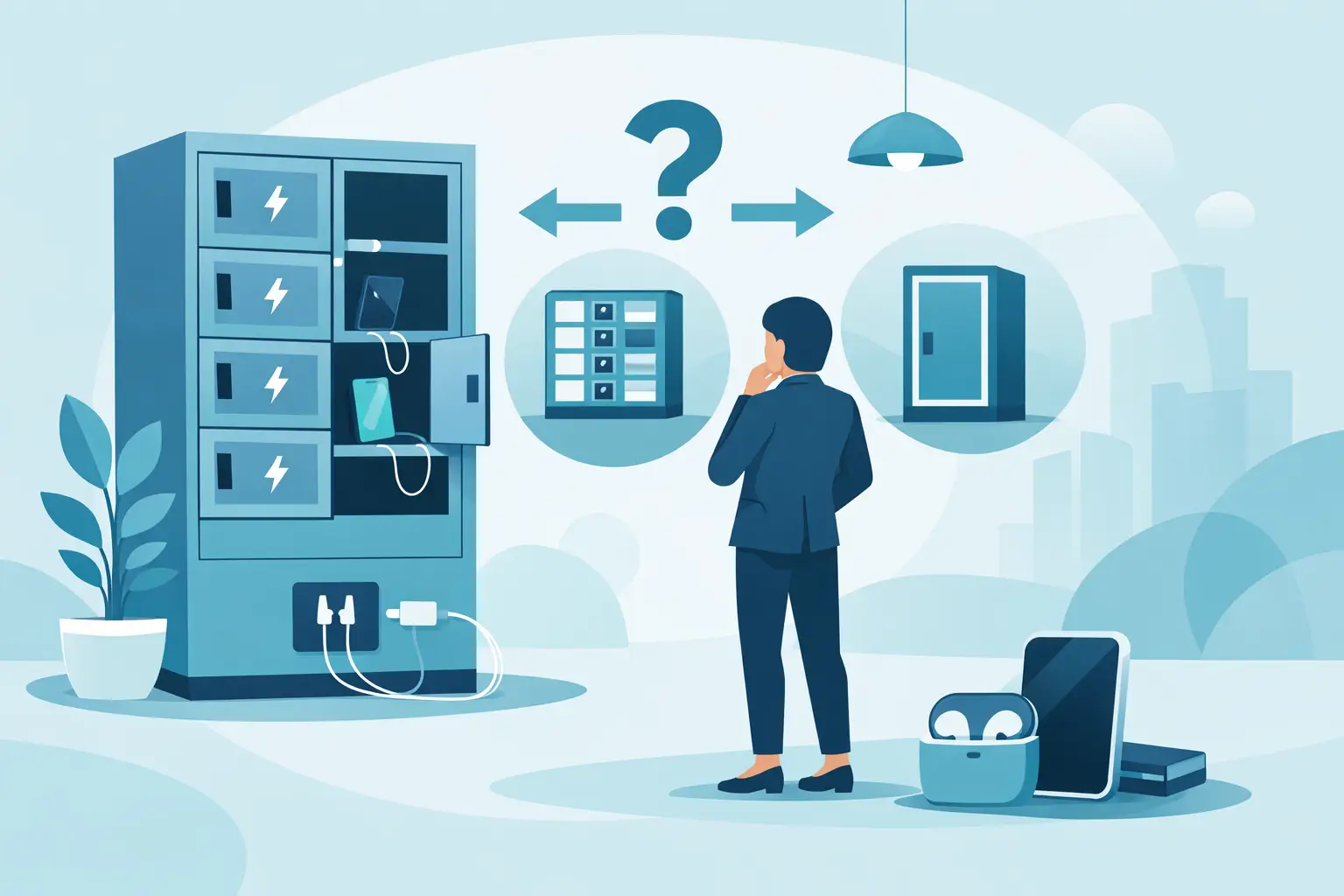
How to Choose Charging Lockers for Your Space
Jun 28, 2026
Learn how to choose charging lockers for events, venues, offices, and retail spaces based on security, device mix, power needs, and ROI.

Are Public Charging Stations Safe to Use?
Jun 26, 2026
Are public charging stations safe to use? Learn the real risks, how secure charging stations work, and what businesses should provide.
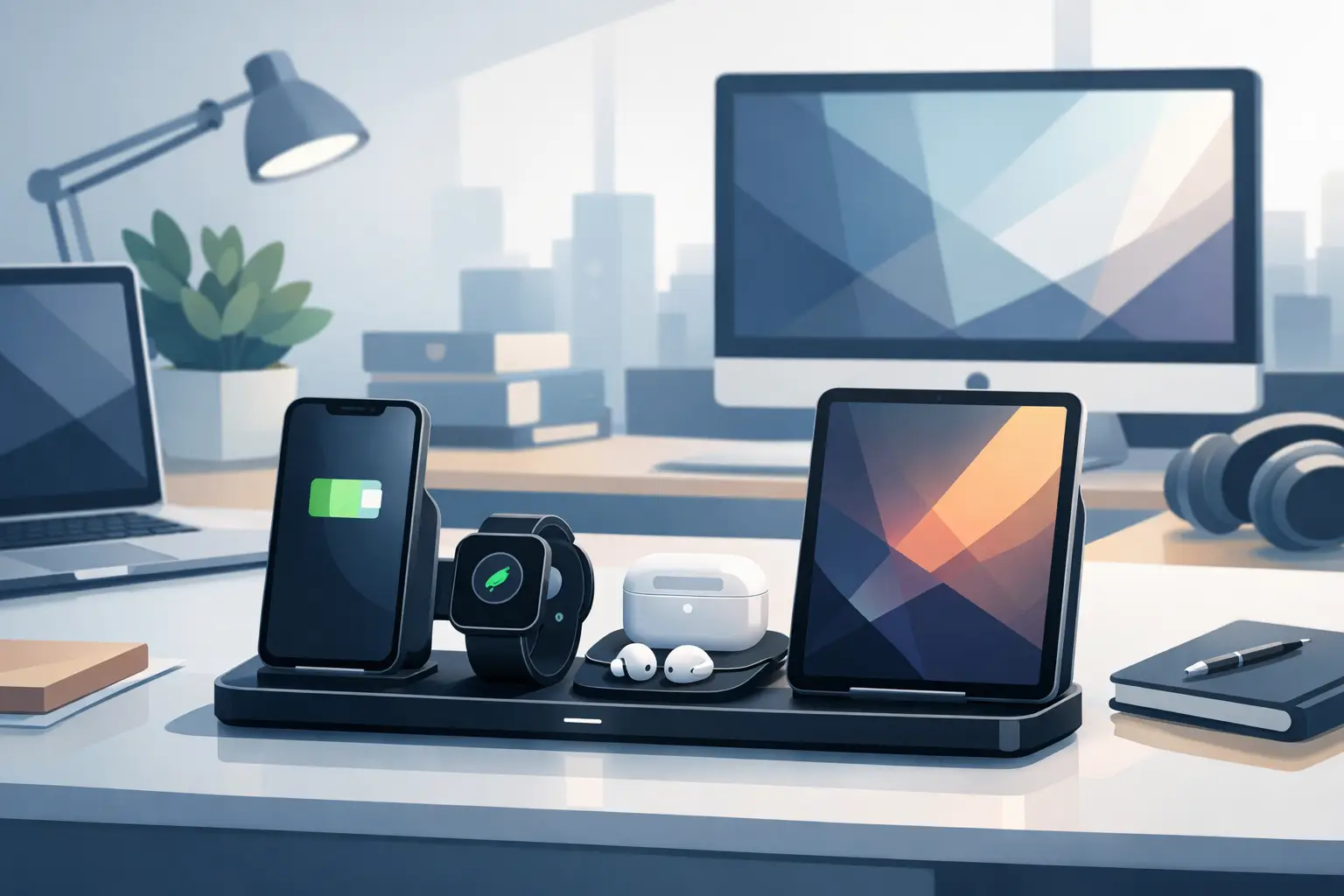
Best Desktop Charging Station for Office Use
Jun 24, 2026
Find the right desktop charging station for office use with tips on safety, device mix, cable management, security, and long-term value.
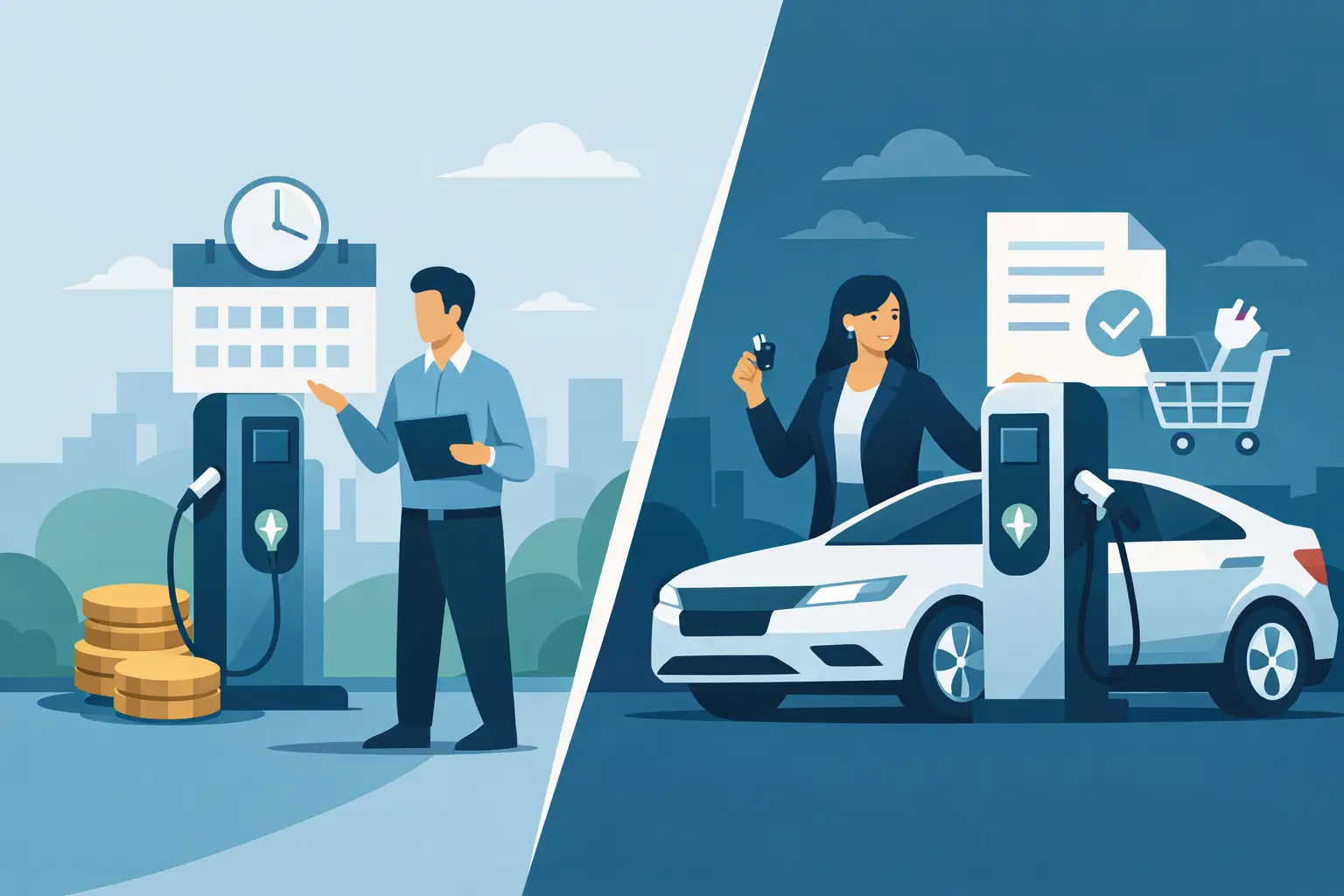
Leasing vs Buying Charging Stations
Jun 22, 2026
Leasing vs buying charging stations comes down to budget, flexibility, and ROI. Learn which model fits events, venues, offices, and retail.
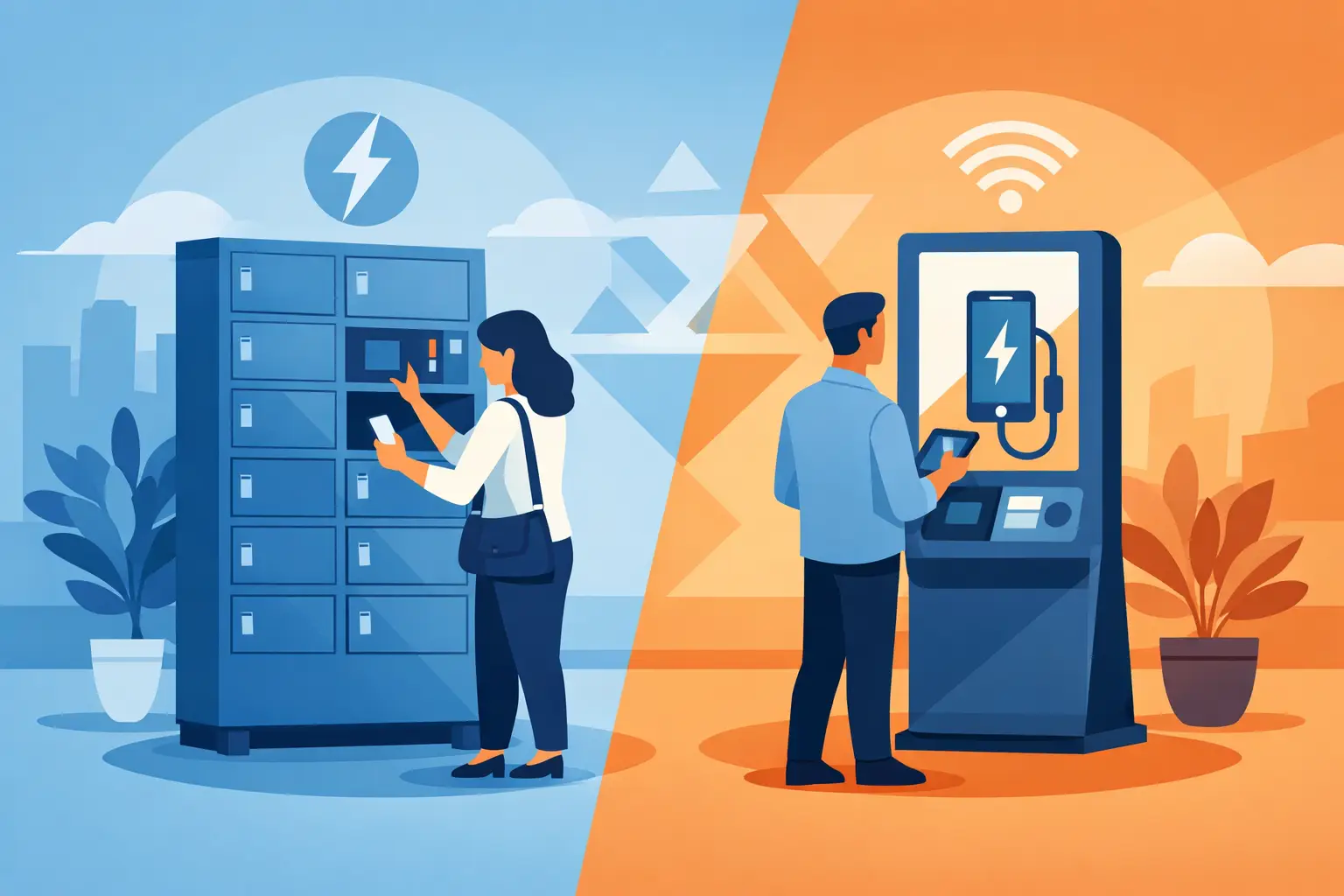
Charging Lockers vs Kiosks: What Fits Best?
Jun 20, 2026
Charging lockers vs kiosks: compare security, throughput, revenue, and fit by venue so you can choose the right charging setup for your space.

Charging Locker ROI Calculator Guide
Jun 17, 2026
Use a charging locker ROI calculator to estimate payback, revenue, and visitor impact. Learn which costs, assumptions, and metrics matter most.

How to Monetize Charging Kiosks
Jun 16, 2026
Learn how to monetize charging kiosks with the right pricing, placement, sponsorships, and formats to turn charging access into revenue.
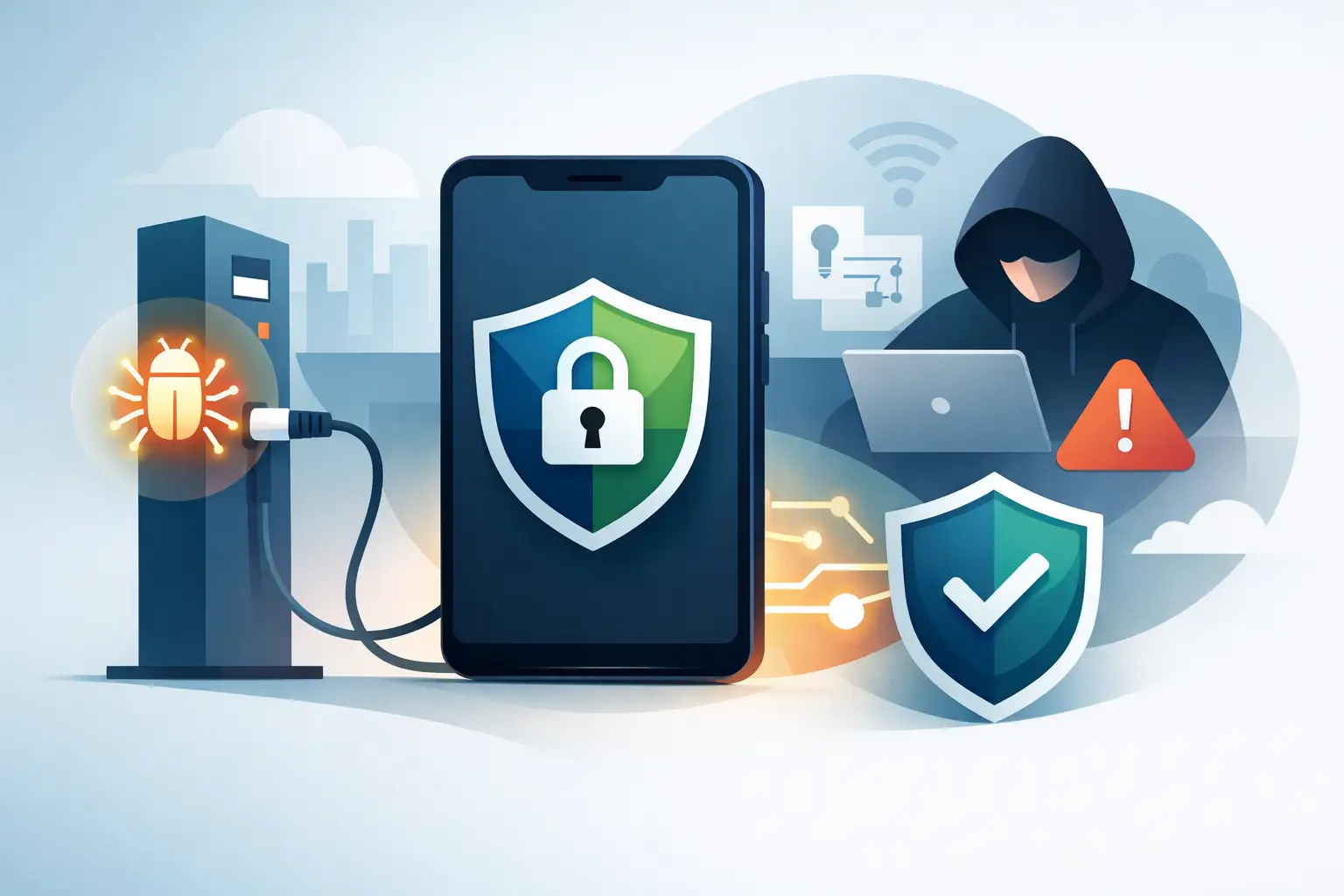
What Is Juice Jacking Protection?
Jun 13, 2026
What is juice jacking protection? Learn how it blocks data theft through USB ports and why businesses should offer safer public charging access.
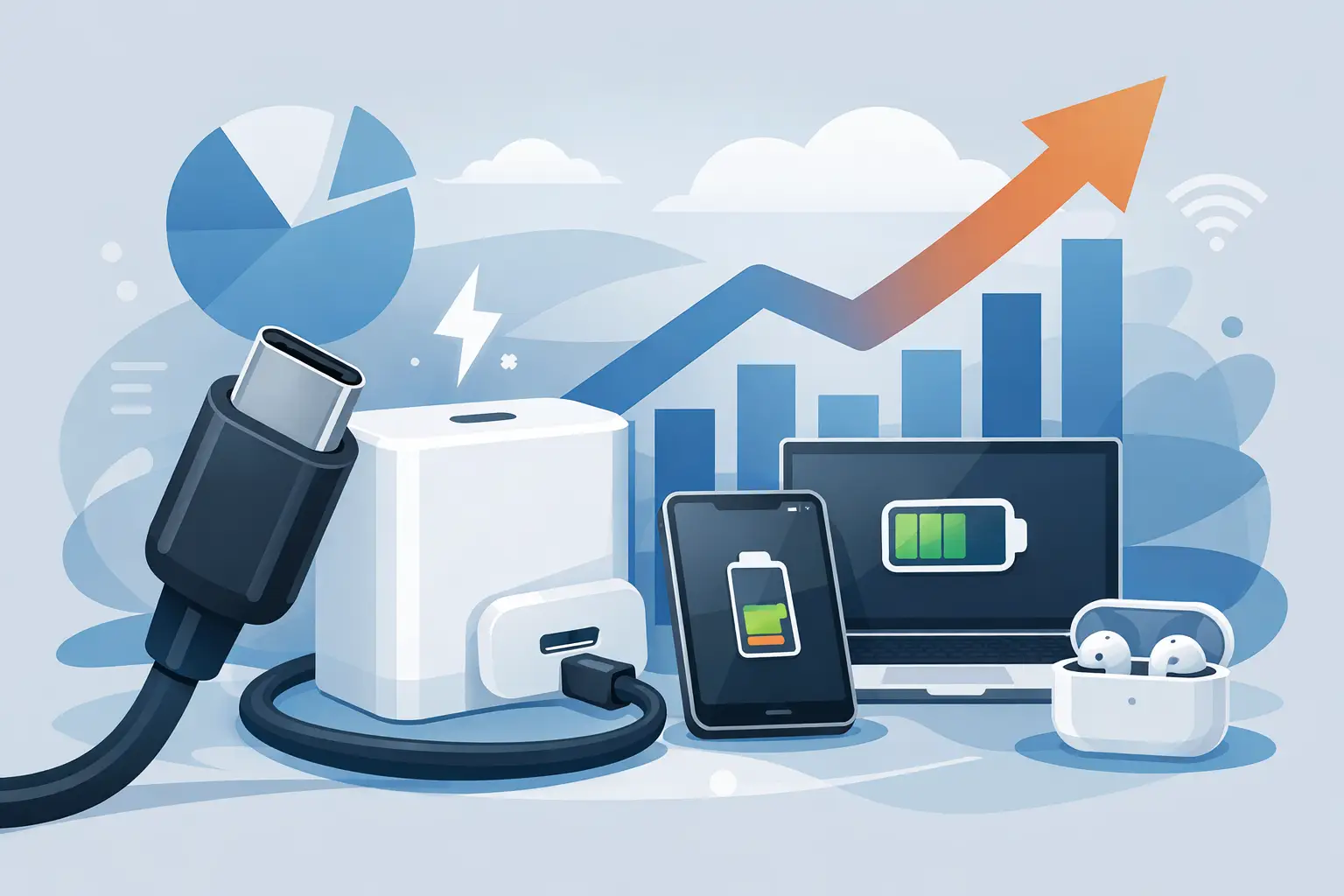
USB C Charging Trends Businesses Should Track
Jun 12, 2026
USB C charging trends are reshaping public, workplace, and event charging. See what matters for compatibility, speed, safety, and ROI.
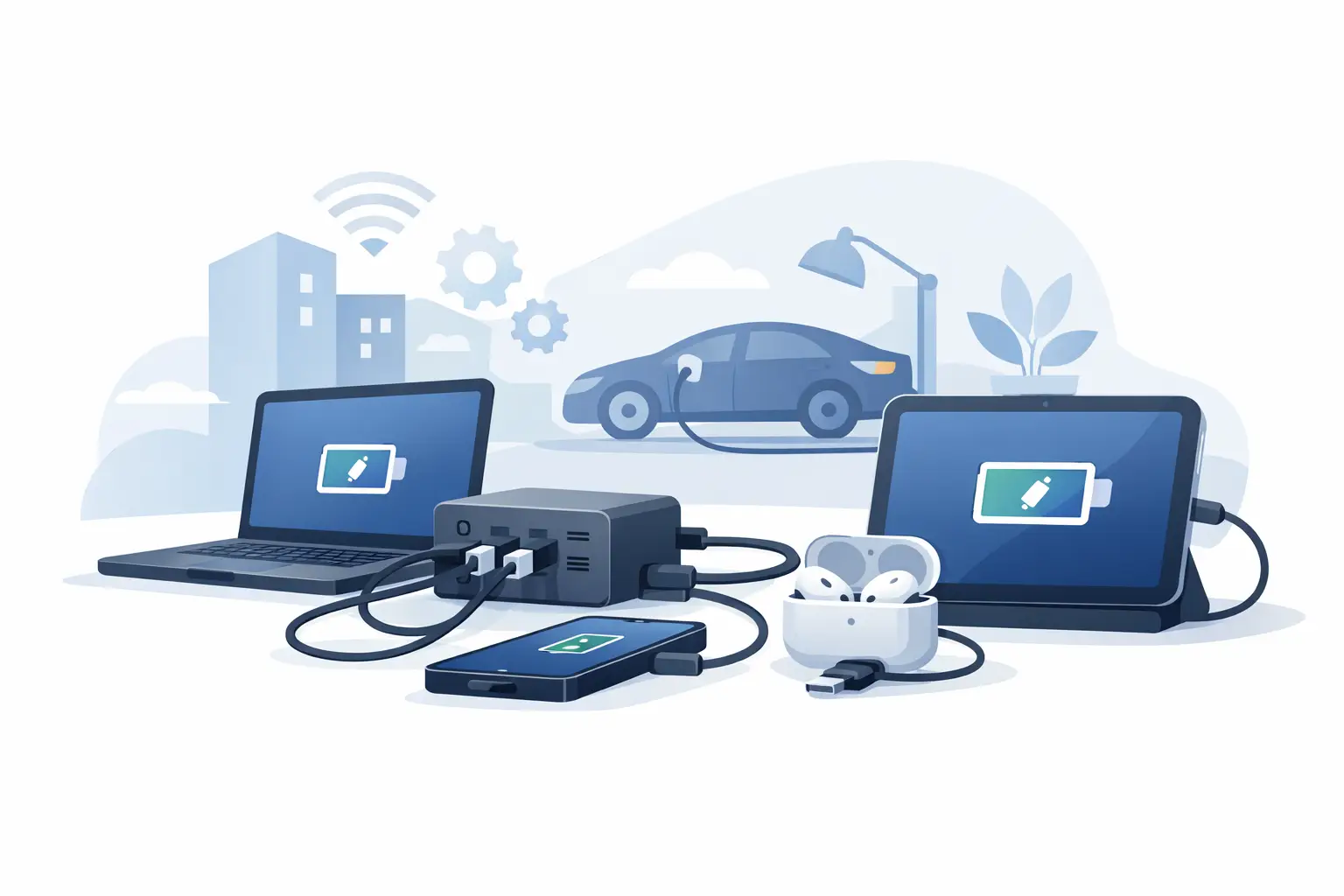
USB C Charging Station Commercial Guide
Jun 09, 2026
A practical look at usb c charging station commercial options, including use cases, power, security, placement, pricing, and ROI for busy venues.
Charging Table for Waiting Room Buyers
Jun 08, 2026
A charging table for waiting room spaces keeps guests powered, improves dwell time, and adds convenience without adding operational friction.

What a Custom Charging Kiosk Wrap Should Do
Jun 07, 2026
A custom charging kiosk wrap should attract attention, fit the venue, and support ROI. Learn what to include and what to avoid.
Branded Charging Station for Events That Works
Jun 06, 2026
A branded charging station for events keeps guests powered, boosts dwell time, supports sponsors, and adds measurable value to the event floor.
Conference Charging Locker Rental That Works
Jun 05, 2026
Conference charging locker rental keeps attendees powered, secure, and engaged while creating smoother events, stronger sponsor value, and revenue.
Trade Show Phone Charging Station Guide
Jun 04, 2026
A trade show phone charging station can boost booth traffic, dwell time, and leads while reducing attendee battery stress and improving event ROI.
Event Charging Station Rental That Works
Jun 03, 2026
Event charging station rental keeps guests powered, engaged, and on site longer. Learn what to rent, what to ask, and how to avoid event-day issues.

Free Phone Charging Station Retail ROI
Jun 02, 2026
See how free phone charging station retail setups increase dwell time, improve customer experience, and support smarter in-store traffic flow.
Charging Kiosk With Payment System: Worth It?
Jun 01, 2026
A charging kiosk with payment system can add revenue, improve guest experience, and extend dwell time. Here's how to choose the right setup.
Pay Per Use Charging Station ROI Explained
May 31, 2026
Learn how a pay per use charging station creates revenue, improves visitor experience, and fits retail, events, offices, and public venues.
Power Bank Rental Station Buyer’s Guide
May 30, 2026
A power bank rental station helps venues keep guests charged, boost dwell time, and create revenue with flexible, low-friction charging access.
Choosing a Laptop Charging Locker Cabinet
May 29, 2026
Learn how to choose a laptop charging locker cabinet for offices, schools, events, and venues with the right mix of security, power, and ROI.

Tablet Charging Locker for Schools: What Matters
May 28, 2026
A tablet charging locker for schools improves device security, charging access, and classroom readiness. Here’s what buyers should evaluate.
Secure Phone Charging Locker Buying Guide
May 27, 2026
Choose a secure phone charging locker that protects devices, improves guest experience, and fits your space, budget, and usage model.

Phone Charging Station for Business ROI
May 26, 2026
A phone charging station for business can boost dwell time, improve customer experience, and create revenue when matched to the right space.

How to make your phone battery last longer
Mar 20, 2025
It’s no secret that some smartphones have more powerful and longer lasting batteries than others. However, no matter how powerful the battery or how energy efficient your phone is, there are a number of apps and settings that will drain your battery faster. Identifying these apps and settings will help you keep usage to a […]

Phone Batteries – The Best and The Worst
Mar 29, 2017
When buying a new smartphone, there are a number of factors you will consider. From the brand and price, to the operating system, and other features like the camera. No matter what kind of phone you choose or the reason behind your purchase, one thing is for sure – you want the battery to last […]
What is USB-C and why is it important?
Mar 15, 2017
By now, you may have heard people talking about USB type C or perhaps you have even tried it out yourself. Either way, many experts agree that this is the future of USB ports and cables. What many people may not realize is that this particular type of connection is significantly different from older types […]