Multi Device Charger Review for Business Buyers
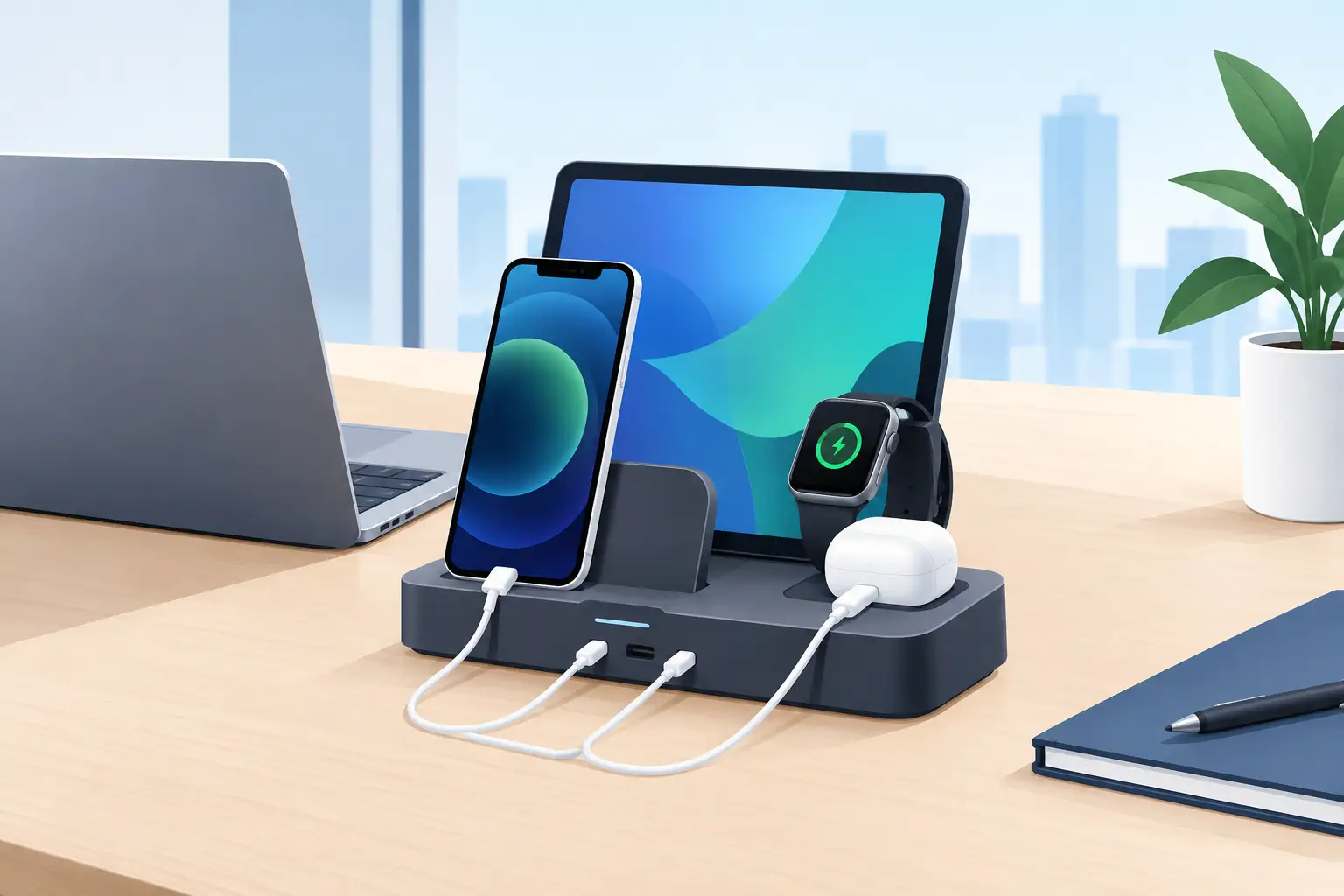
A dead phone at a conference, retail store, airport lounge, or office is not a minor inconvenience. It can interrupt a sale, strand a traveler without a boarding pass, pull an attendee away from an event, or leave a staff member unable to access essential work tools. This multi device charger review examines what business buyers should expect from shared charging equipment and where consumer-style chargers fall short.
The right solution does more than supply power. It gives visitors a reason to stay, gives staff a dependable amenity, and can create a paid service or sponsored brand experience. The wrong one creates cable clutter, compatibility complaints, safety concerns, and equipment that cannot keep up when demand peaks.
What a Multi Device Charger Review Should Measure
A useful review for a business is different from a review written for someone charging a phone and earbuds on a nightstand. Organizations need to evaluate charging access as part of the customer experience and, in many cases, as physical infrastructure.
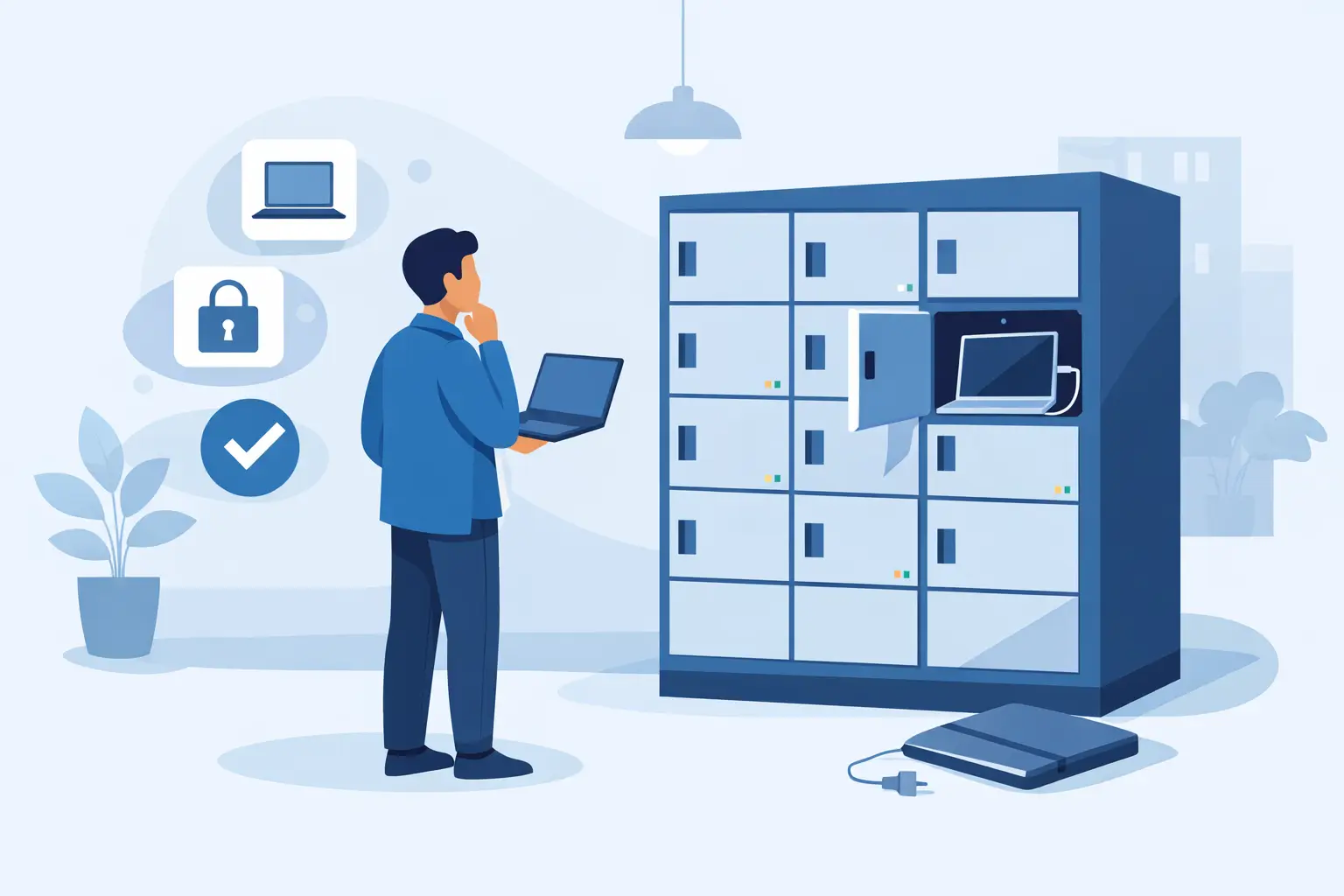
Start with the environment. A desktop charger may be ideal for an office reception area, library table, or employee break room where people can remain nearby. A lockable charging locker is a better fit for a hospital, university, fitness center, public venue, or convention hall where users need to leave devices securely while they move around. A power bank rental station can make sense when guests need to keep using their phones throughout a large property or event.
The central question is not simply, How many ports does it have? It is, Can this unit serve the number of people who need power, in the way they need it, without creating operational work for your team?
Charging capacity is more than port count
A 10-port charger sounds capable, but capacity depends on its total available wattage, how that power is shared, and the devices connected at once. If ten modern phones are connected to an underpowered unit, each user may receive a slow charge. That leads to the familiar experience of a phone gaining only a few percentage points during a meaningful wait.
Look for charging systems that clearly state total output and per-port capability. USB-C Power Delivery matters for current phones, tablets, and many laptops, while USB-A remains relevant for legacy cables and accessories. A mixed-port setup can be practical in public settings, but the balance should reflect your users. An office with USB-C laptops has different needs than a stadium serving mostly phone users.
Fast charging also needs sensible power management. Equipment should distribute power predictably and protect devices from overcurrent, overheating, and voltage issues. A charger that advertises high output but cannot sustain it across multiple active devices is not built for demanding shared use.
Compatibility reduces service calls
Public charging becomes frustrating when a guest arrives with a device the station cannot support. Apple Lightning devices are still widely used, USB-C is now standard across many new phones and tablets, and some older equipment continues to use Micro-USB. Cable choice is therefore a service decision, not an afterthought.
Built-in cables are convenient because users do not need to bring their own. They also help keep the area organized. However, public cables experience constant handling, so they must be commercial-grade and easy to service. USB charging ports provide flexibility for guests carrying their own cables, but they put more responsibility on the user.
For organizations managing tablets, handheld scanners, laptops, or other company assets, compatibility should include storage dimensions, charging adapters, and cable routing. A station that charges a phone well may not be the right answer for a fleet of devices that needs to be stored, tracked, and ready for the next shift.
The Security Test in a Multi Device Charger Review
An open charging bar is useful when people can watch their devices. It is less useful when guests need to attend a meeting, shop, use a restroom, or walk a trade show floor. In those situations, secure charging changes the value of the amenity.
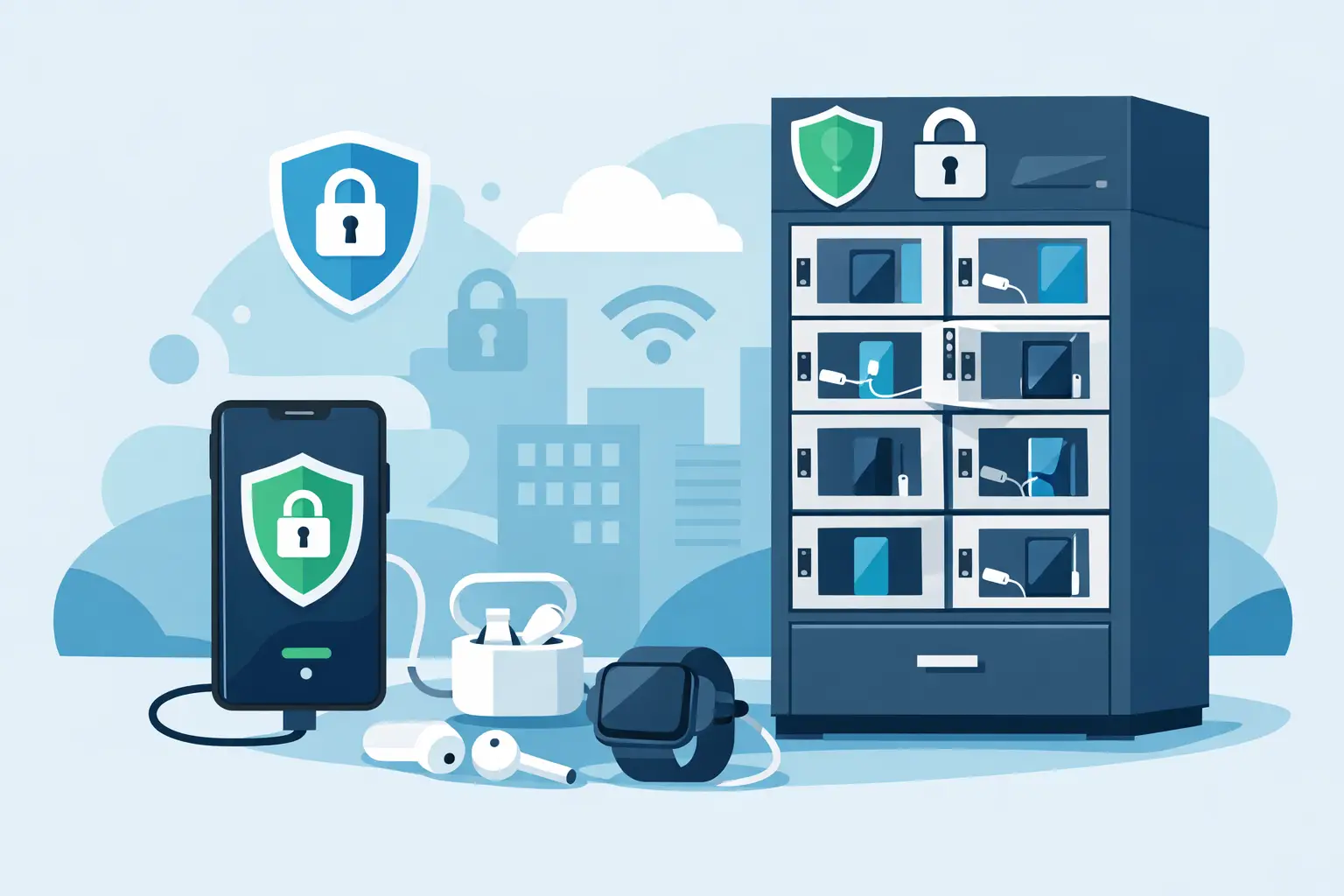
Lockable compartments allow users to charge while keeping their phones, tablets, or laptops out of sight. That can reduce anxiety and encourage people to remain on-site instead of leaving to search for an outlet or returning to a hotel room. For staff deployments, secure lockers also reduce the risk of devices being misplaced between shifts.
Security should be easy to use. Complicated instructions, unreliable locks, or a key process that requires staff intervention will limit adoption. Consider whether access is managed by a user-selected code, a central administrator, RFID credentials, or another method that fits your operation. The best choice depends on whether the equipment is serving the public, employees, students, or a controlled device fleet.
Physical durability belongs in the same conversation. Public-facing chargers need stable construction, protected electronics, manageable cables, and surfaces that can handle regular cleaning. A lightweight consumer unit may be inexpensive at checkout, but repeated replacement can cost more than equipment designed for daily use.
Safety protects users and your reputation
Businesses should not treat charging safety as a feature to verify later. Shared power equipment needs properly engineered protection against common electrical risks, and its specifications should be transparent. Look beyond visual design to the details: surge protection, temperature management, certified components, cable strain relief, ventilation where required, and a warranty backed by a provider that understands commercial deployment.
There is also a data-security concern. Guests may hesitate to use unfamiliar USB ports because of public warnings about data theft. Charging systems designed to provide power-only charging help address that concern. Clear on-site messaging can further reassure users that the station is intended to charge devices, not access data.
Revenue and Experience: The Business Case
Free charging can be a strong hospitality benefit. A retailer may use it to increase dwell time. A hotel may use it to improve guest satisfaction. An employer may use it to support productivity and show practical care for staff. At an event, visible charging can pull attendees toward a booth, lounge, or sponsor activation.
Pay-per-use charging can also turn a service need into a revenue opportunity. This model is especially relevant in high-traffic venues where charging demand is frequent and the convenience is immediate. Payment-enabled stations should have a clear user flow, pricing that fits the venue, and a process for resolving exceptions without creating a line at customer service.
Branding adds another layer of value. A charger, locker, kiosk, or rental station can carry venue messaging, sponsor creative, event information, or a campaign design. Because people interact with it at a moment of real need, the placement and presentation can be more memorable than a passive sign. The branding should support the user experience, not obscure instructions or make ports difficult to identify.
ChargeBar works with organizations that need this flexibility, from simple shared charging access to secure, branded, and monetized deployments. The right format depends on traffic patterns, available floor space, power access, user behavior, and whether charging is an amenity, an operational tool, or both.
Questions to Ask Before You Buy
Before approving a multi-device charging solution, ask for direct answers to a few practical questions. How many devices can charge at usable speeds at the same time? Which connectors are included? Can people secure devices while charging? What happens when a cable wears out or a compartment needs service? Is the unit appropriate for public use, employee use, or managed assets? Can it accept payment or display branding if your model changes later?
Also ask who will own routine oversight. A plug-and-play desktop unit may need little attention beyond cleaning and occasional cable replacement. A large locker bank or rental system may need staff training, usage reporting, placement planning, and a defined escalation path. The equipment should simplify the operation, not become another unattended system that only gets noticed when it fails.
Budget should account for the full deployment, including shipping, installation, electrical requirements, customization, software or payment needs, and maintenance. Leasing, financing, and event rental options can be worthwhile when capital budgets are tight or when a program needs to be tested before a wider rollout.
A multi-device charger earns its space when it removes friction at a moment users feel most acutely. Choose the format that fits how people move through your location, protect the devices they rely on, and make every charge support a better visit, a stronger operation, or a measurable commercial return.
Related posts
Multi Device Charger Review for Business Buyers
Nov 16, 2026
Our multi device charger review shows business buyers what matters most: charging speed, security, compatibility, uptime, and revenue potential at scale daily.

How to Customize Charging Furniture for Your Space
Nov 14, 2026
Learn how to customize charging furniture with branding, ports, security, payments, and placement that improve guest experience and business results today.
Should Venues Provide Charging Cables for Guests?
Nov 12, 2026
Should venues provide charging cables? Learn when cables improve guest experience, when they create risk, and how secure charging stations deliver value.

University Charging Options Students Will Use
Nov 08, 2026
University charging options keep students connected, protect devices, reduce support needs, and can create practical campus revenue in busy spaces daily.
Rental Versus Purchase Charging: Which Fits?
Nov 06, 2026
Compare rental versus purchase charging for events, venues, and workplaces. Choose a secure, scalable model for demand, budget, revenue, and growth ahead.
How to Charge Customers for Phone Charging
Nov 05, 2026
Learn how to charge customers for phone charging with practical pricing, payment, placement, and service strategies that turn power into revenue reliably.
Power Bank Sharing Trends Businesses Can Use
Nov 02, 2026
Power bank sharing trends are reshaping venue charging. See what operators need to know about convenience, security, payments, and deployment options.
USB-C Migration Trends Businesses Need to Plan For
Oct 31, 2026
USB-C migration trends are changing public charging. See what businesses should upgrade to support phones, tablets, laptops, safety, and revenue growth.

Event Charging Sponsorship Guide for Better ROI
Oct 29, 2026
Use this event charging sponsorship guide to build sponsor value, select the right charging setup, measure results, and improve attendee experience now.
Charging Station Financing Options for Business
Oct 28, 2026
Compare charging station financing options for your business, from purchase and leasing to rentals and revenue-share models that fit your rollout goals.

Charging Furniture That Keeps Visitors Longer
Oct 25, 2026
Charging furniture gives visitors a place to power up, stay longer, and keep moving. Learn how to choose secure, profitable options for your space with confidence.

Kiosk Revenue Case Study That Can Pay Off
Oct 23, 2026
A kiosk revenue case study for venue operators: learn how pricing, foot traffic, payment flow, and placement shape charging station returns over time.
How to Lease Charging Equipment for Your Venue
Oct 21, 2026
Learn how to lease charging equipment that fits your venue, protects devices, supports modern USB-C needs, and can create a new revenue stream for guests.
How to Prevent Cable Theft at Charging Stations
Oct 19, 2026
Learn how to prevent cable theft at public and workplace charging stations with better hardware, placement, inspections, and simple operating policies.
Charging Station Durability That Holds Up
Oct 17, 2026
Charging station durability protects uptime, visitor trust, and revenue. Learn what to look for in materials, cables, locks, power, and service needs.

Commercial Charging Procurement Guide for Buyers
Oct 15, 2026
Use this commercial charging procurement guide to choose secure, scalable device charging for venues, staff, and events while managing cost and ROI wisely.
Public Phone Charging Setup Guide for Venues
Oct 13, 2026
A public phone charging setup guide for venues that want safer access, longer visits, and practical revenue from reliable charging stations on site daily.
What Is Power Bank Rental for Businesses?
Oct 11, 2026
What is power bank rental? Learn how rental stations work, where they fit, and how businesses can improve guest experience and create revenue on-site.
Charging Station Sponsorship Results That Matter
Oct 09, 2026
Measure charging station sponsorship results with practical metrics for brand exposure, engagement, leads, dwell time, and revenue across live events.
How to Finance Charging Infrastructure Wisely
Oct 07, 2026
Learn how to finance charging infrastructure with purchase, lease, rental, and revenue models that fit your venue, event, budget, and growth goals today.
How to Install Charging Lockers Safely at Work
Oct 05, 2026
Learn how to install charging lockers safely with practical placement, power, security, and maintenance guidance for workplaces and public venues every.
Commercial Charging Locker Review for Buyers
Oct 03, 2026
A commercial charging locker review for buyers comparing security, charging speed, payment options, capacity, and long-term operating value at venues.

How to Manage Shared Devices Without the Chaos
Oct 01, 2026
Learn how to manage shared devices with clear ownership, secure charging, simple checkout rules, and reporting that keeps teams productive every shift.
Charging Station Maintenance That Protects Uptime
Sep 29, 2026
Charging station maintenance protects uptime, revenue, and user trust with practical inspections, cleaning, cable care, and payment system checks weekly.
Charging Locker System Review for Busy Venues
Sep 27, 2026
Read this charging locker system review to compare security, charging speed, payment options, and ROI for events, offices, retail, and venues nationwide.
Lockers Versus Powerbanks: Which Fits Your Space?
Sep 25, 2026
Lockers versus powerbanks: compare security, dwell time, staffing, revenue, and deployment needs to choose the right charging amenity for your venue today.
Public Device Charging Trends for Venues
Sep 23, 2026
Public device charging trends are reshaping venues, events, and workplaces with secure USB-C access, locker charging, and revenue-ready options for guests.
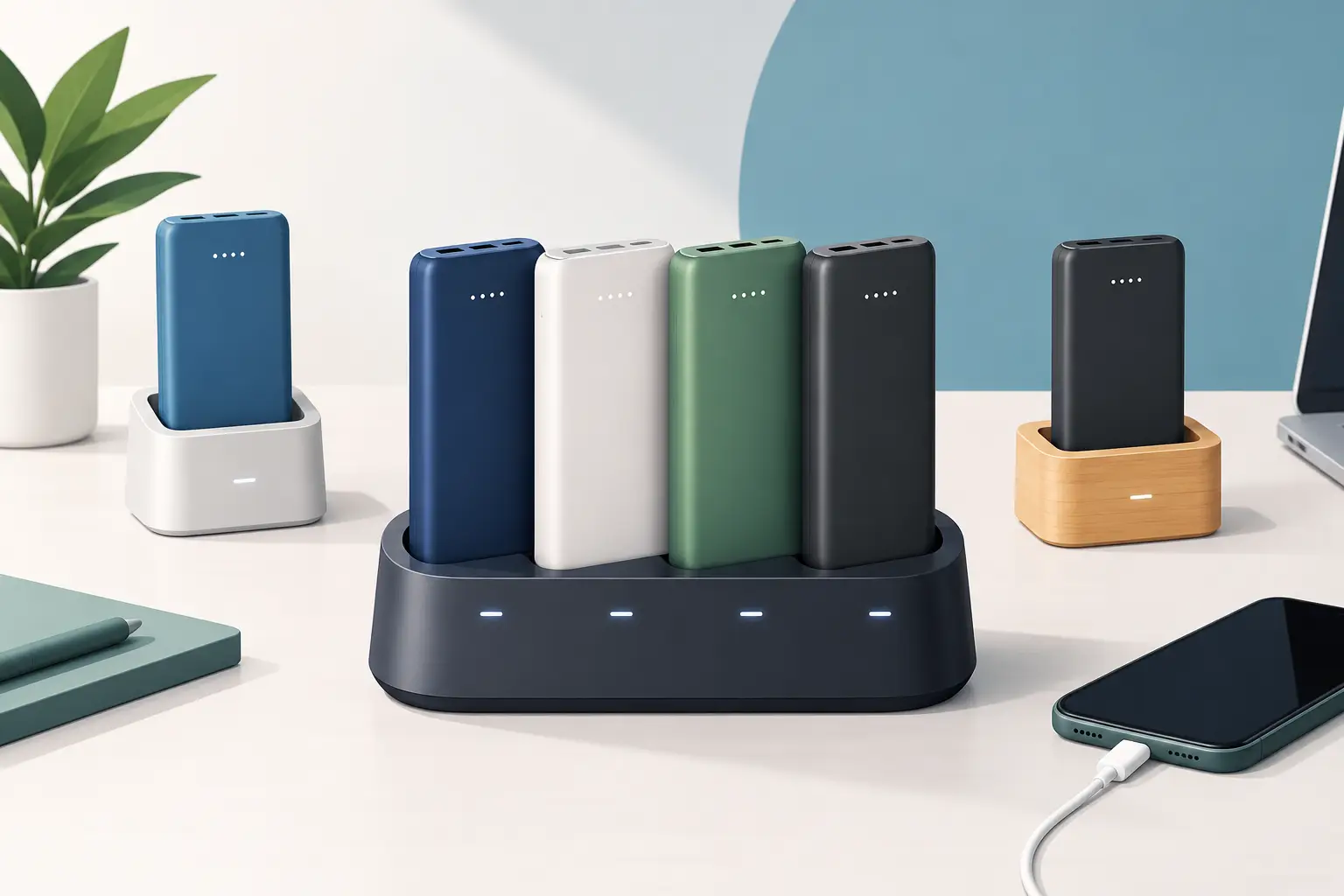
How to Create Branded Power Bank Docks That Sell
Sep 21, 2026
Learn how to create branded power bank docks that keep visitors engaged, strengthen your brand, and support free or paid charging programs on-site daily.

Locker Deployment Example for Busy Venues
Sep 19, 2026
See a locker deployment example that helps venues provide secure phone charging, reduce low-battery stress, and create a practical revenue option for guests.
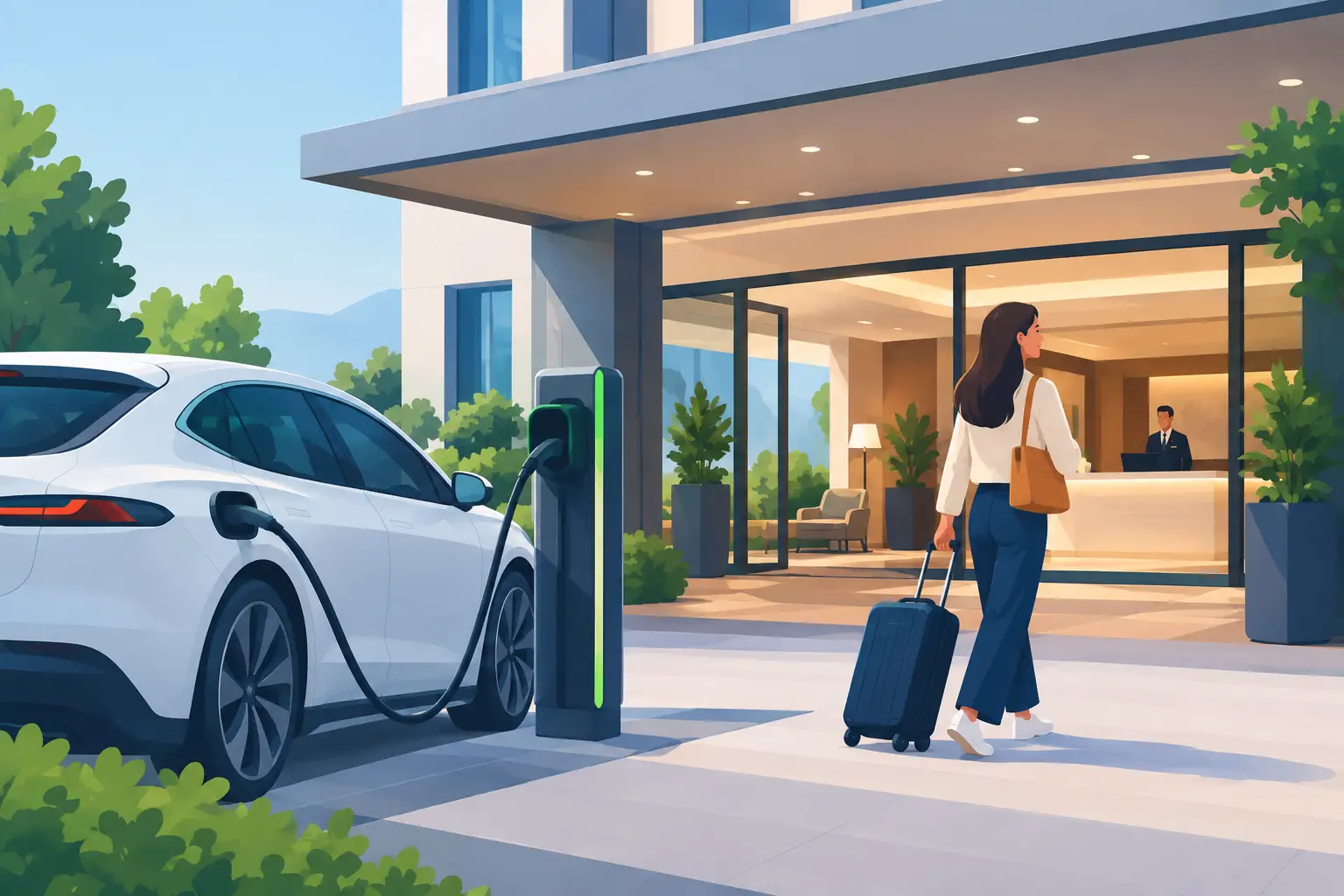
Hotel Charging That Keeps Guests On Property
Sep 17, 2026
Hotel charging gives guests a secure place to power phones and laptops, extend their stay, and create new hospitality revenue opportunities on site daily.
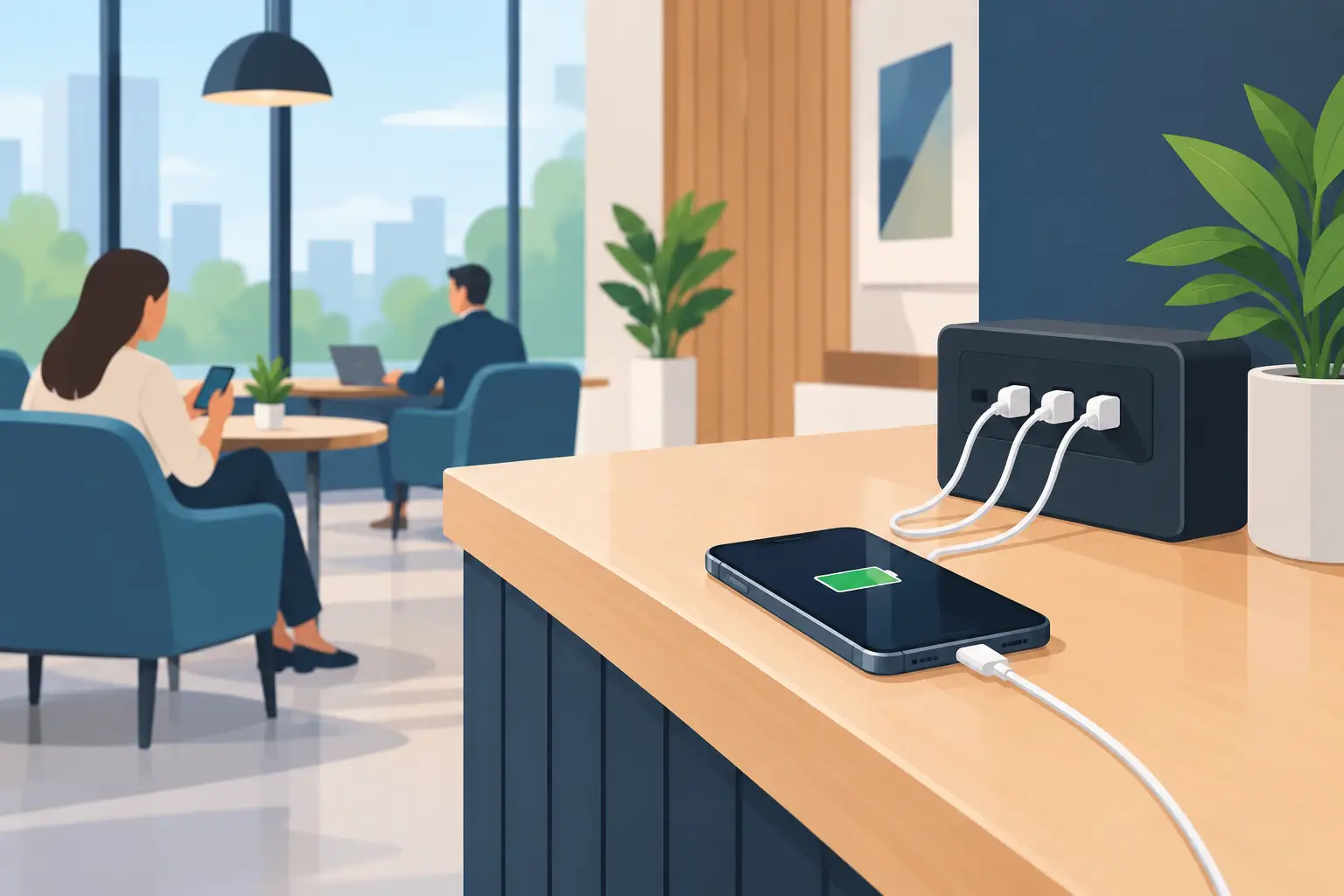
How to Add Phone Charging to Your Business
Sep 15, 2026
Learn how to add phone charging to your business with secure, scalable stations that improve guest experience, dwell time, and revenue potential daily.
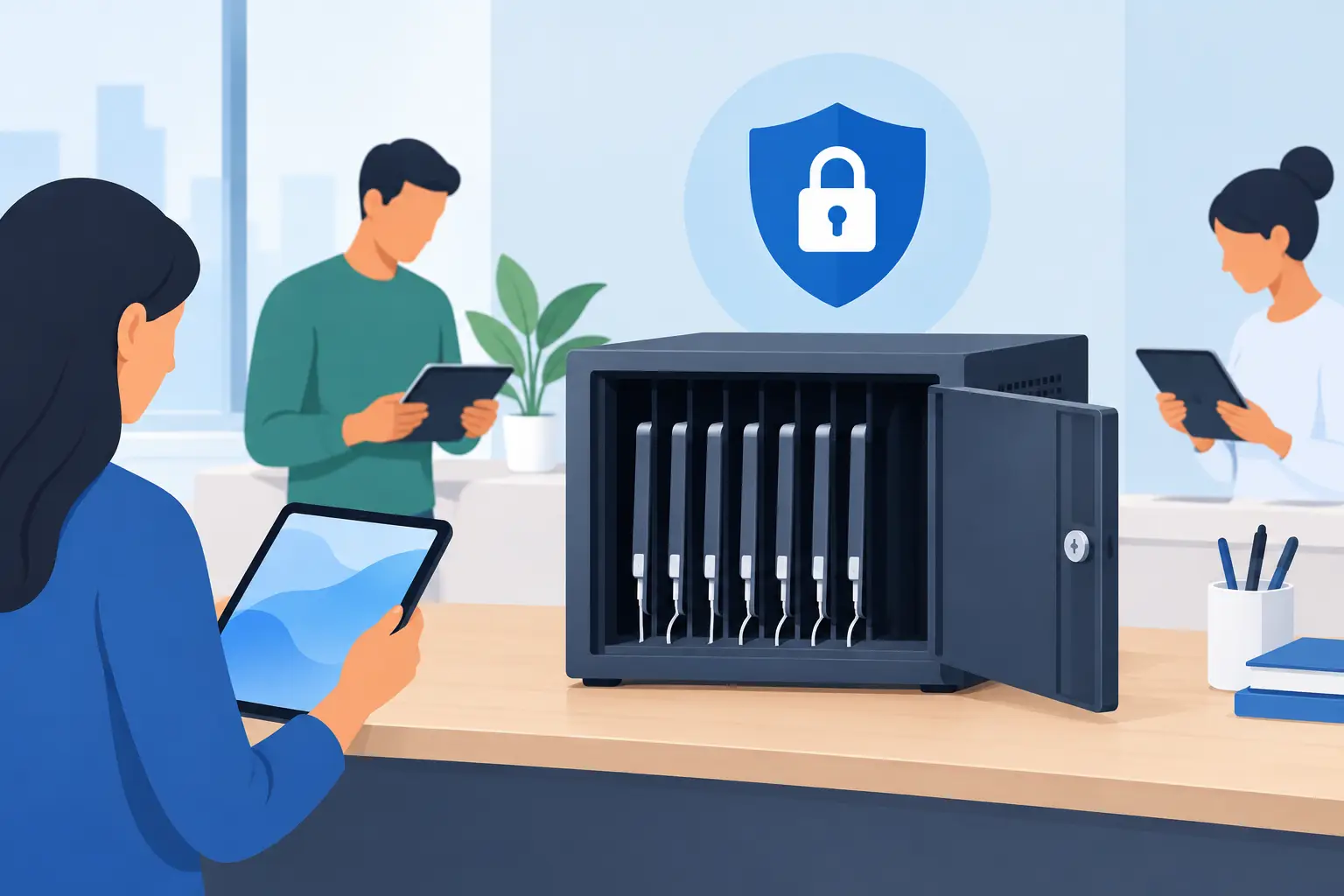
Best Secure Tablet Storage for Shared Devices
Sep 13, 2026
Find the best secure tablet storage for shared devices, events, offices, and public spaces with charging, access control, and room to scale confidently.

Power Bank Docking Review for Busy Venues
Sep 11, 2026
Use this power bank docking review to compare charging speed, security, payment options, branding, and operating costs before committing to deployment.

Charging Locker Procurement That Pays Off
Sep 09, 2026
Make charging locker procurement simpler with a practical plan for capacity, security, payment options, deployment, and long-term operating daily value.
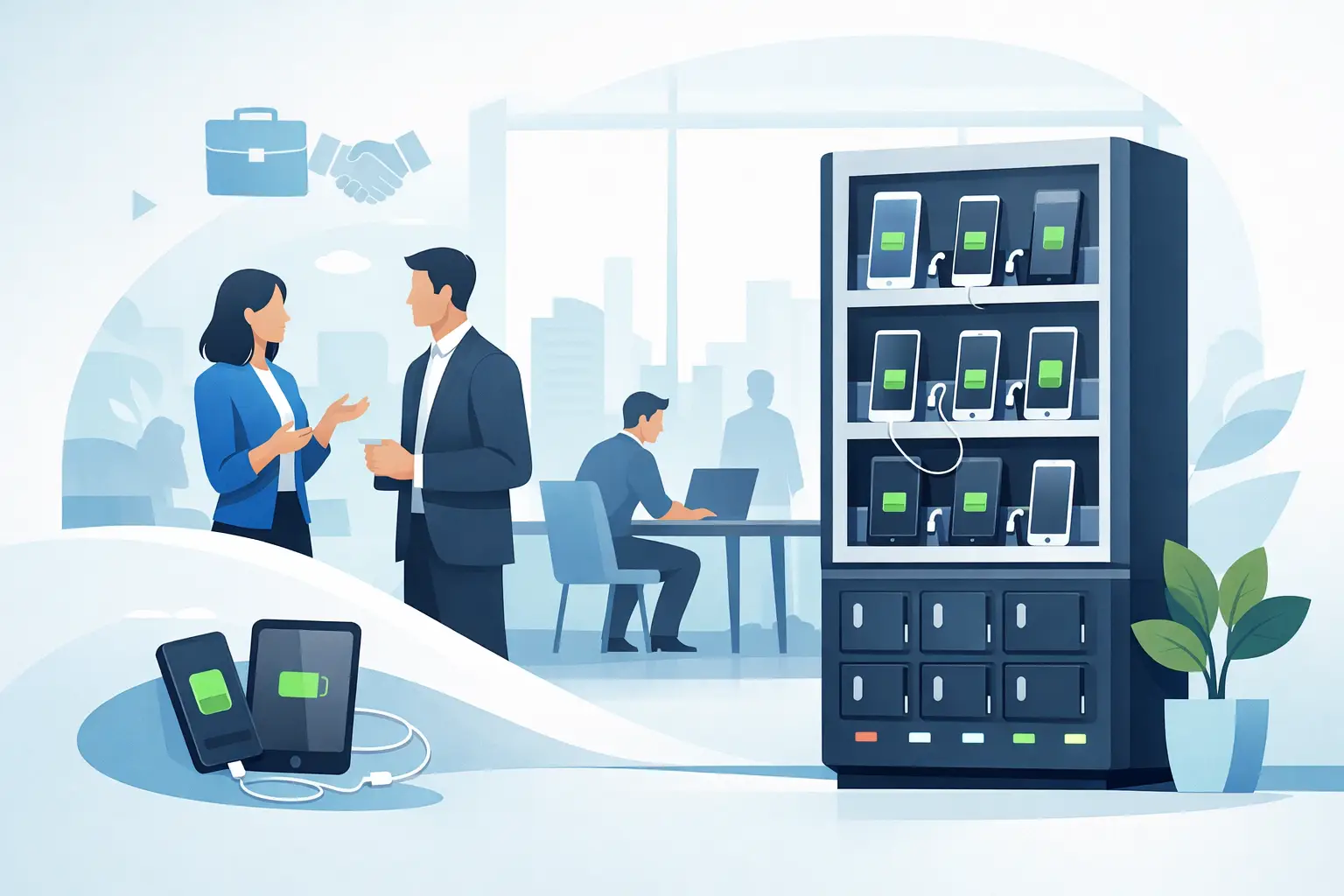
Phone Charging Station Leasing for Businesses
Sep 08, 2026
Phone charging station leasing gives businesses a flexible way to add secure, branded charging while protecting cash flow and creating new revenue streams

Multi Device Charging Cabinets for Busy Venues
Sep 06, 2026
Multi device charging cabinets give visitors secure power, help staff manage shared devices, and create a practical amenity or revenue stream for venues.

How to Rent Charging Stations for Your Event
Sep 04, 2026
Learn how to rent charging stations for events, offices, and venues, from choosing secure formats to planning power, branding, delivery, and ROI needs.
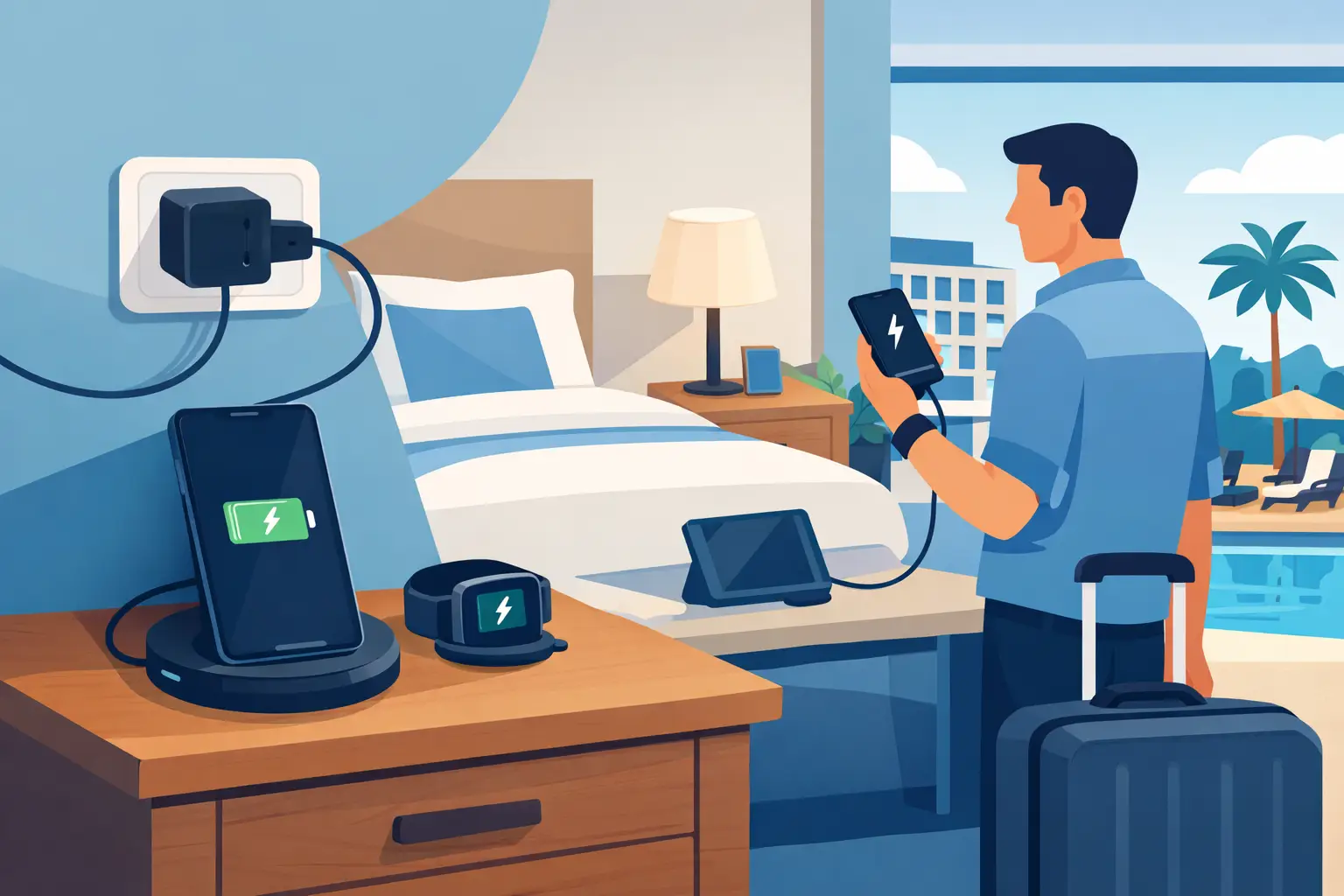
Best Phone Charging for Hotels and Their Guests
Sep 02, 2026
Find the best phone charging for hotels with secure, guest-ready options that improve stays, support staff, and create new revenue opportunities on property.
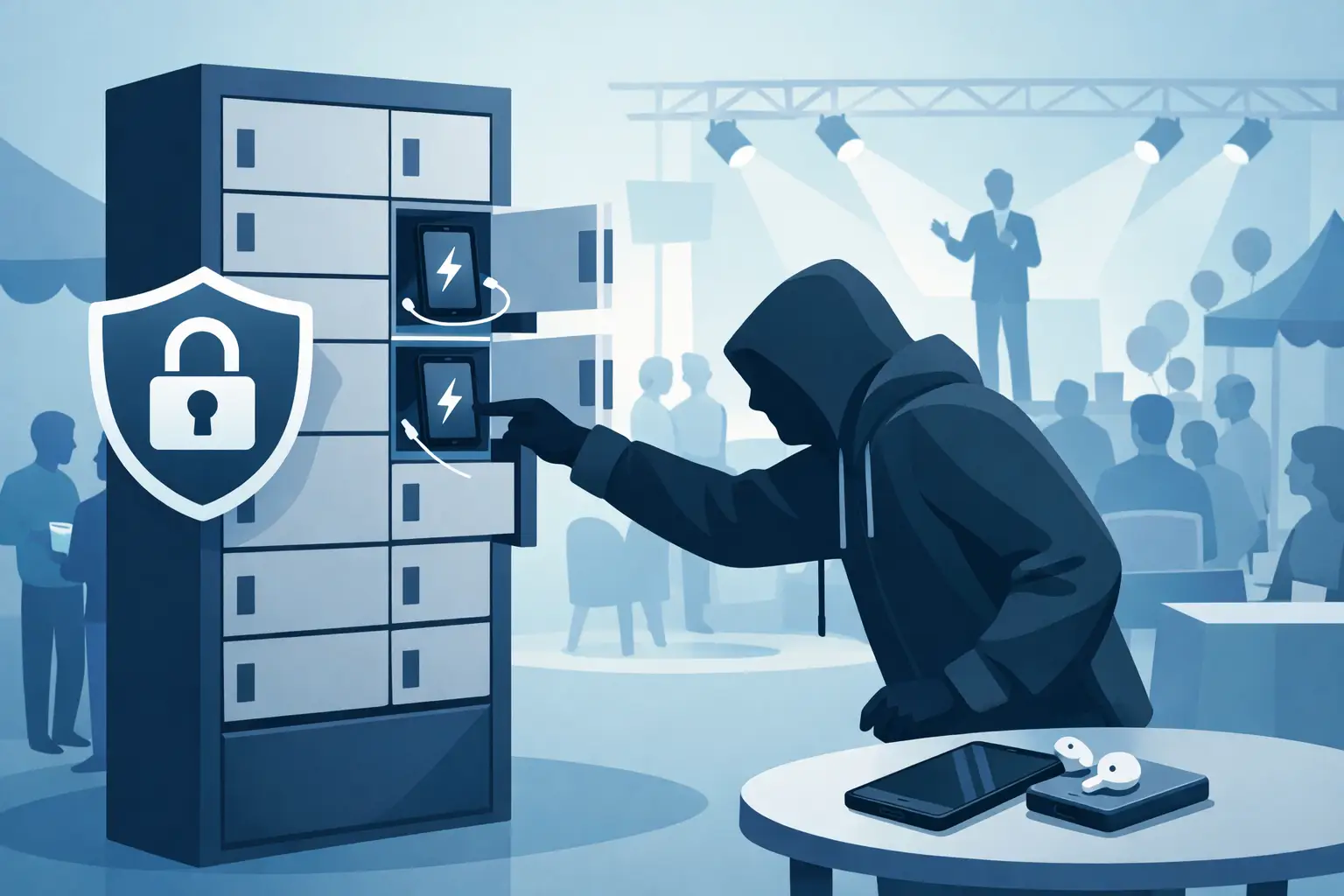
Do Charging Lockers Prevent Theft at Events?
Aug 31, 2026
Do charging lockers prevent theft? Learn how lockable charging stations protect devices, reduce staff burden, and improve visitor confidence on site daily.
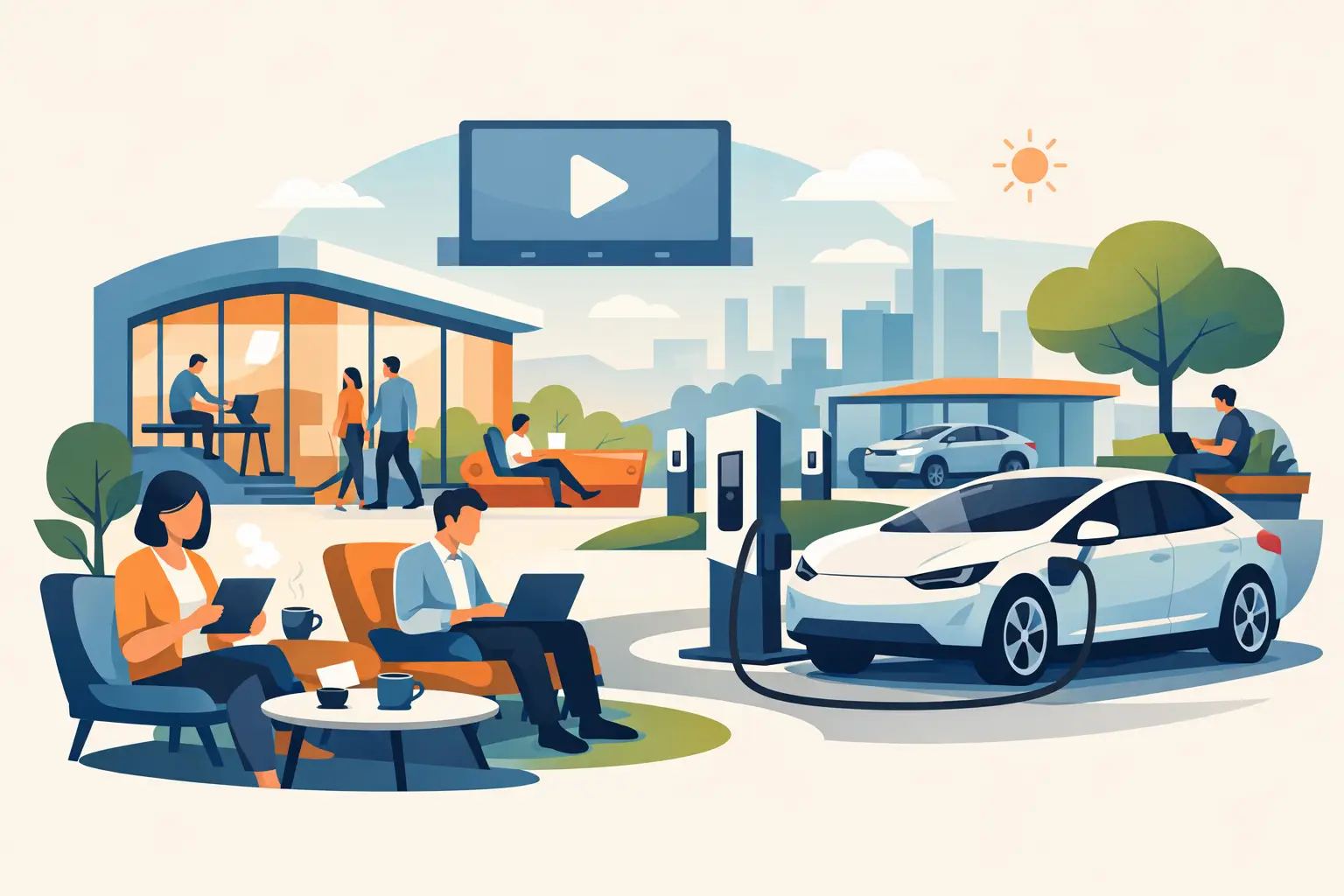
The Future of Public Charging Is Built for Dwell Time
Aug 29, 2026
The future of public charging will reward venues that pair fast, secure power with payment flexibility, strong uptime, and better visitor experiences.

How to Deploy Phone Charging Furniture Well
Aug 27, 2026
Learn how to deploy phone charging furniture in high-traffic spaces, from selecting locations and power to security, branding, pricing, and daily upkeep.
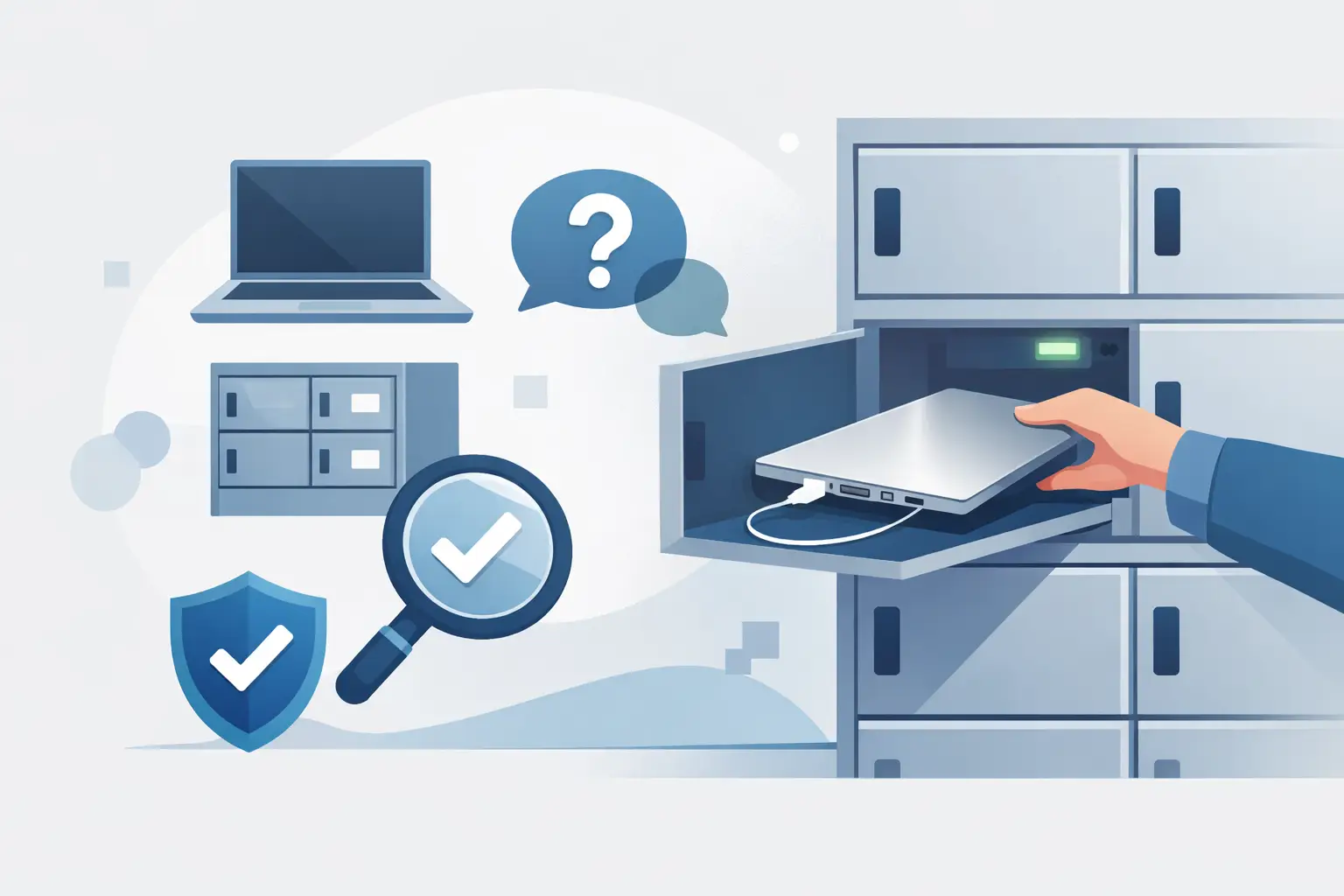
Can Charging Lockers Fit Laptops? What to Check
Aug 25, 2026
Can charging lockers fit laptops? Learn which locker dimensions, outlets, cables, and power limits support secure laptop charging at work and events today.
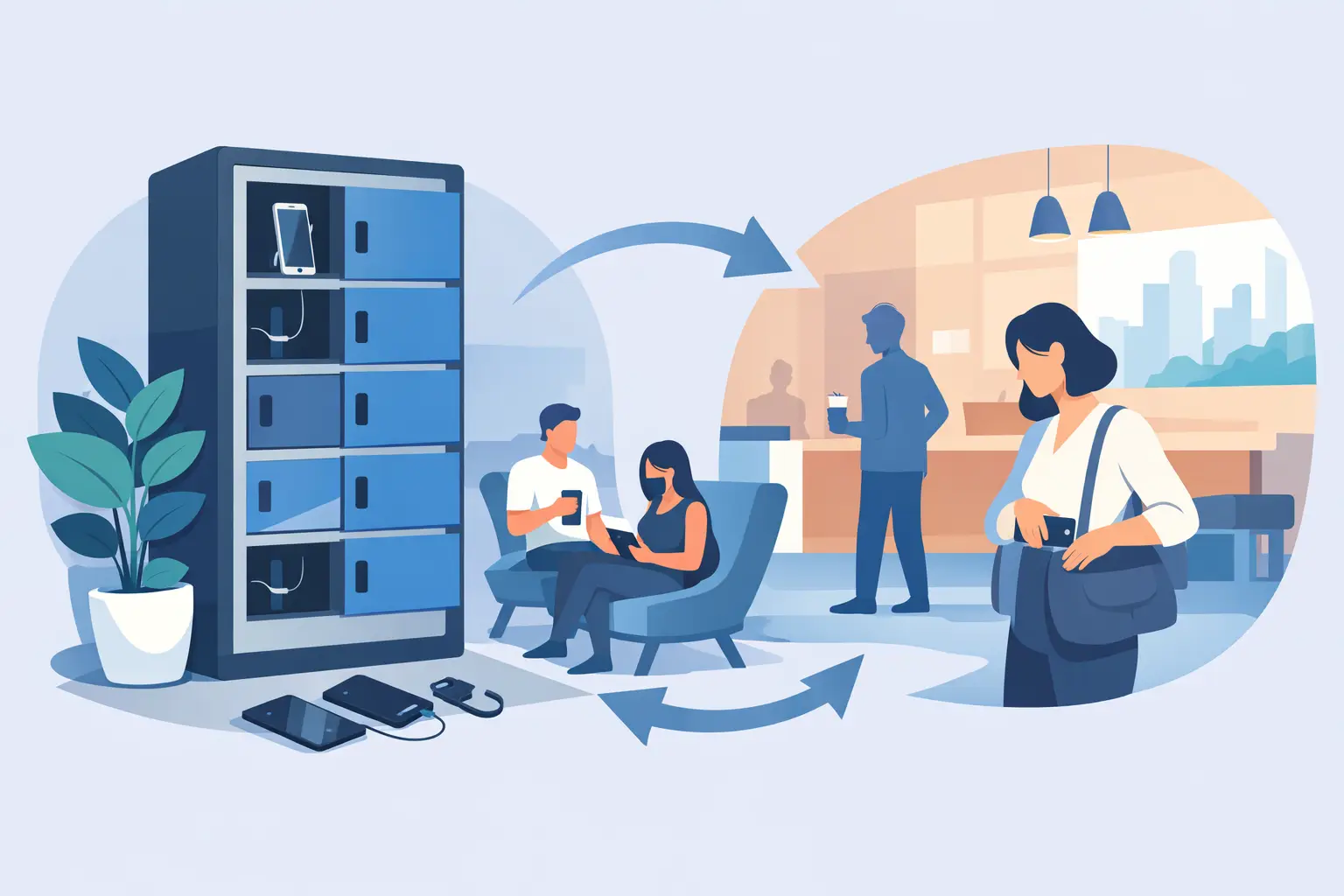
How to Lease Charging Lockers for Your Venue
Aug 23, 2026
Learn how to lease charging lockers with the right term, payment model, security features, and deployment plan for each location.
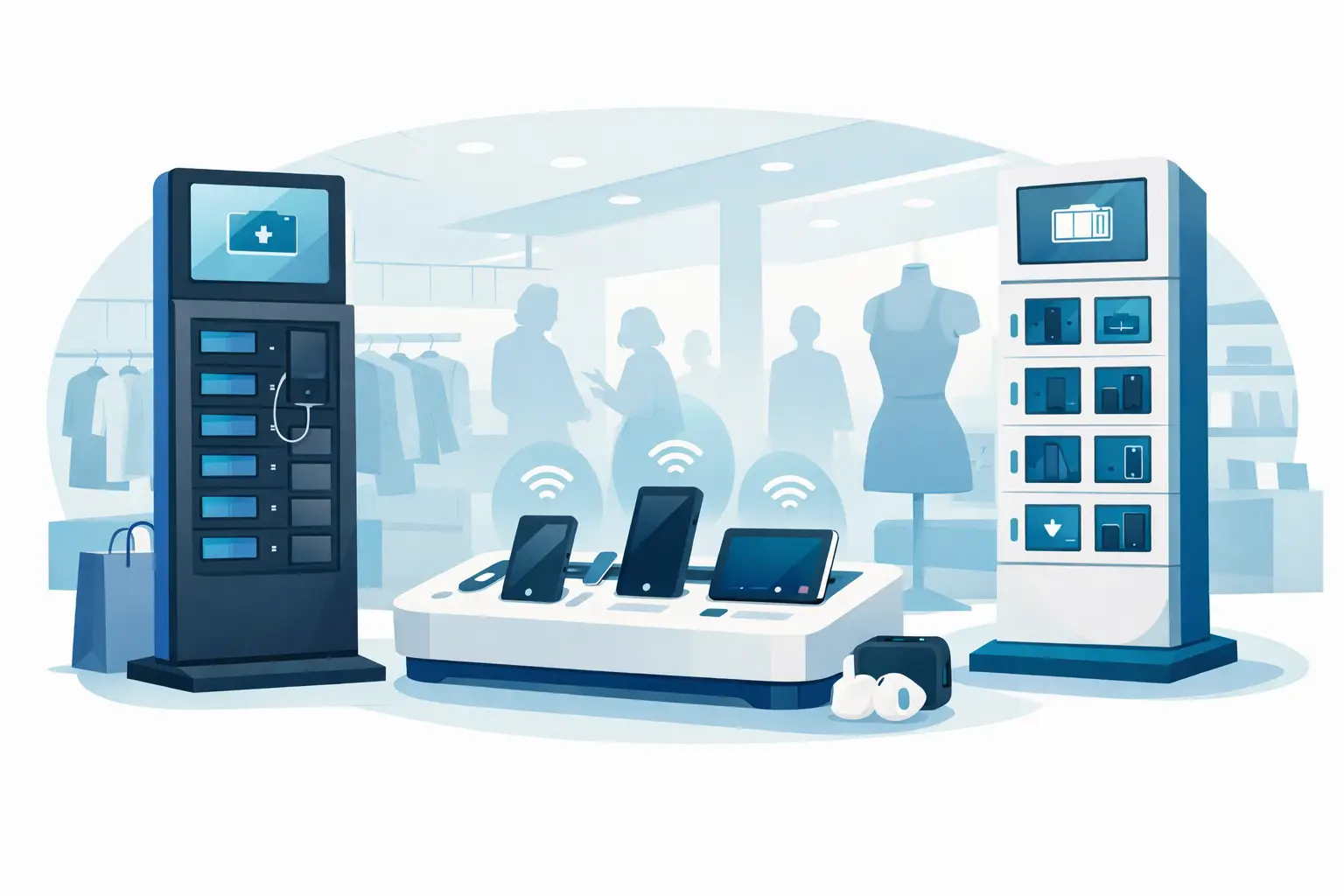
Best Charging Kiosks for Retail Stores Compared
Aug 21, 2026
Compare the best charging kiosks for retail to increase dwell time, protect customer devices, support modern USB-C needs, and create new revenue safely.
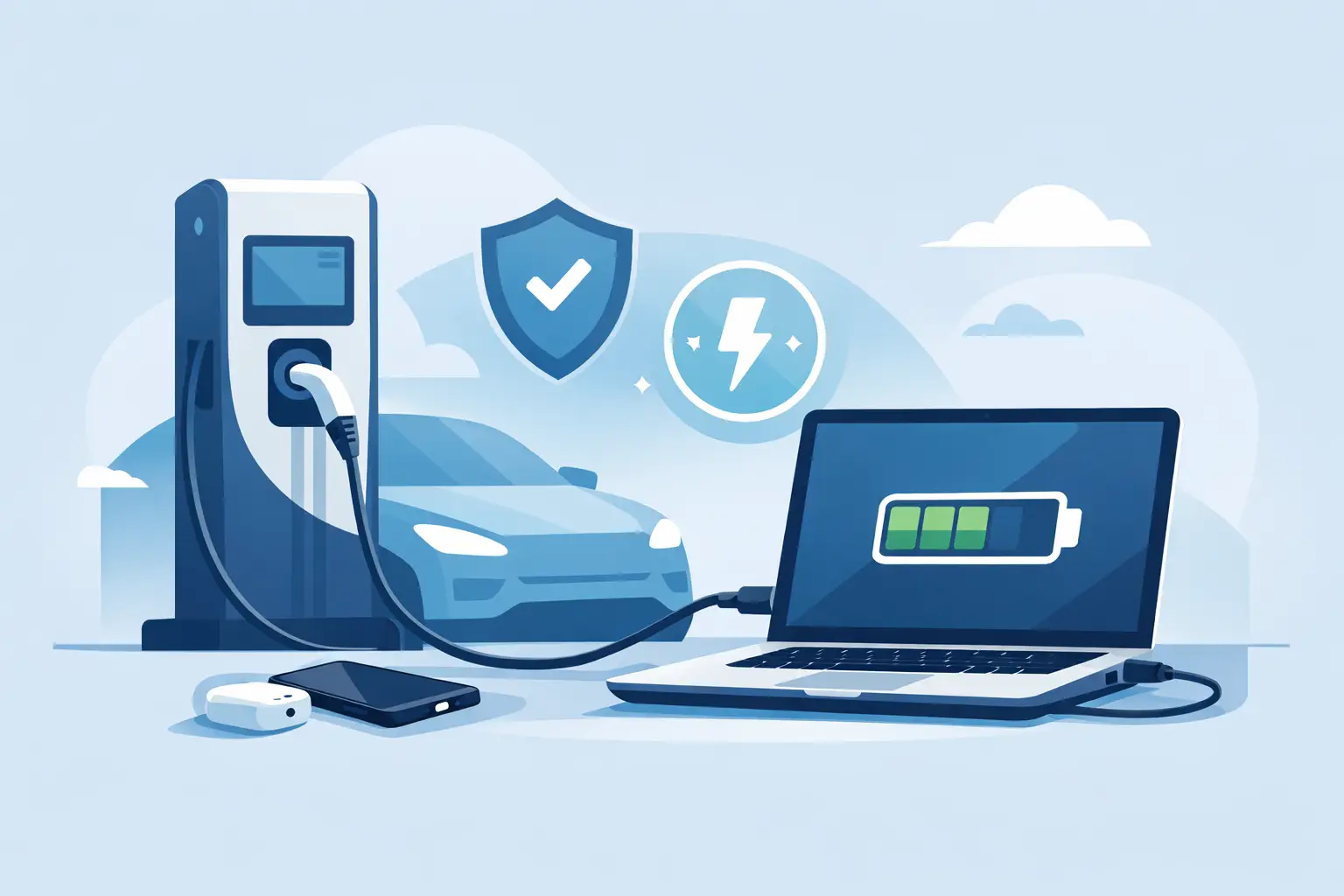
Can Charging Stations Charge Laptops Safely?
Aug 19, 2026
Can charging stations charge laptops? Learn which ports, wattages, and safety features businesses need to provide laptop power for visitors and staff.
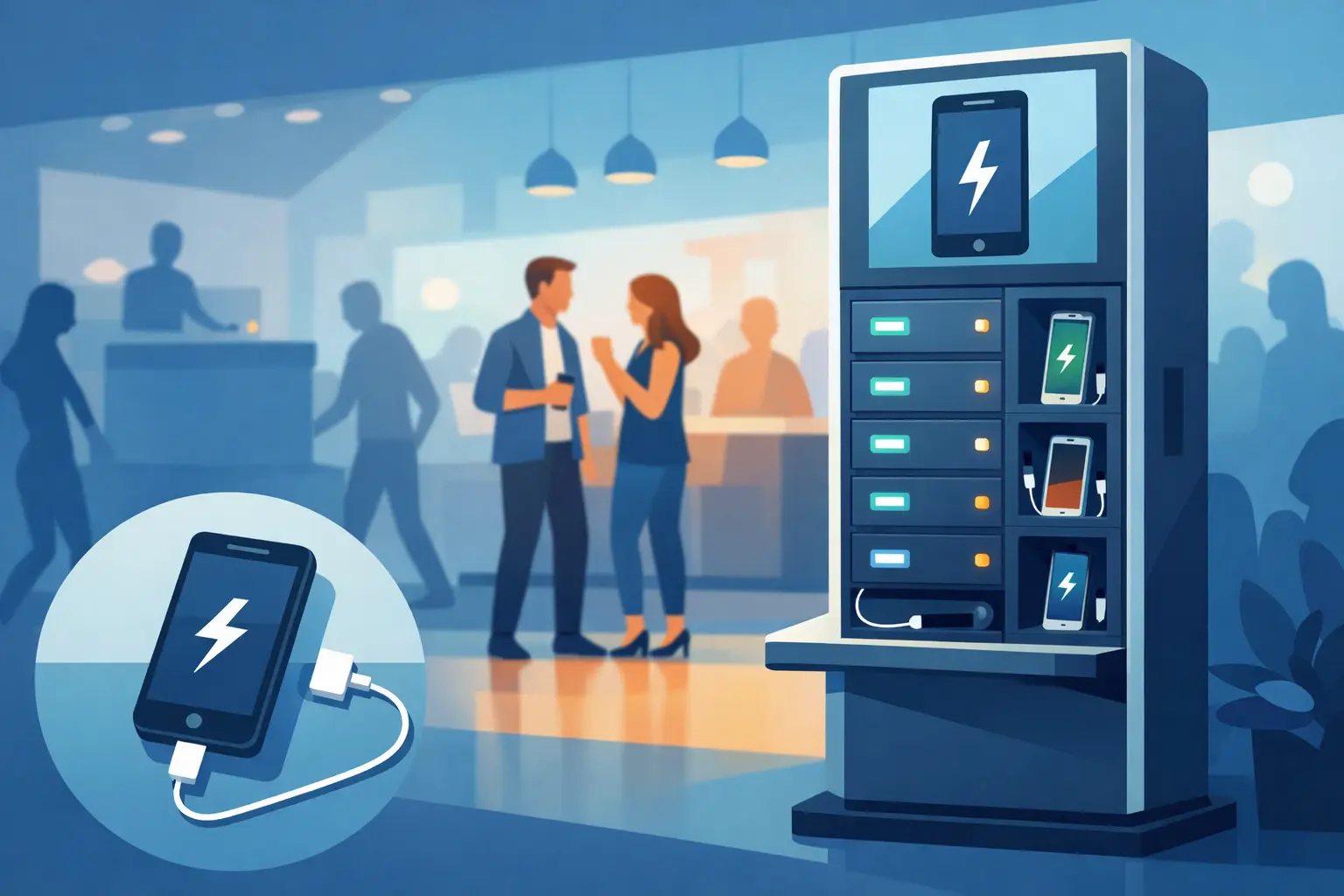
Emergency Phone Charger Kiosk for Busy Venues
Aug 17, 2026
An emergency phone charger kiosk keeps guests connected, extends dwell time, and can turn charging access into a secure revenue opportunity for your venue today.
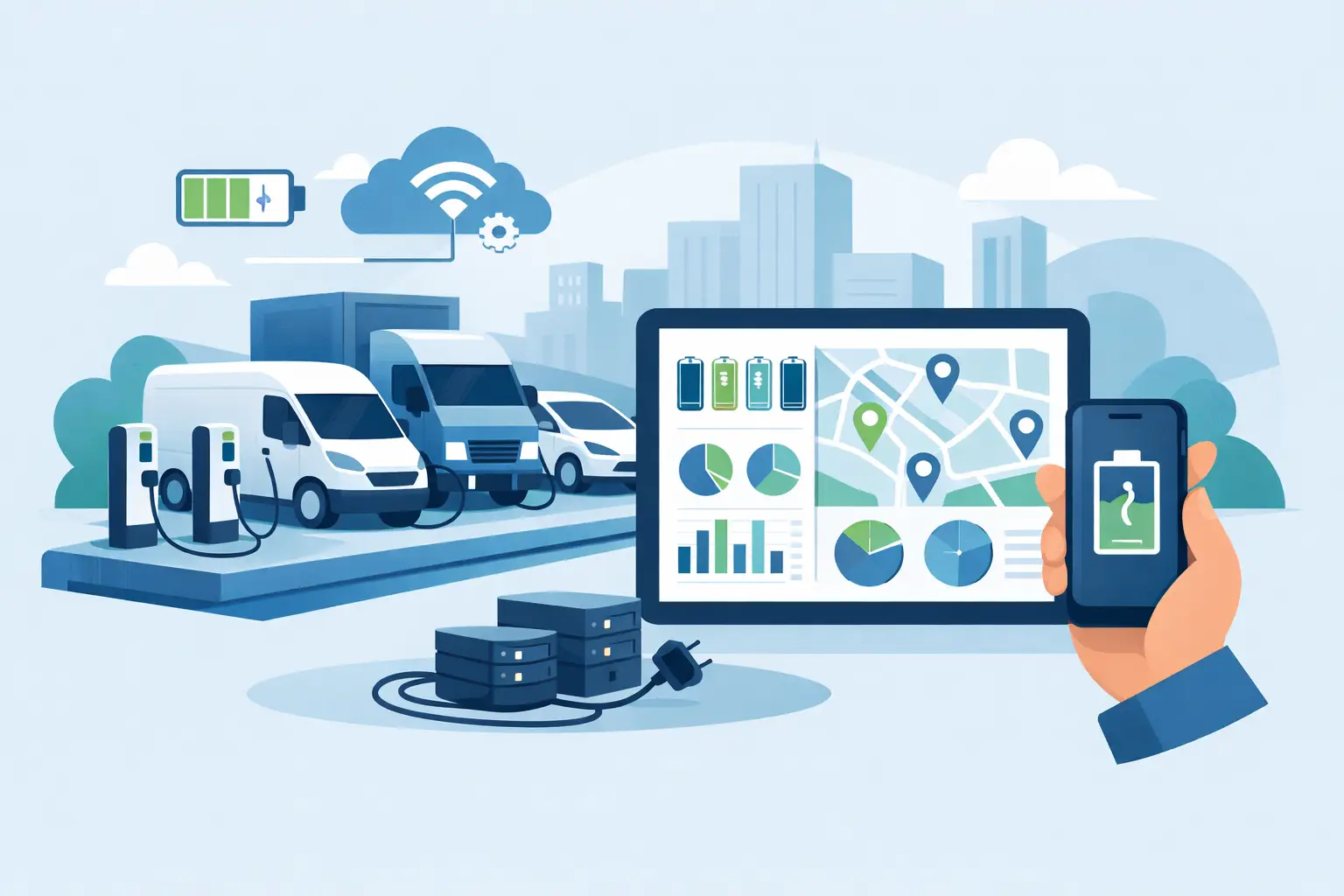
Fleet Device Charging Management That Works
Aug 15, 2026
Fleet device charging management keeps phones, tablets, and laptops ready, secure, and accounted for across every shift, site, and deployment without delays daily.
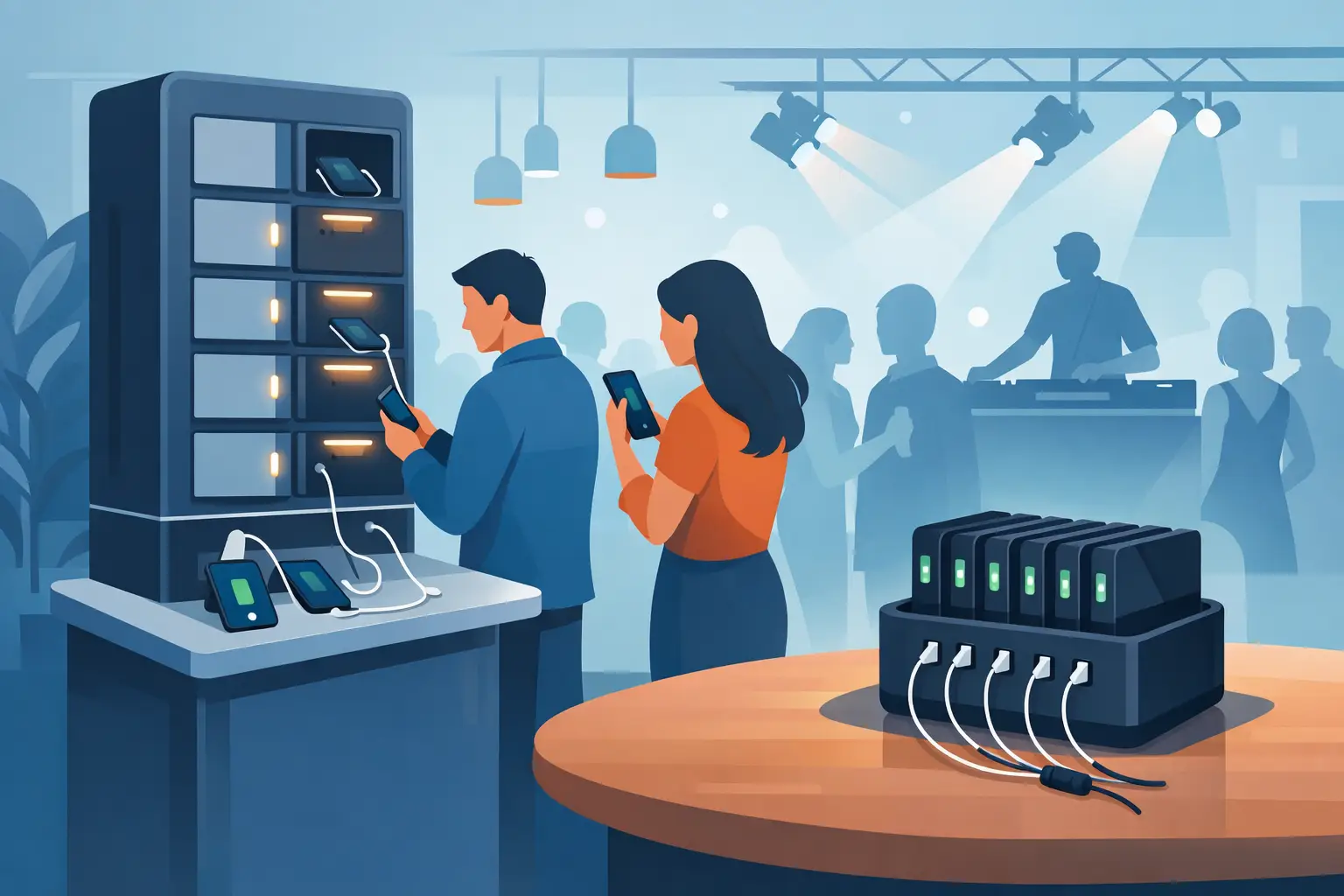
Best Event Phone Charging Rentals for Busy Venues
Aug 13, 2026
Find the best event phone charging rentals for secure, fast, branded power that keeps attendees engaged, extends dwell time, and can create event revenue.
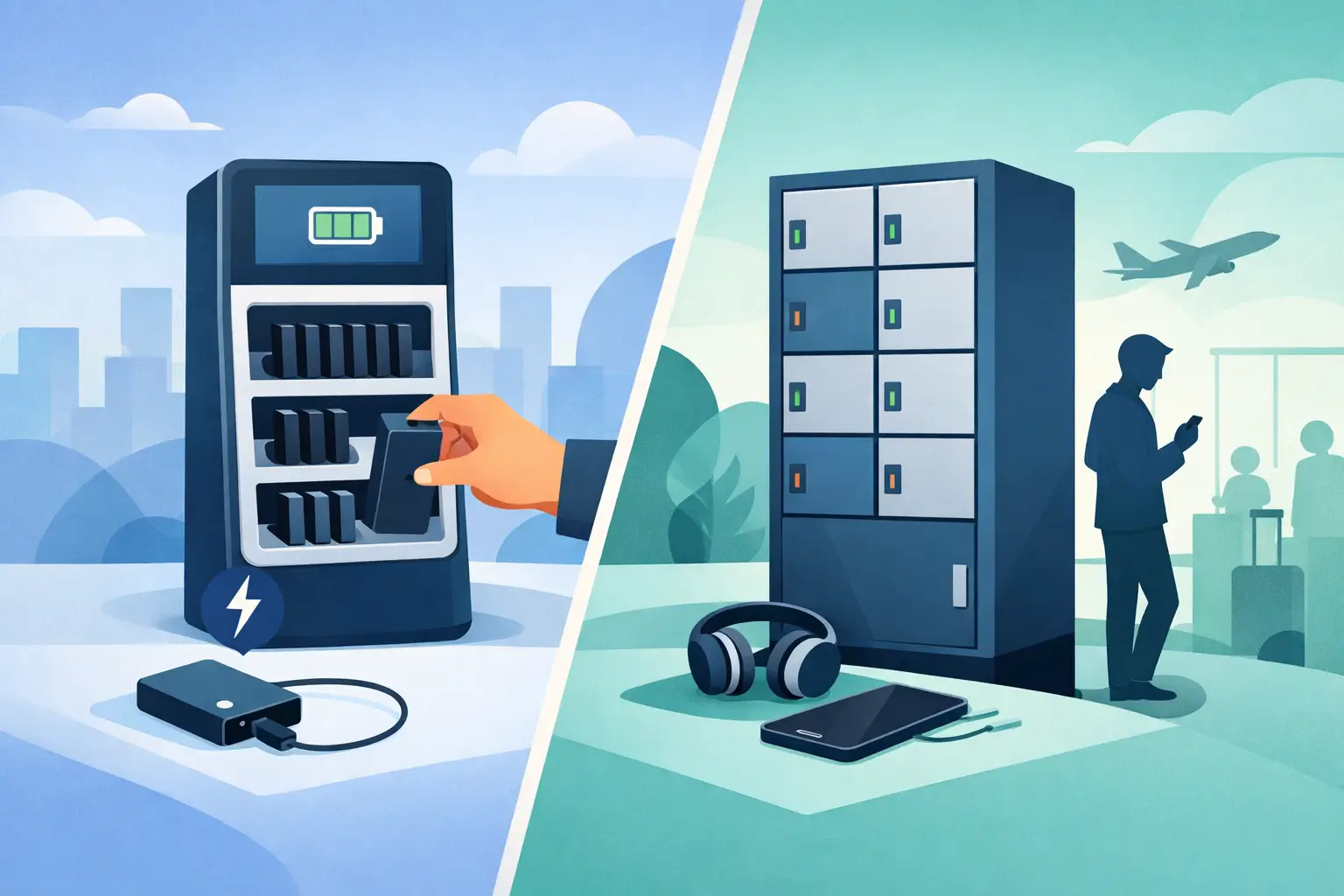
Power Bank Rental vs Lockers: Which Fits?
Aug 11, 2026
Compare power bank rental vs lockers to choose the right charging solution for your venue, event, or workplace and improve guest experience and ROI today.
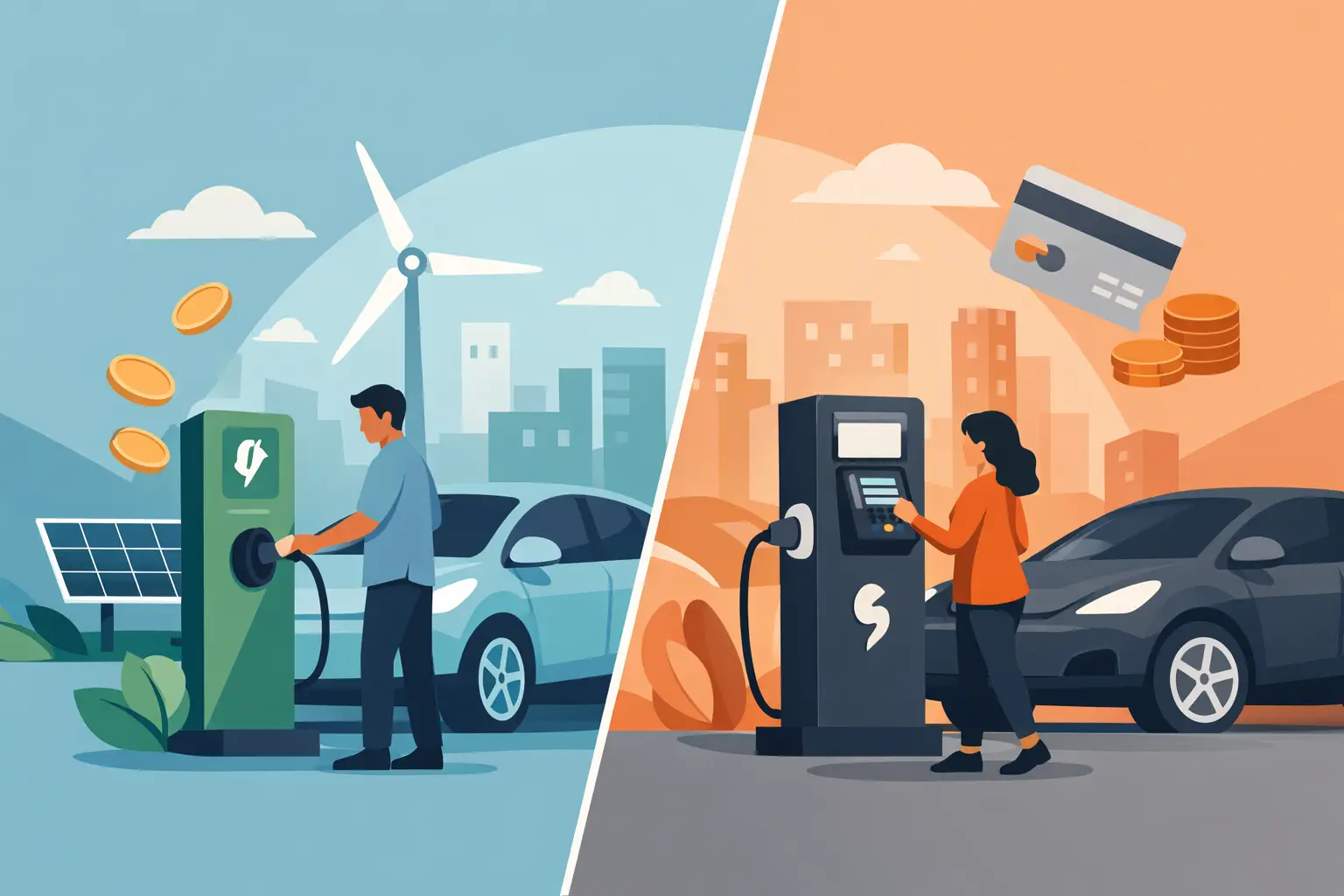
Free Charging vs Paid Charging: Which Works?
Aug 09, 2026
Free charging vs paid charging can improve visitor experience or create revenue. Learn how to choose the right model for your venue, event, or workplace.
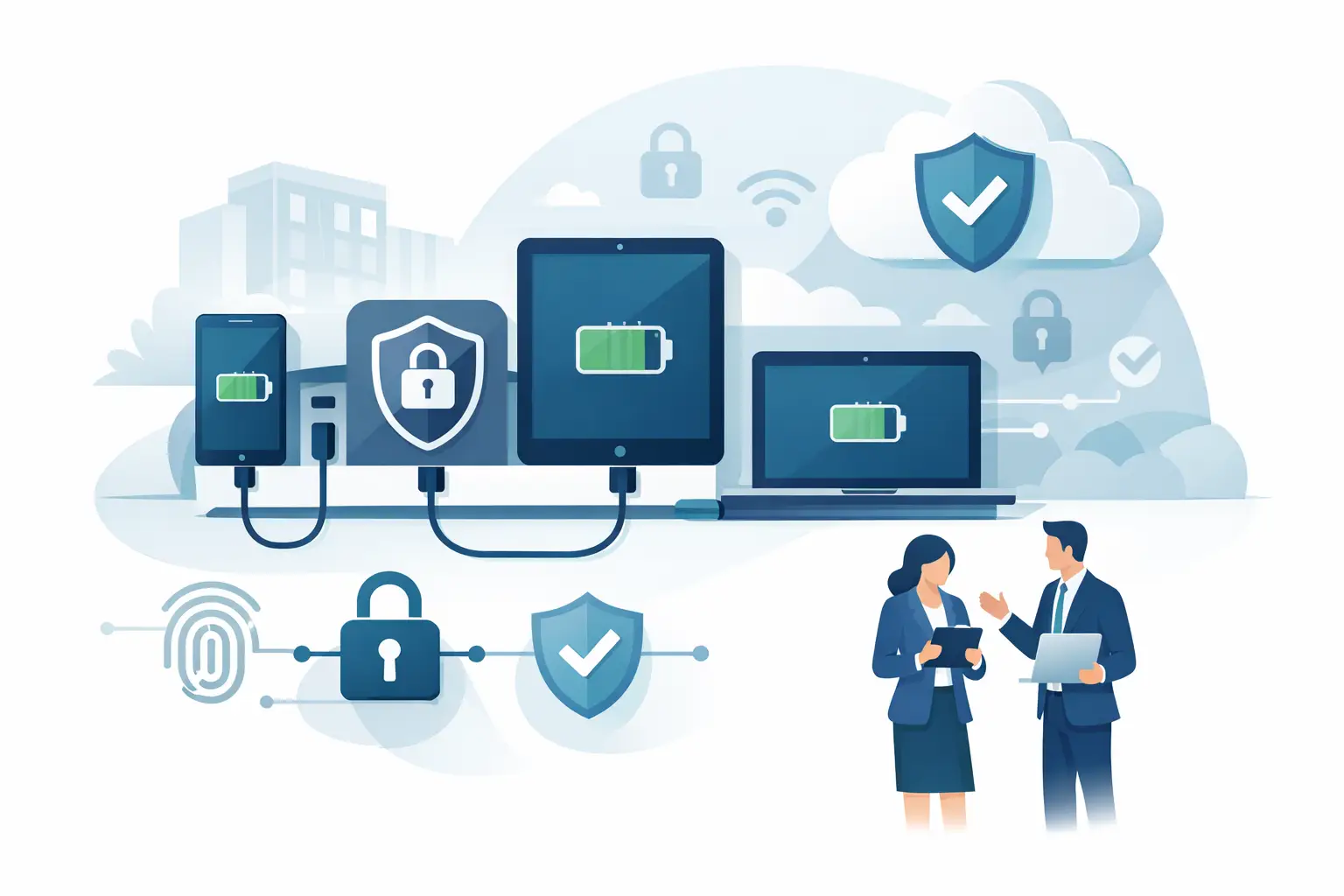
Secure Device Charging Guide for Businesses
Aug 07, 2026
Use this secure device charging guide to protect phones, tablets, and laptops while providing reliable, convenient power for every guest at your venue.

Charging Station Leasing Guide for Businesses
Aug 04, 2026
Use this charging station leasing guide to compare terms, station types, payment options, and ROI before adding secure device charging to your space today.
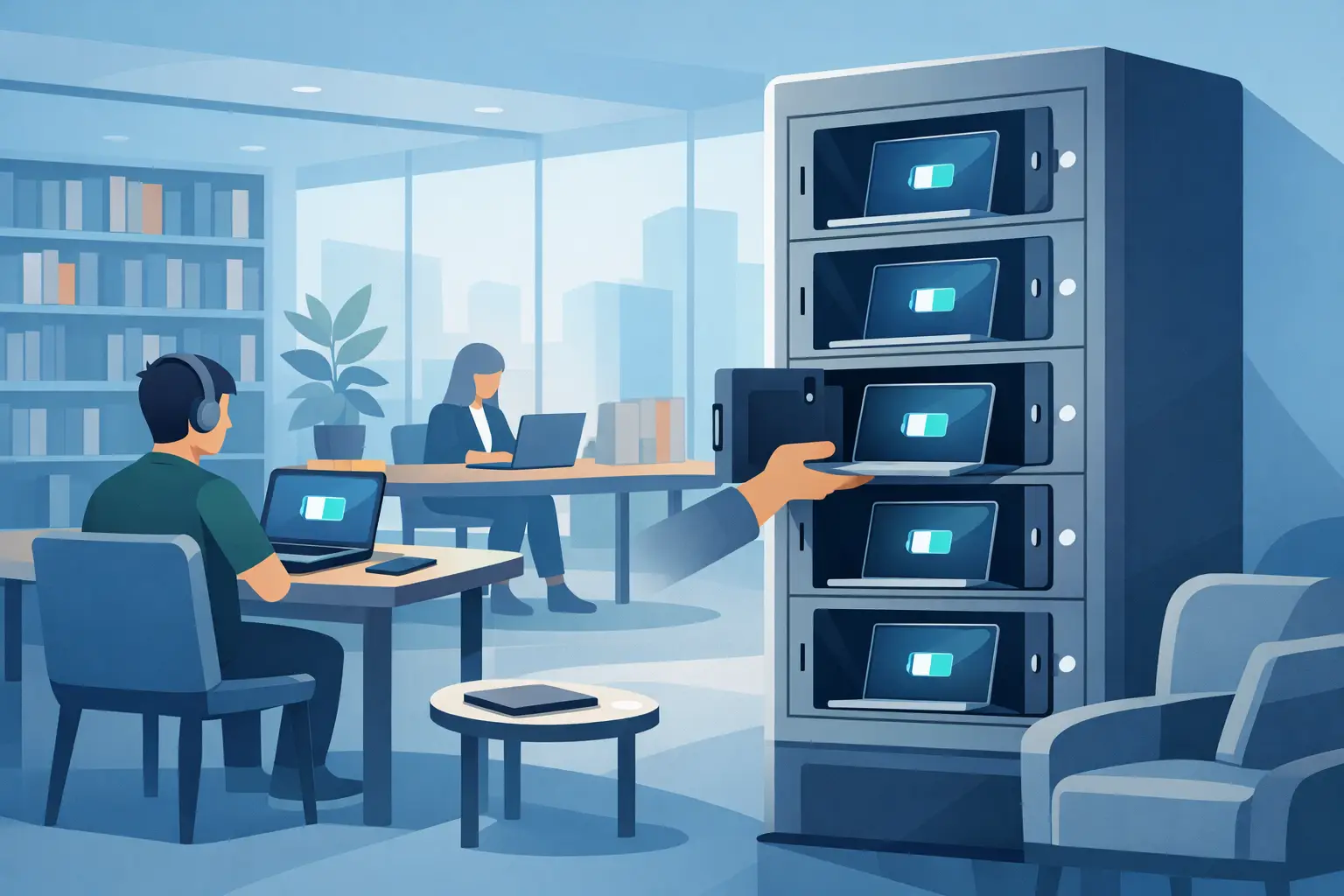
Laptop Charging Kiosk for Libraries That Works
Aug 03, 2026
Choose a laptop charging kiosk for libraries with secure storage, laptop-ready power, simple access, and a funding model that fits your space reliably.
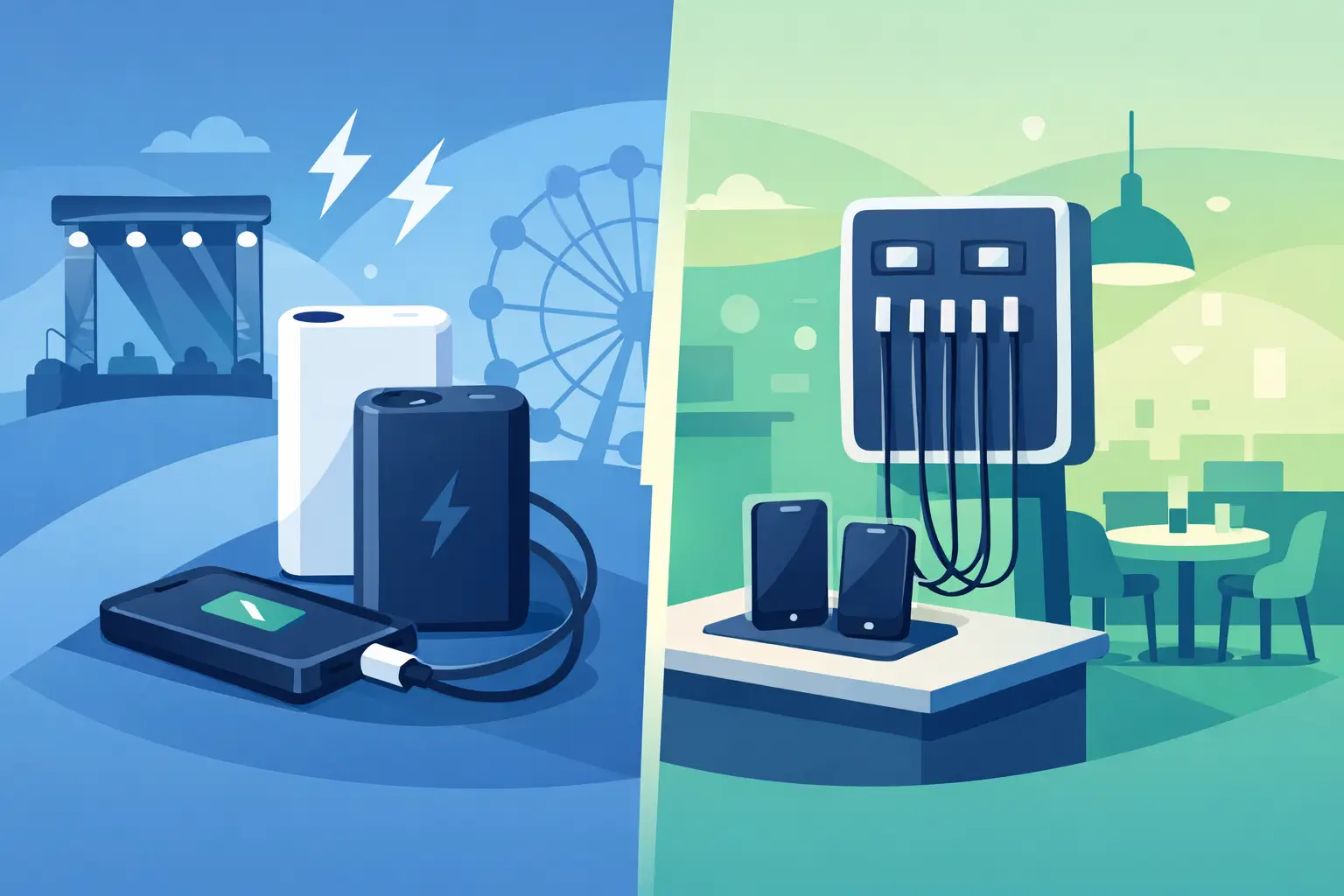
Power Banks vs Fixed Chargers for Venues
Aug 01, 2026
Compare power banks vs fixed chargers for events, venues, and workplaces. Choose secure charging that improves guest experience, uptime, and revenue onsite.
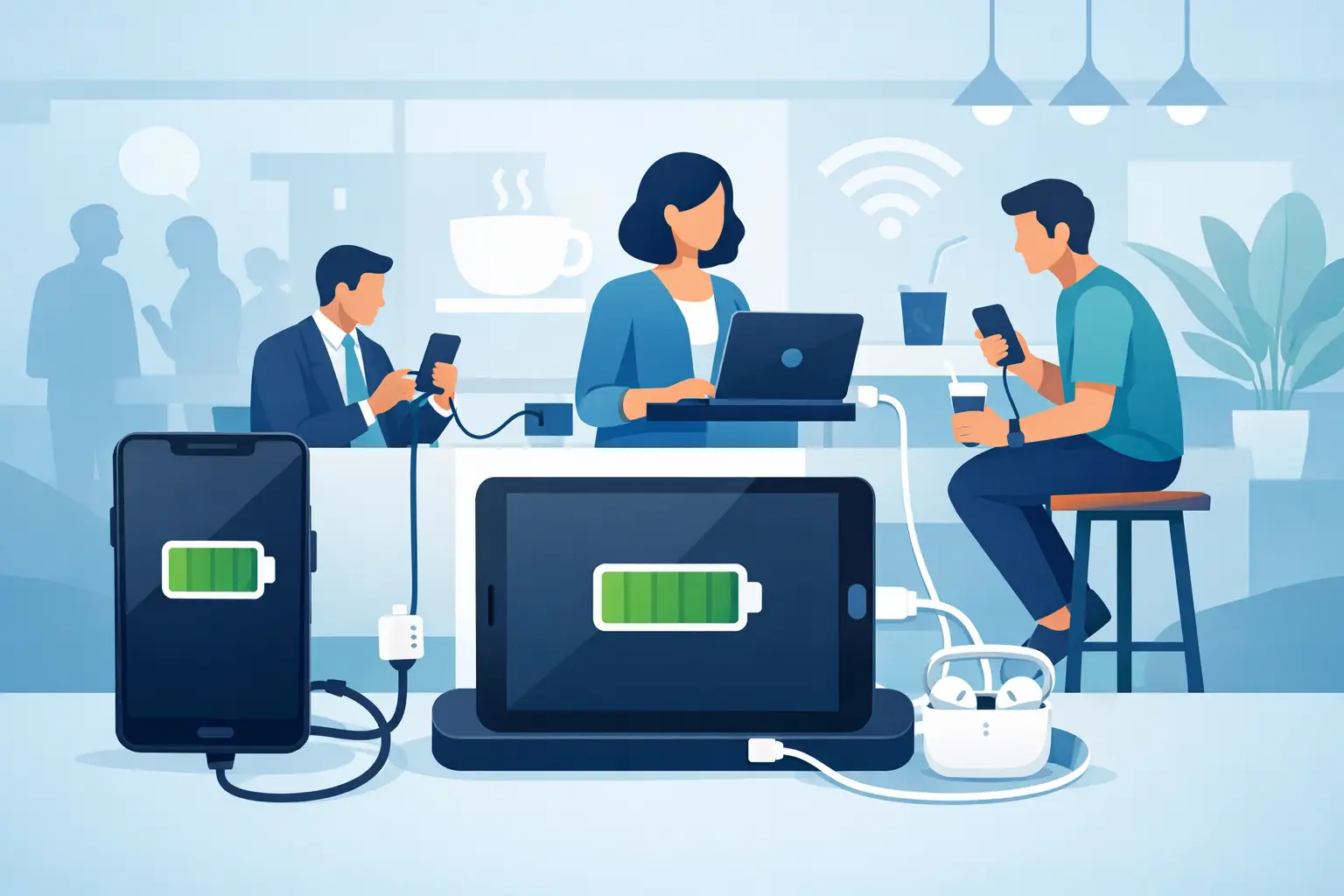
Why Offer Free Device Charging at Your Venue?
Jul 29, 2026
Why offer free device charging? Learn how it keeps visitors engaged, strengthens your brand, supports operations, and can create new revenue opportunities.
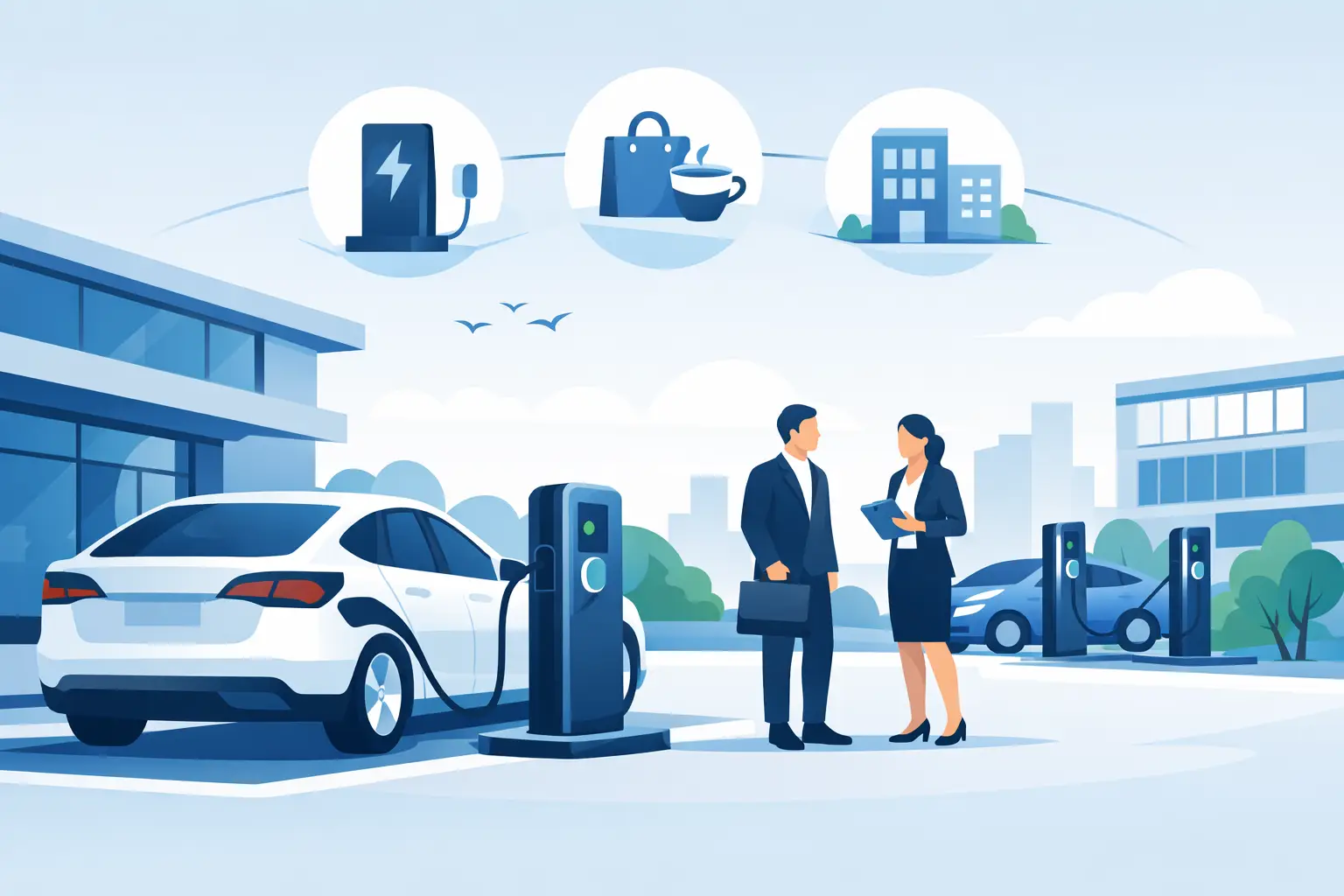
Public Charging Station Benefits for Business
Jul 27, 2026
Public charging station benefits include longer visits, happier guests, stronger brand visibility, and practical revenue options for high-traffic venues.

Phone Charging Lockers for Gyms That Members Use
Jul 26, 2026
Phone charging lockers for gyms keep members powered, valuables secure, and workouts on track while creating a valuable amenity or revenue opportunity.
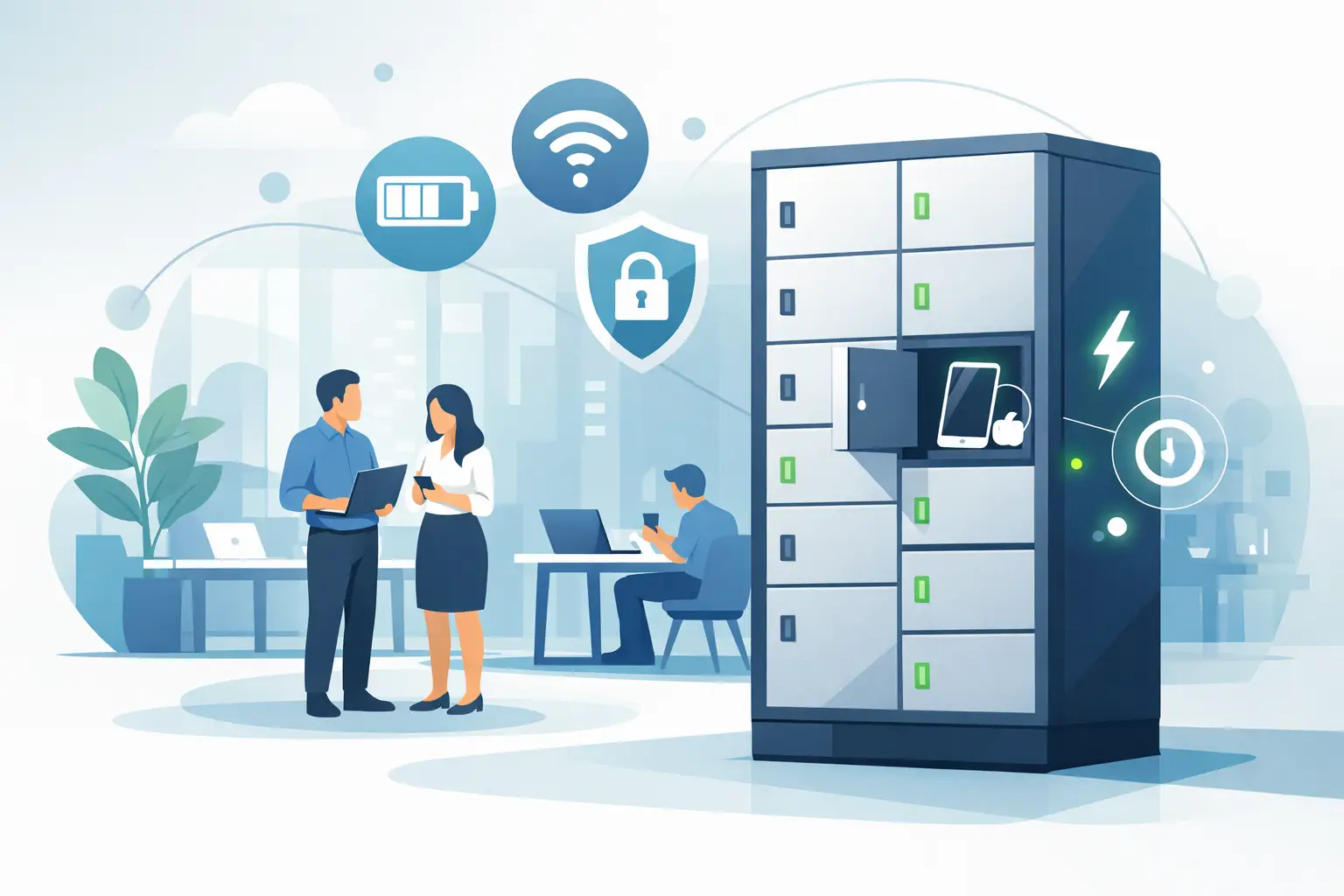
Best Charging Lockers for Offices in 2026
Jul 23, 2026
Find the best charging lockers for offices with secure storage, USB-C support, smart access, and the right capacity for staff, guests, and shared devices.
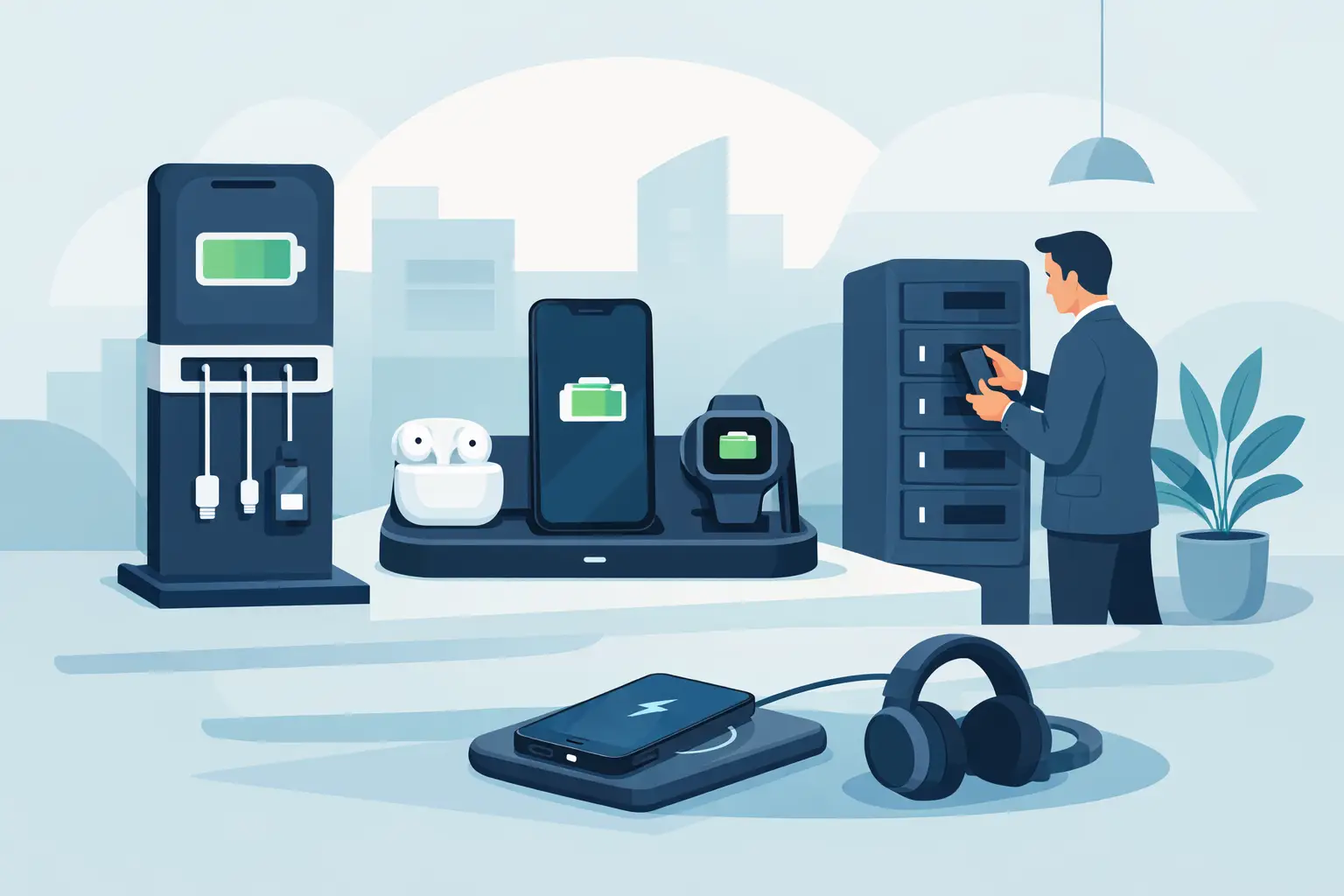
Phone Charging Stations That Work Harder
Jul 21, 2026
Phone charging stations keep guests engaged, staff productive, and events moving. Learn how to choose secure, scalable options that can earn revenue too.

How to Deploy Charging Amenities That Pay Off
Jul 19, 2026
Learn how to deploy charging amenities that keep visitors powered, increase dwell time, support operations, and create revenue in any venue with clarity.
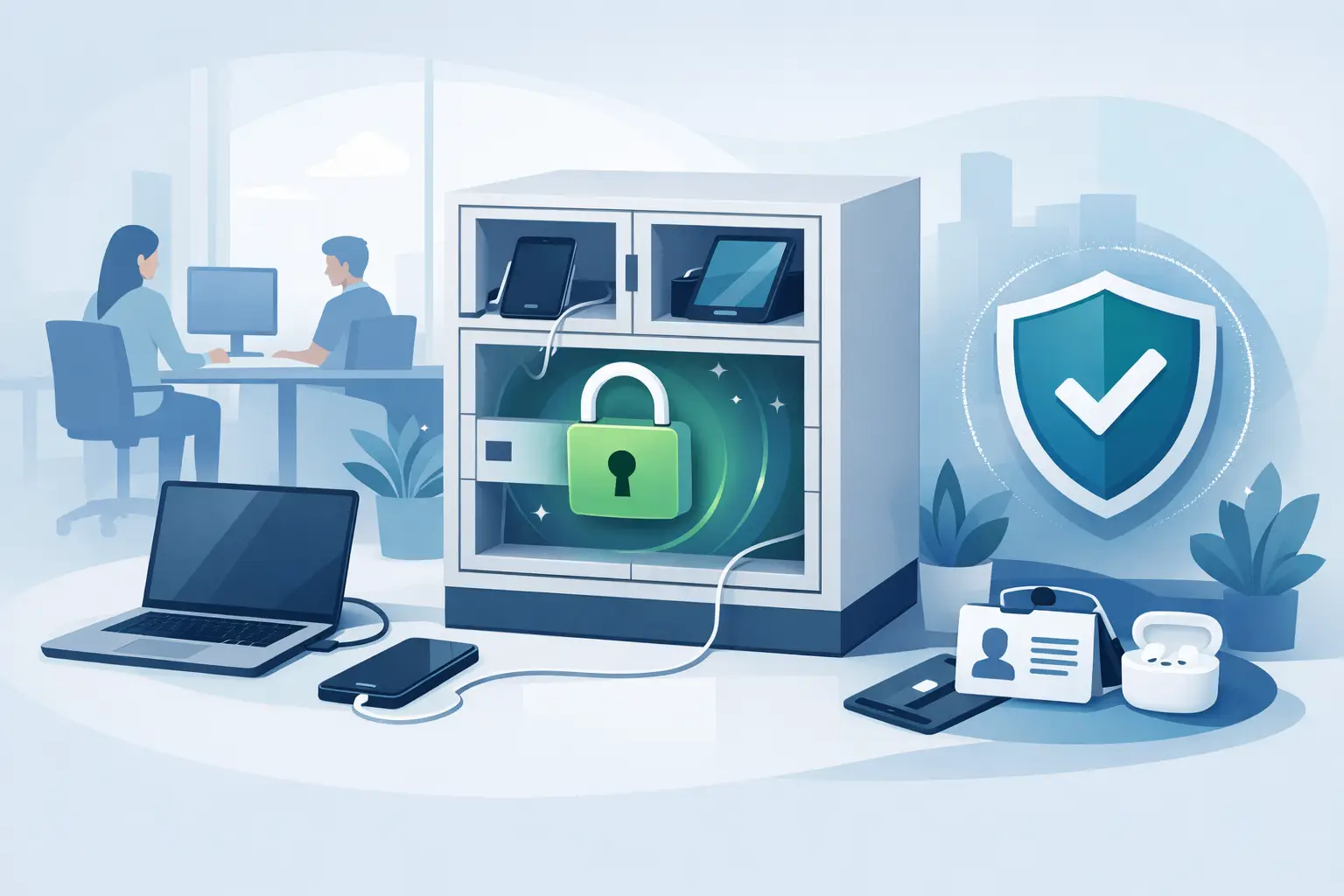
Secure Charging for Employee Devices at Work
Jul 18, 2026
Secure charging for employee devices keeps work moving while protecting phones, tablets, and laptops. Learn what a practical workplace setup needs today.
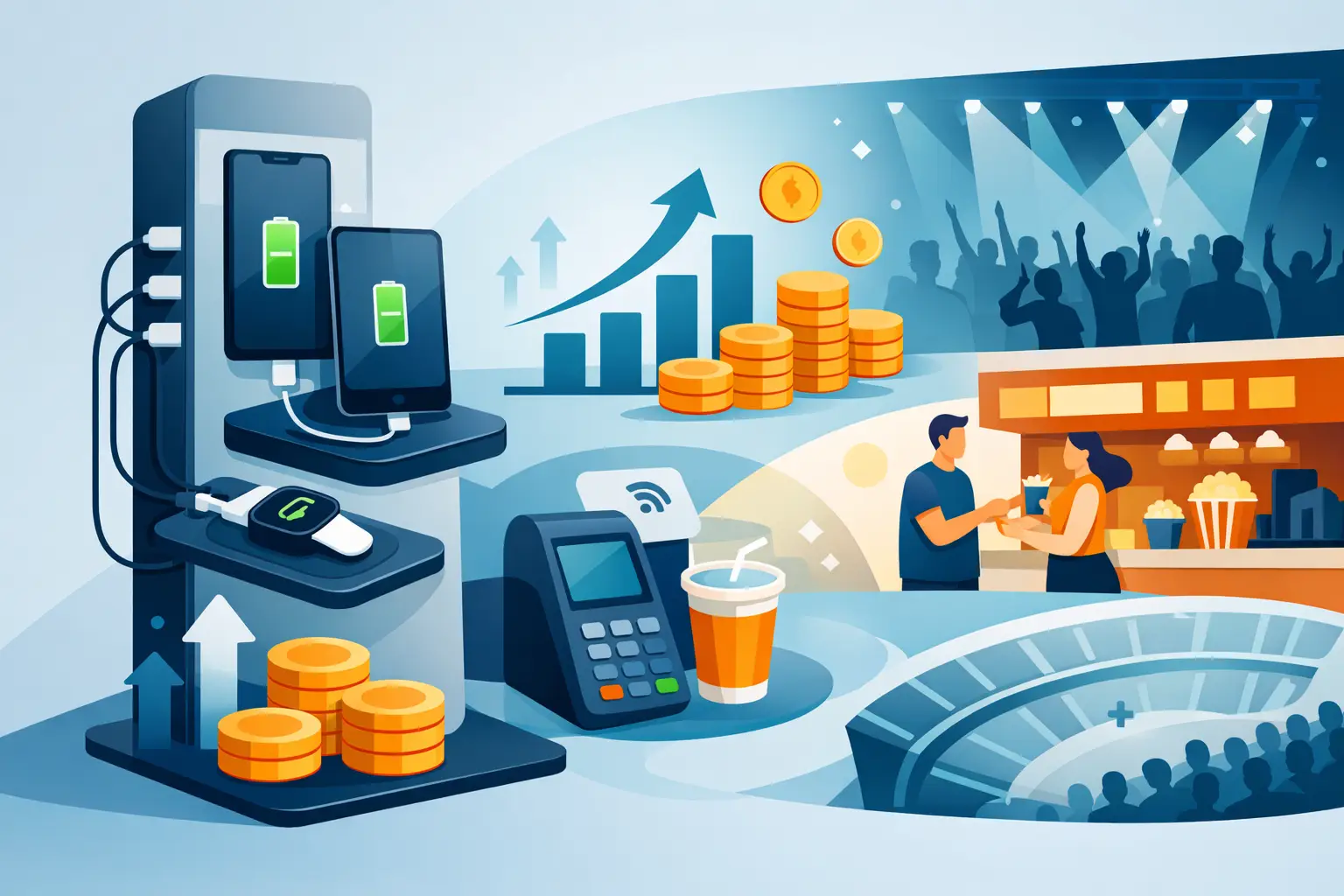
Venue Device Charging Solutions That Pay Off
Jul 16, 2026
Venue device charging solutions keep guests connected, increase dwell time, protect devices, and can create new revenue at events and public spaces daily.
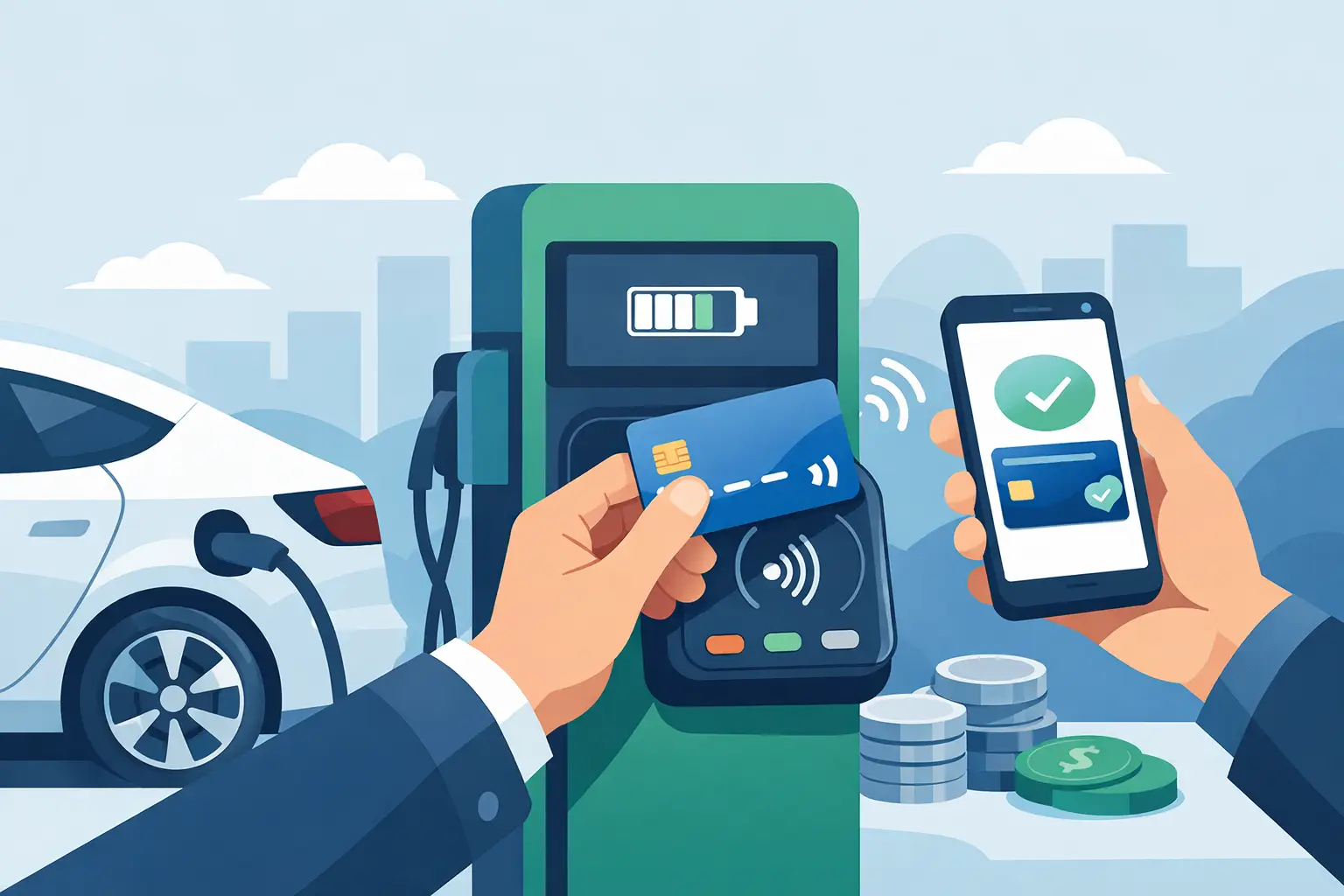
Can Charging Kiosks Take Payments? Yes, Here’s How
Jul 14, 2026
Can charging kiosks take payments? See how POS-enabled charging turns low-battery demand into convenience, longer visits, and new venue revenue streams.

Custom Branded Charging Stations That Earn Attention
Jul 11, 2026
Custom branded charging stations turn low-battery stress into longer visits, stronger brand visibility, and a practical revenue opportunity for venues.
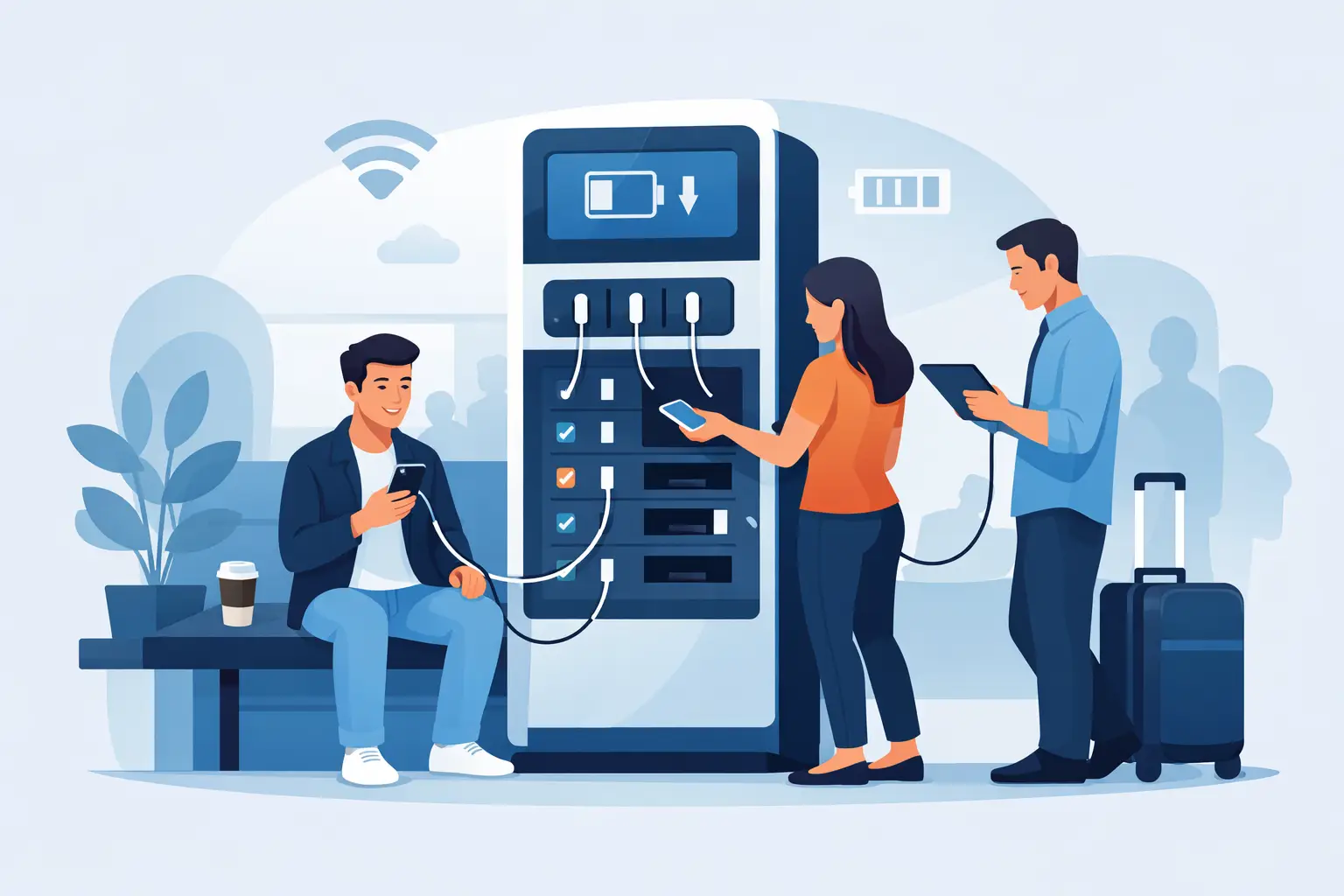
Charging Kiosks That People Actually Use
Jul 10, 2026
Charging kiosks keep guests powered, on-site, and engaged. Learn how to choose the right setup for security, revenue, and everyday use.
Charging Stations for Convention Centers
Jul 08, 2026
Charging stations for convention centers reduce attendee stress, boost dwell time, support sponsors, and create new revenue opportunities.

How to Lease Charging Kiosks Smartly
Jul 06, 2026
Learn how to lease charging kiosks with the right terms, pricing, features, and support so your venue adds convenience and potential revenue.
Visitor Amenity Charging Kiosk: What to Buy
Jul 04, 2026
A visitor amenity charging kiosk helps venues keep guests powered, engaged, and on-site while supporting security, branding, and revenue goals.
Business Charging Station Buying Guide
Jul 02, 2026
Business charging station buying guide for choosing secure, scalable charging solutions that improve guest experience and create revenue.
Contactless Payment Charging Station Benefits
Jun 30, 2026
A contactless payment charging station helps venues boost convenience, capture revenue, and keep guests engaged without adding operational friction.
How to Choose Charging Lockers for Your Space
Jun 28, 2026
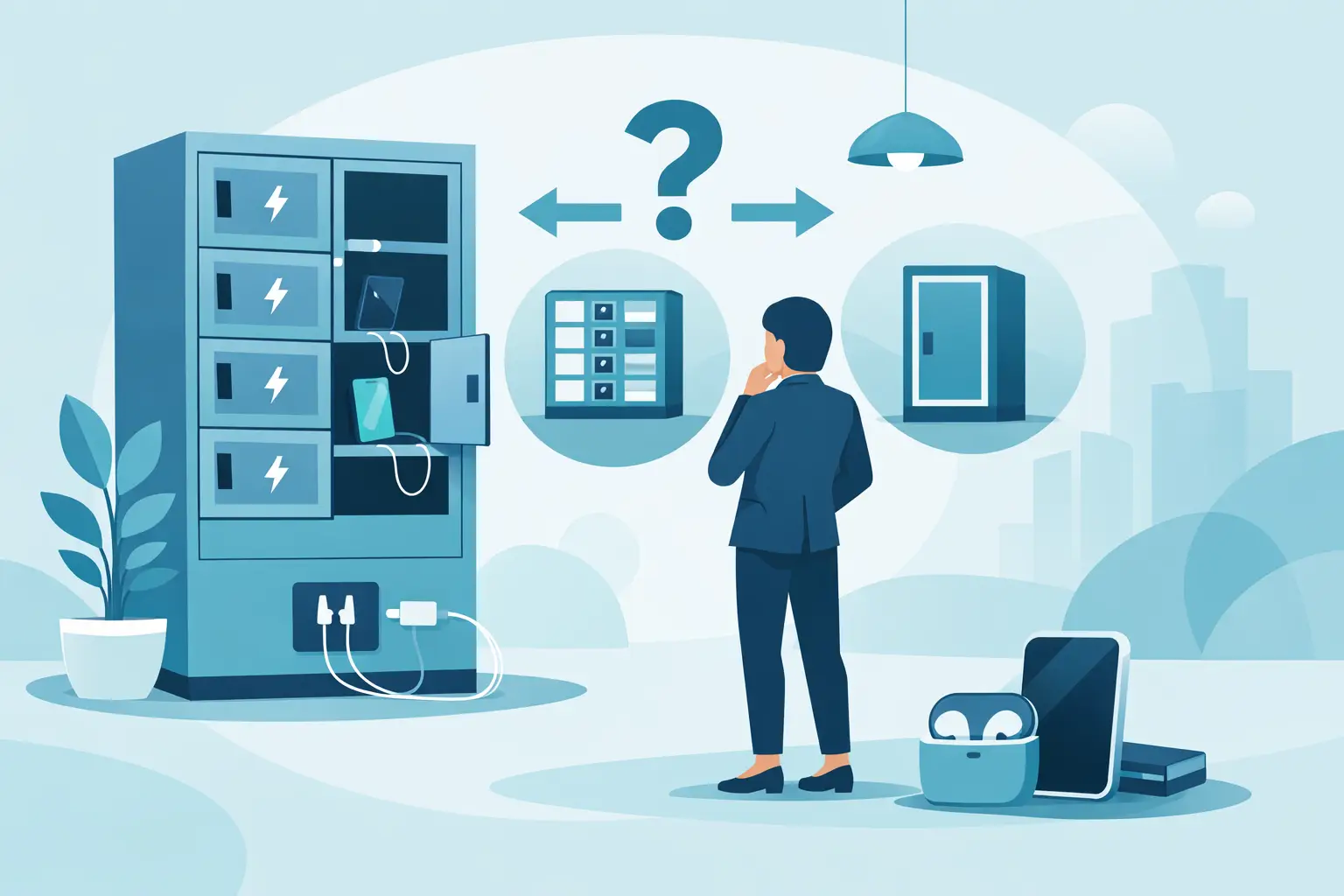
Learn how to choose charging lockers for events, venues, offices, and retail spaces based on security, device mix, power needs, and ROI.
Are Public Charging Stations Safe to Use?
Jun 26, 2026
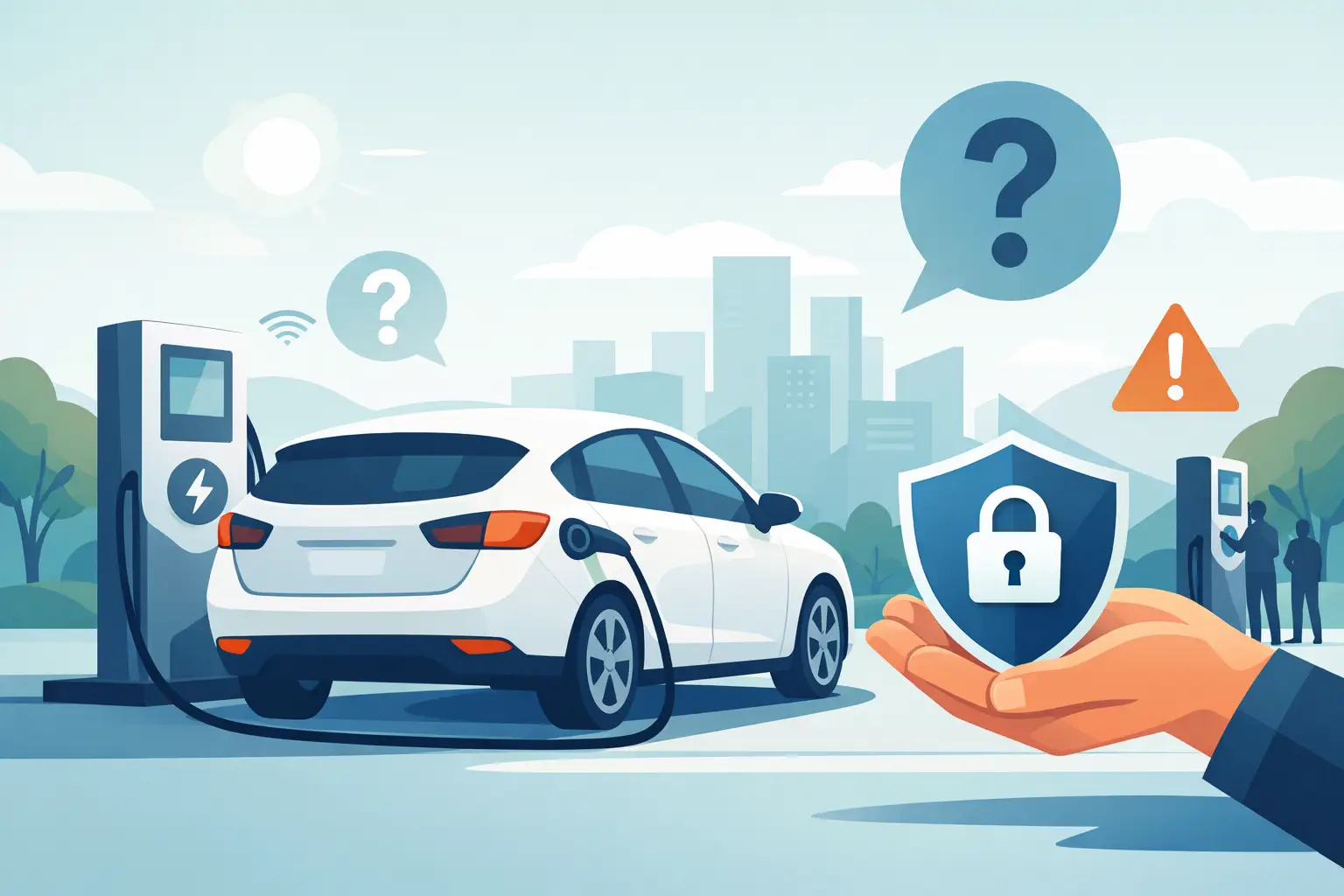
Are public charging stations safe to use? Learn the real risks, how secure charging stations work, and what businesses should provide.
Best Desktop Charging Station for Office Use
Jun 24, 2026
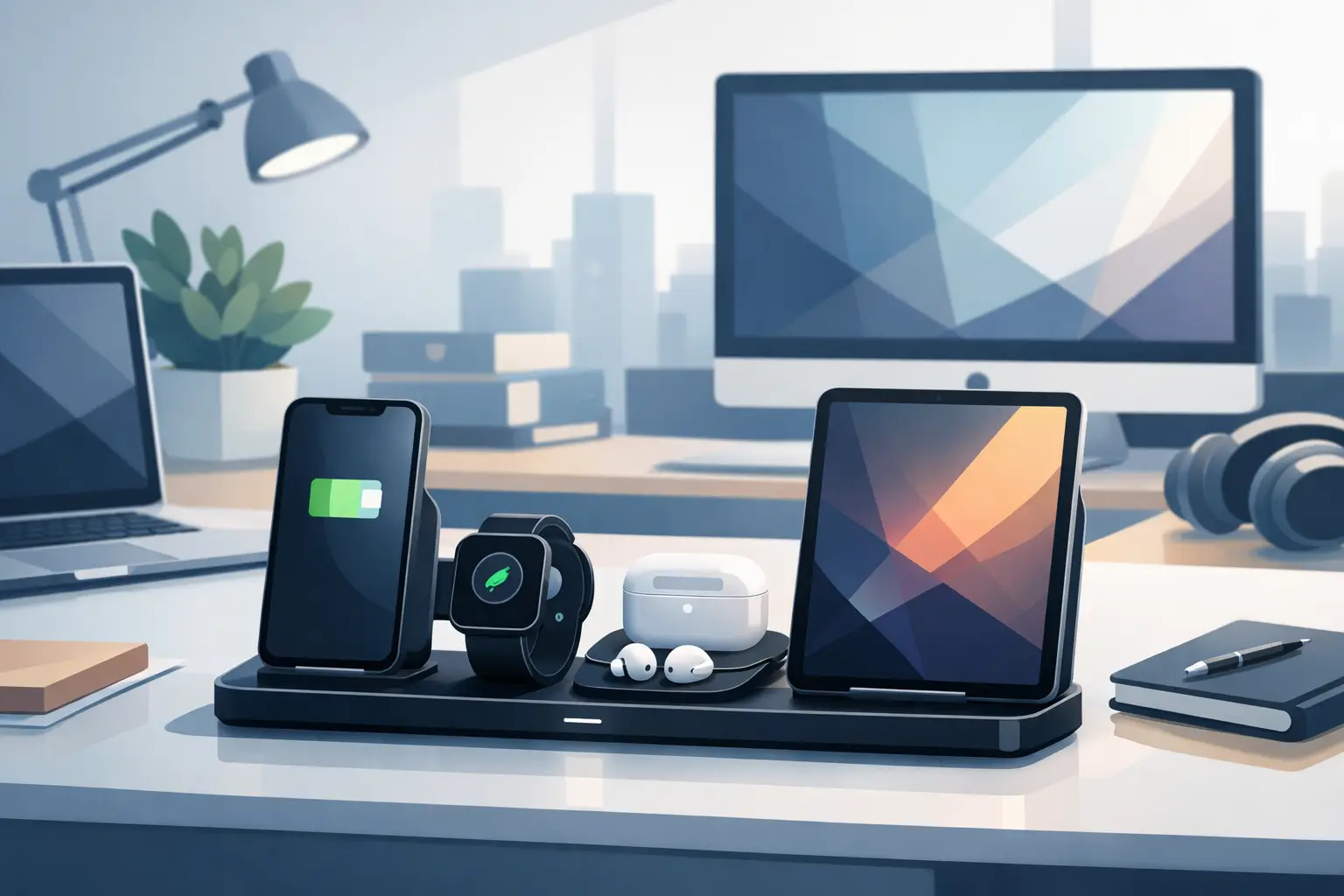
Find the right desktop charging station for office use with tips on safety, device mix, cable management, security, and long-term value.
Leasing vs Buying Charging Stations
Jun 22, 2026
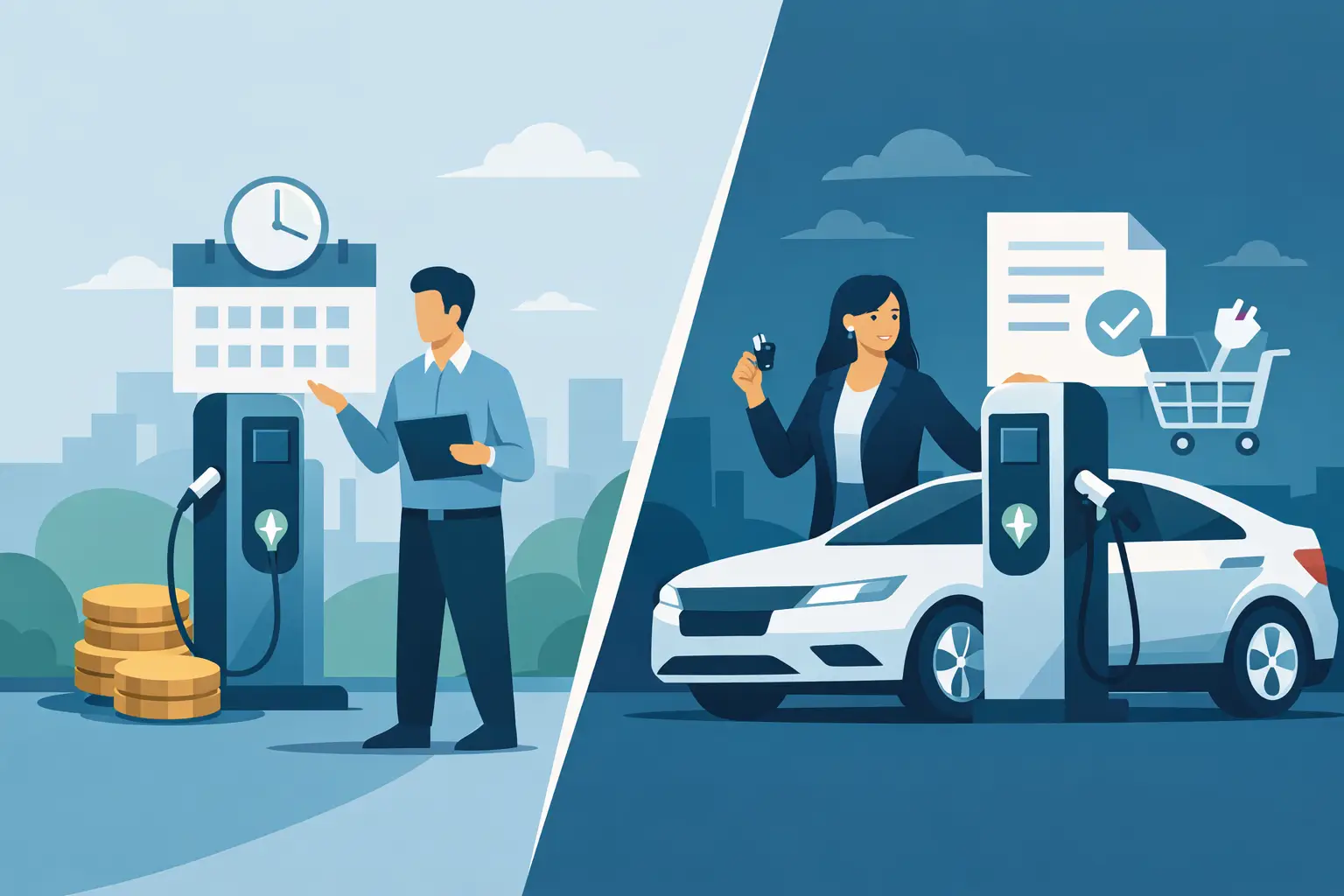
Leasing vs buying charging stations comes down to budget, flexibility, and ROI. Learn which model fits events, venues, offices, and retail.
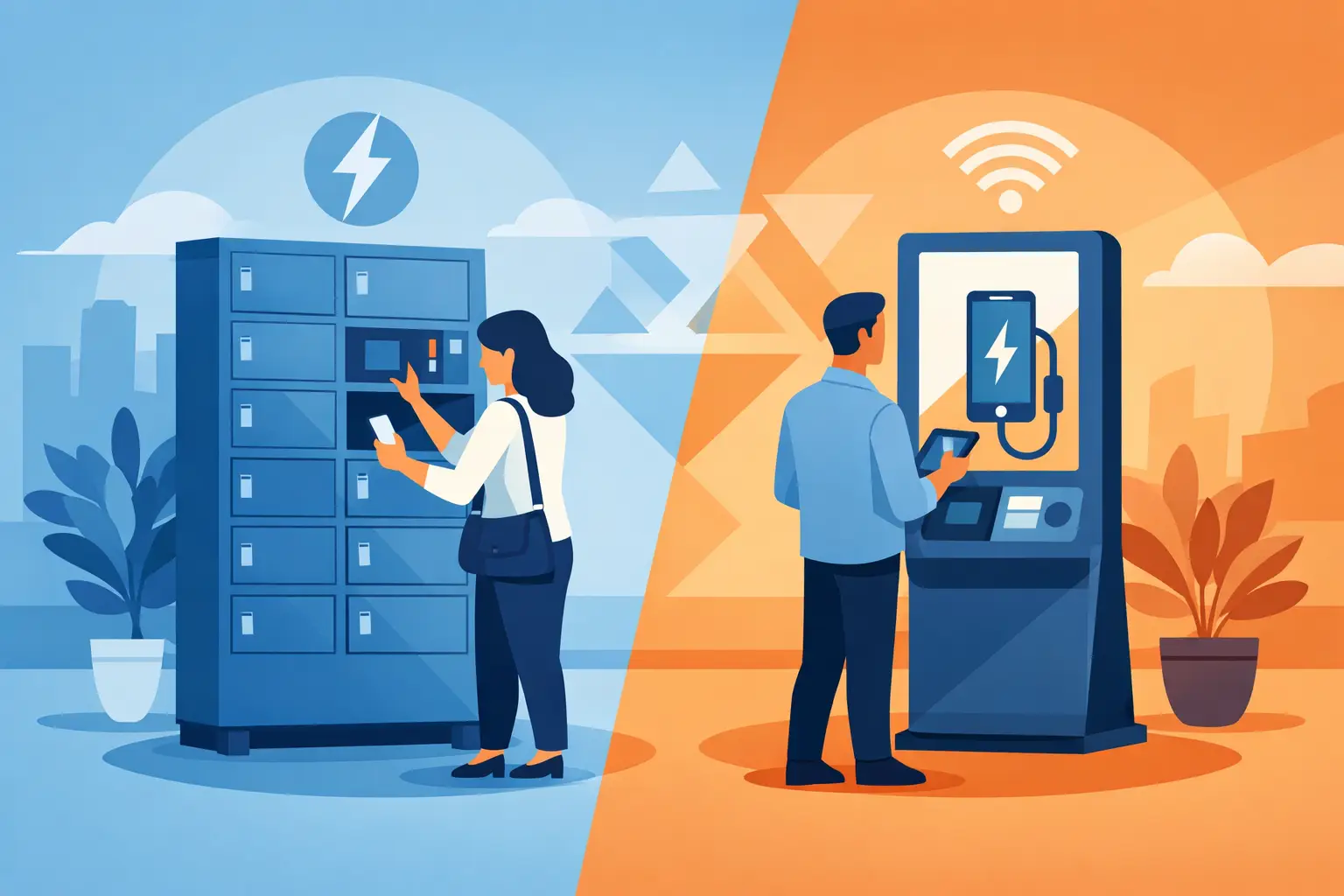
Charging Lockers vs Kiosks: What Fits Best?
Jun 20, 2026
Charging lockers vs kiosks: compare security, throughput, revenue, and fit by venue so you can choose the right charging setup for your space.

Charging Locker ROI Calculator Guide
Jun 17, 2026
Use a charging locker ROI calculator to estimate payback, revenue, and visitor impact. Learn which costs, assumptions, and metrics matter most.

How to Monetize Charging Kiosks
Jun 16, 2026
Learn how to monetize charging kiosks with the right pricing, placement, sponsorships, and formats to turn charging access into revenue.
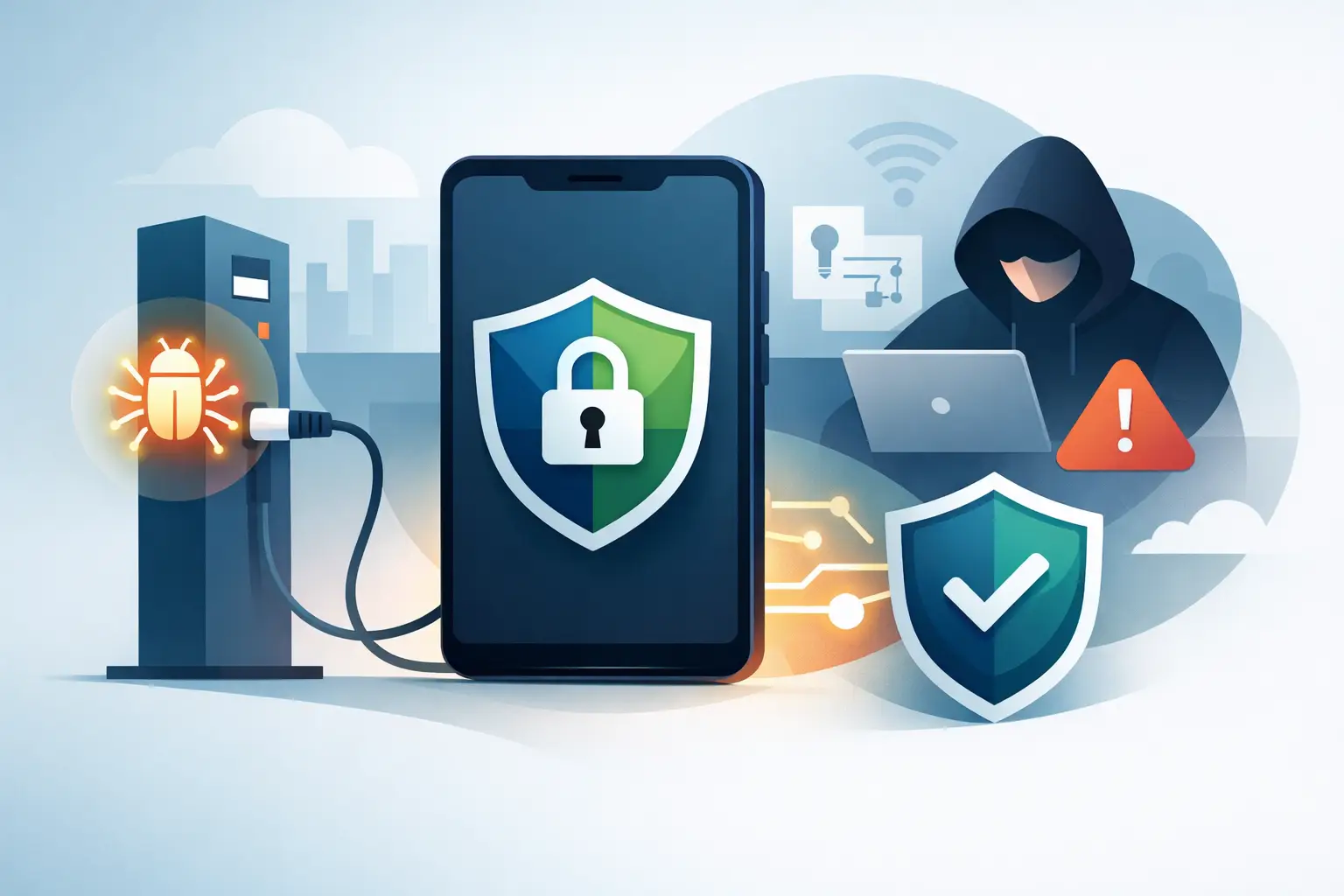
What Is Juice Jacking Protection?
Jun 13, 2026
What is juice jacking protection? Learn how it blocks data theft through USB ports and why businesses should offer safer public charging access.
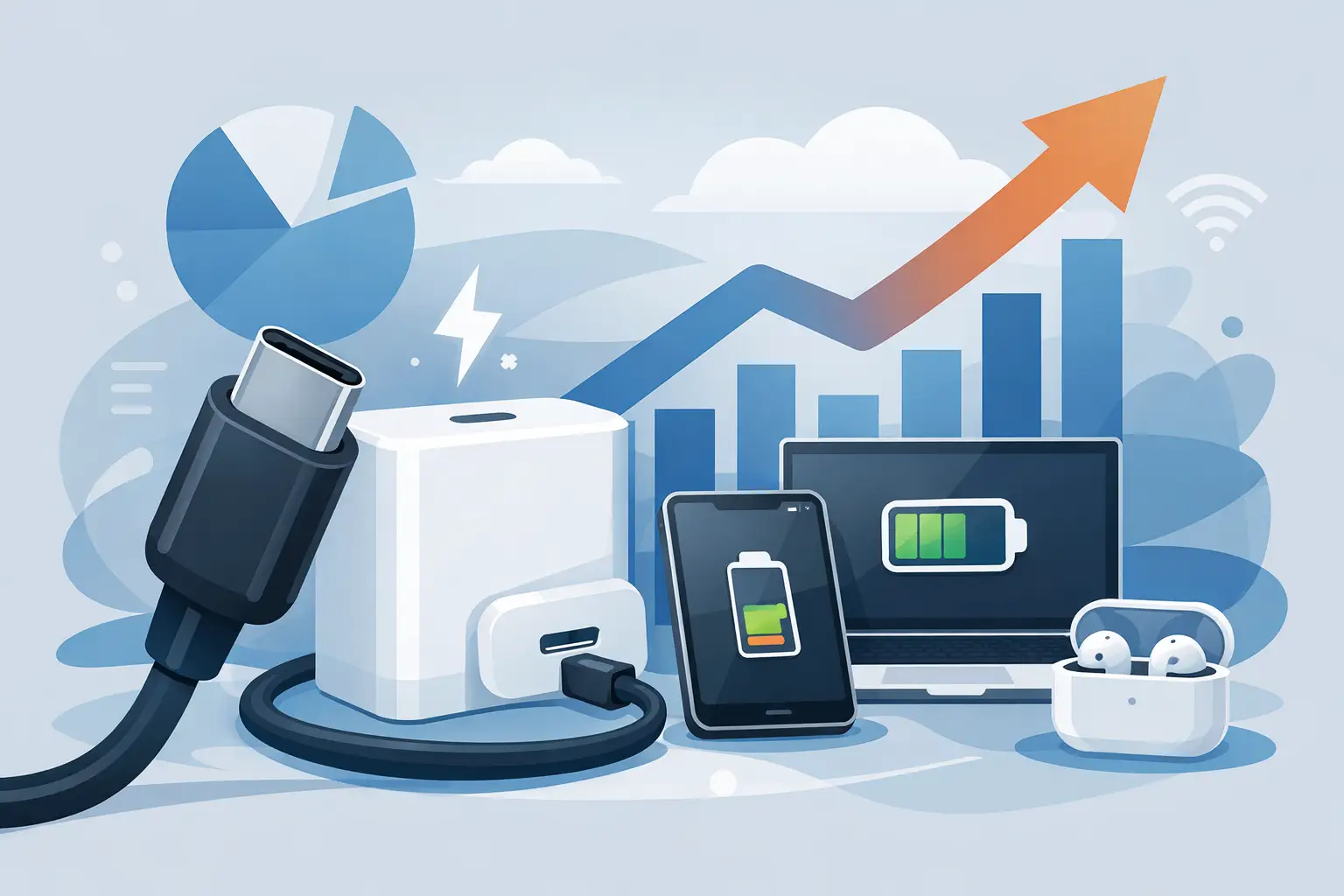
USB C Charging Trends Businesses Should Track
Jun 12, 2026
USB C charging trends are reshaping public, workplace, and event charging. See what matters for compatibility, speed, safety, and ROI.
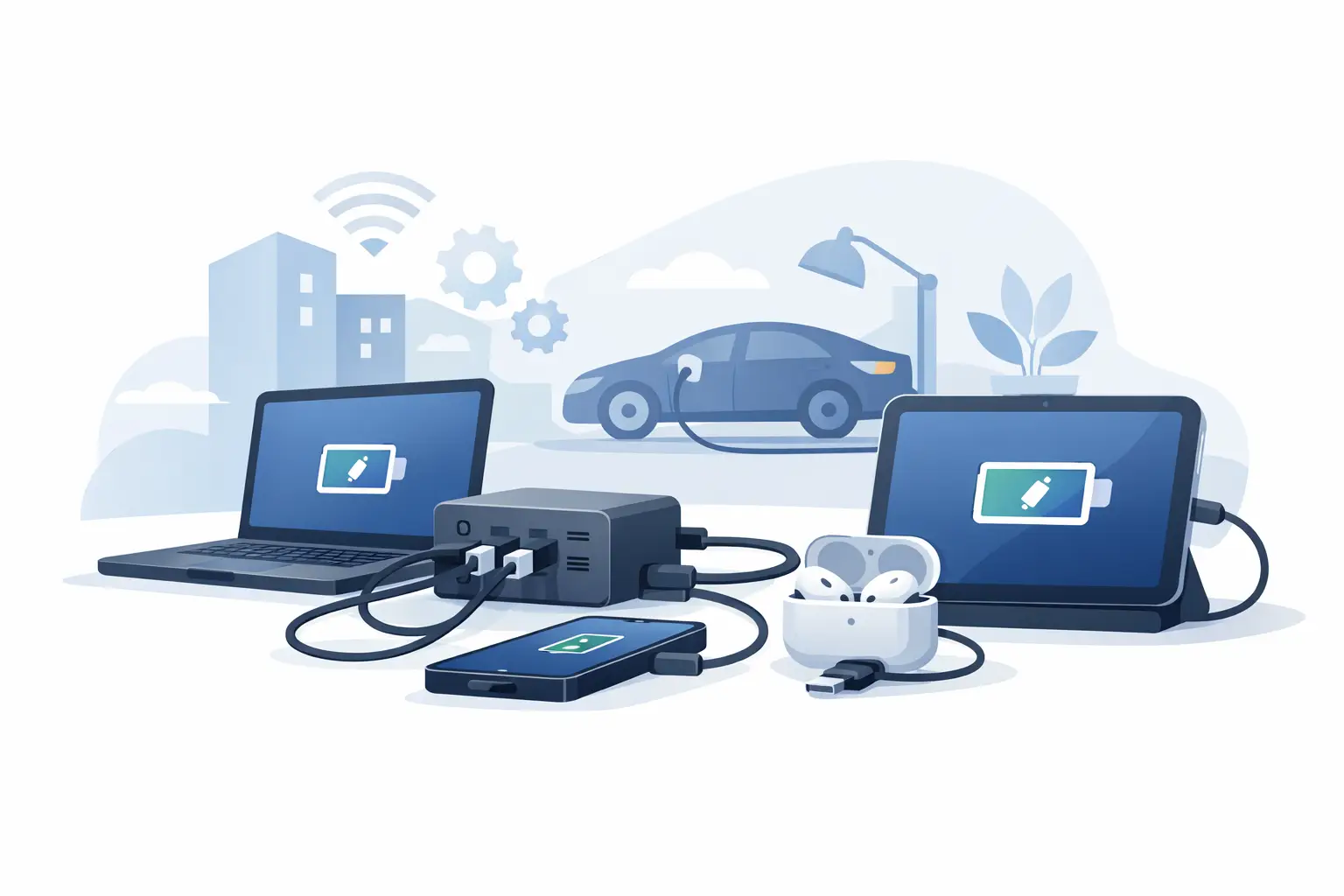
USB C Charging Station Commercial Guide
Jun 09, 2026
A practical look at usb c charging station commercial options, including use cases, power, security, placement, pricing, and ROI for busy venues.
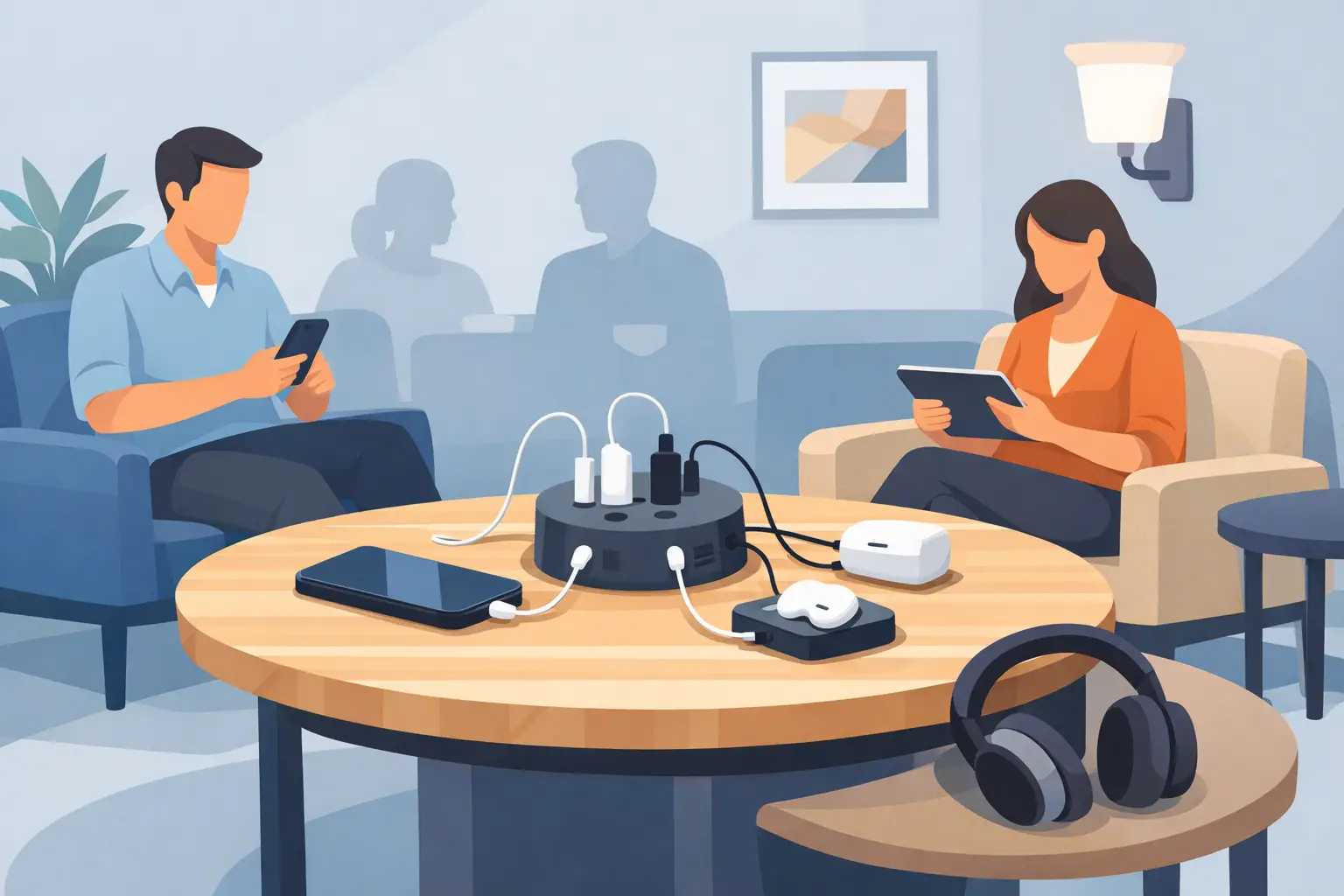
Charging Table for Waiting Room Buyers
Jun 08, 2026
A charging table for waiting room spaces keeps guests powered, improves dwell time, and adds convenience without adding operational friction.

What a Custom Charging Kiosk Wrap Should Do
Jun 07, 2026
A custom charging kiosk wrap should attract attention, fit the venue, and support ROI. Learn what to include and what to avoid.
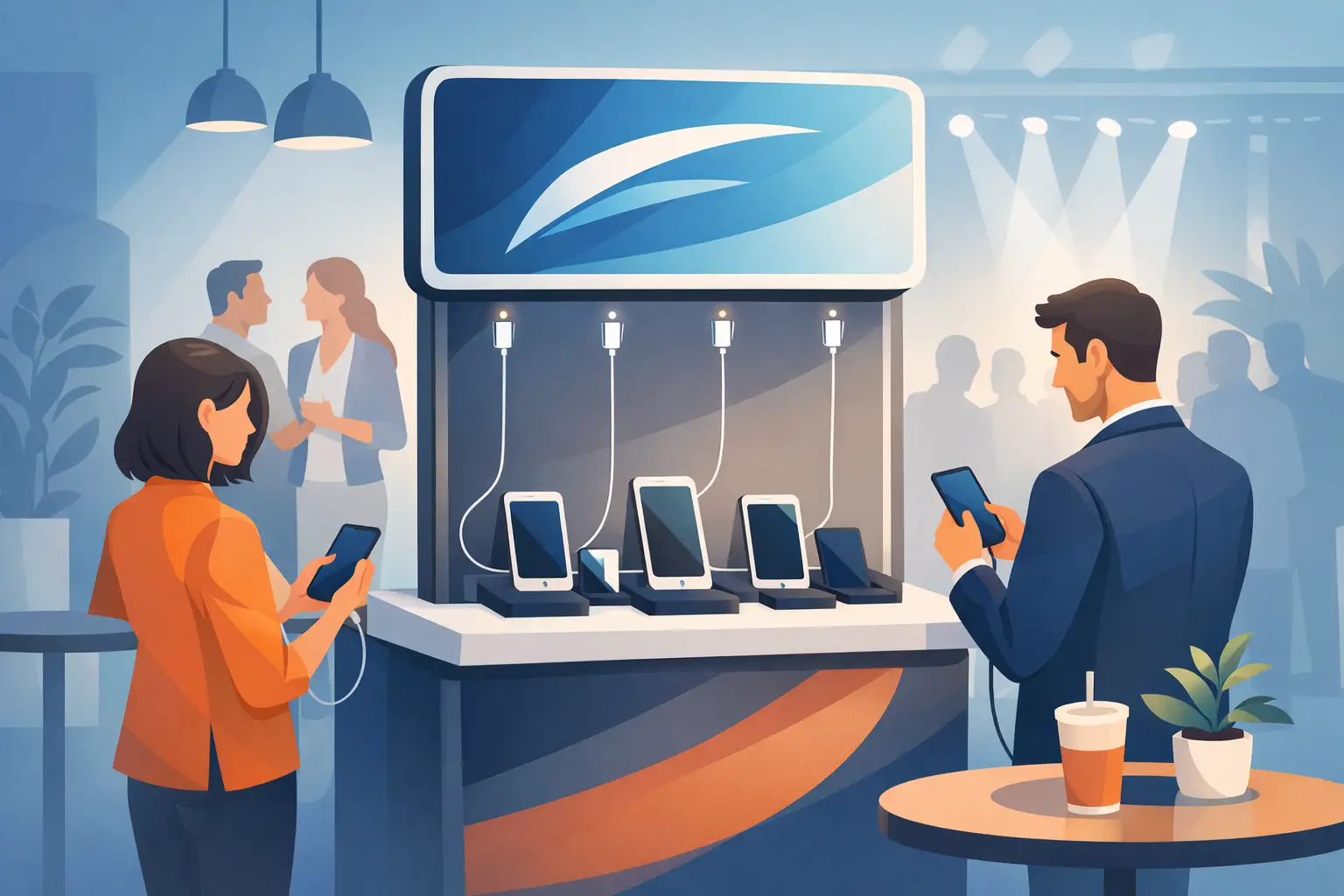
Branded Charging Station for Events That Works
Jun 06, 2026
A branded charging station for events keeps guests powered, boosts dwell time, supports sponsors, and adds measurable value to the event floor.
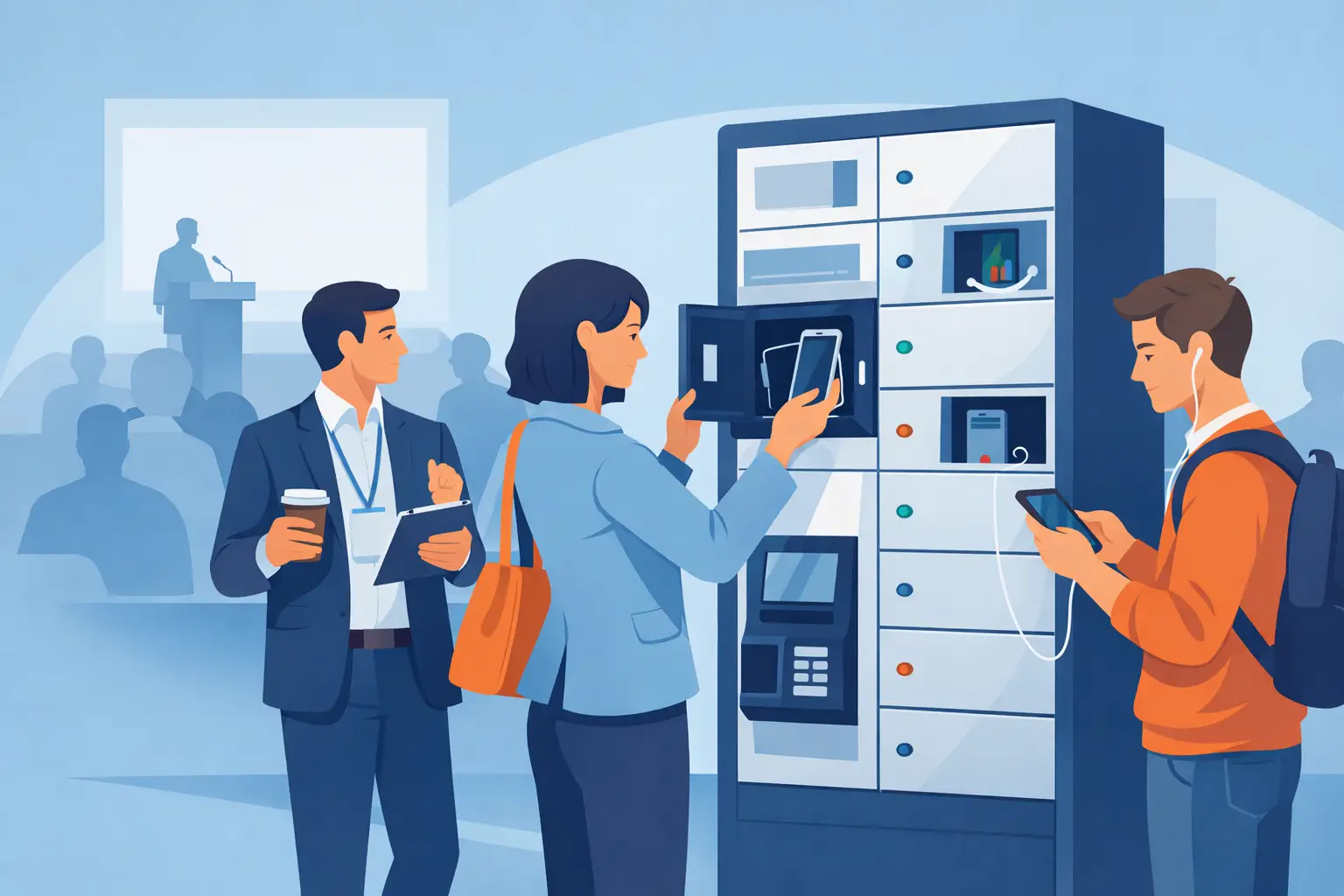
Conference Charging Locker Rental That Works
Jun 05, 2026
Conference charging locker rental keeps attendees powered, secure, and engaged while creating smoother events, stronger sponsor value, and revenue.
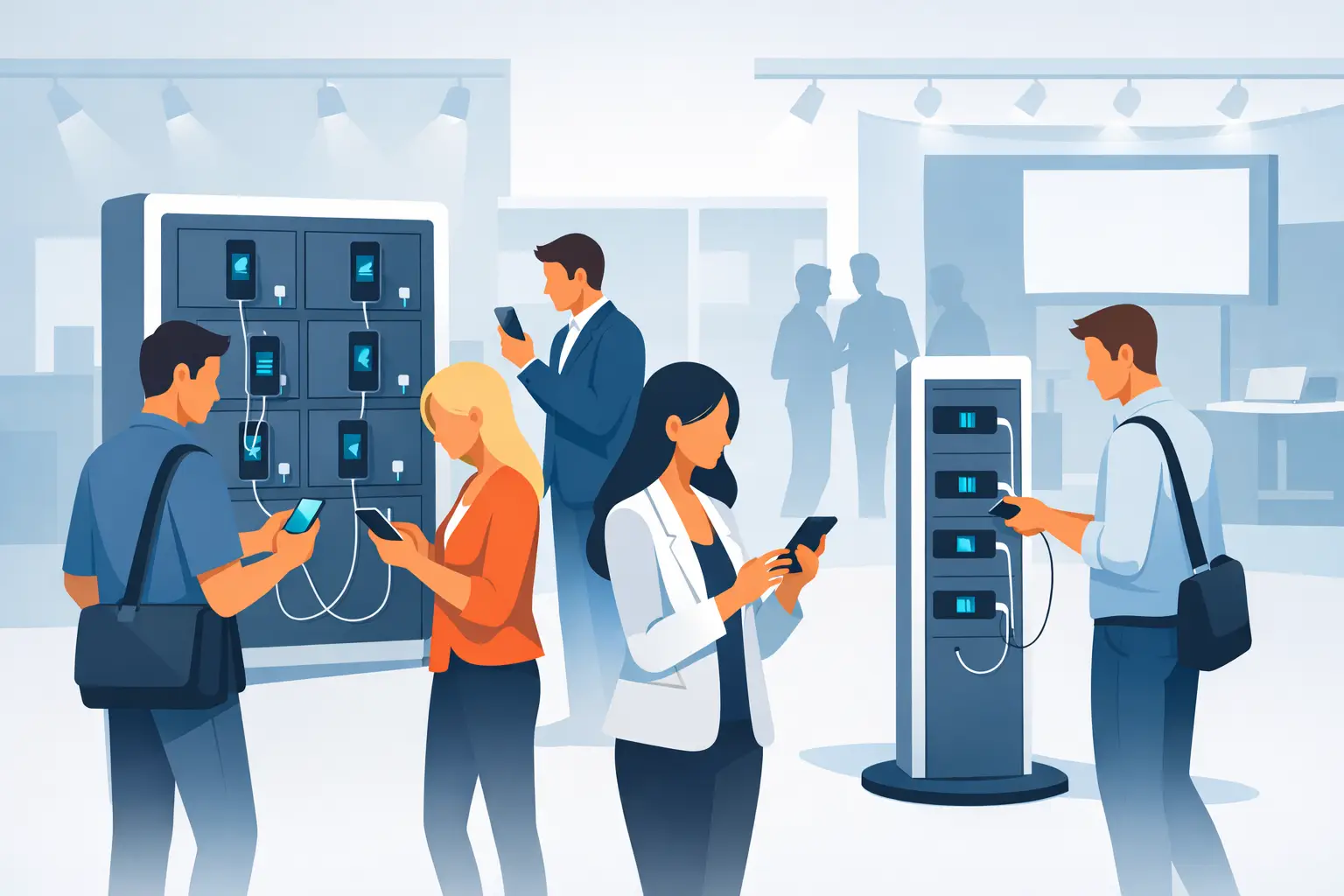
Trade Show Phone Charging Station Guide
Jun 04, 2026
A trade show phone charging station can boost booth traffic, dwell time, and leads while reducing attendee battery stress and improving event ROI.
Event Charging Station Rental That Works
Jun 03, 2026
Event charging station rental keeps guests powered, engaged, and on site longer. Learn what to rent, what to ask, and how to avoid event-day issues.

Free Phone Charging Station Retail ROI
Jun 02, 2026
See how free phone charging station retail setups increase dwell time, improve customer experience, and support smarter in-store traffic flow.
Charging Kiosk With Payment System: Worth It?
Jun 01, 2026
A charging kiosk with payment system can add revenue, improve guest experience, and extend dwell time. Here's how to choose the right setup.
Pay Per Use Charging Station ROI Explained
May 31, 2026
Learn how a pay per use charging station creates revenue, improves visitor experience, and fits retail, events, offices, and public venues.
Power Bank Rental Station Buyer’s Guide
May 30, 2026
A power bank rental station helps venues keep guests charged, boost dwell time, and create revenue with flexible, low-friction charging access.
Choosing a Laptop Charging Locker Cabinet
May 29, 2026
Learn how to choose a laptop charging locker cabinet for offices, schools, events, and venues with the right mix of security, power, and ROI.

Tablet Charging Locker for Schools: What Matters
May 28, 2026
A tablet charging locker for schools improves device security, charging access, and classroom readiness. Here’s what buyers should evaluate.
Secure Phone Charging Locker Buying Guide
May 27, 2026
Choose a secure phone charging locker that protects devices, improves guest experience, and fits your space, budget, and usage model.

Phone Charging Station for Business ROI
May 26, 2026
A phone charging station for business can boost dwell time, improve customer experience, and create revenue when matched to the right space.

How to make your phone battery last longer
Mar 20, 2025
It’s no secret that some smartphones have more powerful and longer lasting batteries than others. However, no matter how powerful the battery or how energy efficient your phone is, there are a number of apps and settings that will drain your battery faster. Identifying these apps and settings will help you keep usage to a […]

Phone Batteries – The Best and The Worst
Mar 29, 2017
When buying a new smartphone, there are a number of factors you will consider. From the brand and price, to the operating system, and other features like the camera. No matter what kind of phone you choose or the reason behind your purchase, one thing is for sure – you want the battery to last […]
What is USB-C and why is it important?
Mar 15, 2017
By now, you may have heard people talking about USB type C or perhaps you have even tried it out yourself. Either way, many experts agree that this is the future of USB ports and cables. What many people may not realize is that this particular type of connection is significantly different from older types […]