Charging Station Sponsorship Results That Matter
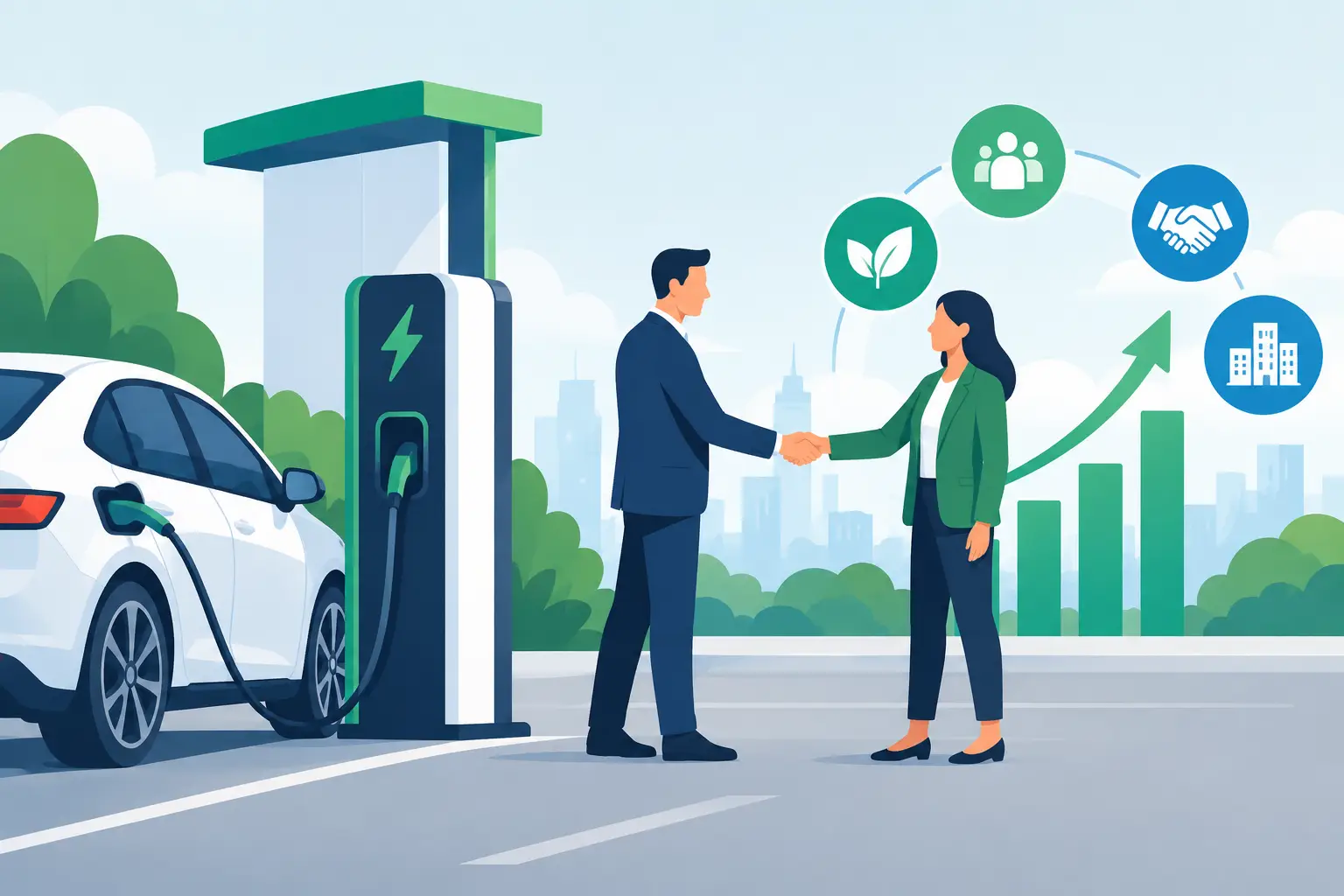
A dead phone can end a customer interaction, cut short a conference conversation, or send a shopper looking for an outlet instead of another store. That is why charging station sponsorship results should be measured as more than a logo placement. The strongest programs show whether a sponsor gave people a useful service, earned meaningful attention, created measurable action, and helped the venue improve the visitor experience.
For event organizers, venue operators, and brand teams, the goal is not to claim that thousands of people “saw” a charging station. The goal is to build a sponsorship activation with clear business value and reporting that a sponsor can trust.
What Charging Station Sponsorship Results Should Show
A sponsored charging station is a utility first and an advertising surface second. People approach it because they need power for a phone, tablet, or laptop. That practical need creates a more intentional brand interaction than a banner hanging above a crowded aisle.
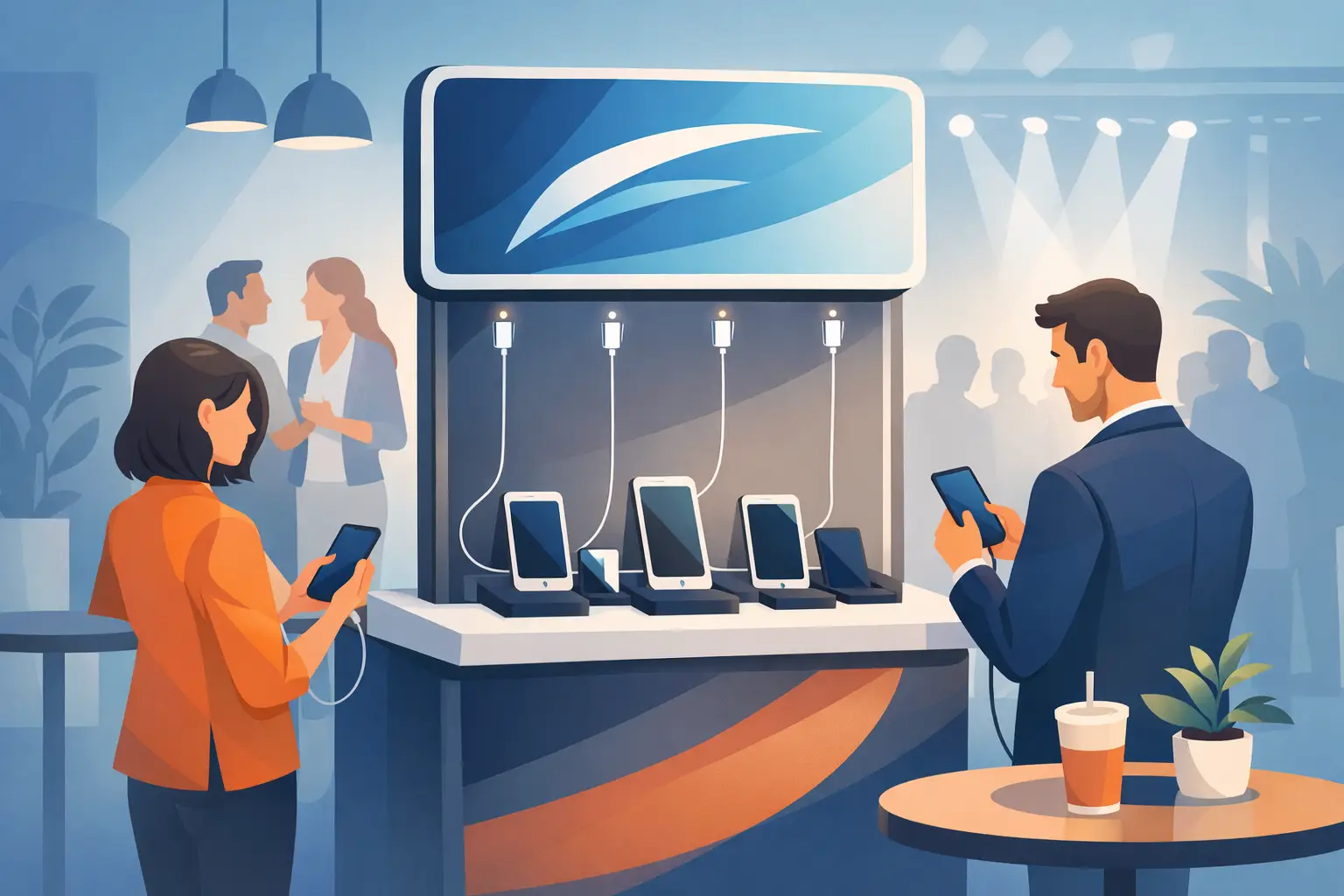
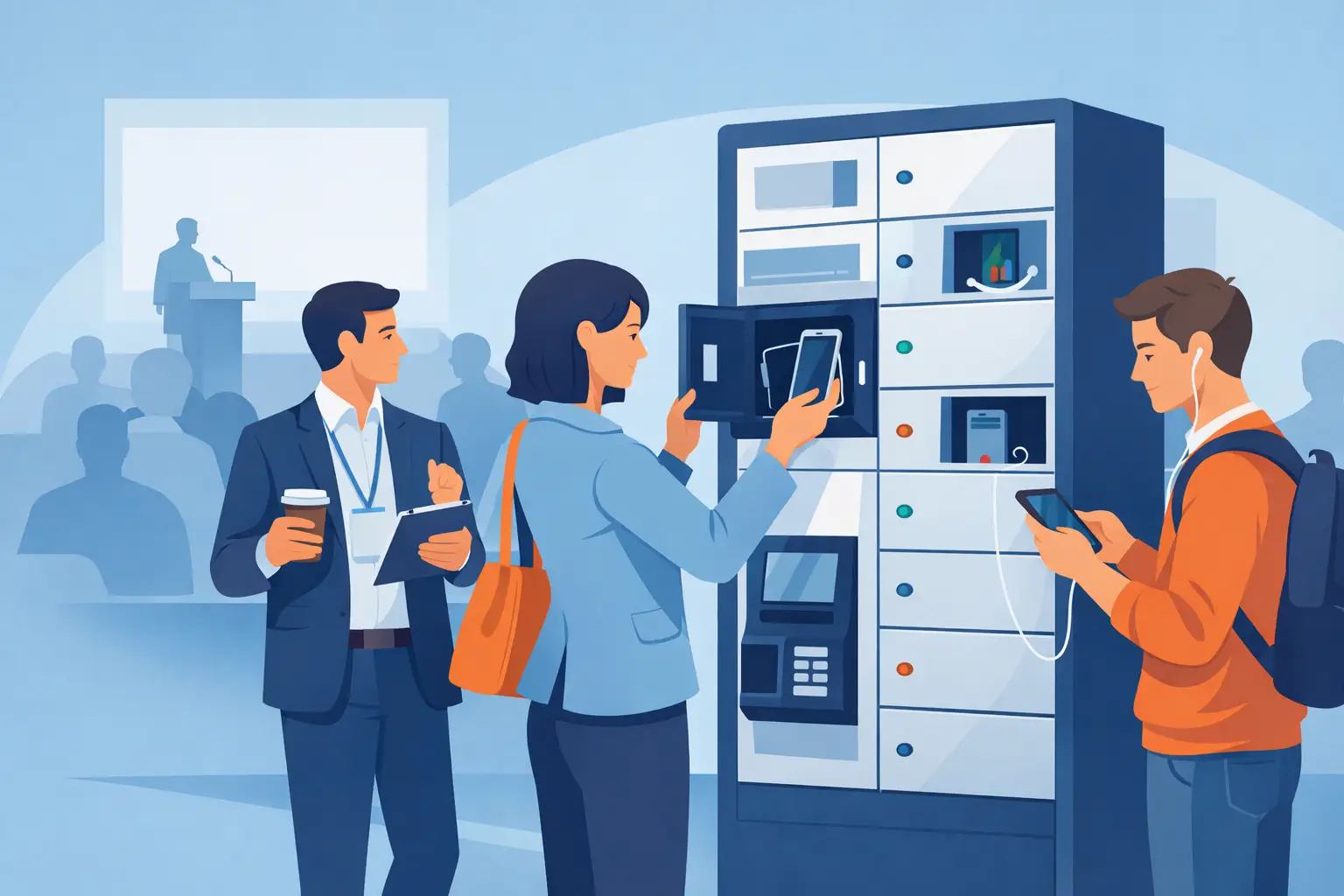
Results should reflect that difference. A useful post-event report connects the sponsor’s visibility to actual usage, engagement, and business outcomes. Depending on the setup, that may mean a branded charging locker at a convention, a power bank rental station in a stadium, a charging kiosk in a retail center, or desktop charging units in a hospitality lounge.
The right success measures depend on the sponsor’s objective. A consumer brand launching a product may prioritize opt-ins and coupon redemptions. A financial services sponsor may want time spent with a branded screen and qualified conversations. A venue partner may care most about attendee satisfaction, dwell time, and repeat use. There is no single number that proves success in every deployment.
Exposure: Measure the Opportunity to Be Seen
Start with the audience that could realistically encounter the station. Foot traffic near the installation, event attendance, operating hours, and station placement all affect exposure. A highly visible kiosk near registration or food service will produce a different result than a unit placed in a quiet corridor.
Be careful with impression estimates. Total event attendance is not the same as the number of people who saw the sponsor’s branding. Report both when available: total attendance as context and estimated station-area traffic as the more relevant exposure number. If the station includes a digital display, screen-play records can provide a clearer count of the sponsor message delivered.
Photographs and short videos also matter. They document location, branding quality, queue activity, and how the activation fit into the event environment. For sponsors, this evidence often makes the result more tangible than a spreadsheet alone.
Engagement: Show That People Used the Experience
Usage is where charging sponsorship becomes more valuable than passive signage. Track sessions started, unique users where privacy-compliant collection is available, average session length, charging ports used, locker rentals, and power banks checked out or returned.
A long session can signal strong utility and extended brand presence. A high number of short sessions may indicate fast-moving traffic and broad reach. Neither result is automatically better. At a trade show, a sponsor may prefer longer dwell time that supports a product demonstration or conversation. At a transit hub, quick access and high turnover may be the better operational outcome.
If the station includes a QR code, touchscreen call to action, digital coupon, or text-to-enter offer, track the response path separately. QR scans measure interest, but they are not leads unless the user completes the next step. Keep the funnel honest: scans, landing page visits, form completions, and qualified leads are different metrics.
Build Sponsorship Measurement Before the Event Opens
The most reliable results are planned before equipment is delivered. Retrofitting measurement after an event usually leads to vague claims and missed attribution.
First, agree on one primary goal and two or three supporting measures. For example, a sponsor at a three-day industry conference may set a primary goal of collecting 300 opted-in leads. Supporting measures could include 1,500 charging sessions and an average session duration of 20 minutes. A retail sponsor may instead focus on offer redemptions tied to a unique code displayed at the station.
Next, define what counts. Does a charging session begin when a cable is connected, when a locker door is secured, or when a power bank is rented? Does a lead require consent and a completed contact form? These definitions prevent disagreements once results are reported.
Placement should be part of the measurement plan. Record the station location, nearby attractions, operating hours, and any competing activations. If one unit is near the main stage and another is near a secondary entrance, combining their results without context can hide what actually worked.
A sponsor should also have a clear call to action. Branded vinyl alone can build awareness, but it cannot reliably connect attention to downstream results. A dedicated QR code, event-specific landing page, promo code, short URL shown as plain text, or staff-led sign-up process gives the audience a next step and gives the sponsor an attribution method.
Calculate Value Without Inflating the Numbers
Charging station sponsorship ROI can include direct revenue, lead value, media value, and venue value. The mix depends on the program.
For a pay-per-use station or power bank rental model, direct revenue is straightforward: total transactions minus agreed operating costs, payment processing, and the sponsor investment. For a free-use sponsored deployment, the return may be based on qualified leads, redeemed offers, appointments booked, or projected customer value.
A simple lead-value calculation can help: multiply the number of qualified leads by the sponsor’s historical conversion rate, then multiply that result by the estimated profit or lifetime value per converted customer. The estimate should use the sponsor’s own sales data whenever possible, not an arbitrary industry average.
Media-equivalent value can be useful, but it should never carry the entire report. Comparing a charging station logo to an ordinary display ad ignores the difference between a glance and a person actively using a service. Position media value as supporting context, not proof of commercial impact.
Venue value is often less direct but still real. Charging access can reduce disconnect anxiety, keep attendees on-site longer, support mobile ticketing and event apps, and improve satisfaction. Survey questions such as “Did charging access improve your event experience?” or “Would you use this service again?” can capture that outcome. Keep surveys short and offer them immediately after use for better response quality.
Make the Hardware Part of the Sponsorship Strategy
The station format affects both performance and what can be measured. An open charging kiosk encourages visible use and may create social proof in a high-traffic area. A secure charging locker allows guests to leave devices safely while they attend a session, shop, or eat. That can produce longer engagement windows but fewer visible user interactions.
Power bank rental stations work well where people remain mobile, such as festivals, sports venues, airports, and large convention floors. Desktop chargers and charging tables may fit lounges, hospitality areas, and VIP spaces where the sponsor wants a more relaxed, longer-form interaction.
Security and uptime are not minor operational details. A station that is out of service, has damaged cables, or does not support current USB-C devices turns a sponsor message into a poor customer experience. Durable equipment, protected charging, cable management, clear instructions, and responsive event support protect both the user and the sponsor’s investment. ChargeBar can configure branded charging solutions across these formats, including secure lockable options and revenue-capable POS deployments.
Common Reporting Mistakes to Avoid
The most common mistake is reporting total event attendance as sponsorship reach without separating station traffic or usage. Another is treating every QR scan as a qualified lead. Both make results look better in the moment and less credible when a sponsor asks harder questions.
It is also risky to ignore context. Weather, event schedule changes, floor-plan placement, Wi-Fi reliability, and adjacent programming can all affect performance. Note these factors in the final report rather than hiding them. A transparent explanation is more useful for renewing a sponsor than a perfect-looking report with no operational detail.
Finally, do not wait until the sponsor recap to identify improvements. If utilization is low on the first day, move signage, adjust the call to action, add directional decals, or reposition staff. Live optimization can materially improve final results.
Turn the Report Into a Better Renewal Conversation
A strong sponsorship report should be easy to review: objectives, setup, usage, engagement, attributable outcomes, photos, and recommendations for the next activation. Compare results to the agreed target, not to an unsupported promise.
The most productive closing conversation is not “Did the logo get seen?” It is “What did guests need, what did they do next, and how can the next placement create more value?” When charging solves a real problem and measurement is built into the experience, sponsors have a far better reason to return.
Related posts
Charging Station Sponsorship Results That Matter
Oct 09, 2026
Measure charging station sponsorship results with practical metrics for brand exposure, engagement, leads, dwell time, and revenue across live events.
How to Finance Charging Infrastructure Wisely
Oct 07, 2026
Learn how to finance charging infrastructure with purchase, lease, rental, and revenue models that fit your venue, event, budget, and growth goals today.
How to Install Charging Lockers Safely at Work
Oct 05, 2026
Learn how to install charging lockers safely with practical placement, power, security, and maintenance guidance for workplaces and public venues every.
Commercial Charging Locker Review for Buyers
Oct 03, 2026
A commercial charging locker review for buyers comparing security, charging speed, payment options, capacity, and long-term operating value at venues.

How to Manage Shared Devices Without the Chaos
Oct 01, 2026
Learn how to manage shared devices with clear ownership, secure charging, simple checkout rules, and reporting that keeps teams productive every shift.
Charging Station Maintenance That Protects Uptime
Sep 29, 2026
Charging station maintenance protects uptime, revenue, and user trust with practical inspections, cleaning, cable care, and payment system checks weekly.
Charging Locker System Review for Busy Venues
Sep 27, 2026
Read this charging locker system review to compare security, charging speed, payment options, and ROI for events, offices, retail, and venues nationwide.
Lockers Versus Powerbanks: Which Fits Your Space?
Sep 25, 2026
Lockers versus powerbanks: compare security, dwell time, staffing, revenue, and deployment needs to choose the right charging amenity for your venue today.
Public Device Charging Trends for Venues
Sep 23, 2026
Public device charging trends are reshaping venues, events, and workplaces with secure USB-C access, locker charging, and revenue-ready options for guests.
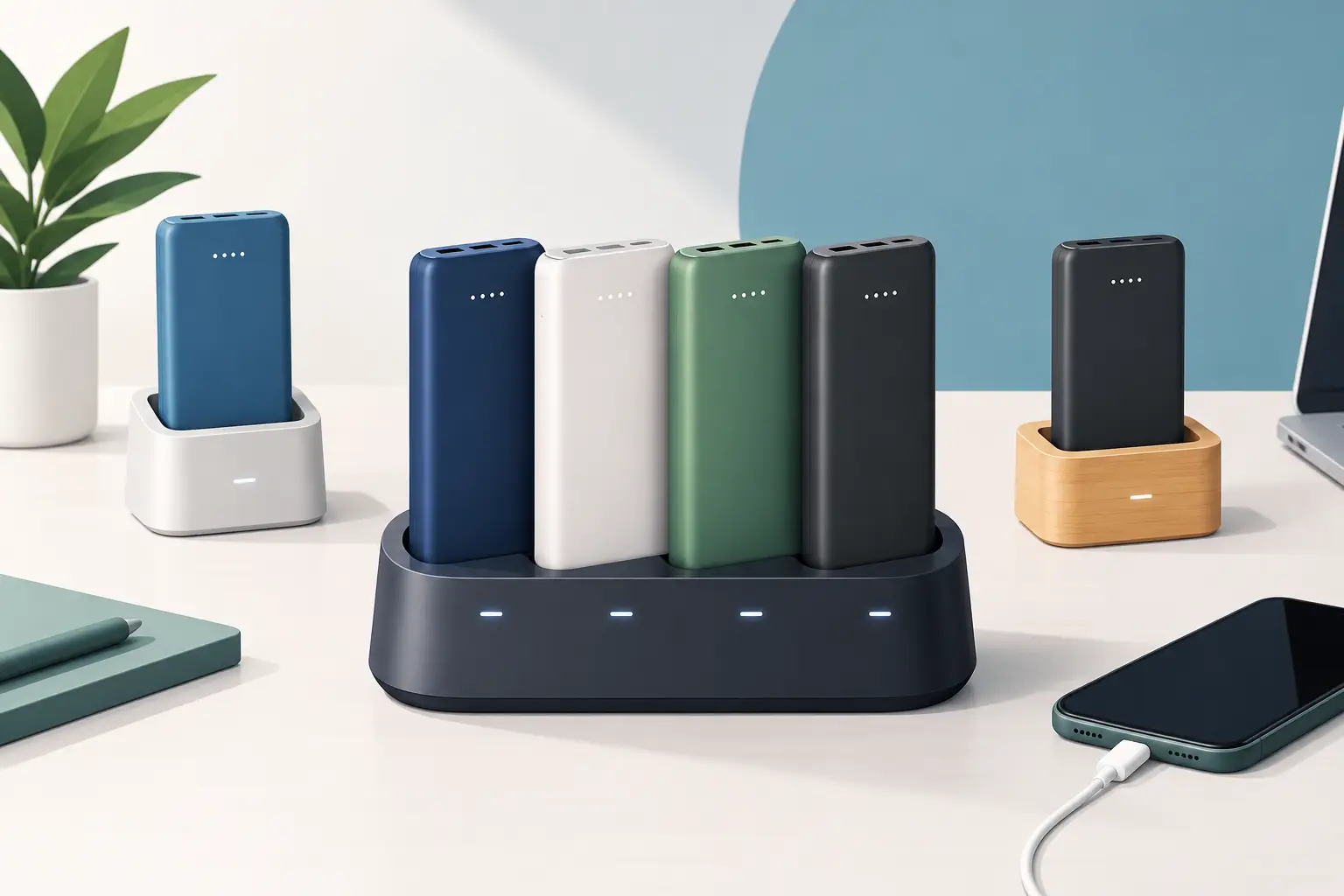
How to Create Branded Power Bank Docks That Sell
Sep 21, 2026
Learn how to create branded power bank docks that keep visitors engaged, strengthen your brand, and support free or paid charging programs on-site daily.

Locker Deployment Example for Busy Venues
Sep 19, 2026
See a locker deployment example that helps venues provide secure phone charging, reduce low-battery stress, and create a practical revenue option for guests.
Hotel Charging That Keeps Guests On Property
Sep 17, 2026
Hotel charging gives guests a secure place to power phones and laptops, extend their stay, and create new hospitality revenue opportunities on site daily.
How to Add Phone Charging to Your Business
Sep 15, 2026
Learn how to add phone charging to your business with secure, scalable stations that improve guest experience, dwell time, and revenue potential daily.
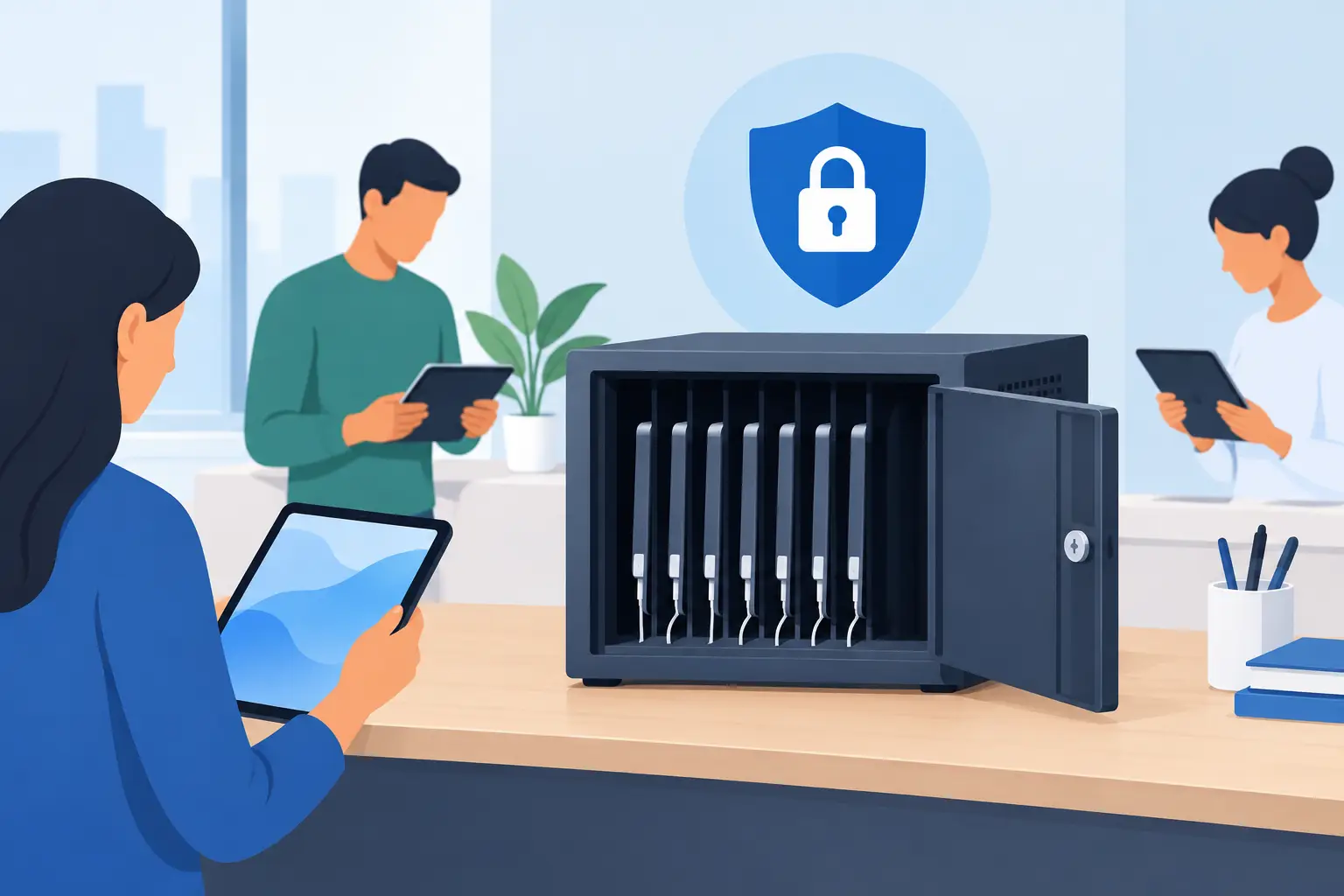
Best Secure Tablet Storage for Shared Devices
Sep 13, 2026
Find the best secure tablet storage for shared devices, events, offices, and public spaces with charging, access control, and room to scale confidently.

Power Bank Docking Review for Busy Venues
Sep 11, 2026
Use this power bank docking review to compare charging speed, security, payment options, branding, and operating costs before committing to deployment.

Charging Locker Procurement That Pays Off
Sep 09, 2026
Make charging locker procurement simpler with a practical plan for capacity, security, payment options, deployment, and long-term operating daily value.
Phone Charging Station Leasing for Businesses
Sep 08, 2026
Phone charging station leasing gives businesses a flexible way to add secure, branded charging while protecting cash flow and creating new revenue streams

Multi Device Charging Cabinets for Busy Venues
Sep 06, 2026
Multi device charging cabinets give visitors secure power, help staff manage shared devices, and create a practical amenity or revenue stream for venues.
How to Rent Charging Stations for Your Event
Sep 04, 2026
Learn how to rent charging stations for events, offices, and venues, from choosing secure formats to planning power, branding, delivery, and ROI needs.
Best Phone Charging for Hotels and Their Guests
Sep 02, 2026
Find the best phone charging for hotels with secure, guest-ready options that improve stays, support staff, and create new revenue opportunities on property.
Do Charging Lockers Prevent Theft at Events?
Aug 31, 2026
Do charging lockers prevent theft? Learn how lockable charging stations protect devices, reduce staff burden, and improve visitor confidence on site daily.
The Future of Public Charging Is Built for Dwell Time
Aug 29, 2026
The future of public charging will reward venues that pair fast, secure power with payment flexibility, strong uptime, and better visitor experiences.

How to Deploy Phone Charging Furniture Well
Aug 27, 2026
Learn how to deploy phone charging furniture in high-traffic spaces, from selecting locations and power to security, branding, pricing, and daily upkeep.
Can Charging Lockers Fit Laptops? What to Check
Aug 25, 2026
Can charging lockers fit laptops? Learn which locker dimensions, outlets, cables, and power limits support secure laptop charging at work and events today.
How to Lease Charging Lockers for Your Venue
Aug 23, 2026
Learn how to lease charging lockers with the right term, payment model, security features, and deployment plan for each location.
Best Charging Kiosks for Retail Stores Compared
Aug 21, 2026
Compare the best charging kiosks for retail to increase dwell time, protect customer devices, support modern USB-C needs, and create new revenue safely.
Can Charging Stations Charge Laptops Safely?
Aug 19, 2026
Can charging stations charge laptops? Learn which ports, wattages, and safety features businesses need to provide laptop power for visitors and staff.
Emergency Phone Charger Kiosk for Busy Venues
Aug 17, 2026
An emergency phone charger kiosk keeps guests connected, extends dwell time, and can turn charging access into a secure revenue opportunity for your venue today.
Fleet Device Charging Management That Works
Aug 15, 2026
Fleet device charging management keeps phones, tablets, and laptops ready, secure, and accounted for across every shift, site, and deployment without delays daily.
Best Event Phone Charging Rentals for Busy Venues
Aug 13, 2026
Find the best event phone charging rentals for secure, fast, branded power that keeps attendees engaged, extends dwell time, and can create event revenue.
Power Bank Rental vs Lockers: Which Fits?
Aug 11, 2026
Compare power bank rental vs lockers to choose the right charging solution for your venue, event, or workplace and improve guest experience and ROI today.
Free Charging vs Paid Charging: Which Works?
Aug 09, 2026
Free charging vs paid charging can improve visitor experience or create revenue. Learn how to choose the right model for your venue, event, or workplace.
Secure Device Charging Guide for Businesses
Aug 07, 2026
Use this secure device charging guide to protect phones, tablets, and laptops while providing reliable, convenient power for every guest at your venue.
Charging Station Leasing Guide for Businesses
Aug 04, 2026
Use this charging station leasing guide to compare terms, station types, payment options, and ROI before adding secure device charging to your space today.
Laptop Charging Kiosk for Libraries That Works
Aug 03, 2026
Choose a laptop charging kiosk for libraries with secure storage, laptop-ready power, simple access, and a funding model that fits your space reliably.
Power Banks vs Fixed Chargers for Venues
Aug 01, 2026
Compare power banks vs fixed chargers for events, venues, and workplaces. Choose secure charging that improves guest experience, uptime, and revenue onsite.
Why Offer Free Device Charging at Your Venue?
Jul 29, 2026
Why offer free device charging? Learn how it keeps visitors engaged, strengthens your brand, supports operations, and can create new revenue opportunities.
Public Charging Station Benefits for Business
Jul 27, 2026
Public charging station benefits include longer visits, happier guests, stronger brand visibility, and practical revenue options for high-traffic venues.

Phone Charging Lockers for Gyms That Members Use
Jul 26, 2026
Phone charging lockers for gyms keep members powered, valuables secure, and workouts on track while creating a valuable amenity or revenue opportunity.
Best Charging Lockers for Offices in 2026
Jul 23, 2026
Find the best charging lockers for offices with secure storage, USB-C support, smart access, and the right capacity for staff, guests, and shared devices.
Phone Charging Stations That Work Harder
Jul 21, 2026
Phone charging stations keep guests engaged, staff productive, and events moving. Learn how to choose secure, scalable options that can earn revenue too.

How to Deploy Charging Amenities That Pay Off
Jul 19, 2026
Learn how to deploy charging amenities that keep visitors powered, increase dwell time, support operations, and create revenue in any venue with clarity.
Secure Charging for Employee Devices at Work
Jul 18, 2026
Secure charging for employee devices keeps work moving while protecting phones, tablets, and laptops. Learn what a practical workplace setup needs today.
Venue Device Charging Solutions That Pay Off
Jul 16, 2026
Venue device charging solutions keep guests connected, increase dwell time, protect devices, and can create new revenue at events and public spaces daily.
Can Charging Kiosks Take Payments? Yes, Here’s How
Jul 14, 2026
Can charging kiosks take payments? See how POS-enabled charging turns low-battery demand into convenience, longer visits, and new venue revenue streams.

Custom Branded Charging Stations That Earn Attention
Jul 11, 2026
Custom branded charging stations turn low-battery stress into longer visits, stronger brand visibility, and a practical revenue opportunity for venues.
Charging Kiosks That People Actually Use
Jul 10, 2026
Charging kiosks keep guests powered, on-site, and engaged. Learn how to choose the right setup for security, revenue, and everyday use.
Charging Stations for Convention Centers
Jul 08, 2026
Charging stations for convention centers reduce attendee stress, boost dwell time, support sponsors, and create new revenue opportunities.
How to Lease Charging Kiosks Smartly
Jul 06, 2026
Learn how to lease charging kiosks with the right terms, pricing, features, and support so your venue adds convenience and potential revenue.
Visitor Amenity Charging Kiosk: What to Buy
Jul 04, 2026
A visitor amenity charging kiosk helps venues keep guests powered, engaged, and on-site while supporting security, branding, and revenue goals.
Business Charging Station Buying Guide
Jul 02, 2026
Business charging station buying guide for choosing secure, scalable charging solutions that improve guest experience and create revenue.
Contactless Payment Charging Station Benefits
Jun 30, 2026
A contactless payment charging station helps venues boost convenience, capture revenue, and keep guests engaged without adding operational friction.
How to Choose Charging Lockers for Your Space
Jun 28, 2026
Learn how to choose charging lockers for events, venues, offices, and retail spaces based on security, device mix, power needs, and ROI.
Are Public Charging Stations Safe to Use?
Jun 26, 2026
Are public charging stations safe to use? Learn the real risks, how secure charging stations work, and what businesses should provide.
Best Desktop Charging Station for Office Use
Jun 24, 2026
Find the right desktop charging station for office use with tips on safety, device mix, cable management, security, and long-term value.
Leasing vs Buying Charging Stations
Jun 22, 2026
Leasing vs buying charging stations comes down to budget, flexibility, and ROI. Learn which model fits events, venues, offices, and retail.
Charging Lockers vs Kiosks: What Fits Best?
Jun 20, 2026
Charging lockers vs kiosks: compare security, throughput, revenue, and fit by venue so you can choose the right charging setup for your space.

Charging Locker ROI Calculator Guide
Jun 17, 2026
Use a charging locker ROI calculator to estimate payback, revenue, and visitor impact. Learn which costs, assumptions, and metrics matter most.
How to Monetize Charging Kiosks
Jun 16, 2026
Learn how to monetize charging kiosks with the right pricing, placement, sponsorships, and formats to turn charging access into revenue.
What Is Juice Jacking Protection?
Jun 13, 2026
What is juice jacking protection? Learn how it blocks data theft through USB ports and why businesses should offer safer public charging access.
USB C Charging Trends Businesses Should Track
Jun 12, 2026
USB C charging trends are reshaping public, workplace, and event charging. See what matters for compatibility, speed, safety, and ROI.
USB C Charging Station Commercial Guide
Jun 09, 2026
A practical look at usb c charging station commercial options, including use cases, power, security, placement, pricing, and ROI for busy venues.

Charging Table for Waiting Room Buyers
Jun 08, 2026
A charging table for waiting room spaces keeps guests powered, improves dwell time, and adds convenience without adding operational friction.

What a Custom Charging Kiosk Wrap Should Do
Jun 07, 2026
A custom charging kiosk wrap should attract attention, fit the venue, and support ROI. Learn what to include and what to avoid.
Branded Charging Station for Events That Works
Jun 06, 2026
A branded charging station for events keeps guests powered, boosts dwell time, supports sponsors, and adds measurable value to the event floor.
Conference Charging Locker Rental That Works
Jun 05, 2026
Conference charging locker rental keeps attendees powered, secure, and engaged while creating smoother events, stronger sponsor value, and revenue.
Trade Show Phone Charging Station Guide
Jun 04, 2026
A trade show phone charging station can boost booth traffic, dwell time, and leads while reducing attendee battery stress and improving event ROI.
Event Charging Station Rental That Works
Jun 03, 2026
Event charging station rental keeps guests powered, engaged, and on site longer. Learn what to rent, what to ask, and how to avoid event-day issues.

Free Phone Charging Station Retail ROI
Jun 02, 2026
See how free phone charging station retail setups increase dwell time, improve customer experience, and support smarter in-store traffic flow.
Charging Kiosk With Payment System: Worth It?
Jun 01, 2026
A charging kiosk with payment system can add revenue, improve guest experience, and extend dwell time. Here's how to choose the right setup.
Pay Per Use Charging Station ROI Explained
May 31, 2026
Learn how a pay per use charging station creates revenue, improves visitor experience, and fits retail, events, offices, and public venues.
Power Bank Rental Station Buyer’s Guide
May 30, 2026
A power bank rental station helps venues keep guests charged, boost dwell time, and create revenue with flexible, low-friction charging access.
Choosing a Laptop Charging Locker Cabinet
May 29, 2026
Learn how to choose a laptop charging locker cabinet for offices, schools, events, and venues with the right mix of security, power, and ROI.

Tablet Charging Locker for Schools: What Matters
May 28, 2026
A tablet charging locker for schools improves device security, charging access, and classroom readiness. Here’s what buyers should evaluate.
Secure Phone Charging Locker Buying Guide
May 27, 2026
Choose a secure phone charging locker that protects devices, improves guest experience, and fits your space, budget, and usage model.
Phone Charging Station for Business ROI
May 26, 2026
A phone charging station for business can boost dwell time, improve customer experience, and create revenue when matched to the right space.
How to make your phone battery last longer
Mar 20, 2025
It’s no secret that some smartphones have more powerful and longer lasting batteries than others. However, no matter how powerful the battery or how energy efficient your phone is, there are a number of apps and settings that will drain your battery faster. Identifying these apps and settings will help you keep usage to a […]

Phone Batteries – The Best and The Worst
Mar 29, 2017
When buying a new smartphone, there are a number of factors you will consider. From the brand and price, to the operating system, and other features like the camera. No matter what kind of phone you choose or the reason behind your purchase, one thing is for sure – you want the battery to last […]
What is USB-C and why is it important?
Mar 15, 2017
By now, you may have heard people talking about USB type C or perhaps you have even tried it out yourself. Either way, many experts agree that this is the future of USB ports and cables. What many people may not realize is that this particular type of connection is significantly different from older types […]