Charging Station Maintenance That Protects Uptime
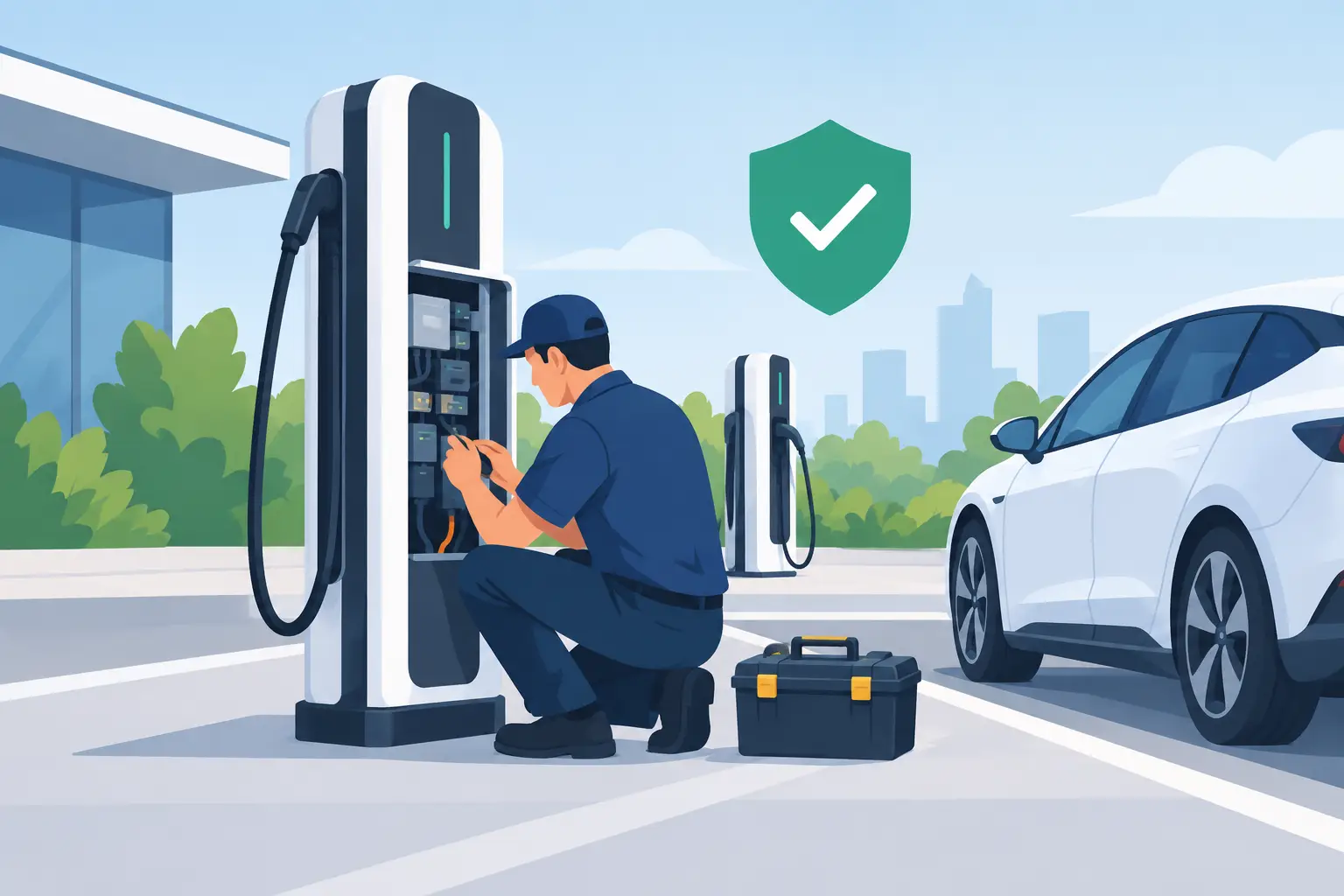
A dead charging station is more visible than many facility failures. A visitor who cannot charge a phone, a conference attendee who finds a locker out of service, or a customer whose rental transaction fails will notice immediately. Consistent charging station maintenance keeps that frustration from becoming a reflection on your venue, brand, or event.
For businesses that provide charging as an amenity or a paid service, maintenance is not a back-room task. It protects uptime, preserves equipment life, supports safe charging, and keeps a revenue-producing asset available when people need it most. The right program does not need to be complicated, but it does need to match how heavily your stations are used.
Why Charging Station Maintenance Has a Business Impact
A charging kiosk, locker, table, or power bank rental station often sits in a high-traffic area. That is exactly why it delivers value: it gives customers a reason to stay longer, helps staff remain connected, and gives event operators a useful way to attract traffic. It also means the equipment is exposed to daily wear that office-only electronics may never see.
Cables are pulled at different angles. Connectors collect lint. Payment terminals face repeated transactions. Screens and doors are touched throughout the day. Small problems can turn into unavailable ports, loose hardware, unsuccessful payments, or a station that appears unreliable even when only one component needs attention.
The cost of ignoring these issues is more than a repair bill. At a retail location, it can mean lost dwell time and a missed opportunity to build loyalty. At a trade show, an out-of-service unit can send attendees away from your booth. In a workplace, it can create unnecessary interruptions for employees and IT teams. Preventive care is usually less disruptive and less expensive than responding after a station has failed.
Build Maintenance Around Use, Not the Calendar Alone
A lightly used desktop charger in a controlled office may only need a monthly visual review. A public charging locker in a transportation hub, hospital waiting area, stadium, or convention center may need attention every day. The best schedule is based on foot traffic, charging volume, weather exposure, and whether the station accepts payments.
Start by assigning ownership. One person or team should be responsible for checking the station, recording issues, and escalating service needs. Without clear ownership, minor defects are easy to overlook because everyone assumes someone else has handled them.
For high-traffic deployments, a quick daily walk-through is practical. Confirm that the unit powers on, displays are working, doors latch correctly, cables are present, and there is no visible damage. Test a different port or compartment each day rather than waiting for a complaint. For payment-enabled stations, verify that the payment screen and transaction flow are functioning as expected.
Weekly checks should go further. Clean touchpoints, inspect cables and connector heads, look for loose screws or panels, and review any error messages or transaction alerts. Monthly maintenance can include a more complete functional test of every bay, port, lock, outlet, and payment component. Keep a simple log with the date, findings, corrective action, and parts replaced. That record helps identify repeat failures and supports warranty or service conversations.
Focus on the Parts Users Touch Most
Most charging-station issues begin at the point of use. Cables and connectors deserve special attention because they are handled constantly and are often the first parts to show wear. Look for bent connector tips, split insulation, exposed wiring, loose cable strain relief, or ports that no longer hold a plug securely. Replace damaged cables promptly rather than taping or improvising a repair.
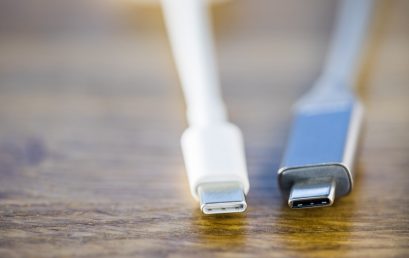
USB-C has become a common standard across phones, tablets, and many laptops, but its compact connector is still vulnerable to debris and repeated force. Use a dry, nonmetallic tool or approved compressed air method to remove dust from accessible areas. Do not insert metal objects into charging ports or use liquid cleaners inside them. If a port feels loose, overheats, or charges inconsistently across known-good devices, take it out of service until it can be evaluated.
Lockable charging stations require their own checks. Test doors, hinges, locks, and release mechanisms. A compartment that does not secure properly creates a security concern, while a door that will not open can create an immediate customer-service problem. Keep access keys, override procedures, and support contacts available to the personnel who manage the station.
Clean for Appearance and Performance
A clean station signals that it is safe and ready to use. It also prevents dirt and residue from affecting screens, payment readers, ventilation openings, and charging connections. Use cleaning products that are appropriate for the unit’s exterior materials and follow the equipment manufacturer’s guidance.
In most cases, a soft microfiber cloth lightly dampened with an approved cleaner is enough for exterior surfaces. Avoid spraying cleaner directly into displays, seams, ports, outlets, card readers, or ventilation areas. Clean the cloth first, then wipe the surface. Let equipment dry fully before returning it to service.
Pay particular attention to high-touch areas such as screens, keypad surfaces, handles, door pulls, and payment terminals. At events and public venues, this may be part of the daily reset between sessions or before doors open. Do not overlook the area around the station either. A clear, well-lit charging area makes the equipment easier to find and discourages users from placing drinks, bags, or signage where they can block ventilation or access.
Protect Power, Payments, and Connectivity
Charging equipment relies on more than cables. A station can look perfect and still be unavailable because of a tripped circuit, weak network connection, payment-terminal issue, or software setting. Facilities teams should know which outlet, circuit, and network connection support each deployed unit.
Check that power cords are secure and protected from foot traffic. Do not overload shared outlets or connect equipment through unapproved extension arrangements. If a station repeatedly loses power, investigate the electrical source rather than resetting it indefinitely. Repeated interruptions can point to a circuit issue, an overloaded setup, or equipment that needs service.
For POS-enabled charging stations and power bank rental systems, monitor transaction activity and network status. A sudden drop in transactions may indicate a payment or connectivity issue, but it may also reveal that users cannot find the station or that a cable problem is preventing successful use. Review the data alongside physical inspections. Revenue reporting is a useful operational signal, not just an accounting report.
If your equipment receives software, firmware, or payment-terminal updates, schedule them during low-use periods. Updates can improve security and reliability, but they should be planned so a busy venue is not caught with unavailable charging capacity. Test one station first when managing a larger fleet, especially if units are configured differently by location.
Know When to Service, Replace, or Reconfigure
Not every issue calls for the same response. A worn cable is a straightforward replacement. A station with persistent charging failures across multiple ports may need professional service. A unit that no longer meets demand may be functioning properly but still be the wrong format for the location.
For example, a lobby with short visits may benefit from an open charging table or desktop charger, while an all-day conference may need secure lockers for phones, tablets, and laptops. A busy retail space may gain more from a branded, payment-enabled kiosk than a free-use station with limited capacity. Maintenance reviews are a good time to evaluate whether usage patterns still match your deployment.
Set clear thresholds for taking equipment out of service. Stop using a station if you see exposed wiring, heat damage, smoke or unusual odors, water intrusion, damaged power components, or a lock that creates a security risk. Mark the unit clearly, disconnect it when appropriate, and follow the service process. Keeping a questionable station available is not worth the safety or reputational risk.
Make Maintenance Easier for On-Site Teams
The strongest maintenance plan is one that staff can actually follow during a busy shift. Create a location-specific checklist with photos or plain-language descriptions of what “good” looks like. Include the station model, asset number, power source, network details if applicable, key location, and escalation contact.
Keep approved replacement items on hand for high-use locations, particularly compatible cables and basic cleaning supplies. This reduces downtime for common issues. For multi-site organizations, standardize the inspection log so facilities, operations, IT, and finance teams can compare issues across locations.
ChargeBar customers often choose charging lockers, kiosks, rental stations, and charging furniture because they create a visible service for guests while supporting operational or revenue goals. That value is protected when stations are treated like the customer-facing infrastructure they are, not like an appliance to notice only when it stops working.
A well-maintained charging station quietly does its job: it keeps people connected, gives them a reason to remain in your space, and reinforces that your organization has planned for the details that matter.
Related posts
How to Prevent Cable Theft at Charging Stations
Oct 19, 2026
Learn how to prevent cable theft at public and workplace charging stations with better hardware, placement, inspections, and simple operating policies.
Charging Station Durability That Holds Up
Oct 17, 2026
Charging station durability protects uptime, visitor trust, and revenue. Learn what to look for in materials, cables, locks, power, and service needs.
Commercial Charging Procurement Guide for Buyers
Oct 15, 2026
Use this commercial charging procurement guide to choose secure, scalable device charging for venues, staff, and events while managing cost and ROI wisely.
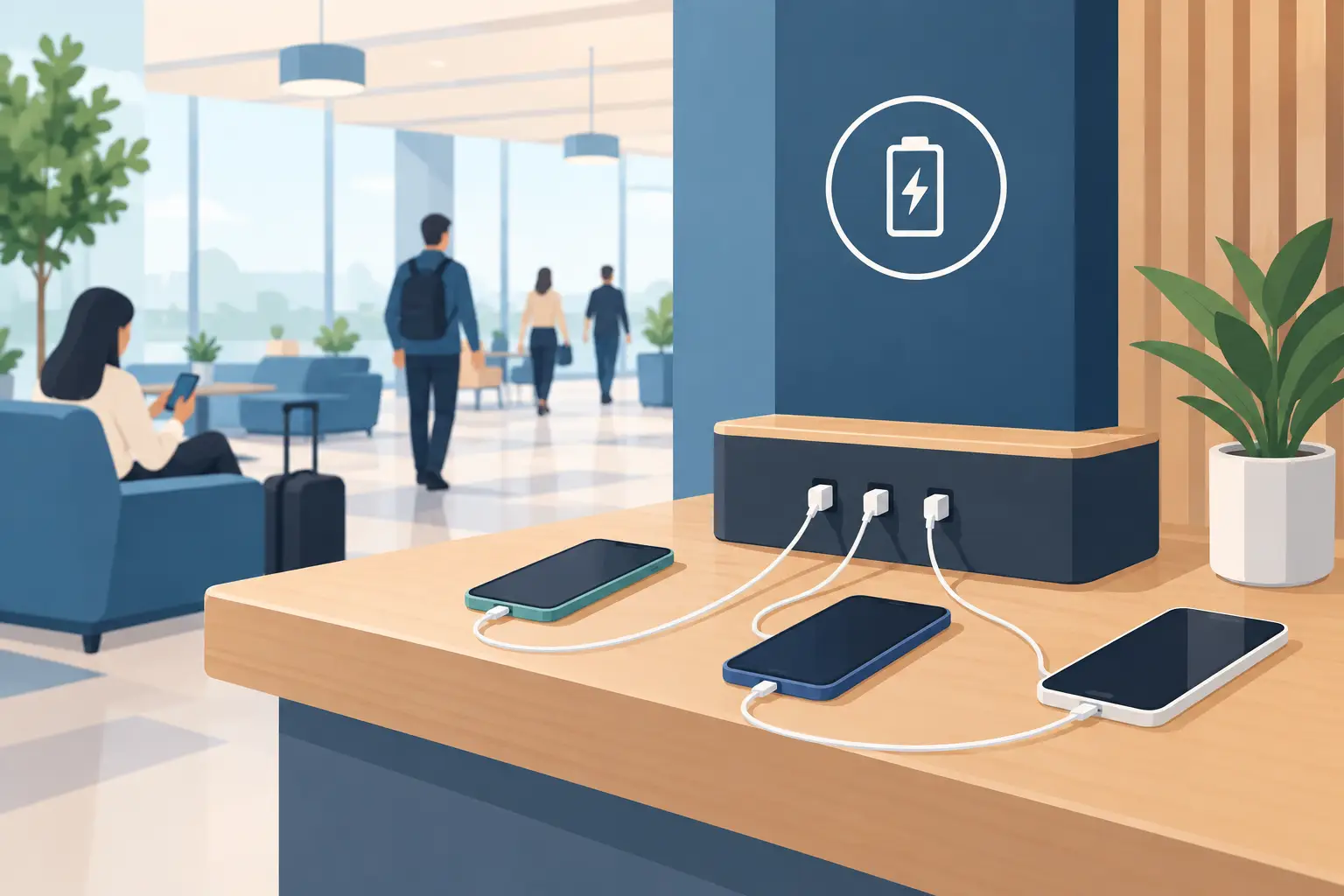
Public Phone Charging Setup Guide for Venues
Oct 13, 2026
A public phone charging setup guide for venues that want safer access, longer visits, and practical revenue from reliable charging stations on site daily.
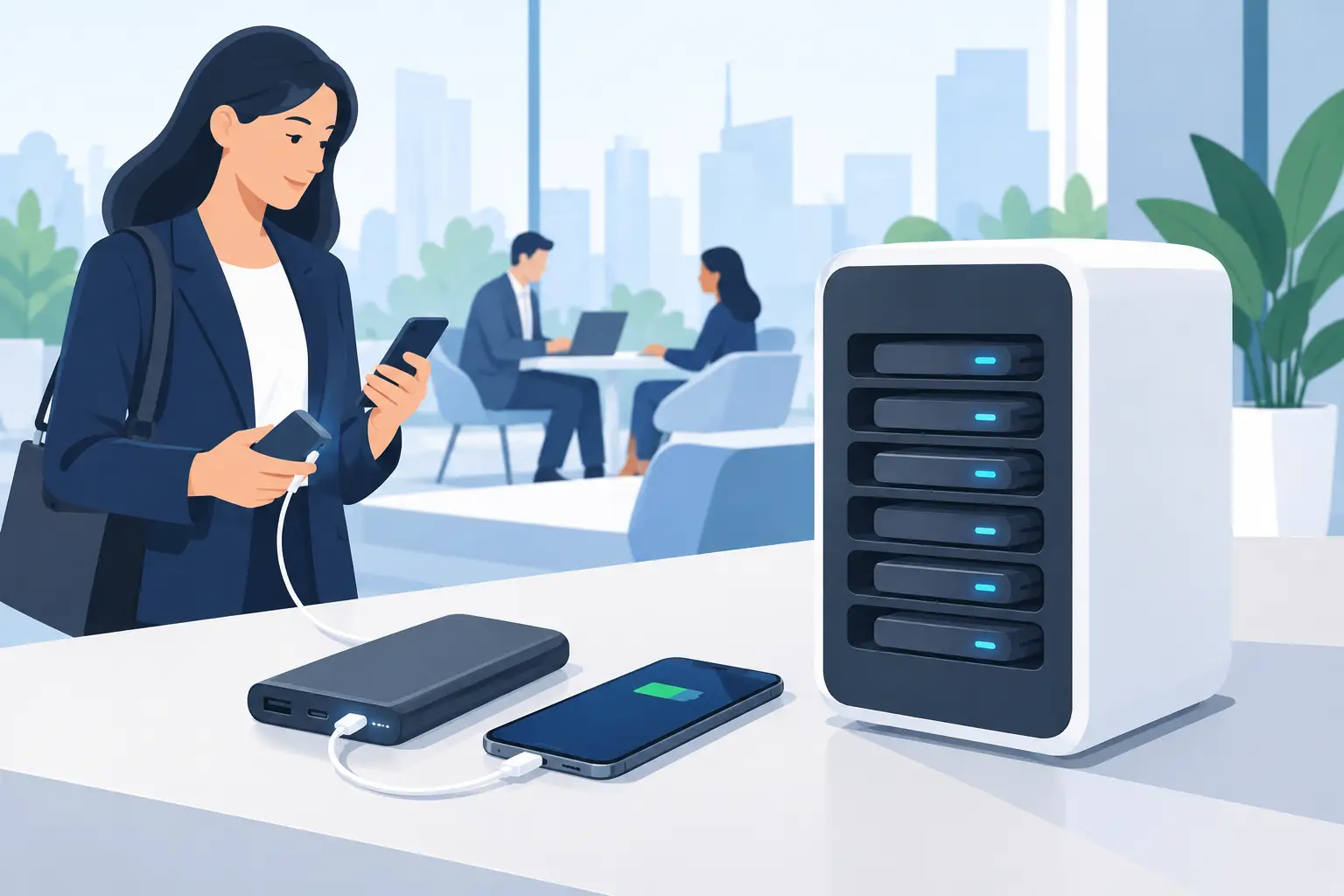
What Is Power Bank Rental for Businesses?
Oct 11, 2026
What is power bank rental? Learn how rental stations work, where they fit, and how businesses can improve guest experience and create revenue on-site.
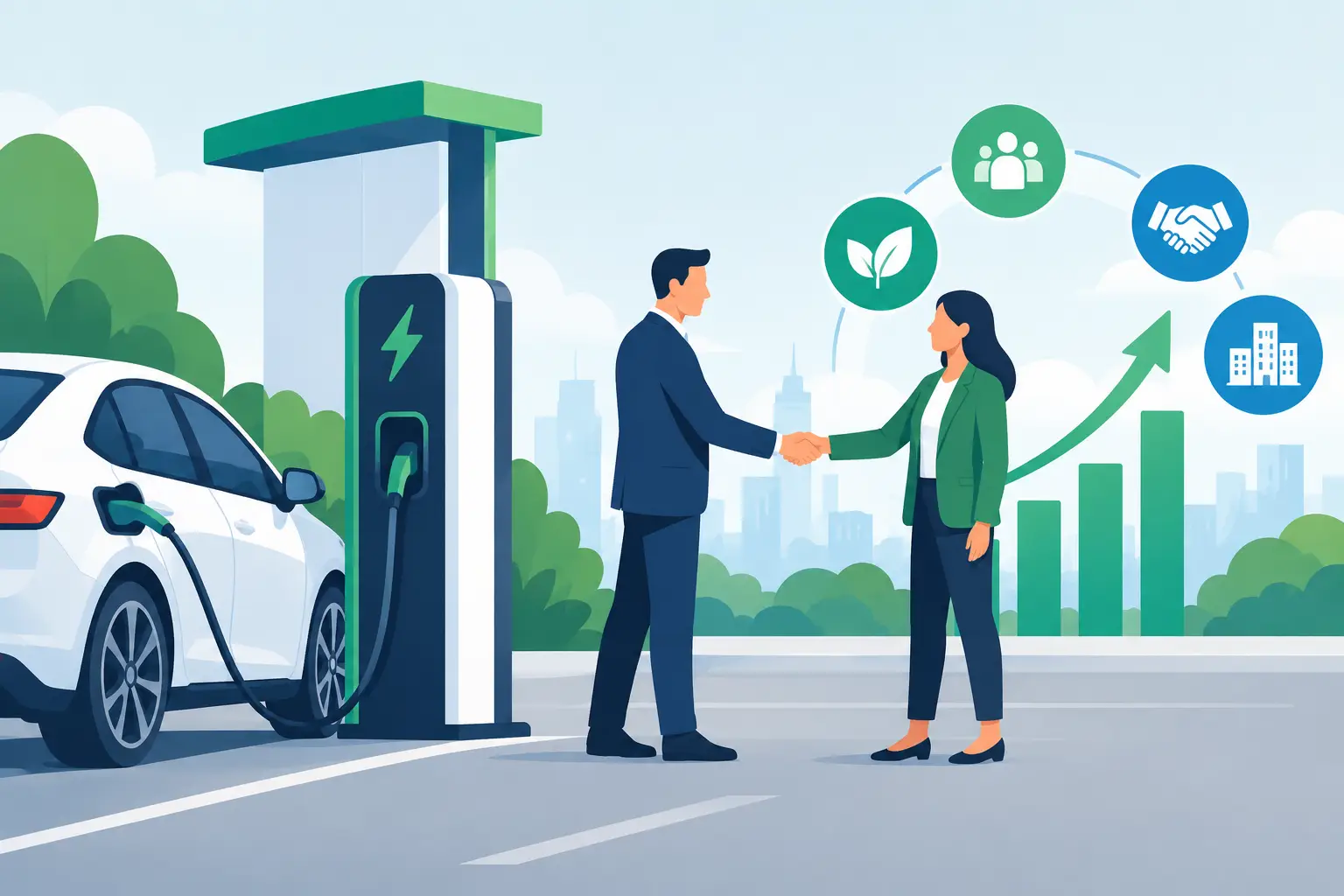
Charging Station Sponsorship Results That Matter
Oct 09, 2026
Measure charging station sponsorship results with practical metrics for brand exposure, engagement, leads, dwell time, and revenue across live events.
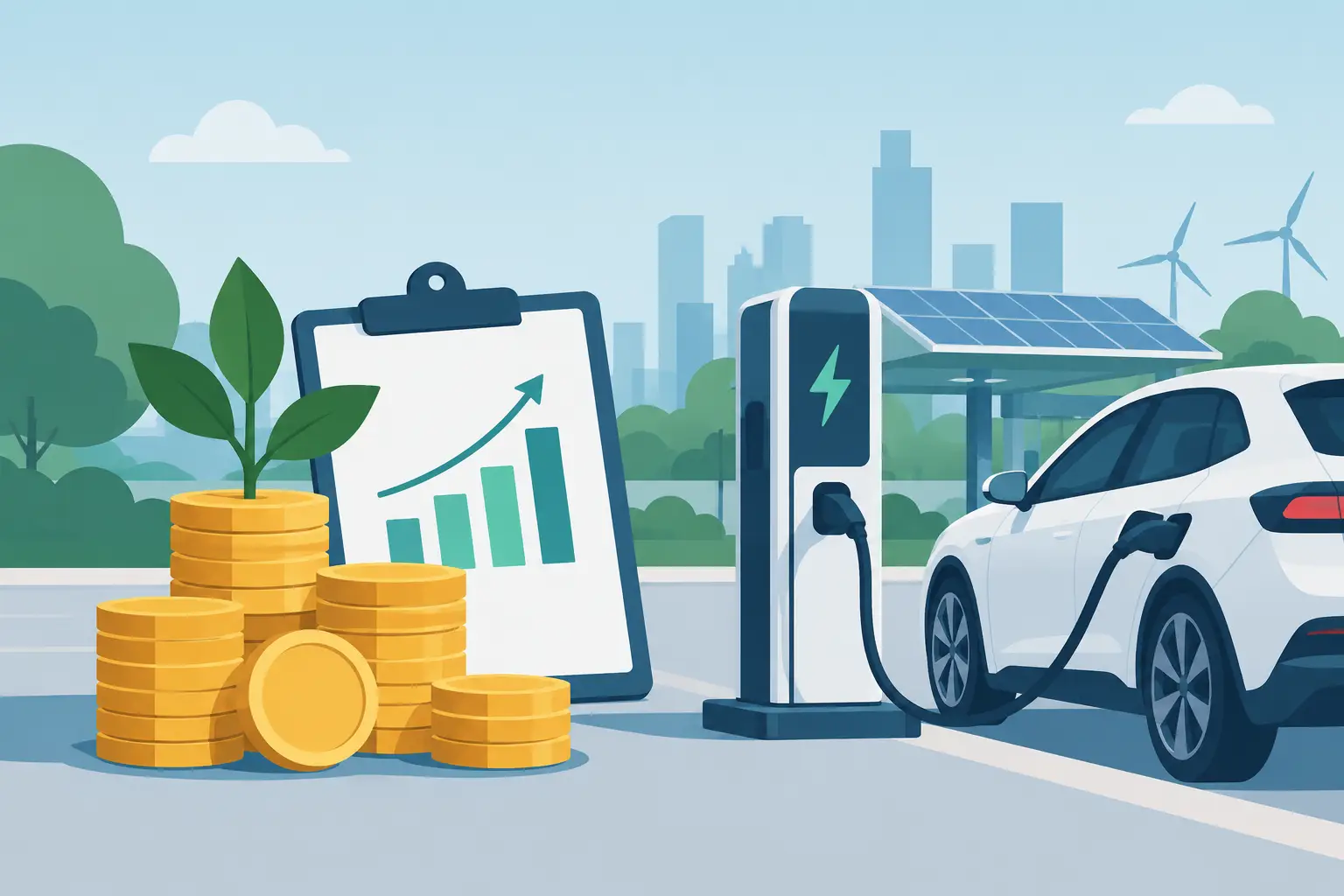
How to Finance Charging Infrastructure Wisely
Oct 07, 2026
Learn how to finance charging infrastructure with purchase, lease, rental, and revenue models that fit your venue, event, budget, and growth goals today.
How to Install Charging Lockers Safely at Work
Oct 05, 2026
Learn how to install charging lockers safely with practical placement, power, security, and maintenance guidance for workplaces and public venues every.
Commercial Charging Locker Review for Buyers
Oct 03, 2026
A commercial charging locker review for buyers comparing security, charging speed, payment options, capacity, and long-term operating value at venues.

How to Manage Shared Devices Without the Chaos
Oct 01, 2026
Learn how to manage shared devices with clear ownership, secure charging, simple checkout rules, and reporting that keeps teams productive every shift.
Charging Station Maintenance That Protects Uptime
Sep 29, 2026
Charging station maintenance protects uptime, revenue, and user trust with practical inspections, cleaning, cable care, and payment system checks weekly.
Charging Locker System Review for Busy Venues
Sep 27, 2026
Read this charging locker system review to compare security, charging speed, payment options, and ROI for events, offices, retail, and venues nationwide.
Lockers Versus Powerbanks: Which Fits Your Space?
Sep 25, 2026
Lockers versus powerbanks: compare security, dwell time, staffing, revenue, and deployment needs to choose the right charging amenity for your venue today.
Public Device Charging Trends for Venues
Sep 23, 2026
Public device charging trends are reshaping venues, events, and workplaces with secure USB-C access, locker charging, and revenue-ready options for guests.
How to Create Branded Power Bank Docks That Sell
Sep 21, 2026
Learn how to create branded power bank docks that keep visitors engaged, strengthen your brand, and support free or paid charging programs on-site daily.

Locker Deployment Example for Busy Venues
Sep 19, 2026
See a locker deployment example that helps venues provide secure phone charging, reduce low-battery stress, and create a practical revenue option for guests.
Hotel Charging That Keeps Guests On Property
Sep 17, 2026
Hotel charging gives guests a secure place to power phones and laptops, extend their stay, and create new hospitality revenue opportunities on site daily.
How to Add Phone Charging to Your Business
Sep 15, 2026
Learn how to add phone charging to your business with secure, scalable stations that improve guest experience, dwell time, and revenue potential daily.
Best Secure Tablet Storage for Shared Devices
Sep 13, 2026
Find the best secure tablet storage for shared devices, events, offices, and public spaces with charging, access control, and room to scale confidently.

Power Bank Docking Review for Busy Venues
Sep 11, 2026
Use this power bank docking review to compare charging speed, security, payment options, branding, and operating costs before committing to deployment.

Charging Locker Procurement That Pays Off
Sep 09, 2026
Make charging locker procurement simpler with a practical plan for capacity, security, payment options, deployment, and long-term operating daily value.
Phone Charging Station Leasing for Businesses
Sep 08, 2026
Phone charging station leasing gives businesses a flexible way to add secure, branded charging while protecting cash flow and creating new revenue streams
Multi Device Charging Cabinets for Busy Venues
Sep 06, 2026
Multi device charging cabinets give visitors secure power, help staff manage shared devices, and create a practical amenity or revenue stream for venues.
How to Rent Charging Stations for Your Event
Sep 04, 2026
Learn how to rent charging stations for events, offices, and venues, from choosing secure formats to planning power, branding, delivery, and ROI needs.
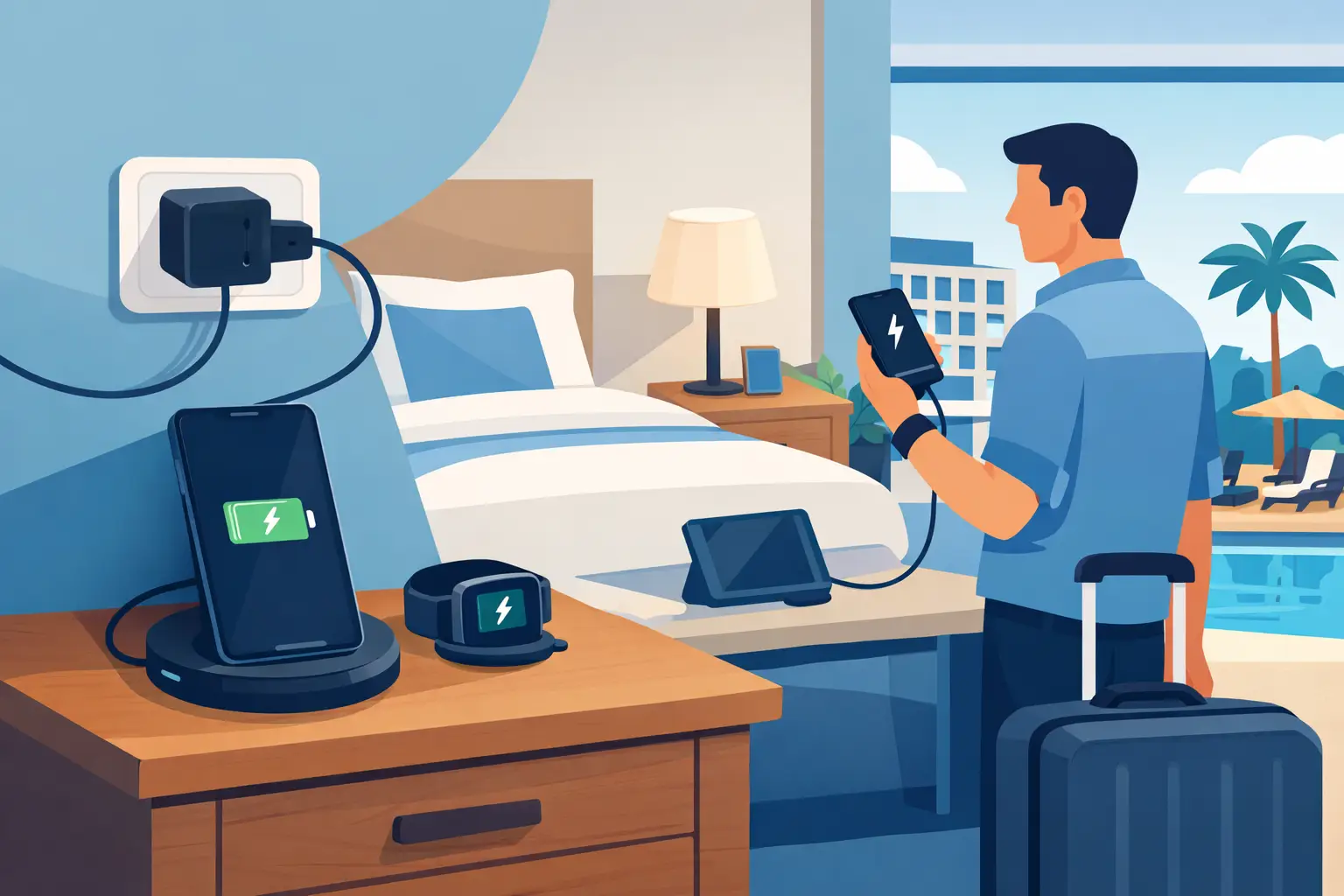
Best Phone Charging for Hotels and Their Guests
Sep 02, 2026
Find the best phone charging for hotels with secure, guest-ready options that improve stays, support staff, and create new revenue opportunities on property.
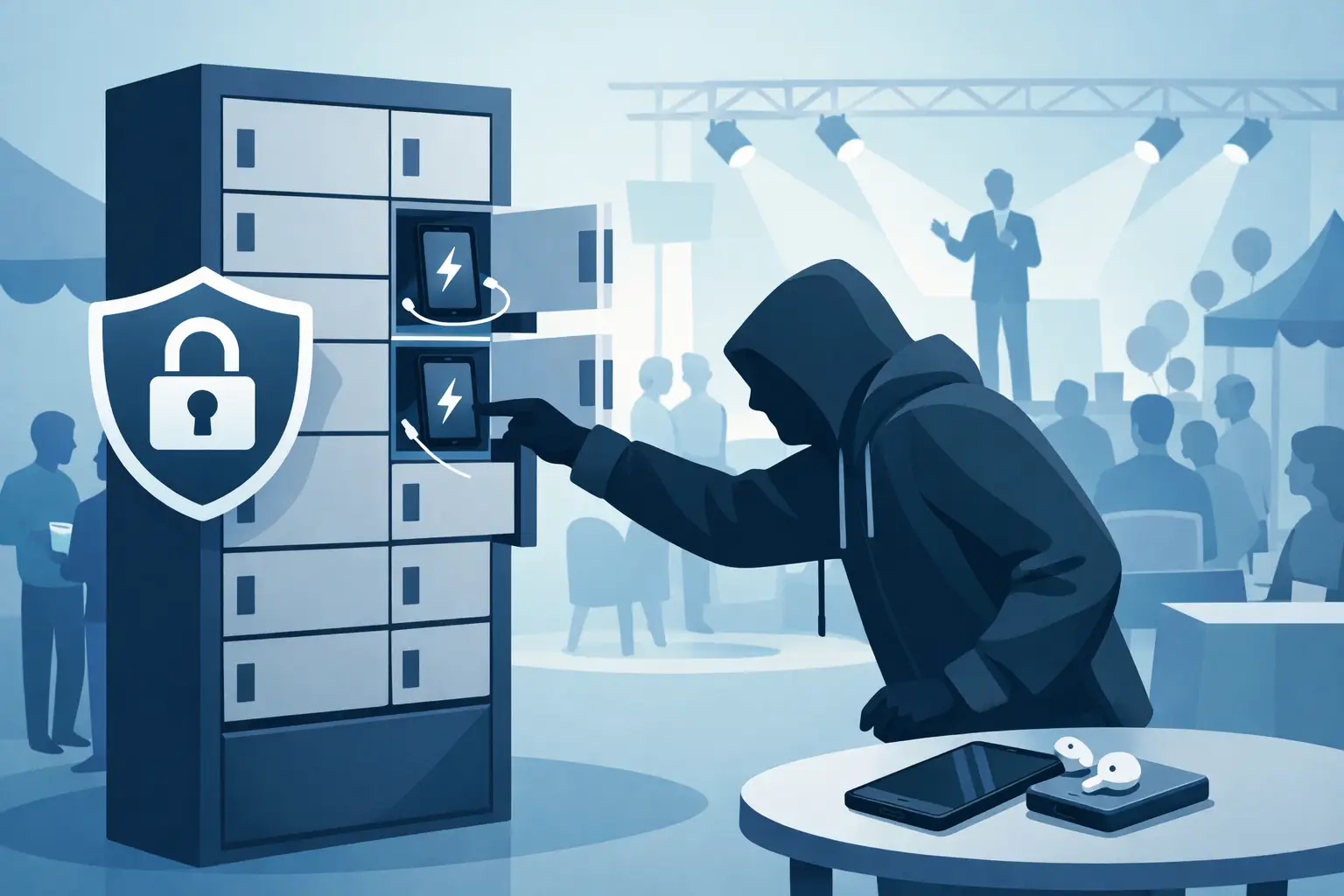
Do Charging Lockers Prevent Theft at Events?
Aug 31, 2026
Do charging lockers prevent theft? Learn how lockable charging stations protect devices, reduce staff burden, and improve visitor confidence on site daily.
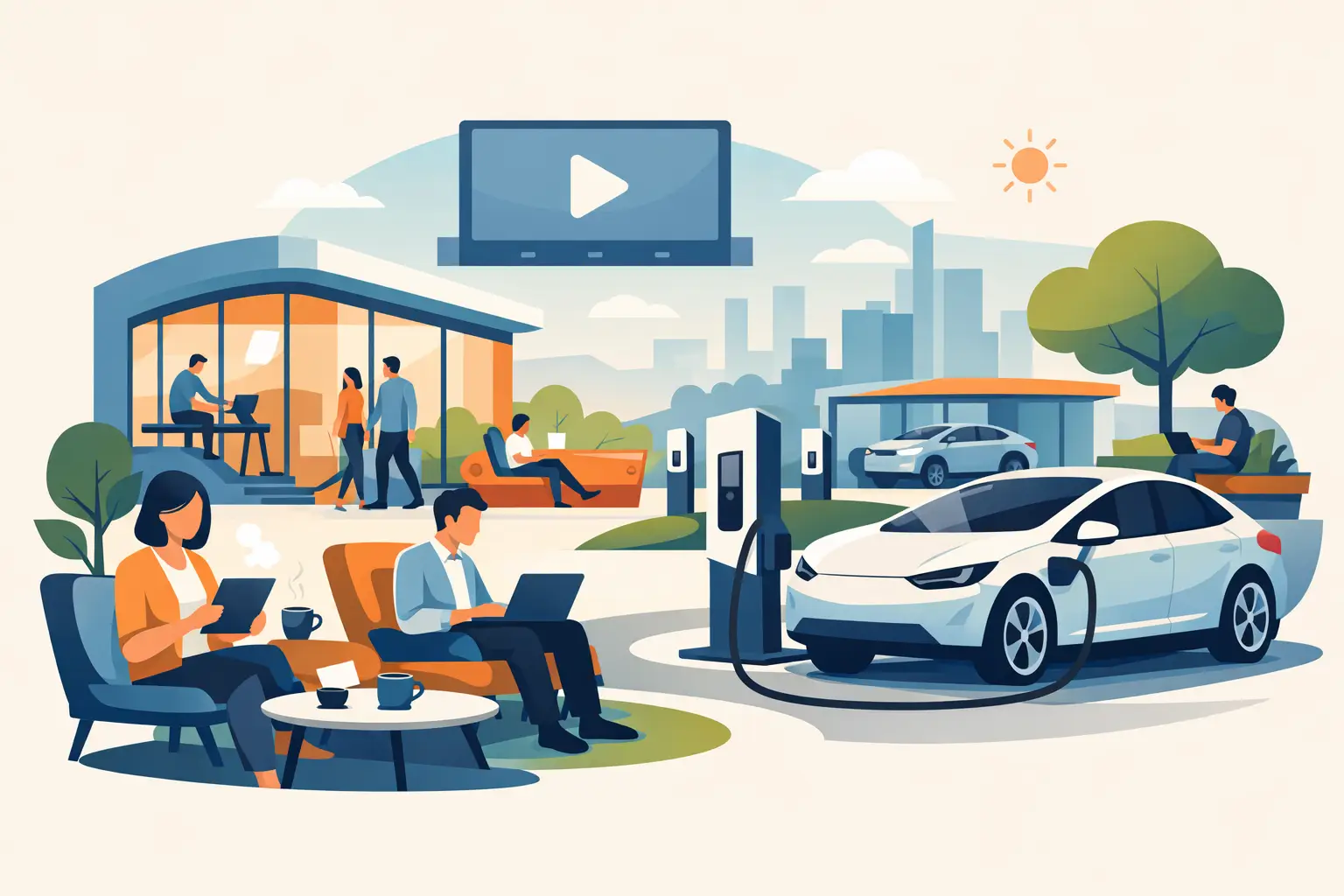
The Future of Public Charging Is Built for Dwell Time
Aug 29, 2026
The future of public charging will reward venues that pair fast, secure power with payment flexibility, strong uptime, and better visitor experiences.

How to Deploy Phone Charging Furniture Well
Aug 27, 2026
Learn how to deploy phone charging furniture in high-traffic spaces, from selecting locations and power to security, branding, pricing, and daily upkeep.
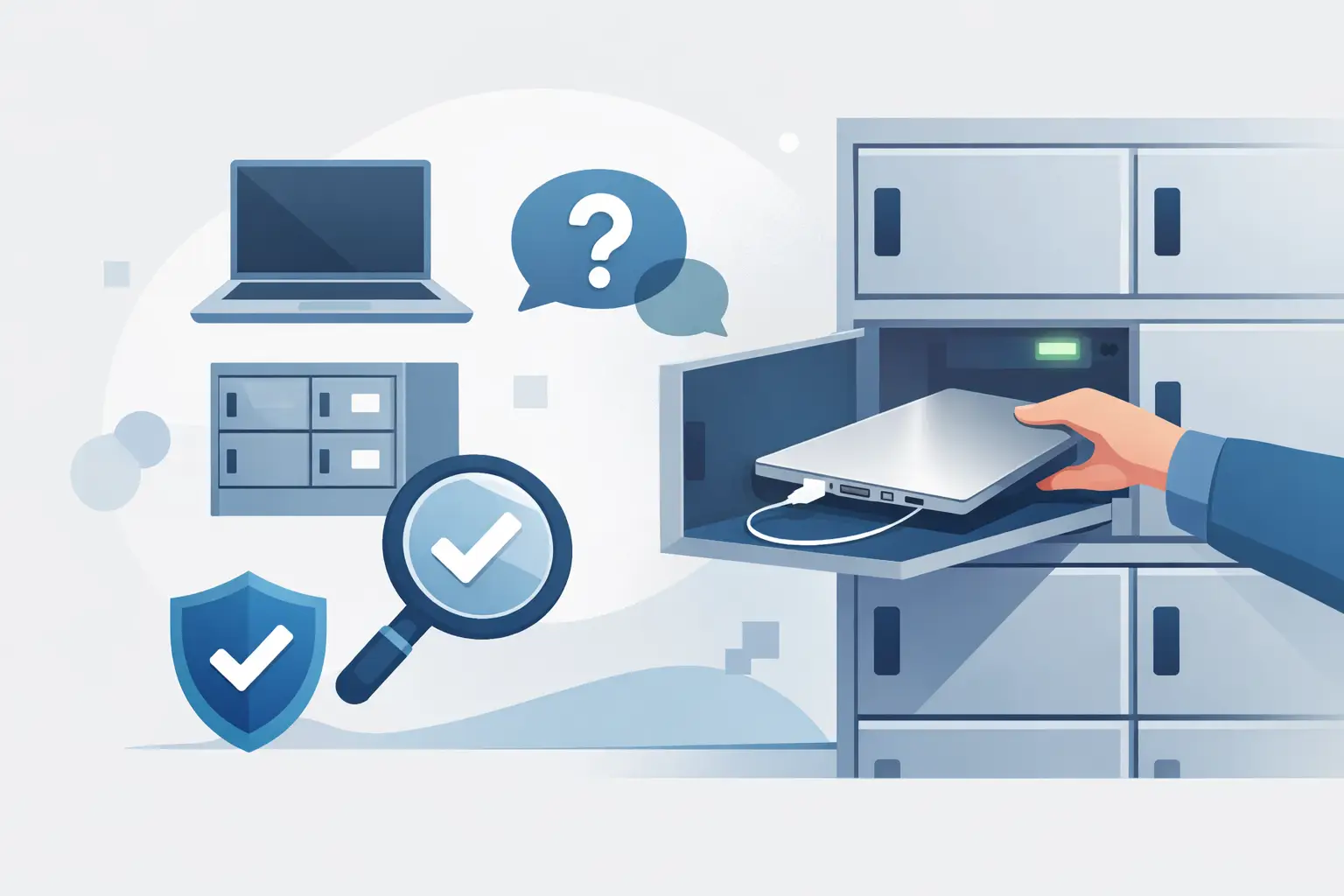
Can Charging Lockers Fit Laptops? What to Check
Aug 25, 2026
Can charging lockers fit laptops? Learn which locker dimensions, outlets, cables, and power limits support secure laptop charging at work and events today.
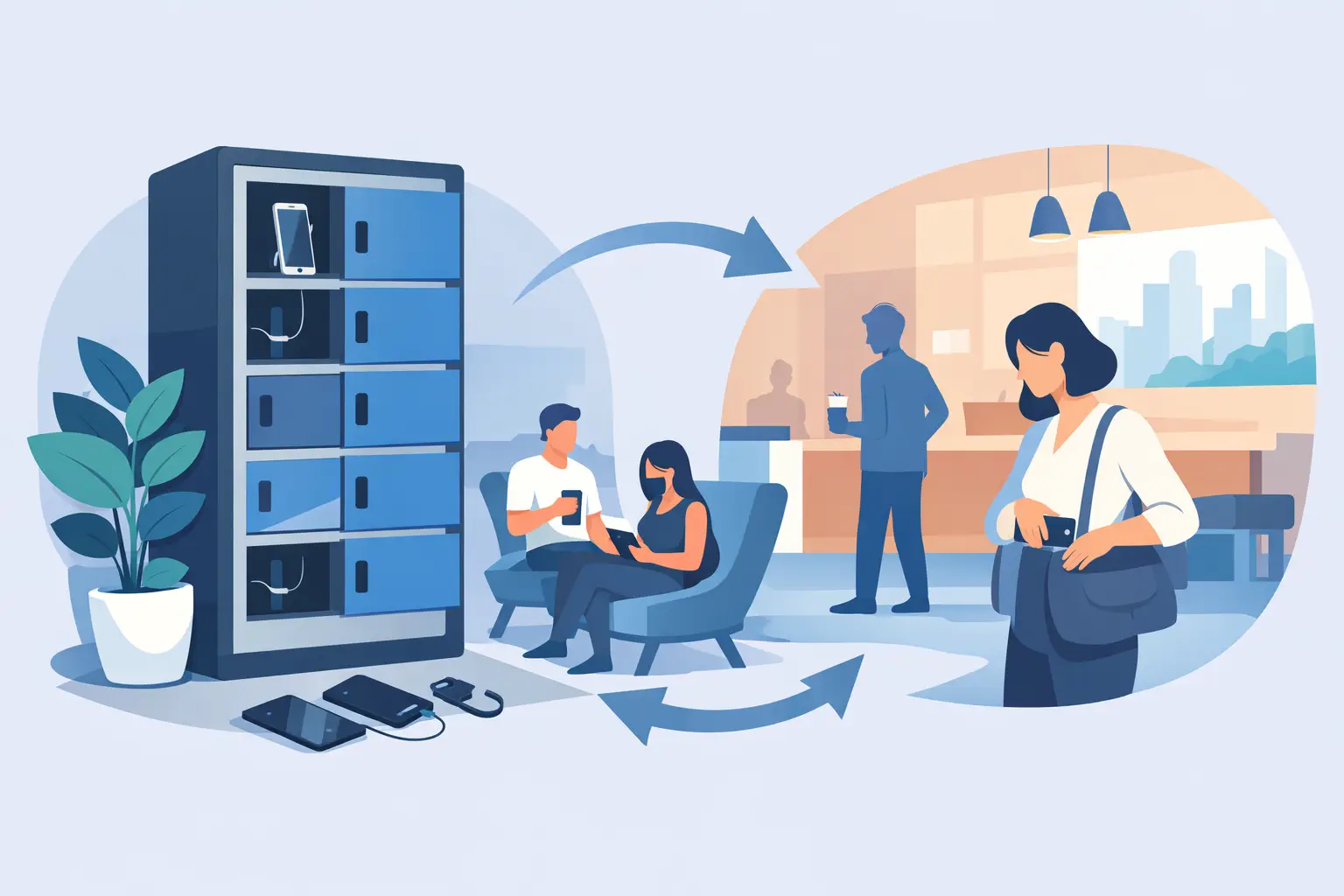
How to Lease Charging Lockers for Your Venue
Aug 23, 2026
Learn how to lease charging lockers with the right term, payment model, security features, and deployment plan for each location.
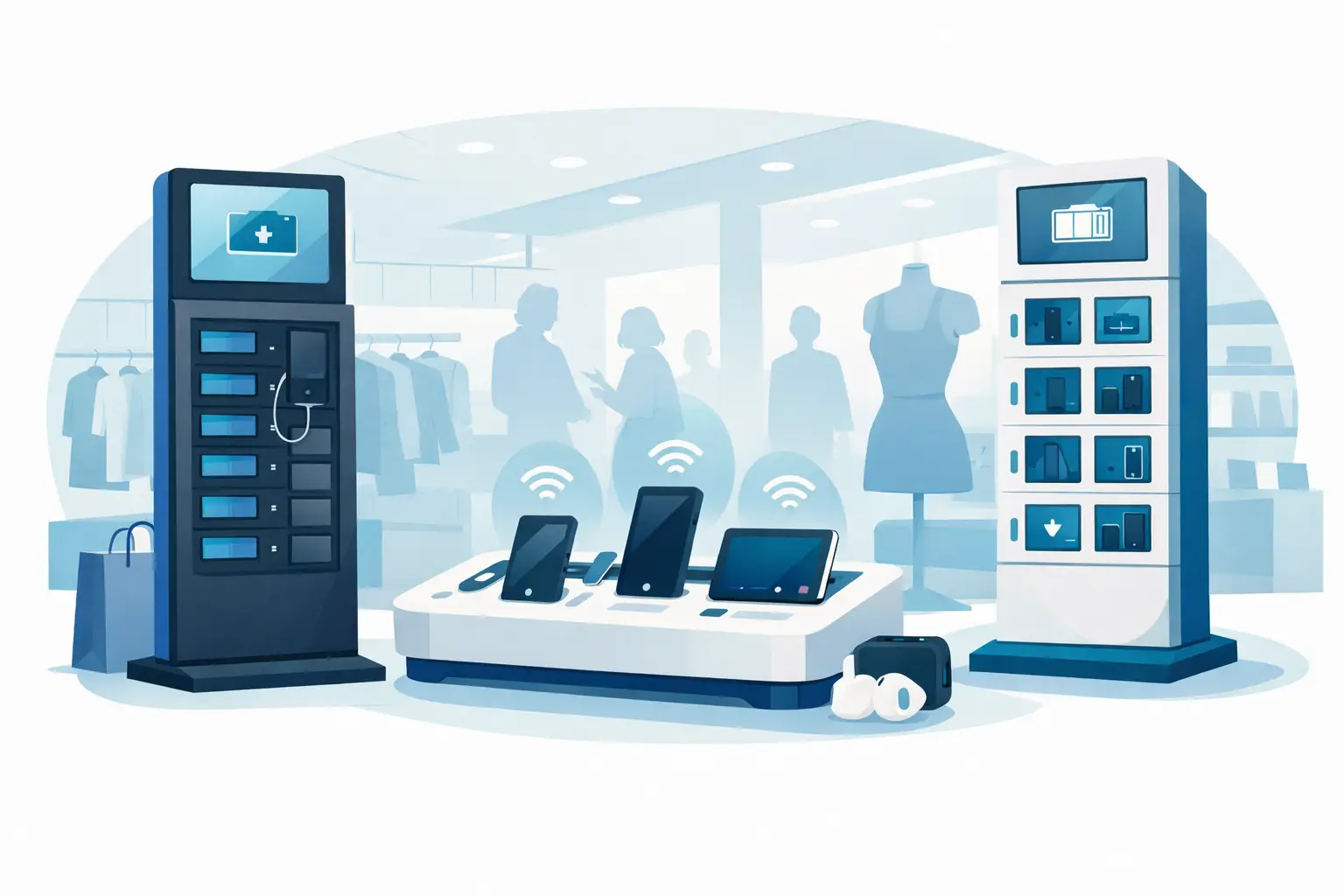
Best Charging Kiosks for Retail Stores Compared
Aug 21, 2026
Compare the best charging kiosks for retail to increase dwell time, protect customer devices, support modern USB-C needs, and create new revenue safely.
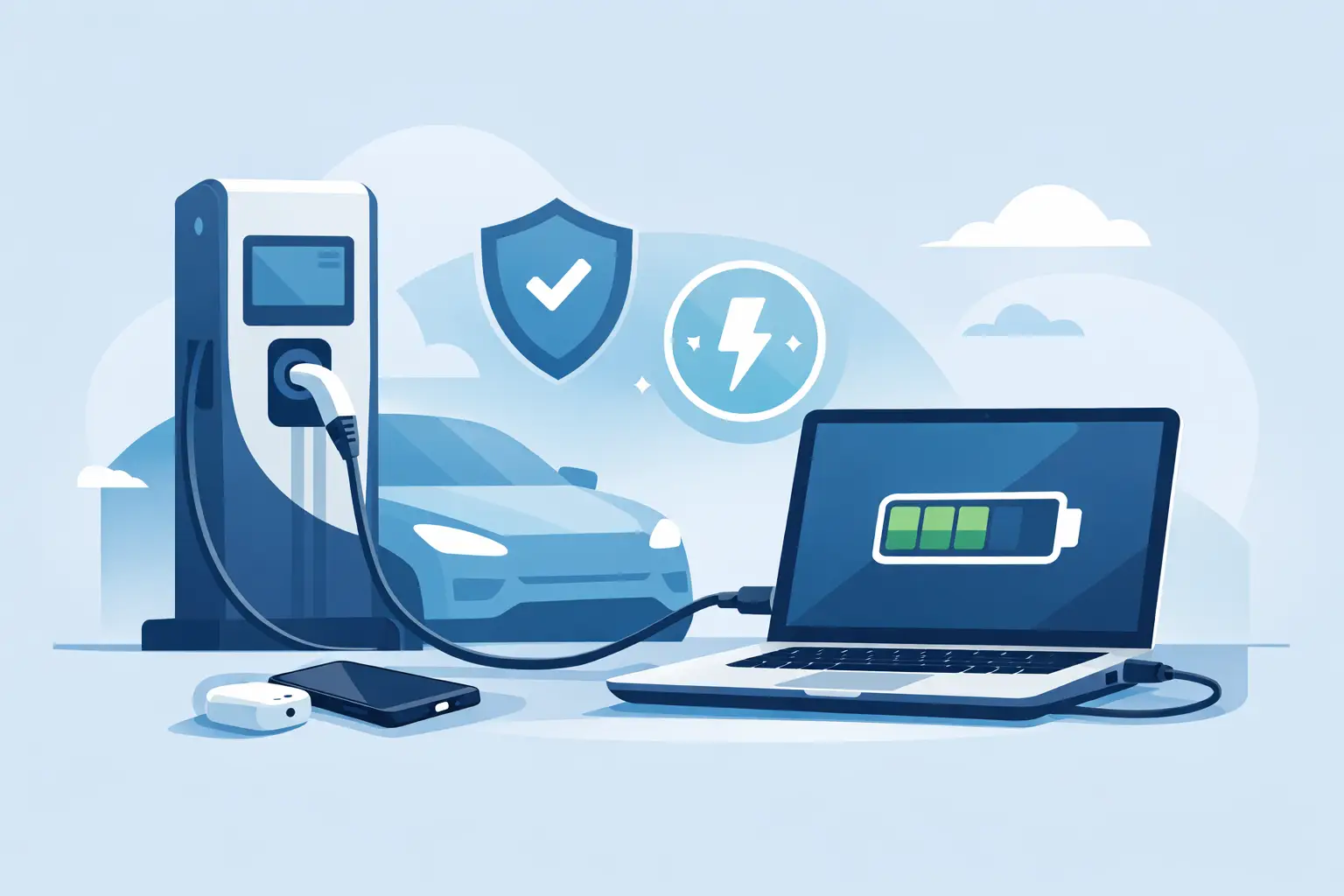
Can Charging Stations Charge Laptops Safely?
Aug 19, 2026
Can charging stations charge laptops? Learn which ports, wattages, and safety features businesses need to provide laptop power for visitors and staff.
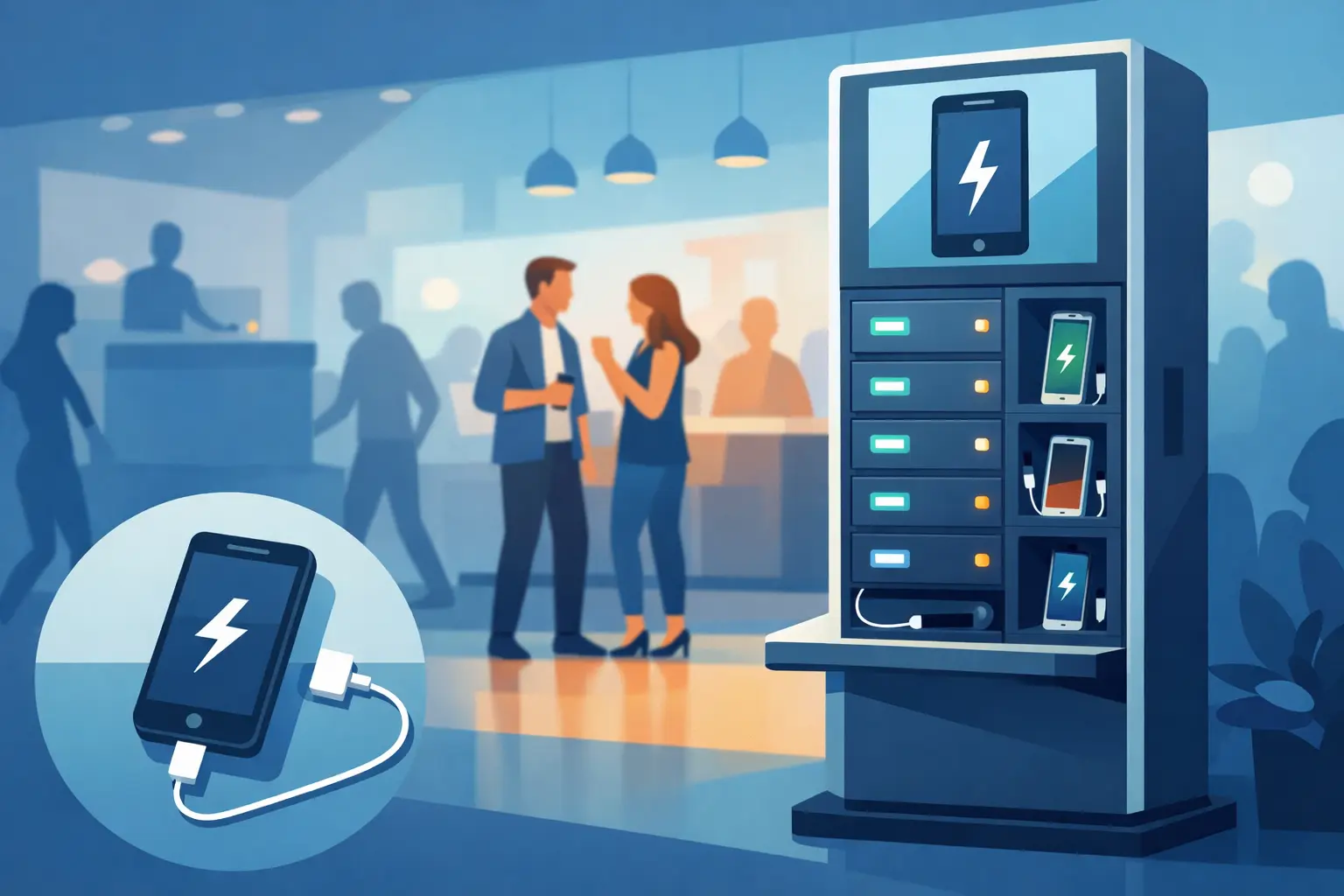
Emergency Phone Charger Kiosk for Busy Venues
Aug 17, 2026
An emergency phone charger kiosk keeps guests connected, extends dwell time, and can turn charging access into a secure revenue opportunity for your venue today.
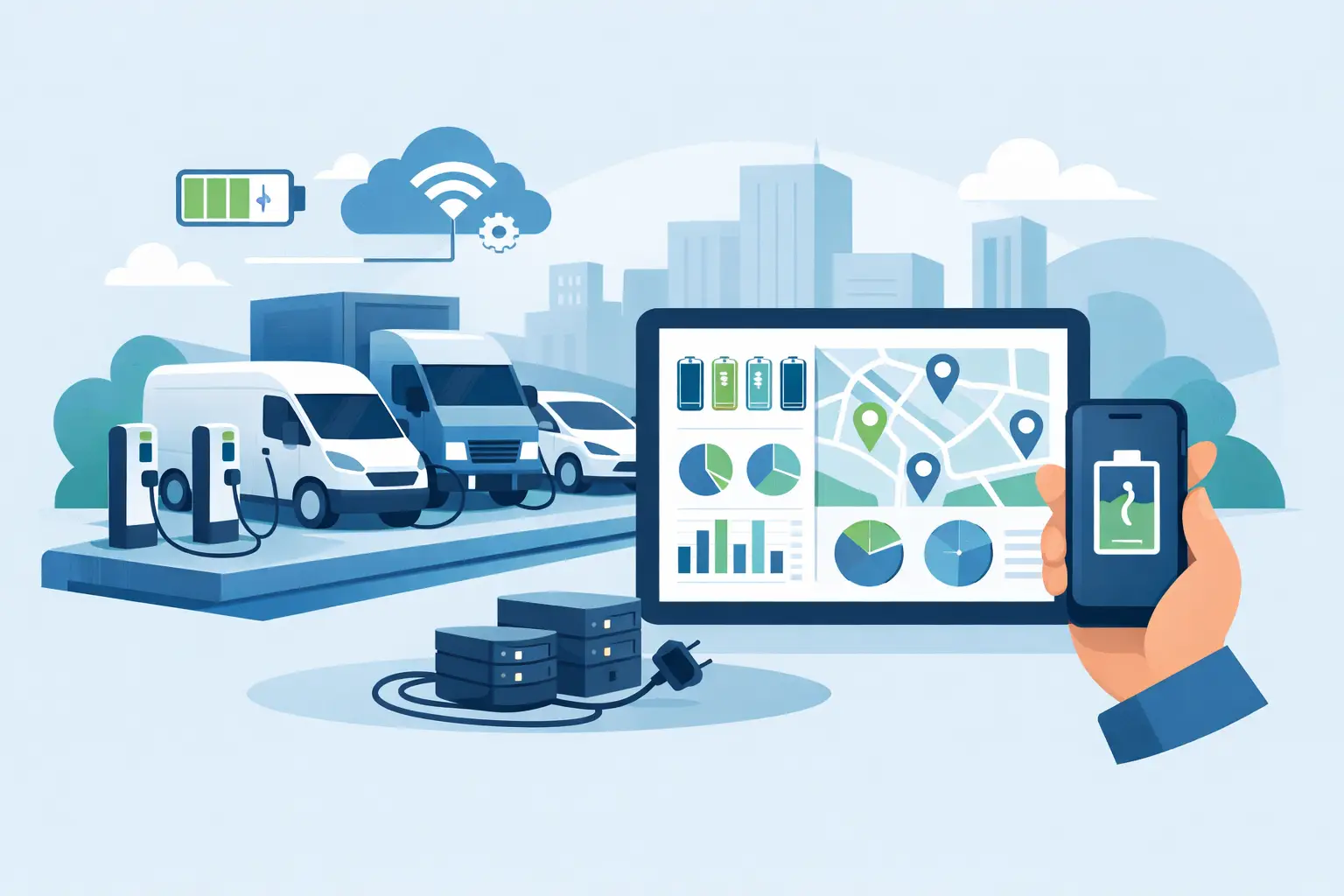
Fleet Device Charging Management That Works
Aug 15, 2026
Fleet device charging management keeps phones, tablets, and laptops ready, secure, and accounted for across every shift, site, and deployment without delays daily.
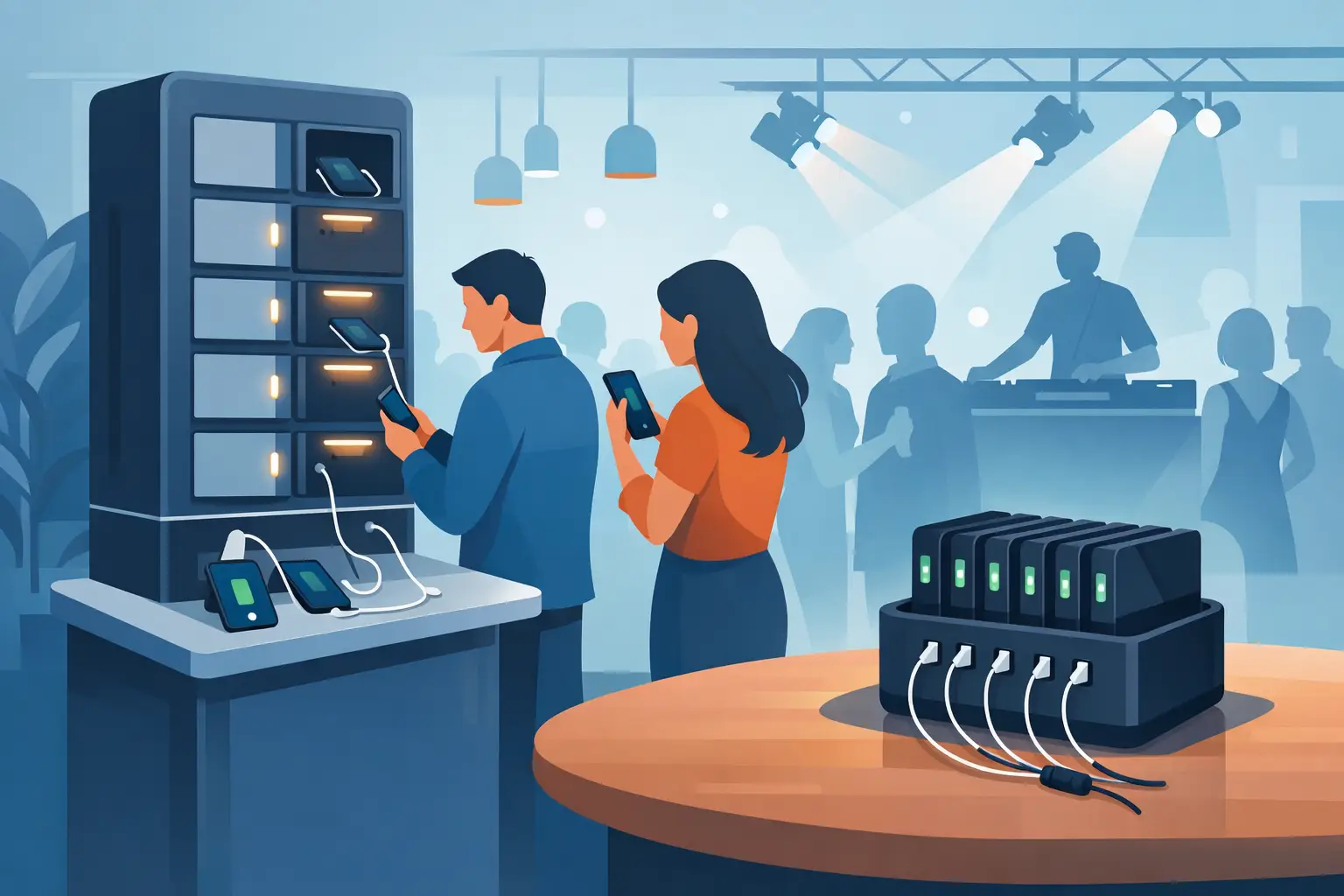
Best Event Phone Charging Rentals for Busy Venues
Aug 13, 2026
Find the best event phone charging rentals for secure, fast, branded power that keeps attendees engaged, extends dwell time, and can create event revenue.
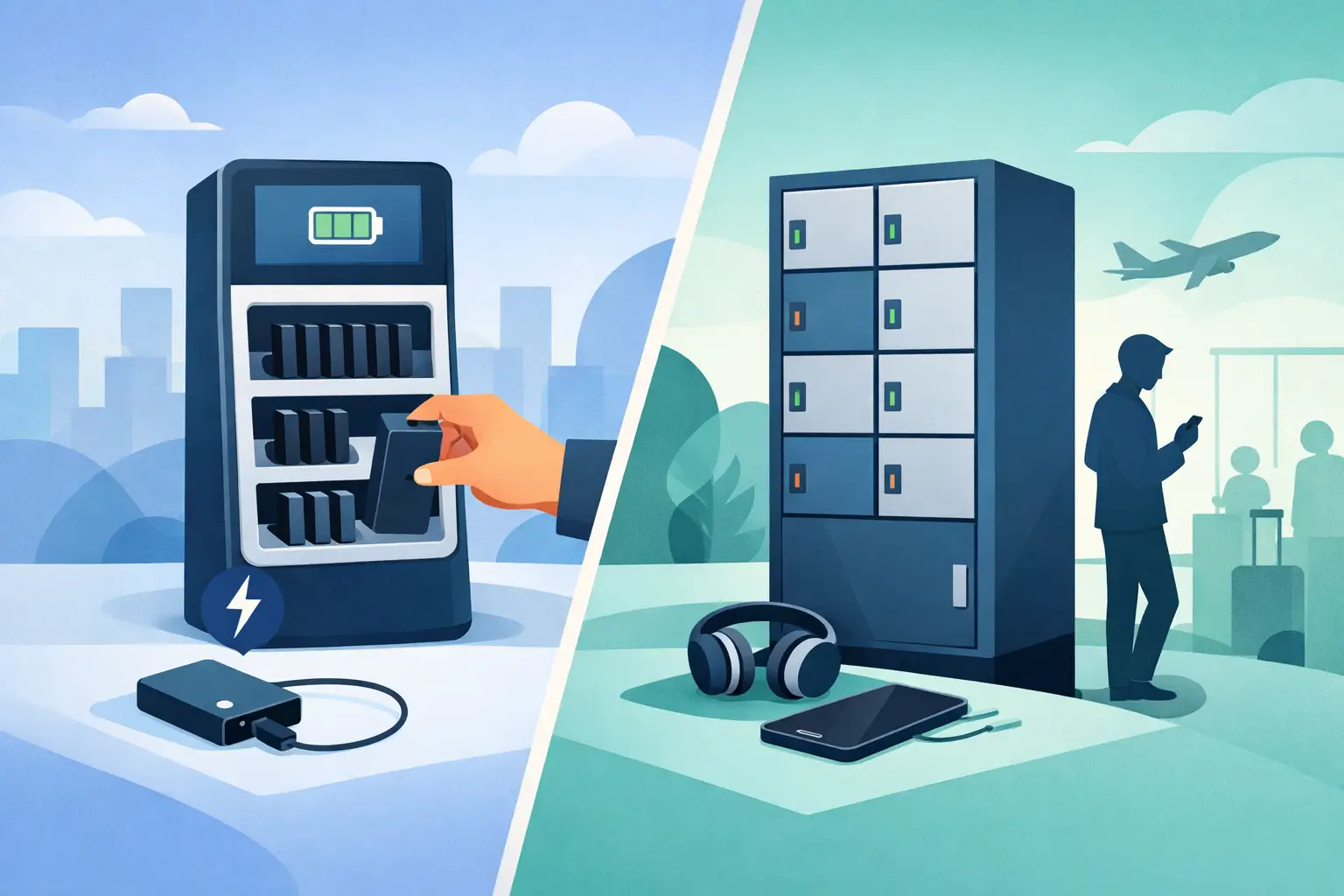
Power Bank Rental vs Lockers: Which Fits?
Aug 11, 2026
Compare power bank rental vs lockers to choose the right charging solution for your venue, event, or workplace and improve guest experience and ROI today.
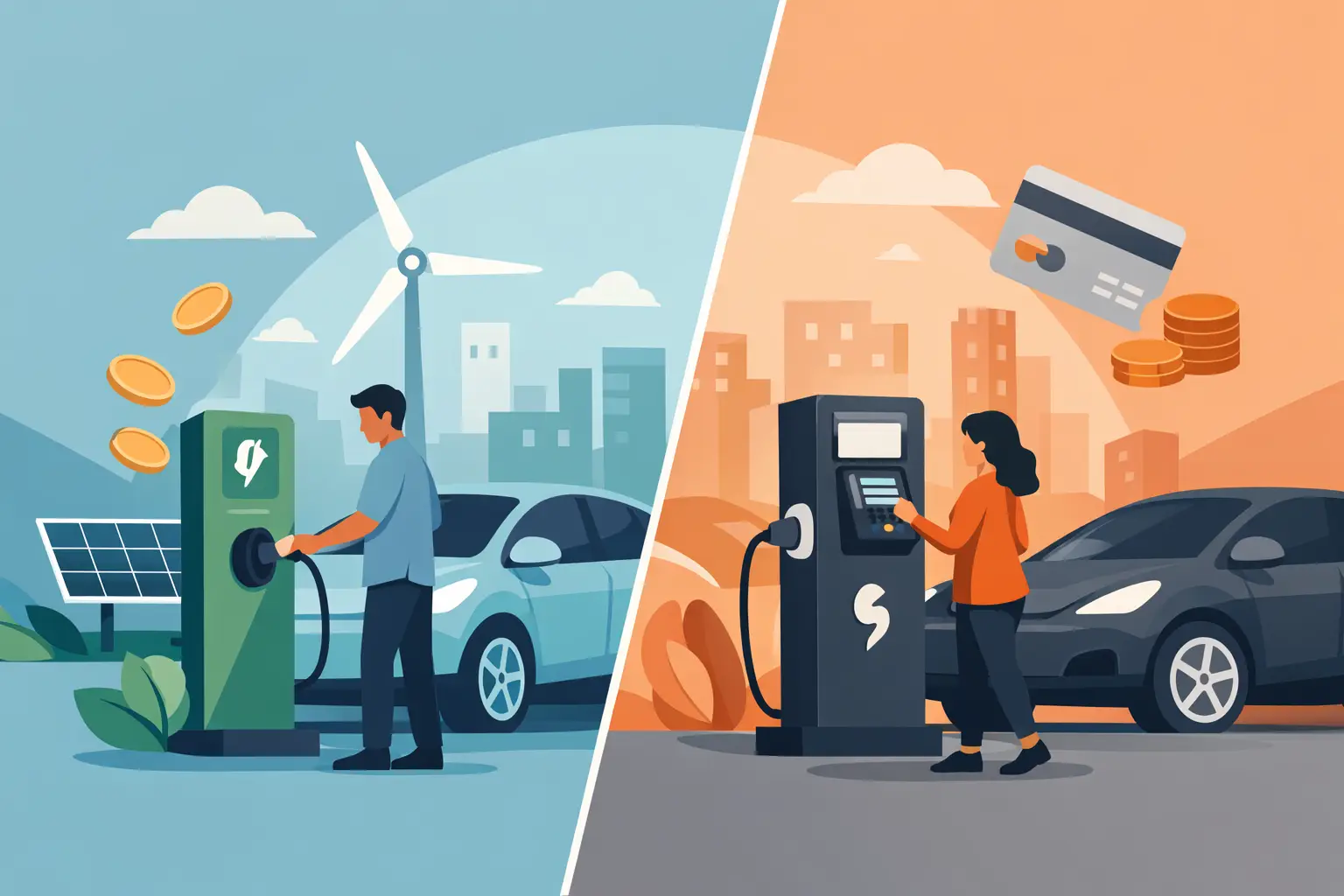
Free Charging vs Paid Charging: Which Works?
Aug 09, 2026
Free charging vs paid charging can improve visitor experience or create revenue. Learn how to choose the right model for your venue, event, or workplace.
Secure Device Charging Guide for Businesses
Aug 07, 2026
Use this secure device charging guide to protect phones, tablets, and laptops while providing reliable, convenient power for every guest at your venue.
Charging Station Leasing Guide for Businesses
Aug 04, 2026
Use this charging station leasing guide to compare terms, station types, payment options, and ROI before adding secure device charging to your space today.
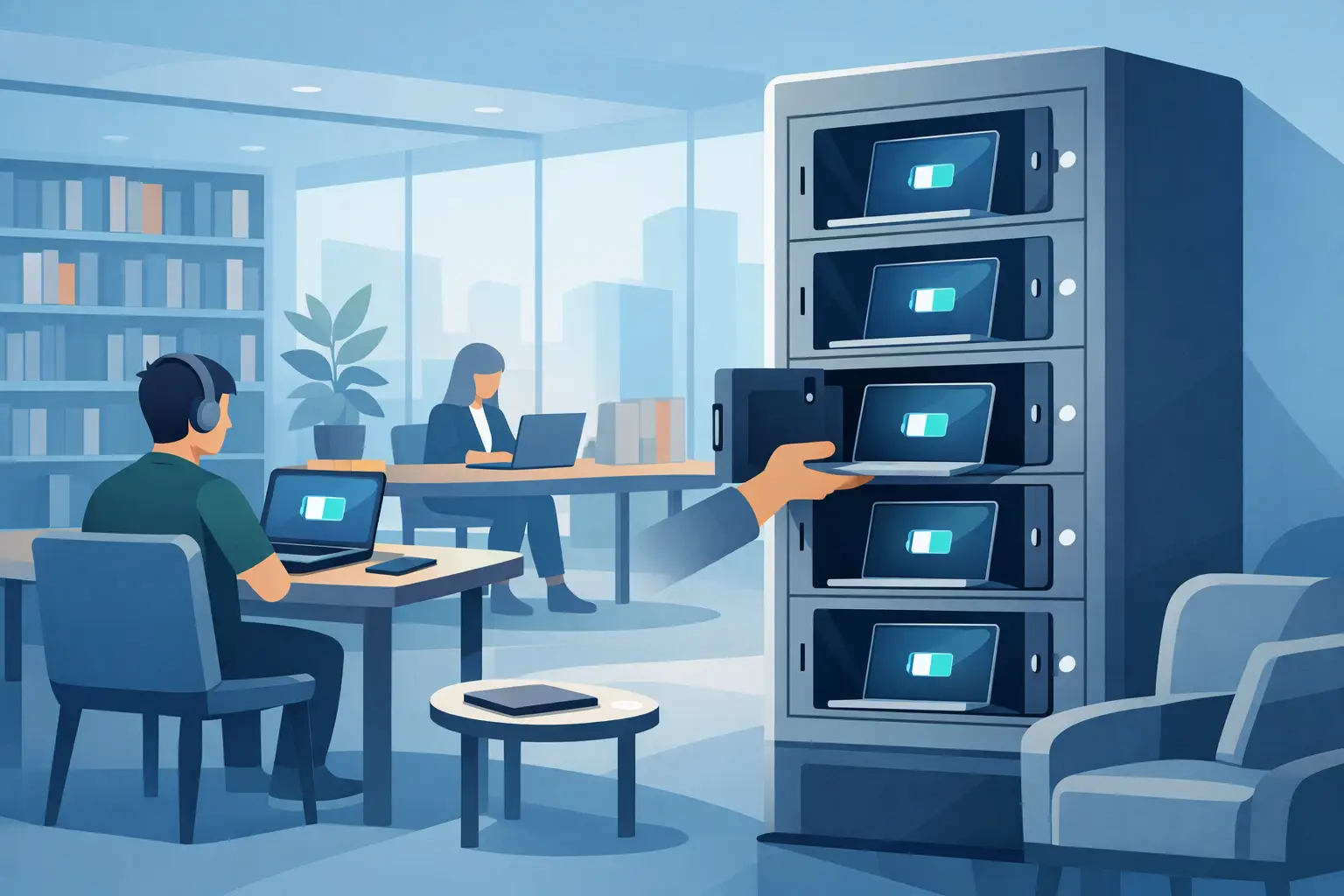
Laptop Charging Kiosk for Libraries That Works
Aug 03, 2026
Choose a laptop charging kiosk for libraries with secure storage, laptop-ready power, simple access, and a funding model that fits your space reliably.
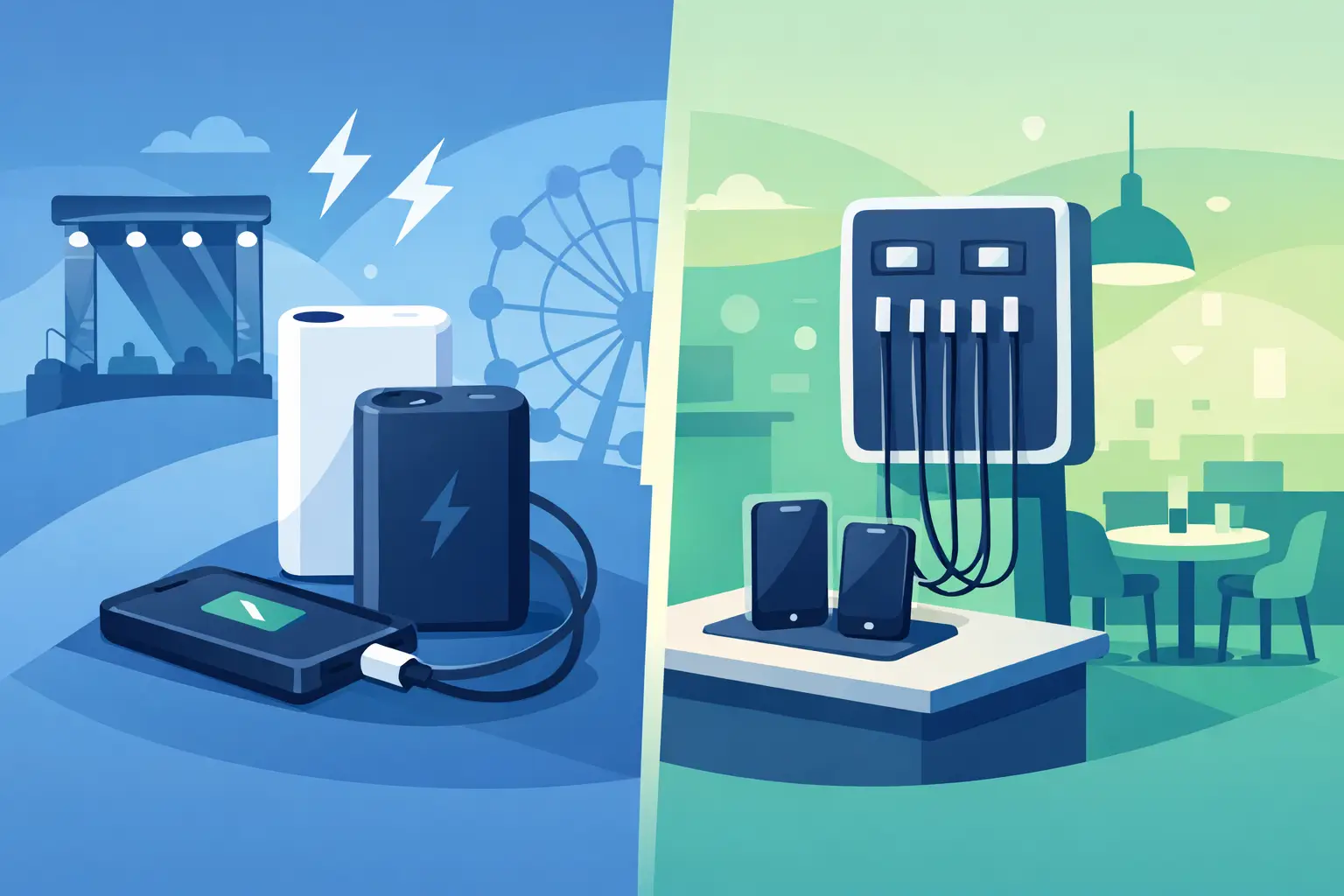
Power Banks vs Fixed Chargers for Venues
Aug 01, 2026
Compare power banks vs fixed chargers for events, venues, and workplaces. Choose secure charging that improves guest experience, uptime, and revenue onsite.
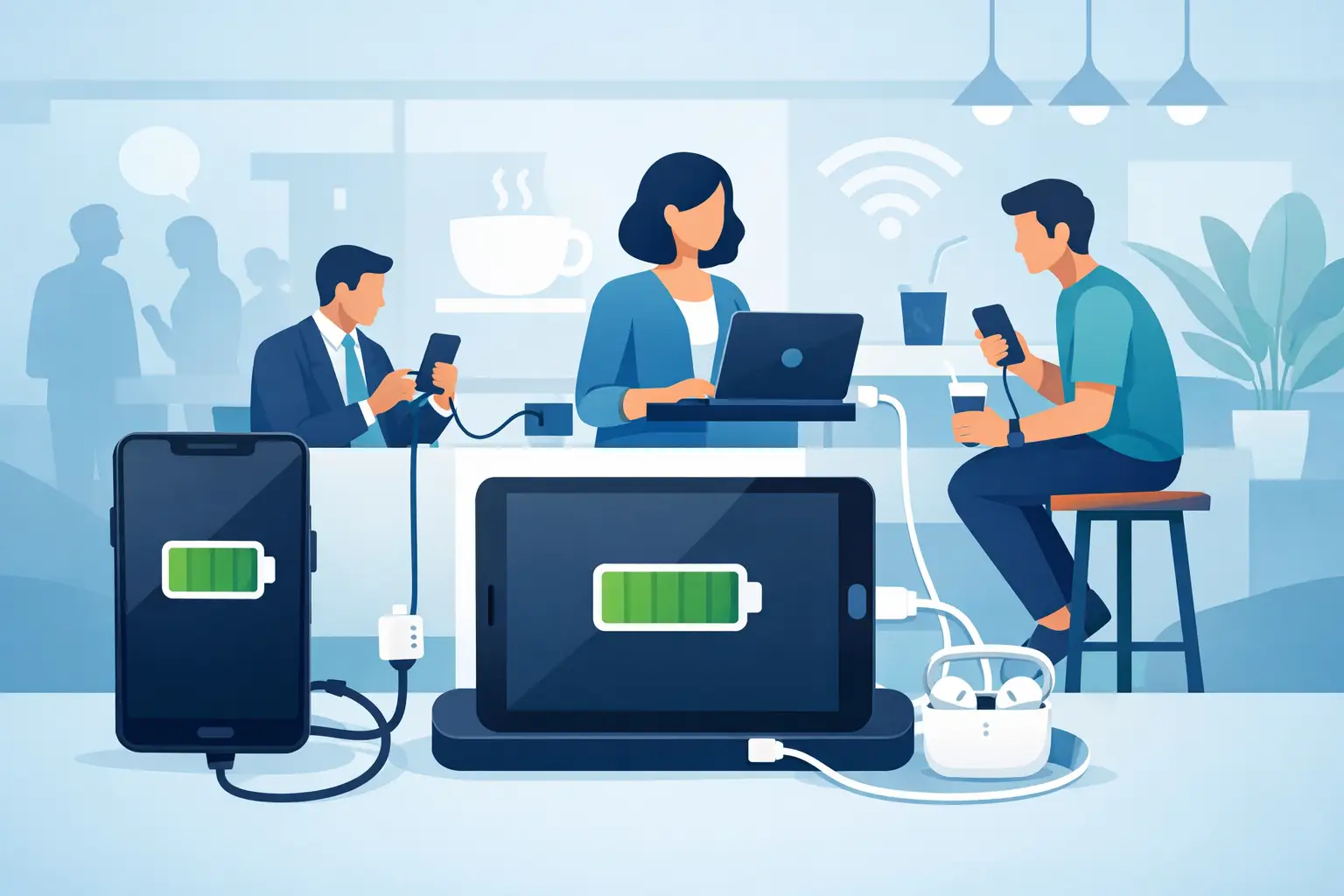
Why Offer Free Device Charging at Your Venue?
Jul 29, 2026
Why offer free device charging? Learn how it keeps visitors engaged, strengthens your brand, supports operations, and can create new revenue opportunities.
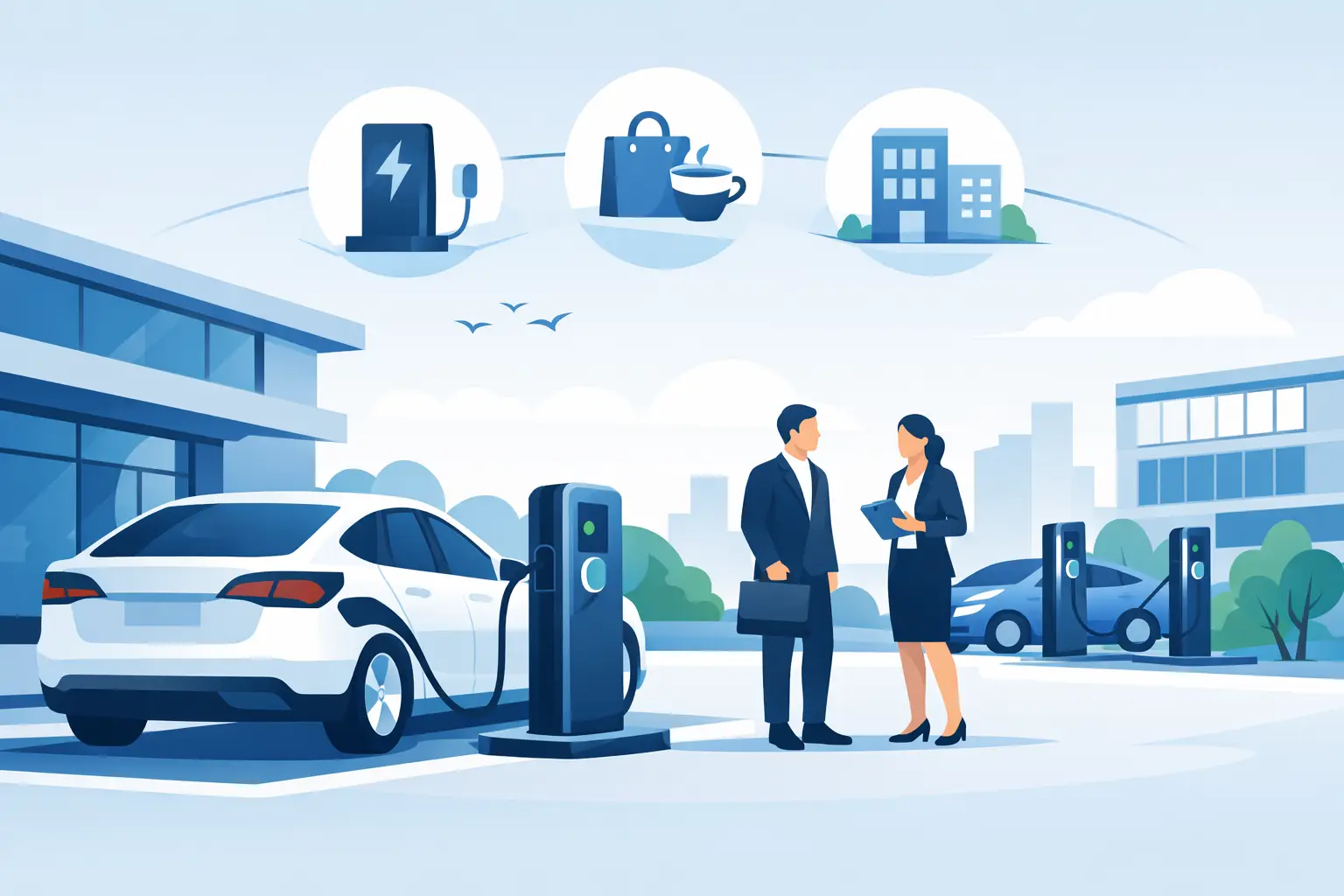
Public Charging Station Benefits for Business
Jul 27, 2026
Public charging station benefits include longer visits, happier guests, stronger brand visibility, and practical revenue options for high-traffic venues.

Phone Charging Lockers for Gyms That Members Use
Jul 26, 2026
Phone charging lockers for gyms keep members powered, valuables secure, and workouts on track while creating a valuable amenity or revenue opportunity.
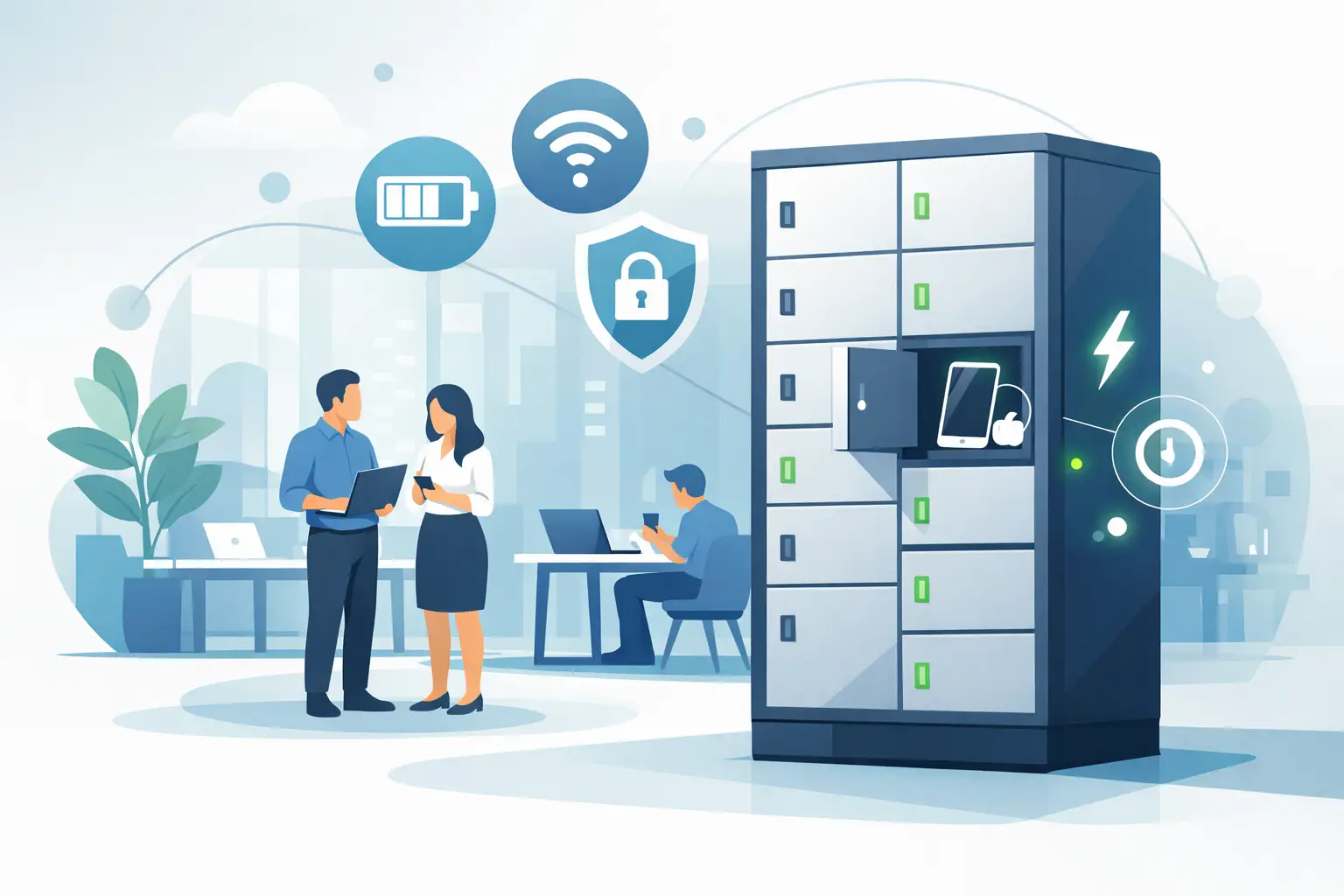
Best Charging Lockers for Offices in 2026
Jul 23, 2026
Find the best charging lockers for offices with secure storage, USB-C support, smart access, and the right capacity for staff, guests, and shared devices.
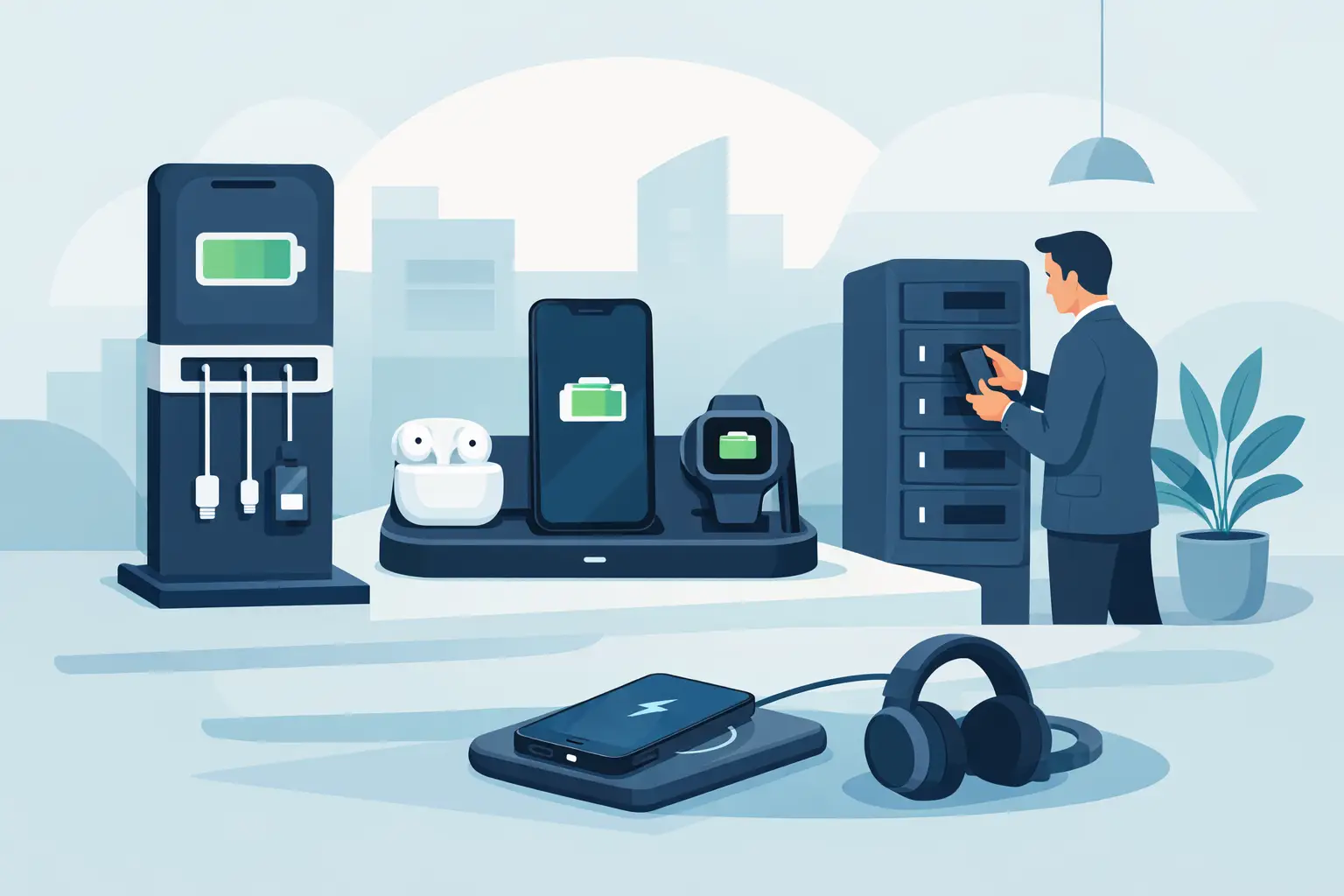
Phone Charging Stations That Work Harder
Jul 21, 2026
Phone charging stations keep guests engaged, staff productive, and events moving. Learn how to choose secure, scalable options that can earn revenue too.

How to Deploy Charging Amenities That Pay Off
Jul 19, 2026
Learn how to deploy charging amenities that keep visitors powered, increase dwell time, support operations, and create revenue in any venue with clarity.
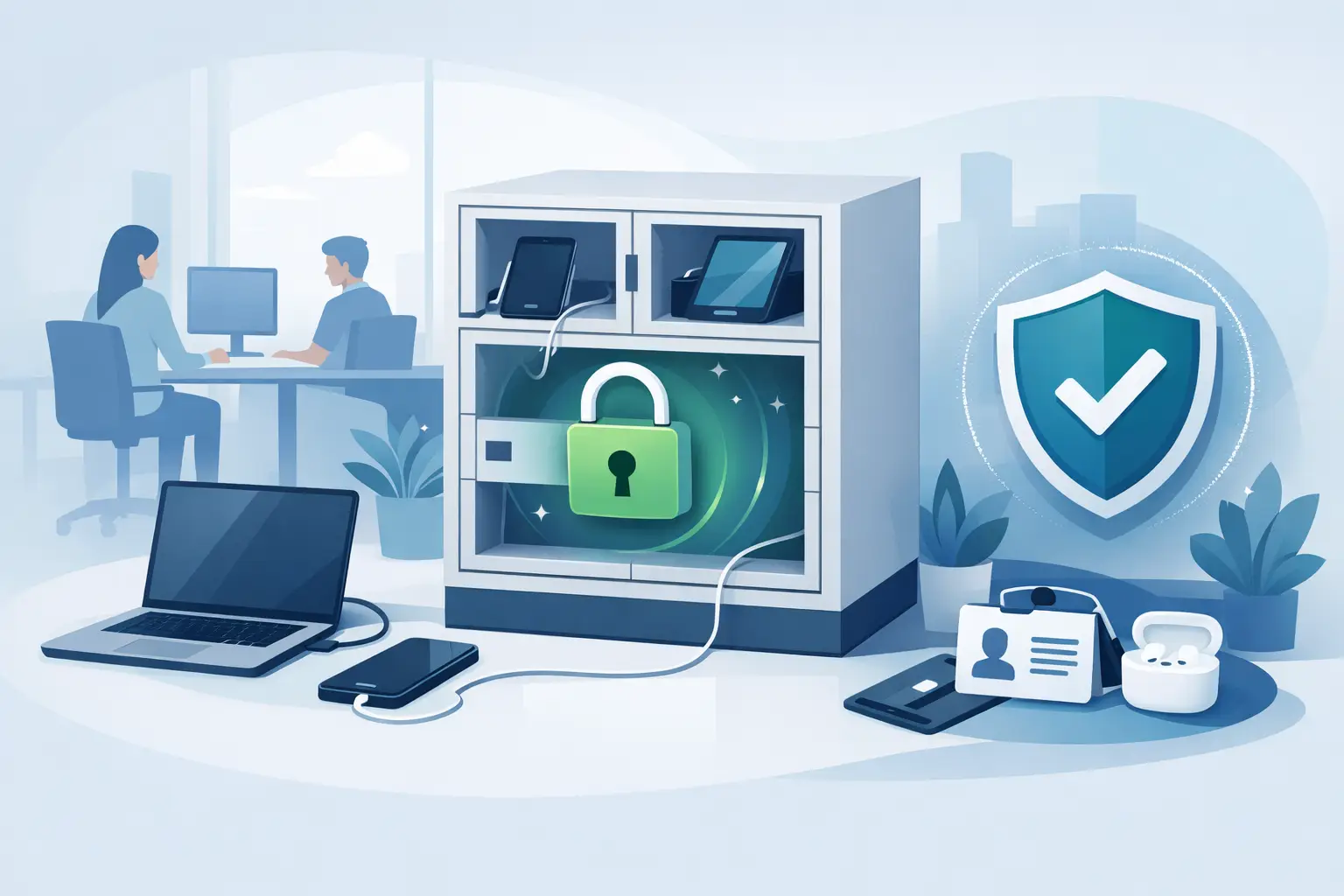
Secure Charging for Employee Devices at Work
Jul 18, 2026
Secure charging for employee devices keeps work moving while protecting phones, tablets, and laptops. Learn what a practical workplace setup needs today.
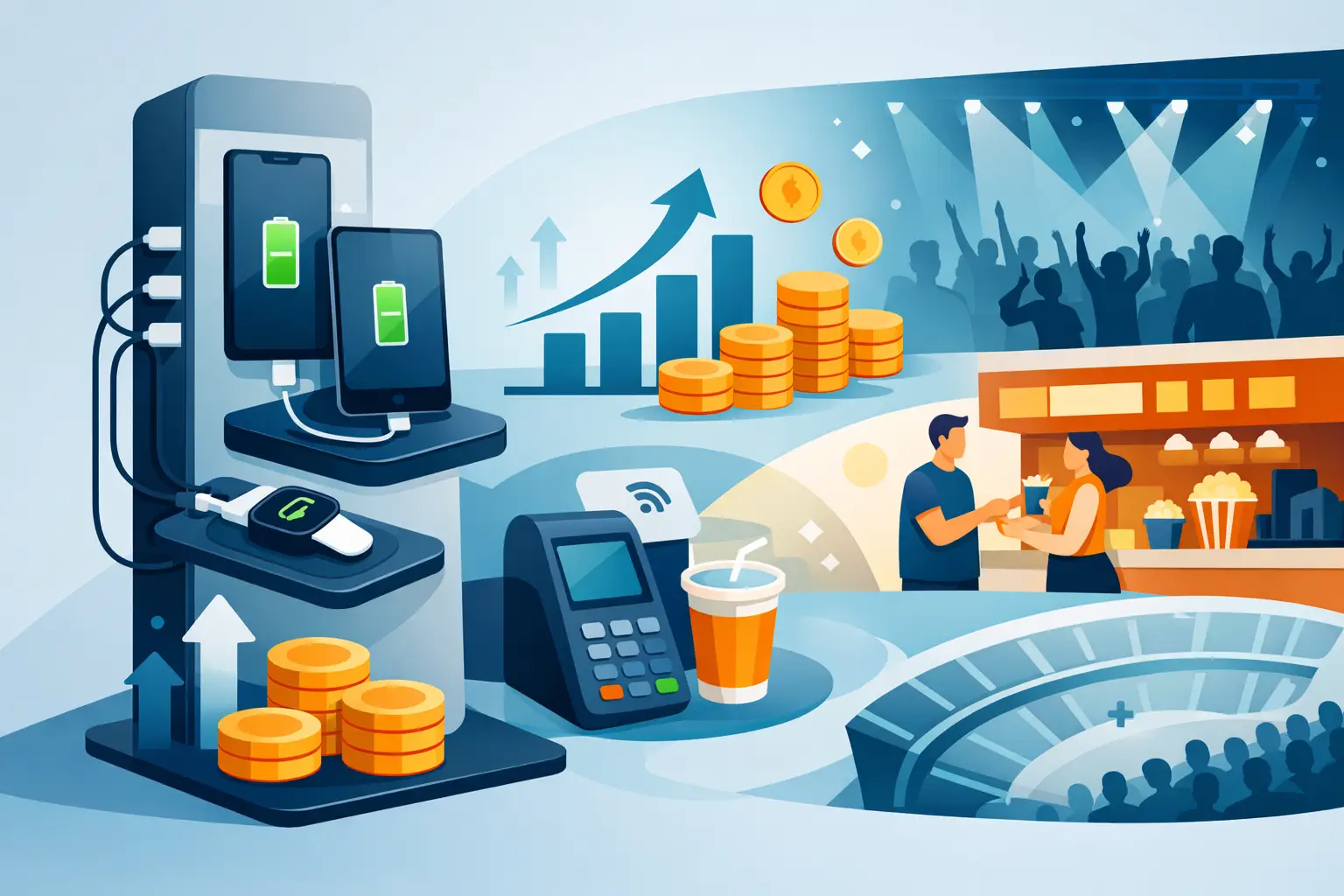
Venue Device Charging Solutions That Pay Off
Jul 16, 2026
Venue device charging solutions keep guests connected, increase dwell time, protect devices, and can create new revenue at events and public spaces daily.
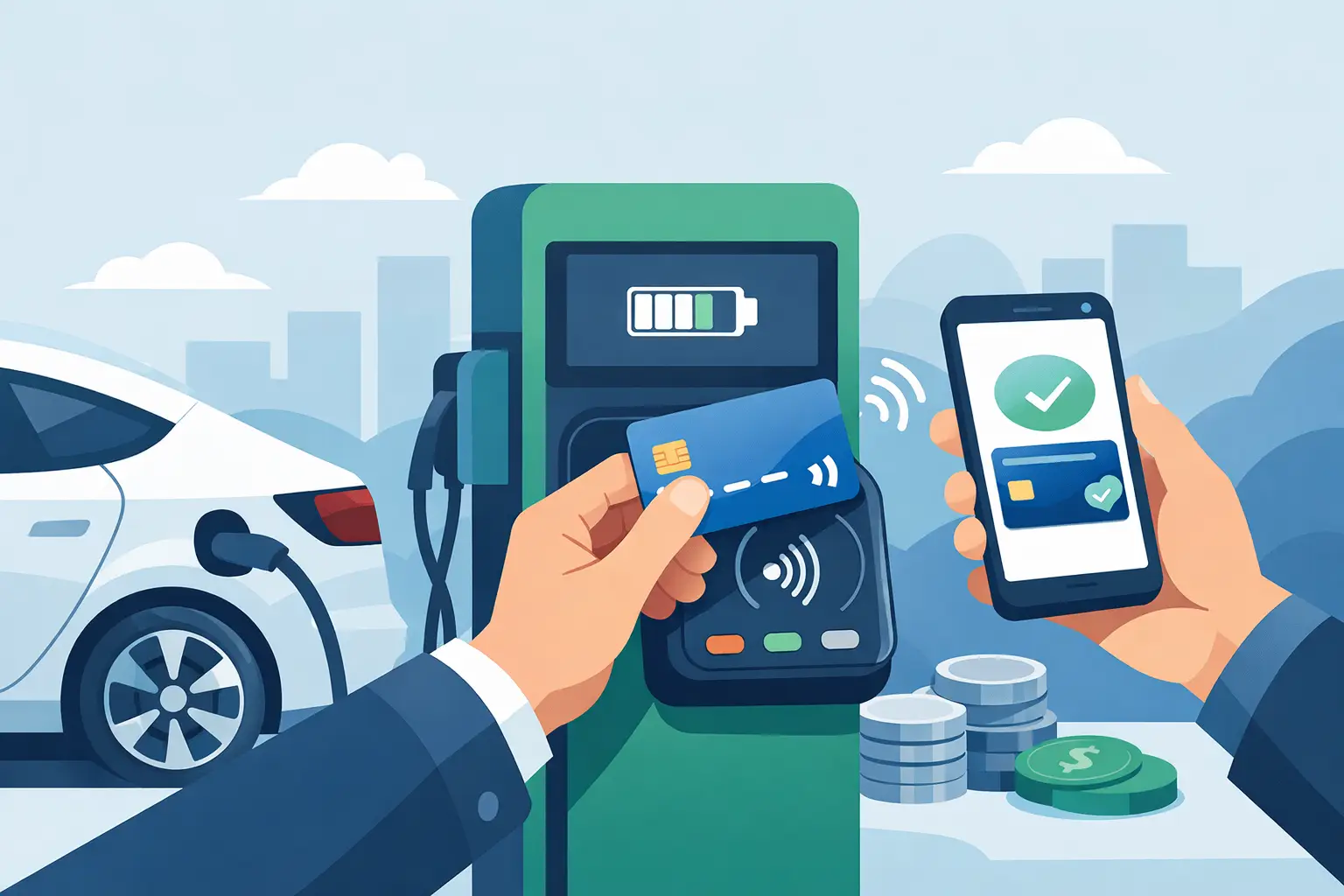
Can Charging Kiosks Take Payments? Yes, Here’s How
Jul 14, 2026
Can charging kiosks take payments? See how POS-enabled charging turns low-battery demand into convenience, longer visits, and new venue revenue streams.

Custom Branded Charging Stations That Earn Attention
Jul 11, 2026
Custom branded charging stations turn low-battery stress into longer visits, stronger brand visibility, and a practical revenue opportunity for venues.
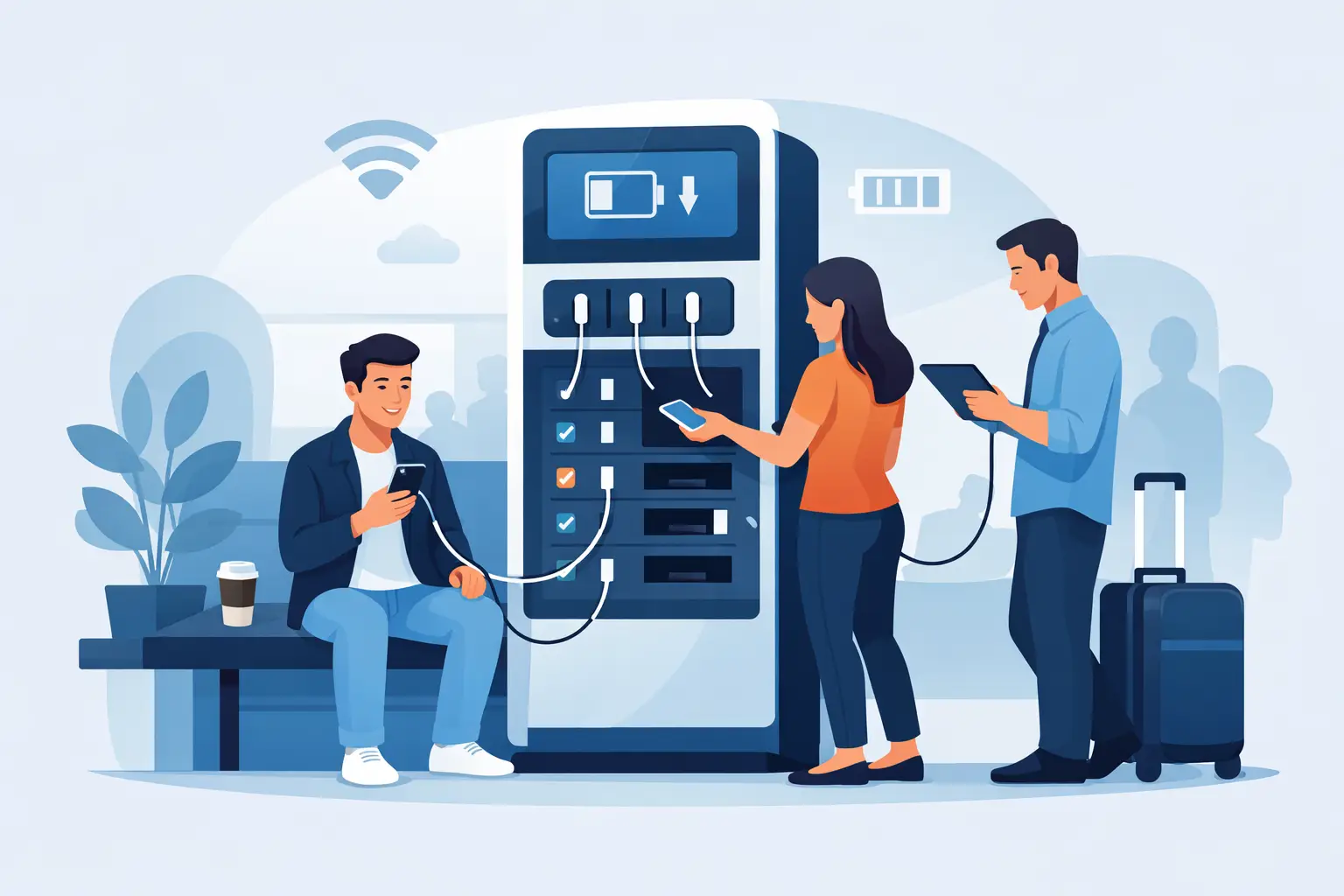
Charging Kiosks That People Actually Use
Jul 10, 2026
Charging kiosks keep guests powered, on-site, and engaged. Learn how to choose the right setup for security, revenue, and everyday use.
Charging Stations for Convention Centers
Jul 08, 2026
Charging stations for convention centers reduce attendee stress, boost dwell time, support sponsors, and create new revenue opportunities.
How to Lease Charging Kiosks Smartly
Jul 06, 2026
Learn how to lease charging kiosks with the right terms, pricing, features, and support so your venue adds convenience and potential revenue.
Visitor Amenity Charging Kiosk: What to Buy
Jul 04, 2026
A visitor amenity charging kiosk helps venues keep guests powered, engaged, and on-site while supporting security, branding, and revenue goals.
Business Charging Station Buying Guide
Jul 02, 2026
Business charging station buying guide for choosing secure, scalable charging solutions that improve guest experience and create revenue.
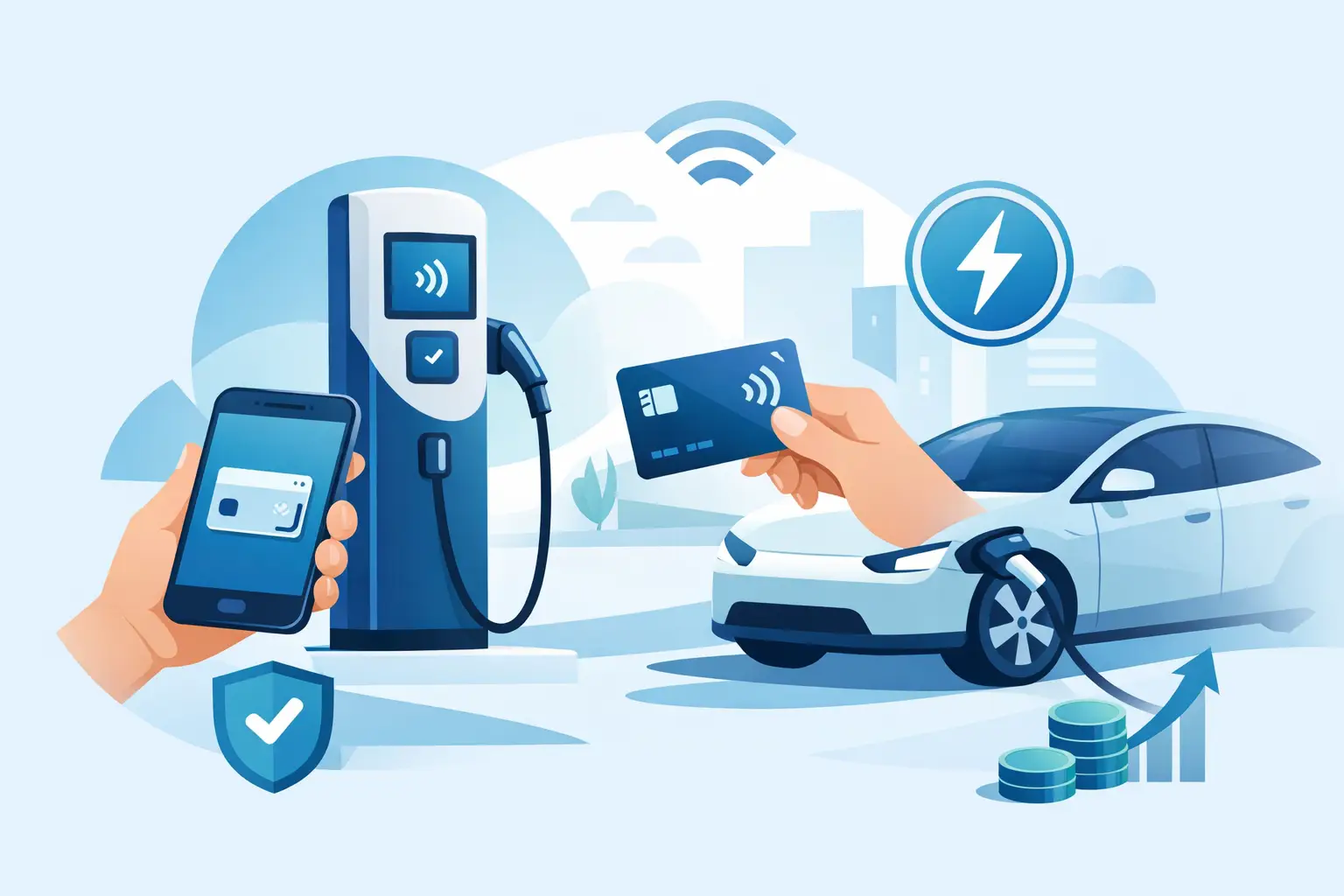
Contactless Payment Charging Station Benefits
Jun 30, 2026
A contactless payment charging station helps venues boost convenience, capture revenue, and keep guests engaged without adding operational friction.
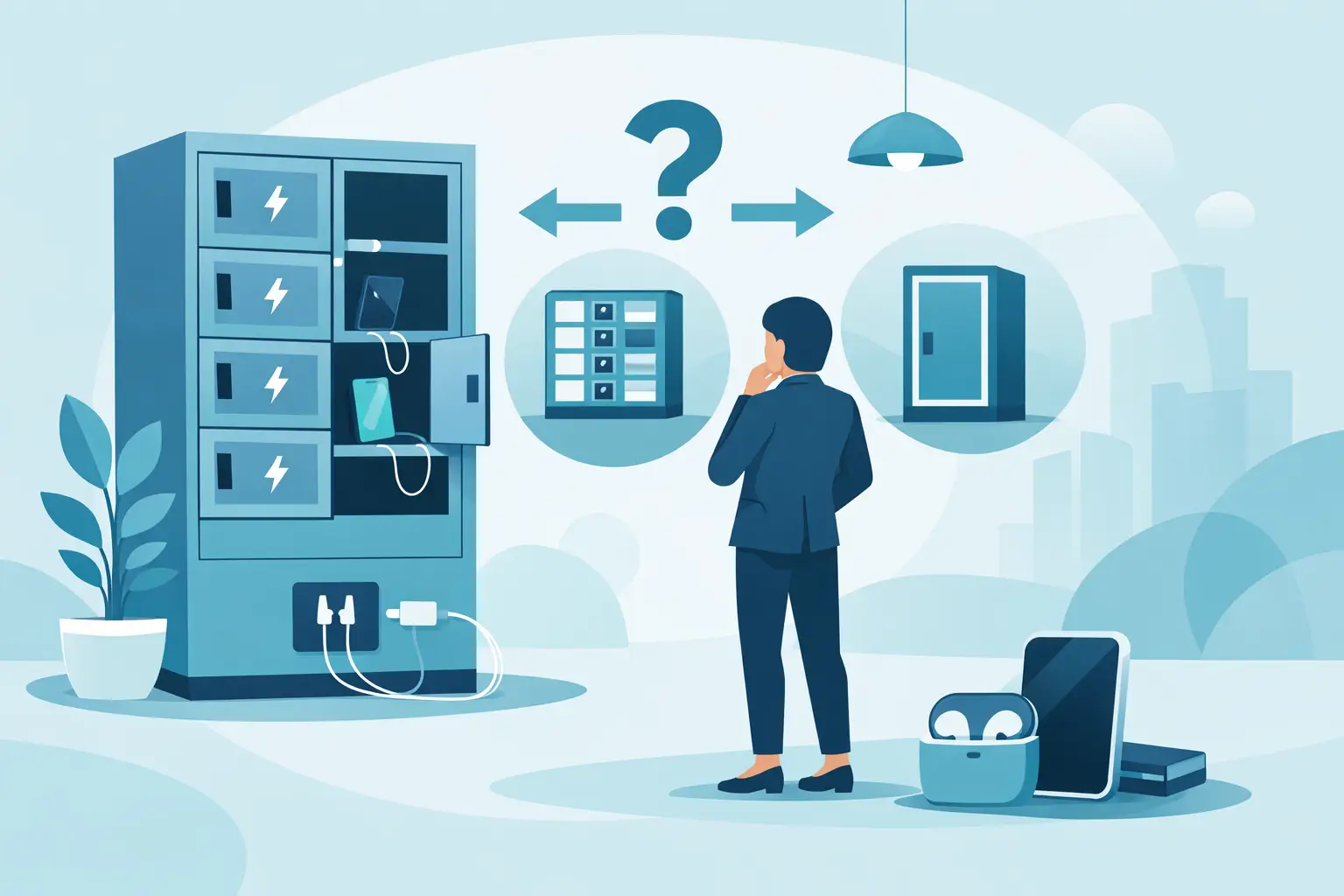
How to Choose Charging Lockers for Your Space
Jun 28, 2026
Learn how to choose charging lockers for events, venues, offices, and retail spaces based on security, device mix, power needs, and ROI.
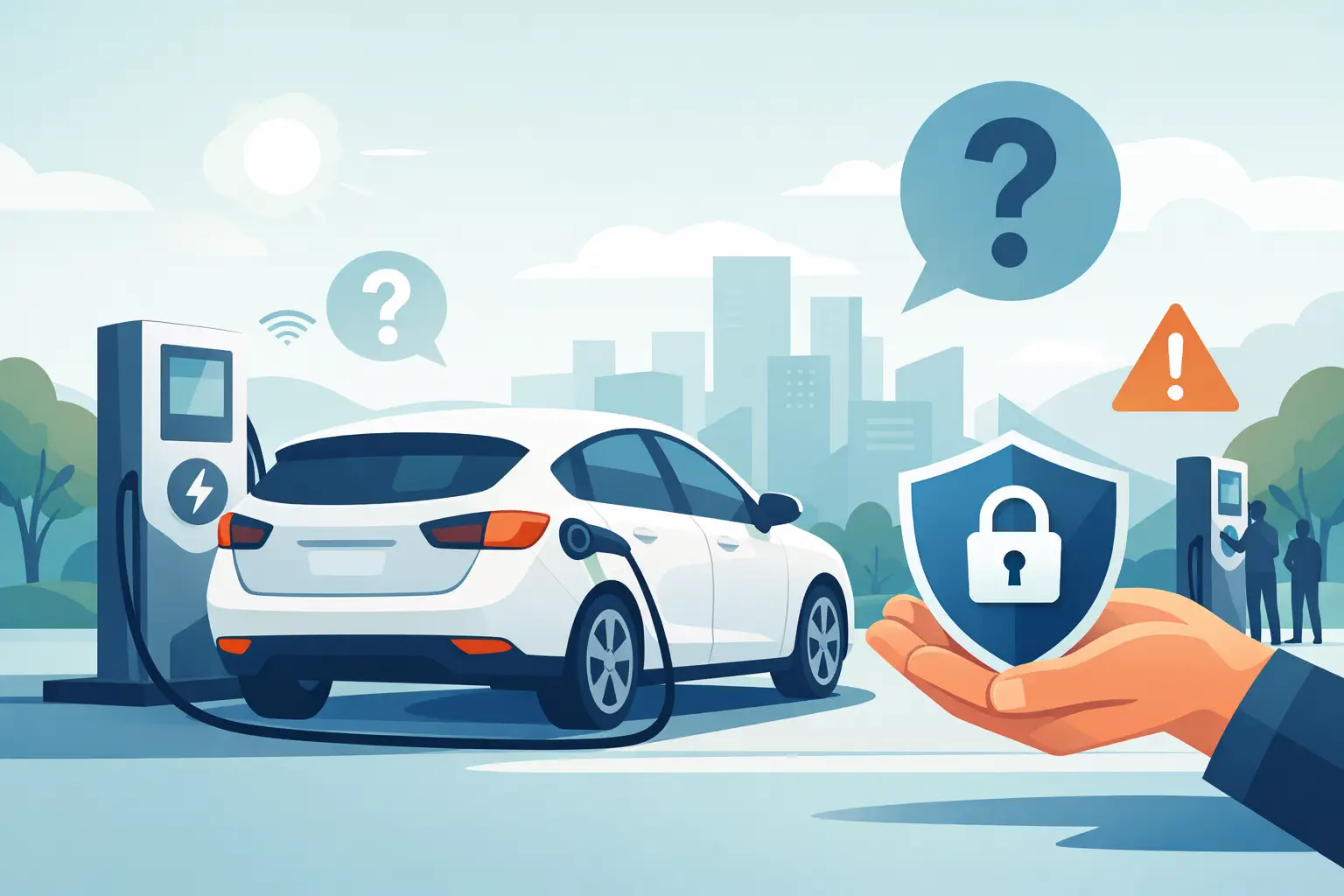
Are Public Charging Stations Safe to Use?
Jun 26, 2026
Are public charging stations safe to use? Learn the real risks, how secure charging stations work, and what businesses should provide.
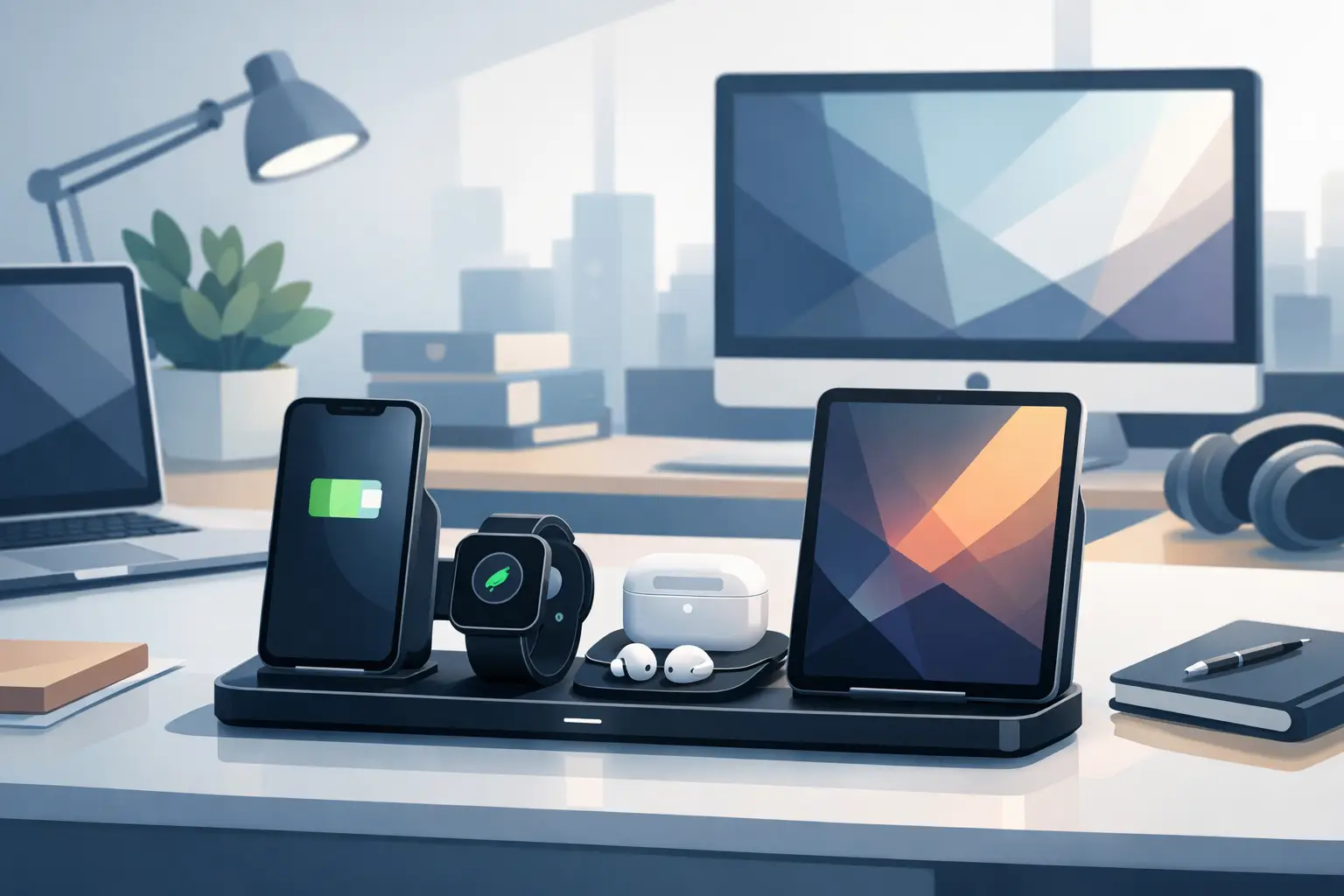
Best Desktop Charging Station for Office Use
Jun 24, 2026
Find the right desktop charging station for office use with tips on safety, device mix, cable management, security, and long-term value.
Leasing vs Buying Charging Stations
Jun 22, 2026
Leasing vs buying charging stations comes down to budget, flexibility, and ROI. Learn which model fits events, venues, offices, and retail.
Charging Lockers vs Kiosks: What Fits Best?
Jun 20, 2026
Charging lockers vs kiosks: compare security, throughput, revenue, and fit by venue so you can choose the right charging setup for your space.

Charging Locker ROI Calculator Guide
Jun 17, 2026
Use a charging locker ROI calculator to estimate payback, revenue, and visitor impact. Learn which costs, assumptions, and metrics matter most.
How to Monetize Charging Kiosks
Jun 16, 2026
Learn how to monetize charging kiosks with the right pricing, placement, sponsorships, and formats to turn charging access into revenue.
What Is Juice Jacking Protection?
Jun 13, 2026
What is juice jacking protection? Learn how it blocks data theft through USB ports and why businesses should offer safer public charging access.
USB C Charging Trends Businesses Should Track
Jun 12, 2026
USB C charging trends are reshaping public, workplace, and event charging. See what matters for compatibility, speed, safety, and ROI.
USB C Charging Station Commercial Guide
Jun 09, 2026
A practical look at usb c charging station commercial options, including use cases, power, security, placement, pricing, and ROI for busy venues.
Charging Table for Waiting Room Buyers
Jun 08, 2026
A charging table for waiting room spaces keeps guests powered, improves dwell time, and adds convenience without adding operational friction.

What a Custom Charging Kiosk Wrap Should Do
Jun 07, 2026
A custom charging kiosk wrap should attract attention, fit the venue, and support ROI. Learn what to include and what to avoid.
Branded Charging Station for Events That Works
Jun 06, 2026
A branded charging station for events keeps guests powered, boosts dwell time, supports sponsors, and adds measurable value to the event floor.
Conference Charging Locker Rental That Works
Jun 05, 2026
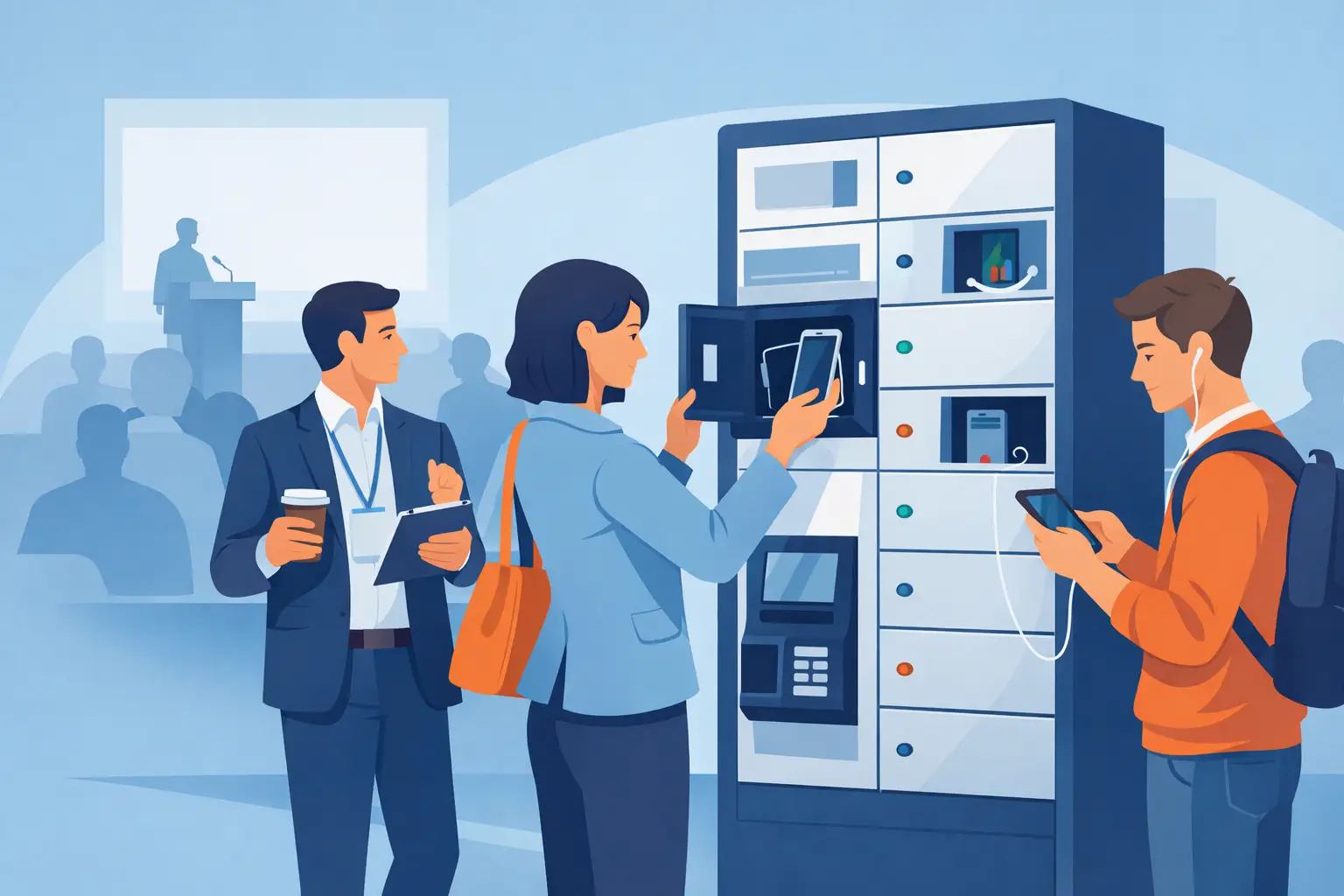
Conference charging locker rental keeps attendees powered, secure, and engaged while creating smoother events, stronger sponsor value, and revenue.
Trade Show Phone Charging Station Guide
Jun 04, 2026
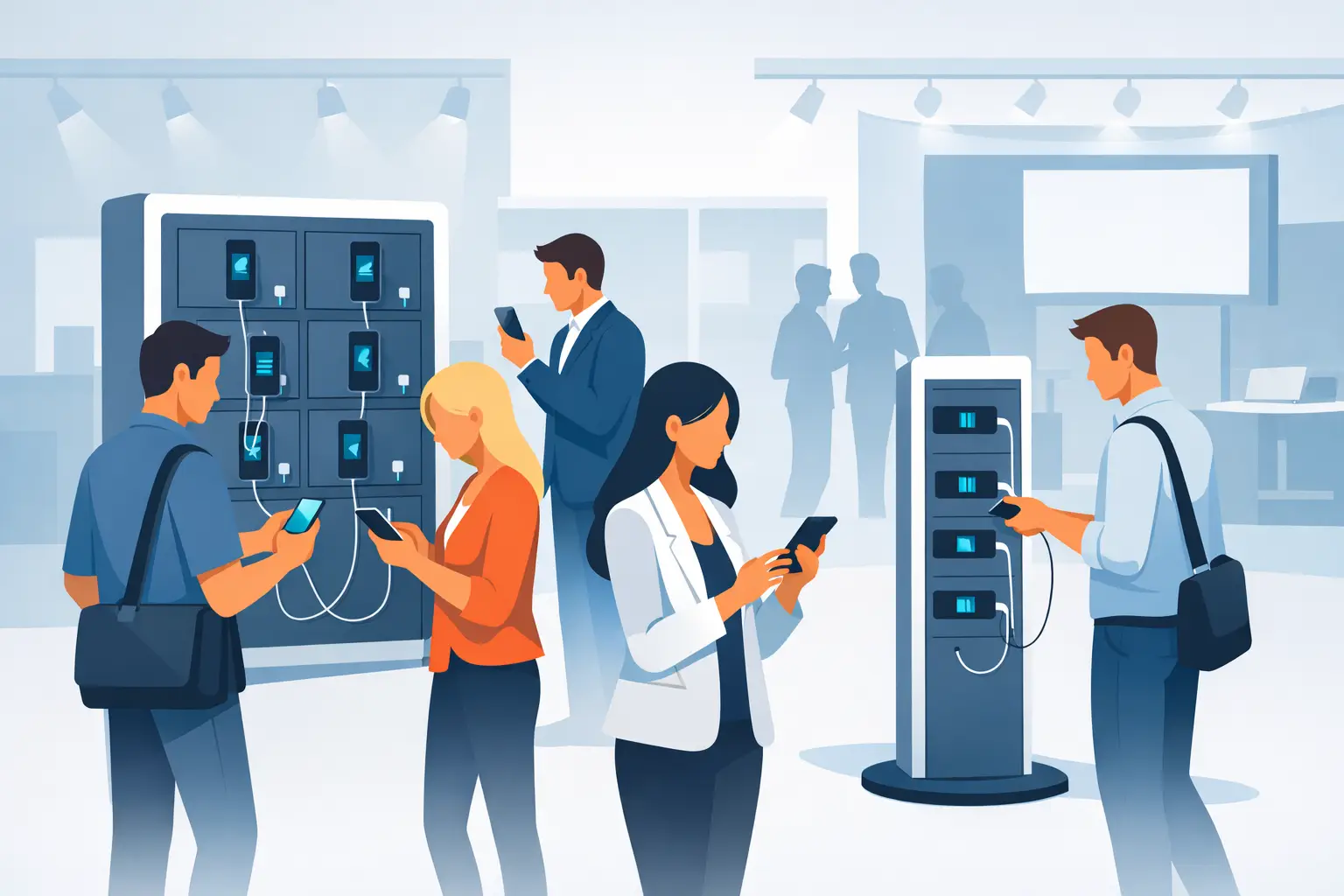
A trade show phone charging station can boost booth traffic, dwell time, and leads while reducing attendee battery stress and improving event ROI.
Event Charging Station Rental That Works
Jun 03, 2026
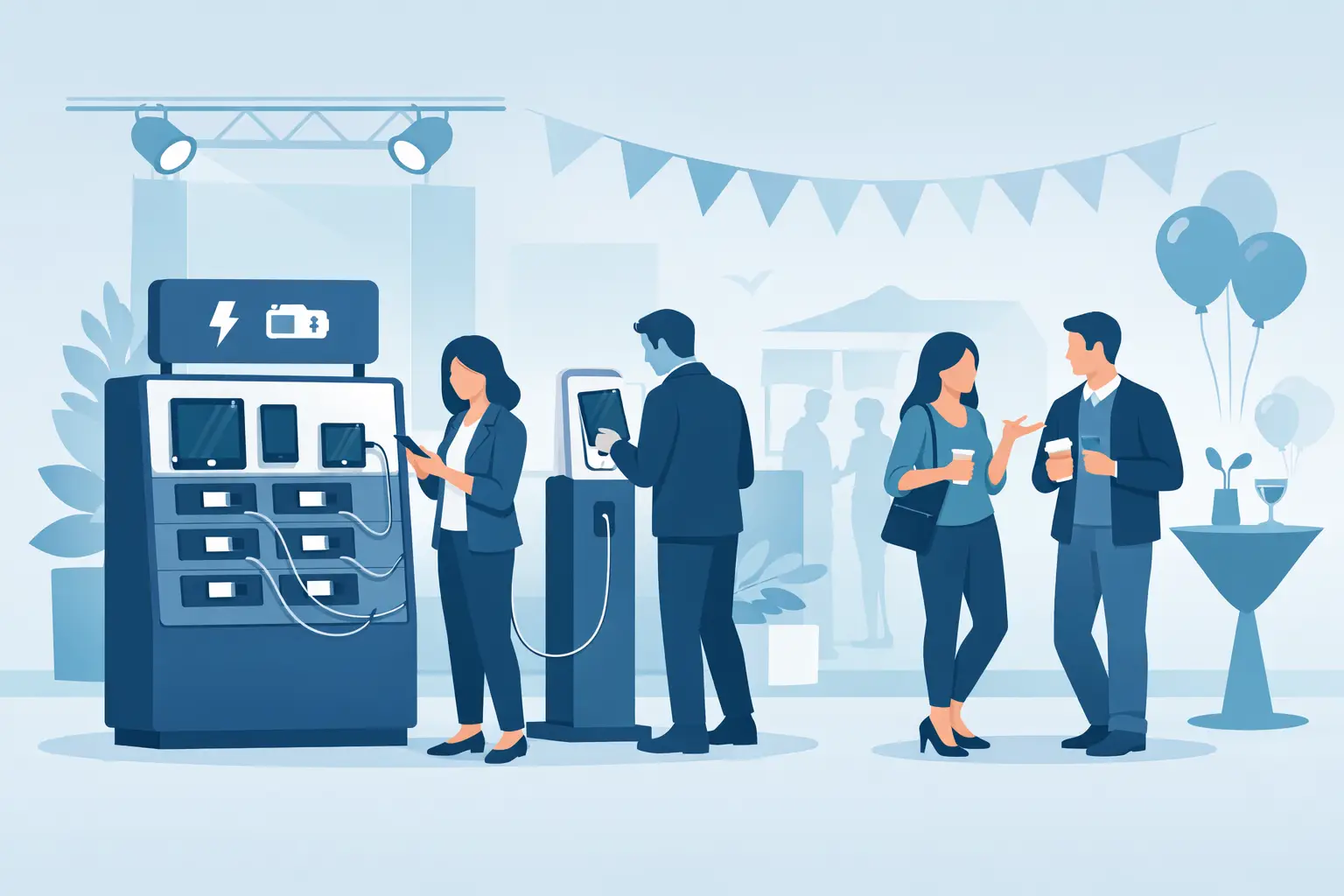
Event charging station rental keeps guests powered, engaged, and on site longer. Learn what to rent, what to ask, and how to avoid event-day issues.

Free Phone Charging Station Retail ROI
Jun 02, 2026
See how free phone charging station retail setups increase dwell time, improve customer experience, and support smarter in-store traffic flow.
Charging Kiosk With Payment System: Worth It?
Jun 01, 2026
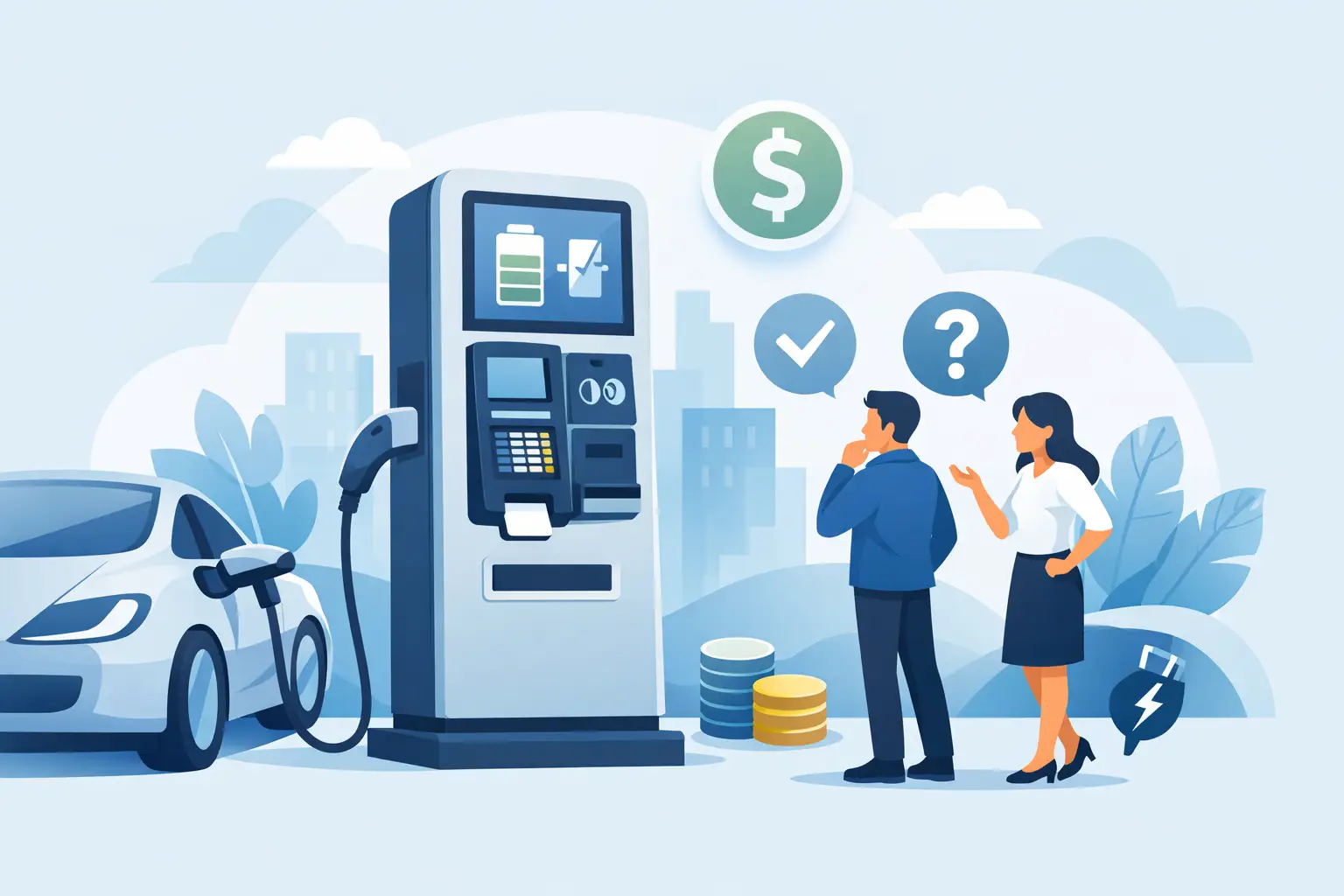
A charging kiosk with payment system can add revenue, improve guest experience, and extend dwell time. Here's how to choose the right setup.
Pay Per Use Charging Station ROI Explained
May 31, 2026
Learn how a pay per use charging station creates revenue, improves visitor experience, and fits retail, events, offices, and public venues.
Power Bank Rental Station Buyer’s Guide
May 30, 2026
A power bank rental station helps venues keep guests charged, boost dwell time, and create revenue with flexible, low-friction charging access.
Choosing a Laptop Charging Locker Cabinet
May 29, 2026
Learn how to choose a laptop charging locker cabinet for offices, schools, events, and venues with the right mix of security, power, and ROI.
Tablet Charging Locker for Schools: What Matters
May 28, 2026
A tablet charging locker for schools improves device security, charging access, and classroom readiness. Here’s what buyers should evaluate.
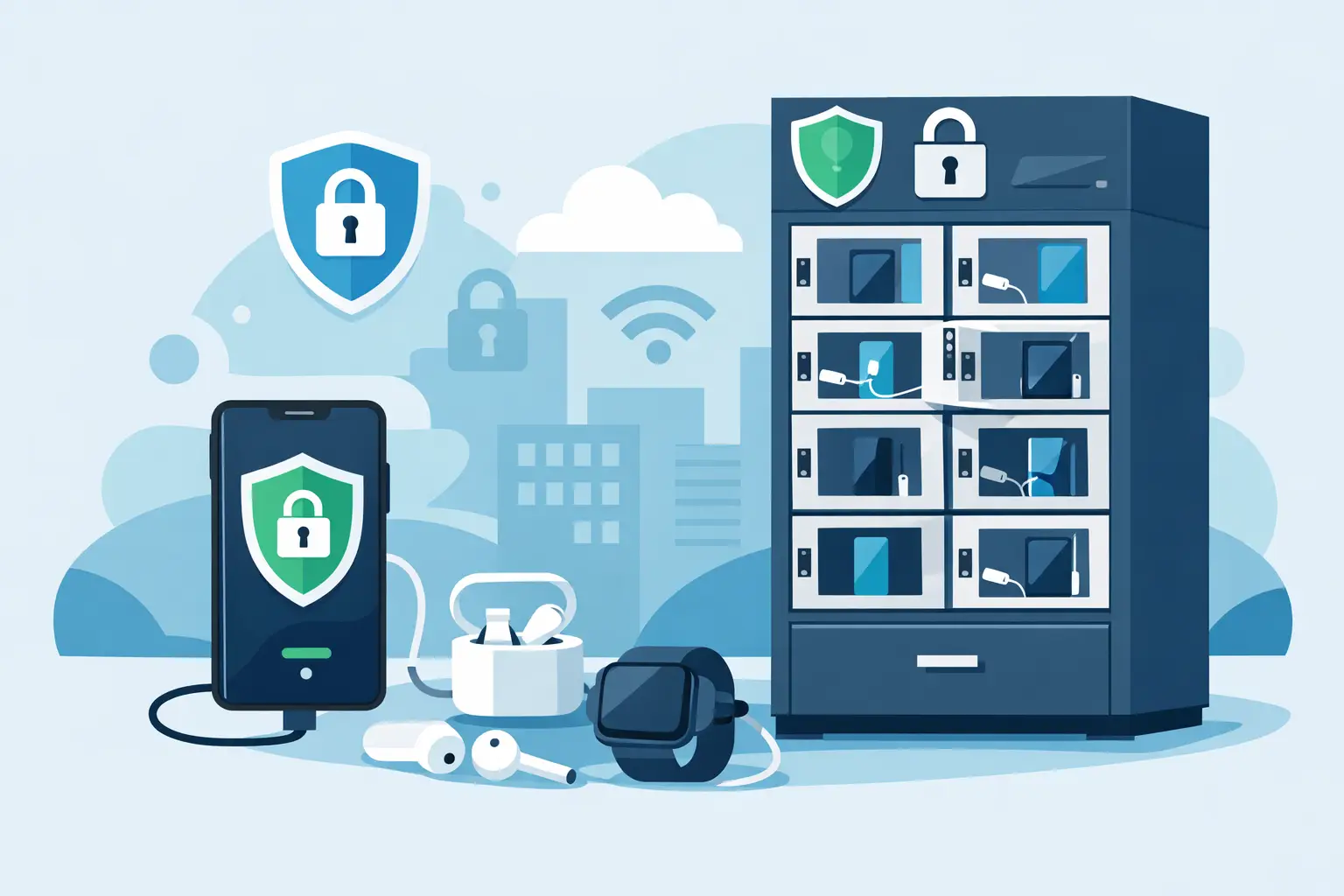
Secure Phone Charging Locker Buying Guide
May 27, 2026
Choose a secure phone charging locker that protects devices, improves guest experience, and fits your space, budget, and usage model.
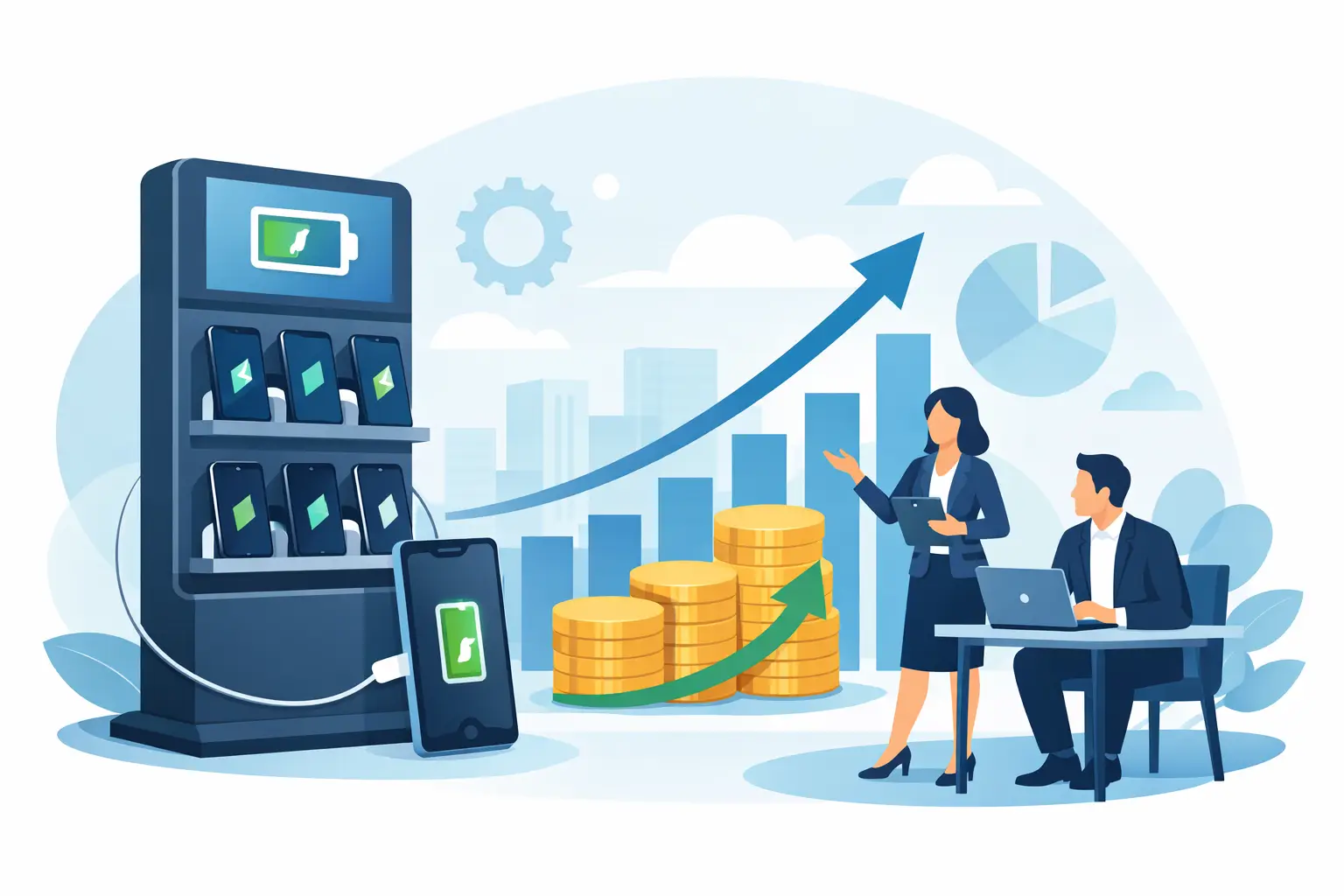
Phone Charging Station for Business ROI
May 26, 2026
A phone charging station for business can boost dwell time, improve customer experience, and create revenue when matched to the right space.
How to make your phone battery last longer
Mar 20, 2025
It’s no secret that some smartphones have more powerful and longer lasting batteries than others. However, no matter how powerful the battery or how energy efficient your phone is, there are a number of apps and settings that will drain your battery faster. Identifying these apps and settings will help you keep usage to a […]
Phone Batteries – The Best and The Worst
Mar 29, 2017
When buying a new smartphone, there are a number of factors you will consider. From the brand and price, to the operating system, and other features like the camera. No matter what kind of phone you choose or the reason behind your purchase, one thing is for sure – you want the battery to last […]
What is USB-C and why is it important?
Mar 15, 2017
By now, you may have heard people talking about USB type C or perhaps you have even tried it out yourself. Either way, many experts agree that this is the future of USB ports and cables. What many people may not realize is that this particular type of connection is significantly different from older types […]