How to Deploy Phone Charging Furniture Well

A visitor with 4% battery is not thinking about your product display, conference session, or menu. They are looking for an outlet, considering whether it is safe to leave their phone unattended, and deciding how quickly they can leave. Knowing how to deploy phone charging furniture turns that moment of disconnect anxiety into a useful customer amenity, a longer visit, and, in the right setting, a revenue opportunity.
Charging furniture includes tables, benches, kiosks, and other integrated charging formats that fit naturally into the spaces people already use. The best deployment is not simply a matter of placing a charger near an outlet. It starts with choosing the right format, the right location, and an operating model that matches the way people move through your venue.
Start with the behavior you want to support
Before selecting equipment, identify who needs power and what they are doing when they need it. A retail shopper may need a fast top-up while comparing products. A hotel guest may want to secure their phone while they attend a meeting. An office employee may need to charge a laptop between workstations. A conference attendee may need a place to sit, charge, and review the event schedule.
That behavior determines whether charging furniture, a locking station, or a portable power bank solution is the better fit. Charging tables and benches work well where people naturally pause, such as food courts, lounges, waiting rooms, break areas, and convention corridors. They provide visible, convenient access without asking users to hand over a device or search for a wall outlet.
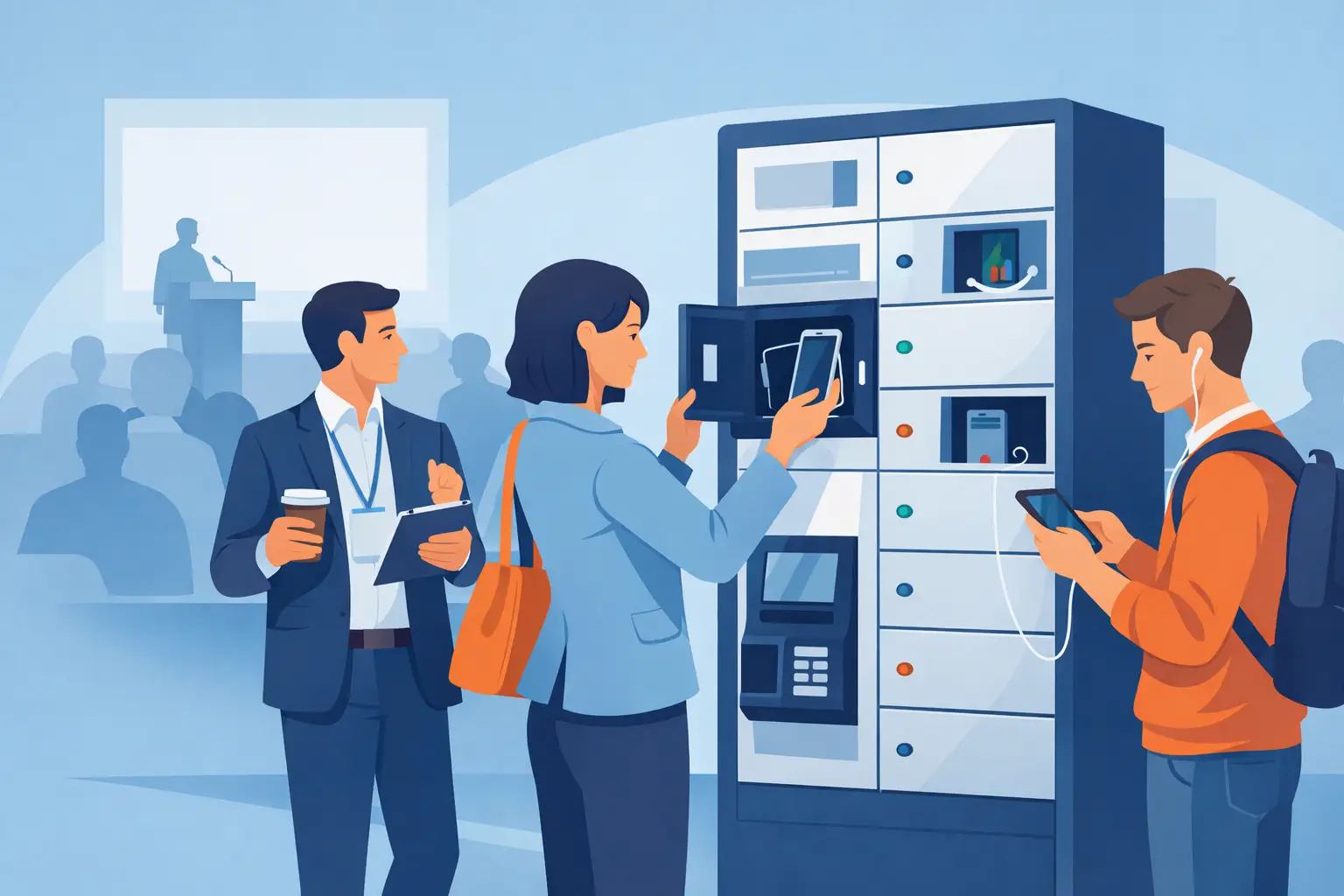
If visitors need to leave their devices behind for longer periods, secure charging lockers are usually the stronger choice. If your goal is to move people through a large event or trade show floor, a power bank rental station can provide more flexibility. Many successful locations use more than one format, with furniture for casual charging and lockers for secure, extended charging.
Choose locations based on dwell time, not empty floor space
The most common deployment mistake is putting charging furniture wherever there is unused space. Empty space is not necessarily valuable space. Your highest-performing locations are usually where people already wait, sit, gather, or make decisions.
In retail, that may be near fitting rooms, customer service areas, cafés, or seating near high-consideration products. In hospitality, consider lobbies, pool areas, lounges, and meeting spaces. At a convention center, position charging furniture near session rooms, food service, registration, and quiet work zones rather than hiding it in a low-traffic corner.
Visibility matters, but so does comfort. A charging table placed in the middle of a busy walkway may attract attention but discourage people from sitting down. A bench near a natural rest point can encourage guests to stay longer, use their devices, and remain engaged with the environment around them.
Walk the facility at different times of day before finalizing placement. Look for queues, bottlenecks, seats that are consistently occupied, and areas where guests cluster while checking their phones. That observation is often more useful than a floor plan alone.
Keep accessibility and traffic flow in view
Charging furniture must support the space rather than create an obstacle. Leave clear paths for wheelchairs, strollers, carts, and emergency access. Avoid locations where charging cables could cross a walkway or where users would need to stand in a congested area to connect a device.
Furniture with integrated charging ports keeps cables contained and makes the experience easier to understand. For public environments, clearly marked USB-C and USB charging options help reduce confusion while supporting the mix of devices your customers carry.
Match the furniture format to your charging demand
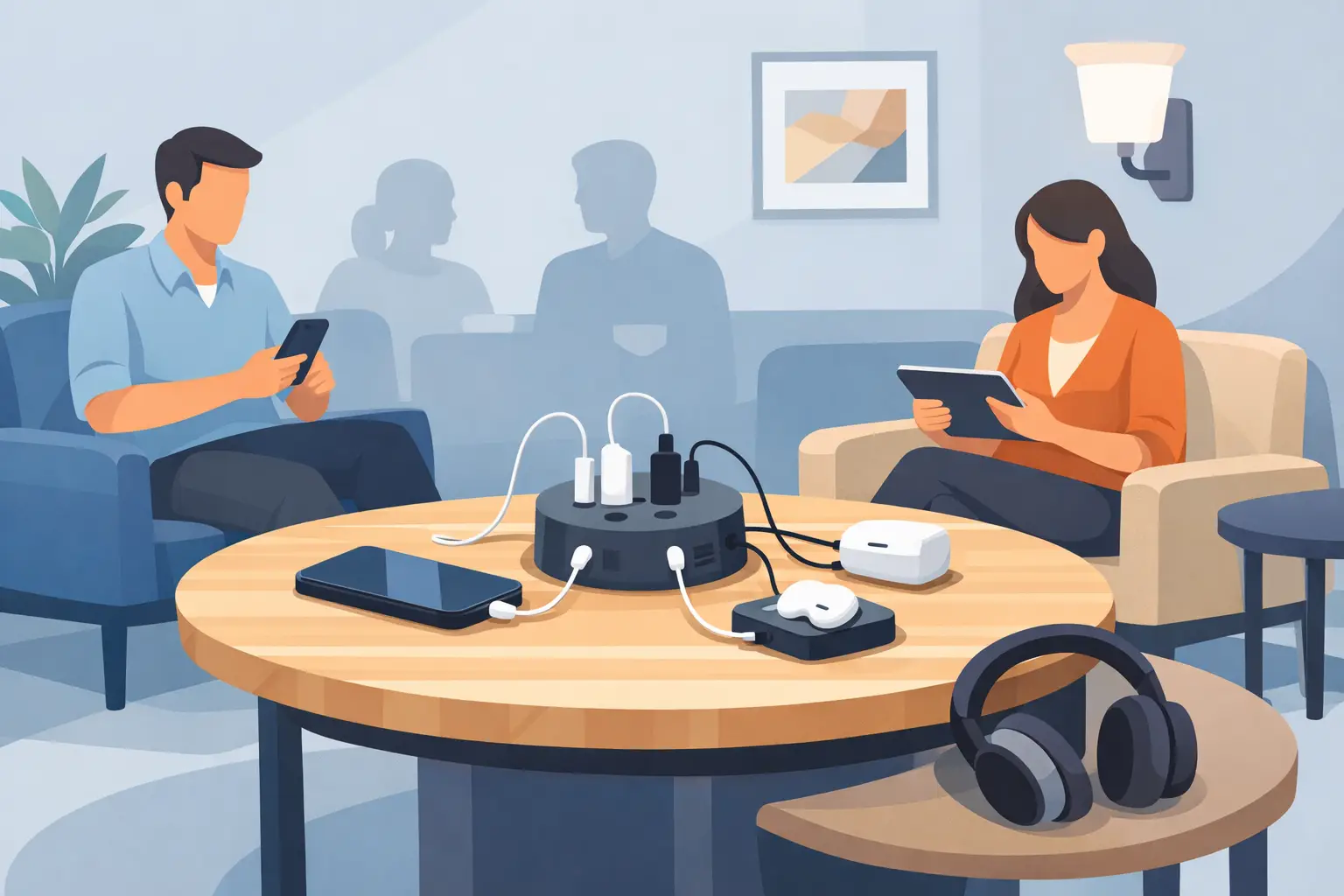
A charging table is often the most natural choice for cafés, lounges, reception areas, and break rooms because it makes charging part of the seating experience. A charging bench can be a better fit in malls, transportation hubs, campuses, and public waiting areas where users need a quick, shared place to sit.
Kiosks bring more visibility and can support paid charging, advertising, or sponsorships. They are especially useful in venues where floor space is limited but traffic is high. Locking charging stations provide a higher level of security for hospitals, gyms, libraries, workplaces, and events where users may not want to stay with their device.
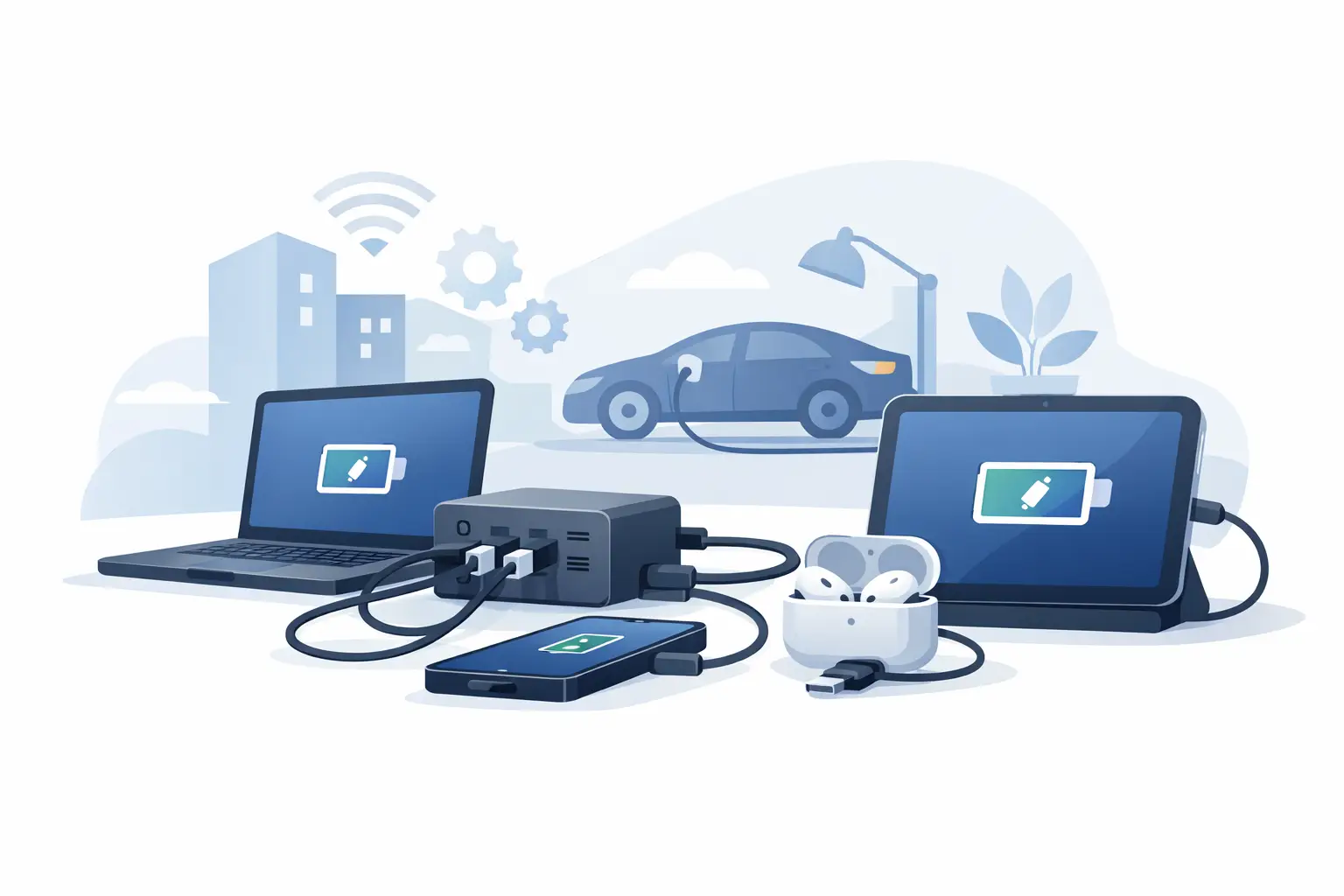
Think beyond phones when evaluating capacity. USB-C compatibility is increasingly essential, and some environments need charging for tablets and laptops as well. A conference for technology professionals, for example, may see significant demand for laptop-ready power. A restaurant patio may only need convenient phone charging at each table.
The goal is not to install the largest unit available. It is to provide enough charging access for peak demand without purchasing capacity that sits unused. Start with your seating count, visitor volume, average dwell time, and the number of people likely to charge simultaneously. A busy venue with shorter visits may need more accessible ports. A quieter lounge with longer stays may benefit from fewer, better-positioned charging tables.
Plan power, connectivity, and installation early
Phone charging furniture should feel plug-and-play to the user, but the site plan still needs practical attention. Confirm where power is available, whether outlets can handle the intended load, and how cords will be routed and protected. For permanent installations, involve facilities or an electrician before equipment arrives, especially when adding dedicated circuits or modifying furniture layouts.
Some deployments only require standard power access. Others may need network connectivity for payment processing, usage reporting, digital displays, or asset management. If you plan to use a pay-per-use model, confirm your payment and connectivity requirements before choosing the location. A highly visible kiosk is only commercially useful if customers can complete a transaction reliably.
Also consider the environment. Indoor furniture has different requirements than units placed in covered outdoor areas, transit locations, or high-use public venues. Cleaning practices, weather exposure, vandalism risk, and expected wear should influence the materials and security features you choose.
Decide whether charging is free, paid, or sponsored
Free charging is a strong hospitality tool. It signals that you understand customer needs, gives people a reason to stay, and can help differentiate a physical space from a competitor nearby. For many retailers, offices, hotels, and event organizers, that visitor benefit is the return on investment.
Paid charging can make sense where demand is high, charging access is limited, or the venue already supports convenience-based purchases. A POS-enabled kiosk can create direct revenue while providing a needed service. It works best when the price is clear, the charging experience is fast, and the station is located where customers expect to make small transactions.
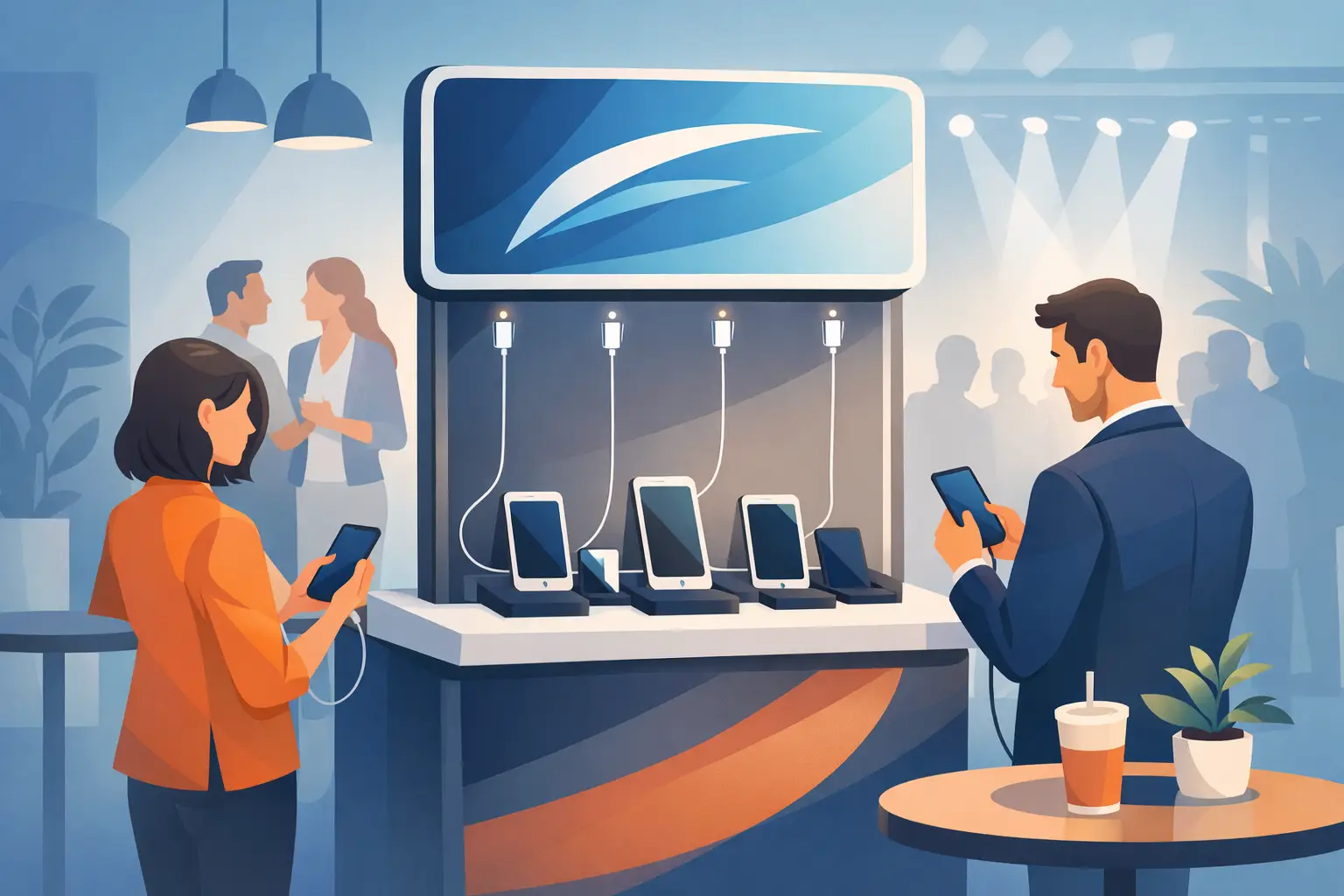
Sponsorship is another practical option. A branded charging table, bench, or kiosk can give a sponsor meaningful visibility while covering all or part of the deployment cost. This is particularly effective at conferences, sports venues, festivals, and campus events, where the charging station becomes a useful branded destination rather than another passive sign.
There is no universal answer. Free charging may drive dwell time and goodwill. Paid charging may support an operating budget. Sponsored charging can create value for both the venue and an advertiser. Choose the model that reflects your visitor expectations and business objectives.
Make security and safety part of the customer experience
Users will not charge if they do not trust the equipment. Public-facing charging furniture should have clearly maintained ports, protected power components, and a design that discourages tampering. For devices that will be left unattended, lockable compartments and secure access controls are essential.
Charging protection matters, too. Poor-quality public charging solutions can create concerns about device safety, incompatible cables, and damaged ports. Select commercial equipment designed for repeated use and modern device charging needs. Keep cables organized, replace worn components promptly, and make sure staff know who to contact if a port or unit is not working.
Simple signage can reduce friction. Let guests know whether charging is free or paid, whether they should remain with their device, and how to get help. The best instructions are short enough to understand in a few seconds.
Build ownership into the rollout plan
A charging deployment needs an owner. That does not mean someone must stand beside the furniture all day, but it does mean a team should be responsible for visual checks, cleaning, issue reporting, and performance review.
For a multi-location business, standardize where units are placed, how they are branded, and how maintenance requests are handled. For events, assign a staff member to inspect stations before doors open, during peak attendance, and before teardown. A station that is powered, clean, and clearly available earns trust. A station with damaged cables or unclear instructions creates the opposite effect.
Track what you can. Count usage when the equipment supports it, observe which locations draw the most traffic, and ask frontline staff what visitors request. If one charging table is always full while another is ignored, that is useful information for your next layout adjustment.
How to deploy phone charging furniture for events
Events move faster than permanent venues, so placement and visibility need to work from the first hour. Put charging furniture on the event map, mention it in attendee communications, and position units near places where people naturally pause between sessions. If you are using branded units, make the branding visible from a distance without covering instructions or charging ports.
Rental can be the practical choice for one-time events, seasonal activations, and trade shows. It avoids buying equipment that will spend most of the year in storage while still giving attendees a professional charging experience. For recurring events, compare rental, leasing, financing, and purchase options based on usage frequency and budget structure.
When attendees can keep their phones powered, they are more likely to use your event app, contact exhibitors, share content, and stay through the final session. That is a direct operational benefit, not just a convenience feature.
A well-placed charging station quietly tells visitors that your space was designed with their real needs in mind. Start with one high-demand location, keep the experience reliable, and let usage guide the next expansion.
Related posts

Charging Furniture That Keeps Visitors Longer
Oct 25, 2026
Charging furniture gives visitors a place to power up, stay longer, and keep moving. Learn how to choose secure, profitable options for your space with confidence.

Kiosk Revenue Case Study That Can Pay Off
Oct 23, 2026
A kiosk revenue case study for venue operators: learn how pricing, foot traffic, payment flow, and placement shape charging station returns over time.
How to Lease Charging Equipment for Your Venue
Oct 21, 2026
Learn how to lease charging equipment that fits your venue, protects devices, supports modern USB-C needs, and can create a new revenue stream for guests.
How to Prevent Cable Theft at Charging Stations
Oct 19, 2026
Learn how to prevent cable theft at public and workplace charging stations with better hardware, placement, inspections, and simple operating policies.
Charging Station Durability That Holds Up
Oct 17, 2026
Charging station durability protects uptime, visitor trust, and revenue. Learn what to look for in materials, cables, locks, power, and service needs.

Commercial Charging Procurement Guide for Buyers
Oct 15, 2026
Use this commercial charging procurement guide to choose secure, scalable device charging for venues, staff, and events while managing cost and ROI wisely.
Public Phone Charging Setup Guide for Venues
Oct 13, 2026
A public phone charging setup guide for venues that want safer access, longer visits, and practical revenue from reliable charging stations on site daily.
What Is Power Bank Rental for Businesses?
Oct 11, 2026
What is power bank rental? Learn how rental stations work, where they fit, and how businesses can improve guest experience and create revenue on-site.
Charging Station Sponsorship Results That Matter
Oct 09, 2026
Measure charging station sponsorship results with practical metrics for brand exposure, engagement, leads, dwell time, and revenue across live events.
How to Finance Charging Infrastructure Wisely
Oct 07, 2026
Learn how to finance charging infrastructure with purchase, lease, rental, and revenue models that fit your venue, event, budget, and growth goals today.
How to Install Charging Lockers Safely at Work
Oct 05, 2026
Learn how to install charging lockers safely with practical placement, power, security, and maintenance guidance for workplaces and public venues every.
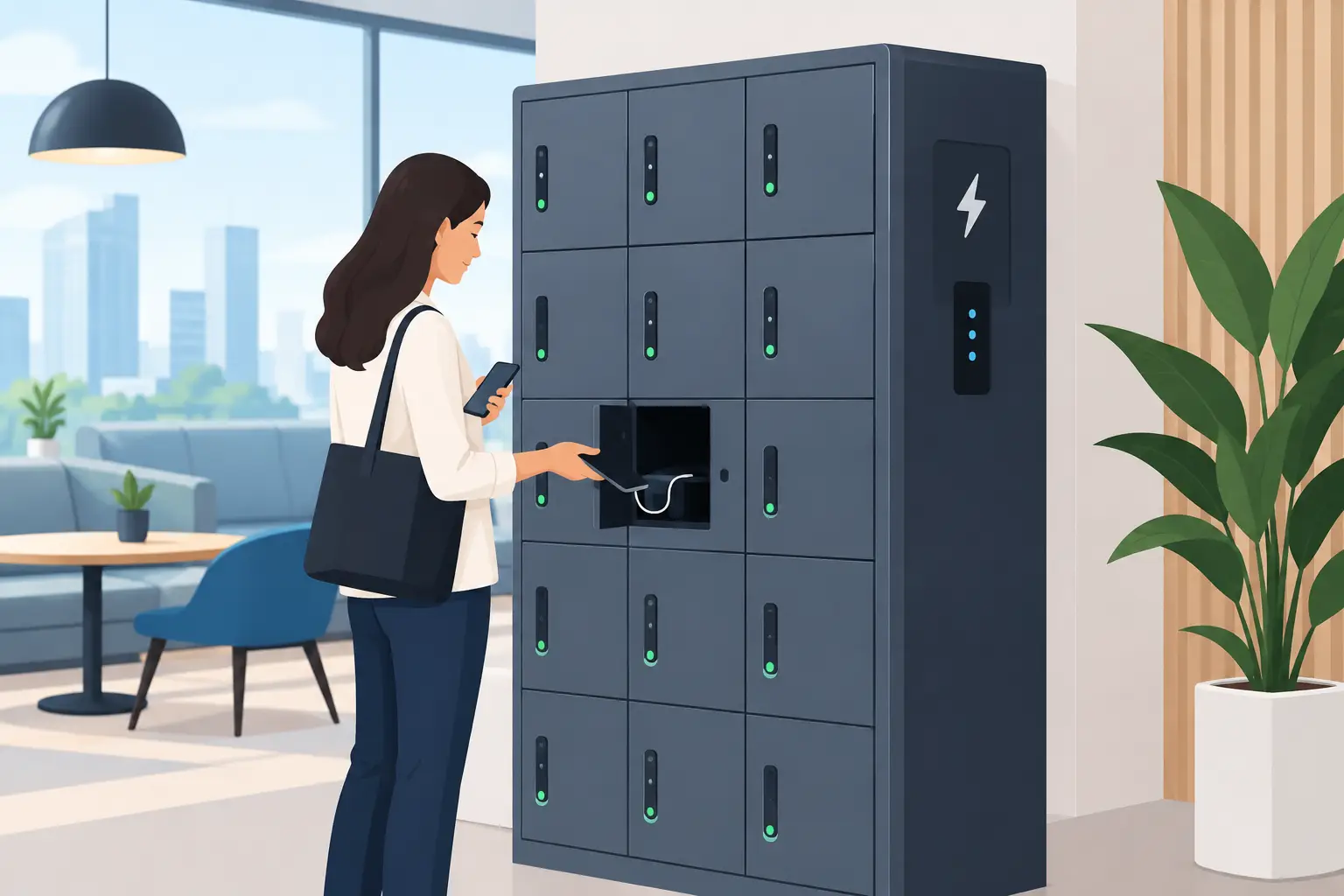
Commercial Charging Locker Review for Buyers
Oct 03, 2026
A commercial charging locker review for buyers comparing security, charging speed, payment options, capacity, and long-term operating value at venues.

How to Manage Shared Devices Without the Chaos
Oct 01, 2026
Learn how to manage shared devices with clear ownership, secure charging, simple checkout rules, and reporting that keeps teams productive every shift.
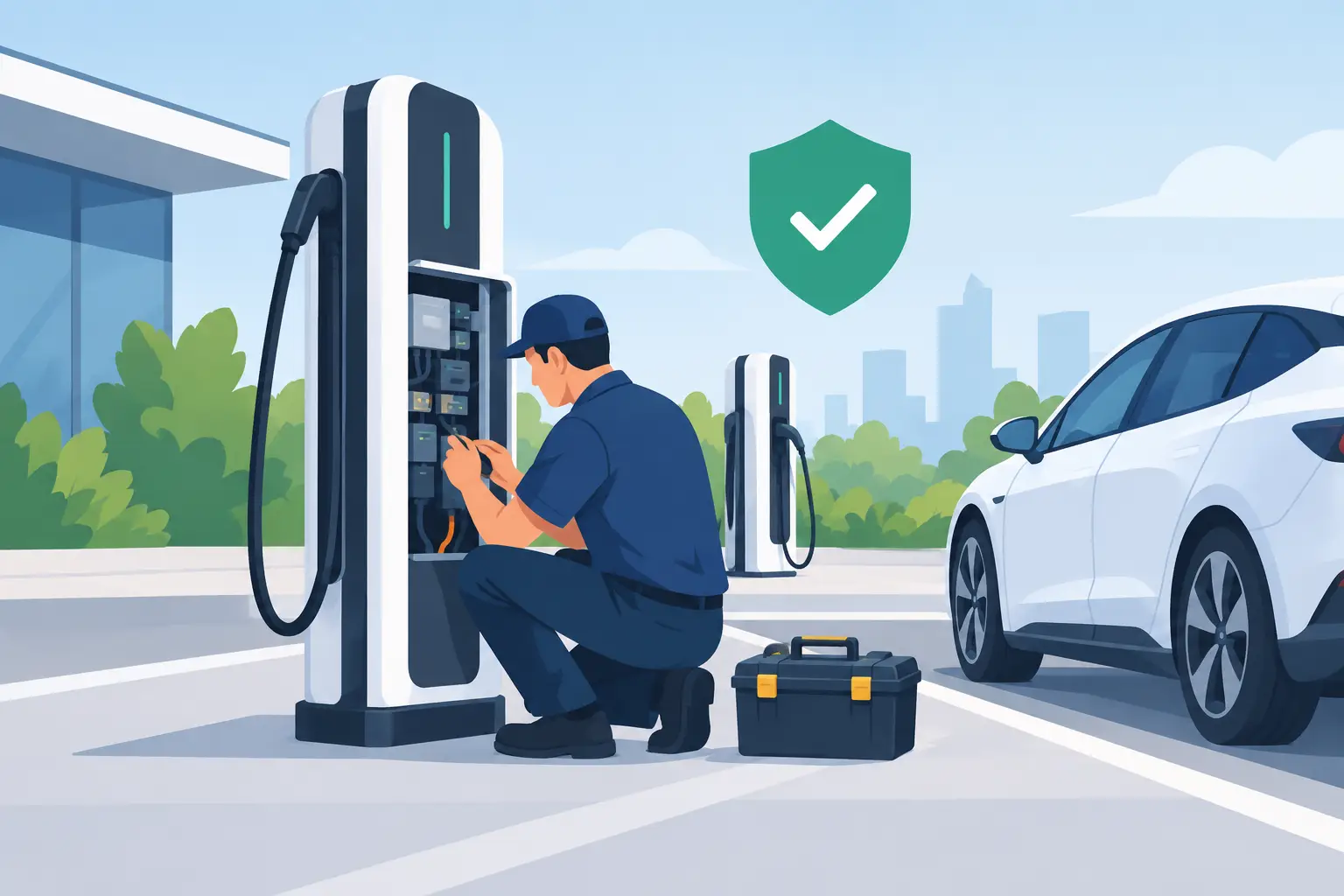
Charging Station Maintenance That Protects Uptime
Sep 29, 2026
Charging station maintenance protects uptime, revenue, and user trust with practical inspections, cleaning, cable care, and payment system checks weekly.
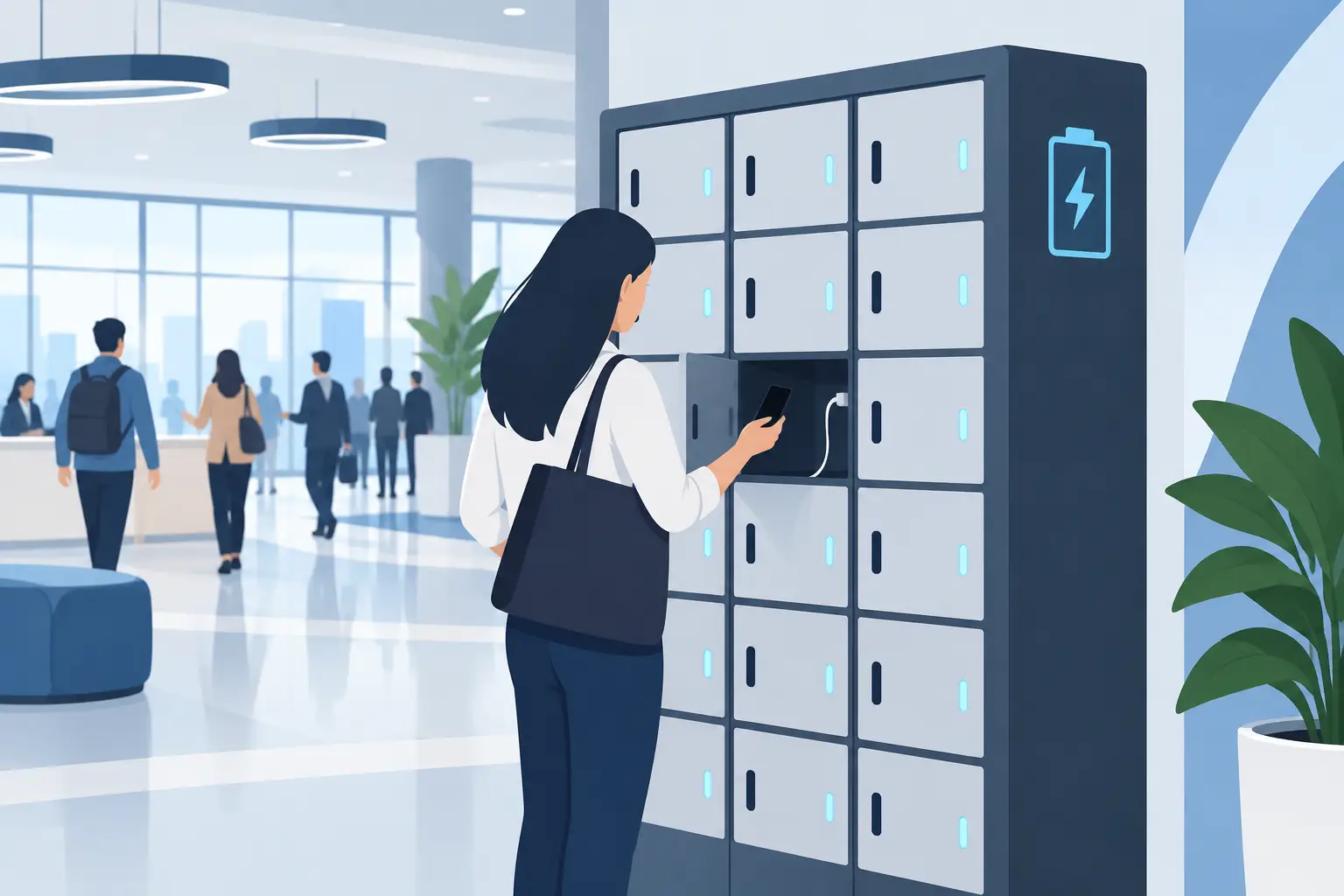
Charging Locker System Review for Busy Venues
Sep 27, 2026
Read this charging locker system review to compare security, charging speed, payment options, and ROI for events, offices, retail, and venues nationwide.
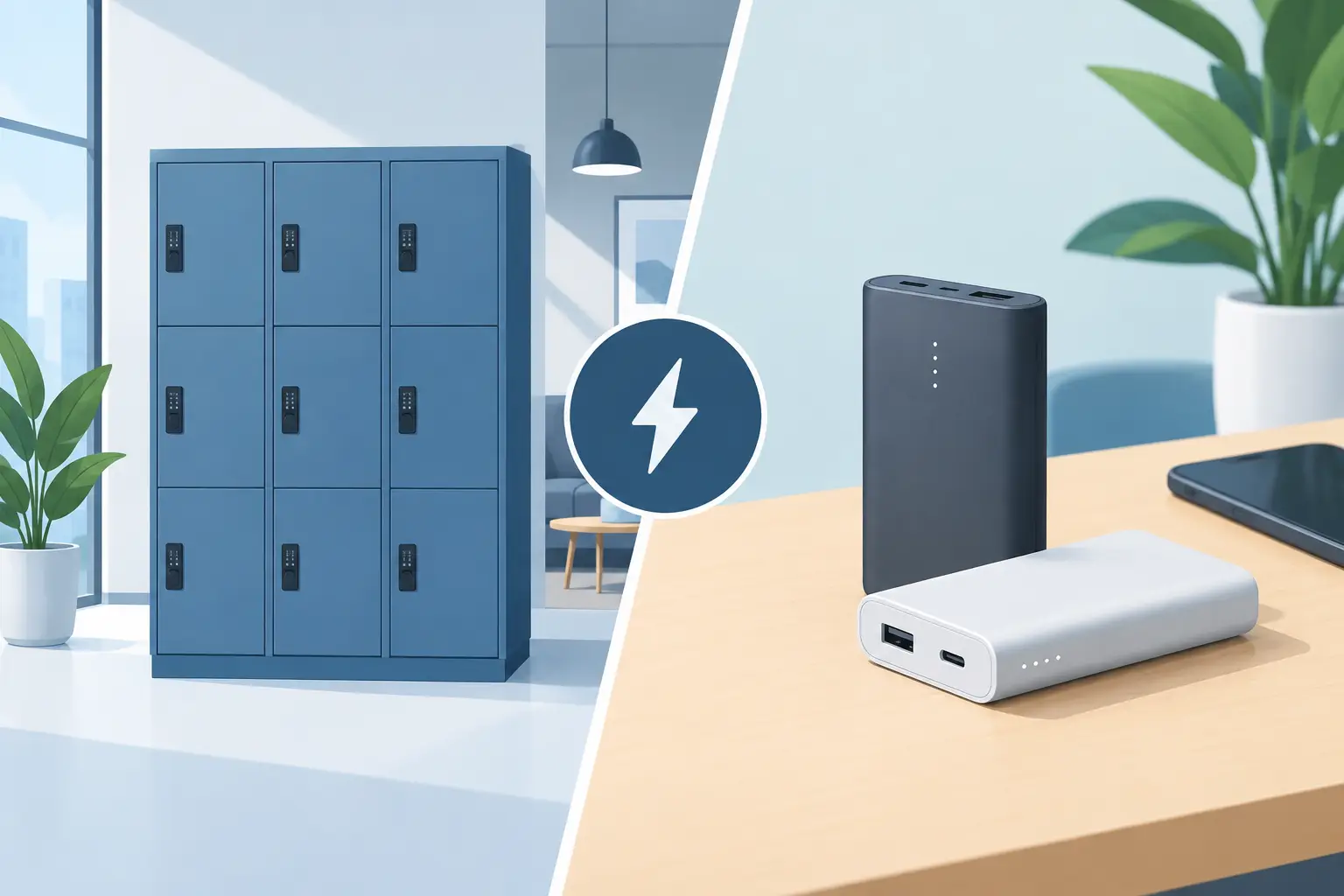
Lockers Versus Powerbanks: Which Fits Your Space?
Sep 25, 2026
Lockers versus powerbanks: compare security, dwell time, staffing, revenue, and deployment needs to choose the right charging amenity for your venue today.
Public Device Charging Trends for Venues
Sep 23, 2026
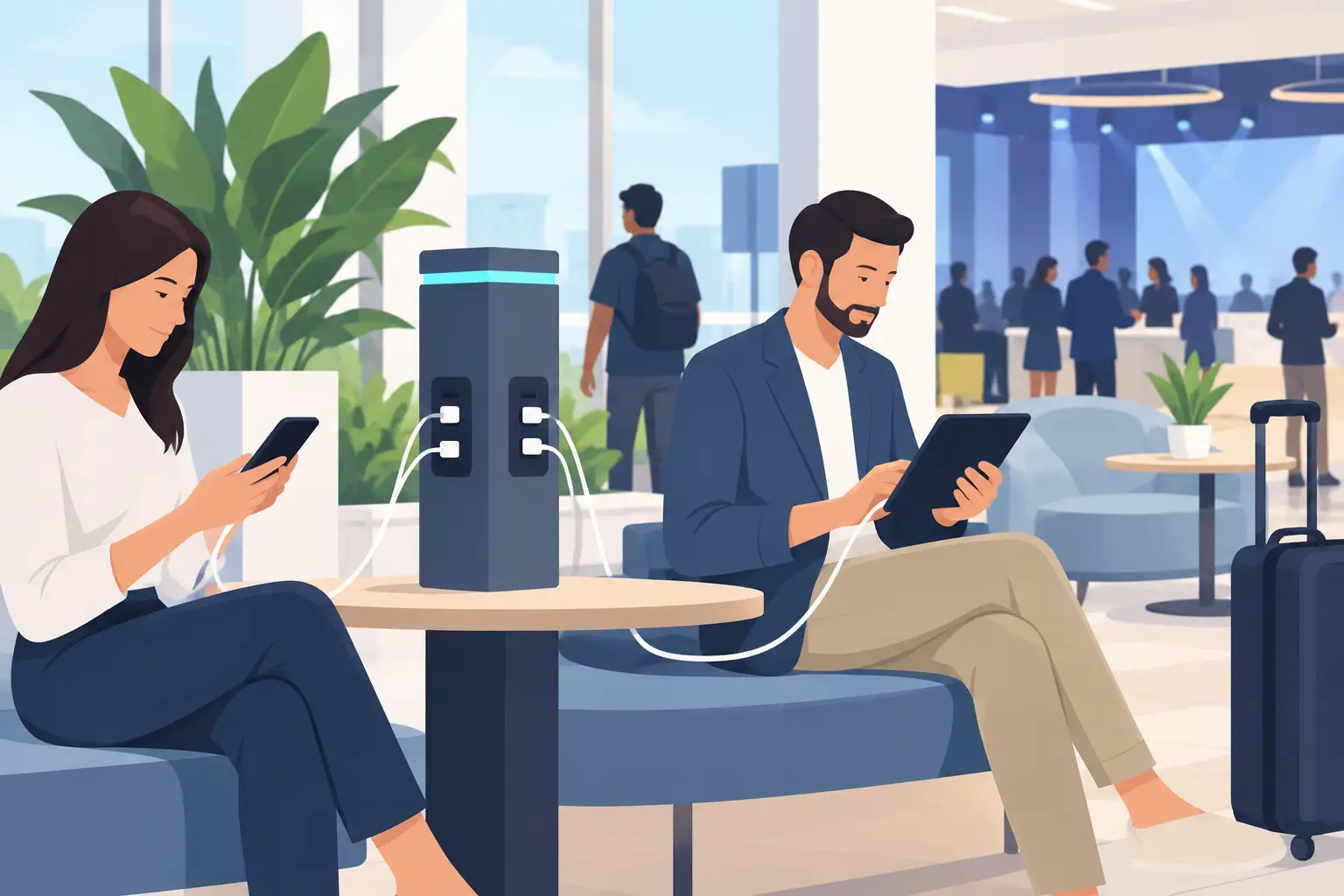
Public device charging trends are reshaping venues, events, and workplaces with secure USB-C access, locker charging, and revenue-ready options for guests.
How to Create Branded Power Bank Docks That Sell
Sep 21, 2026
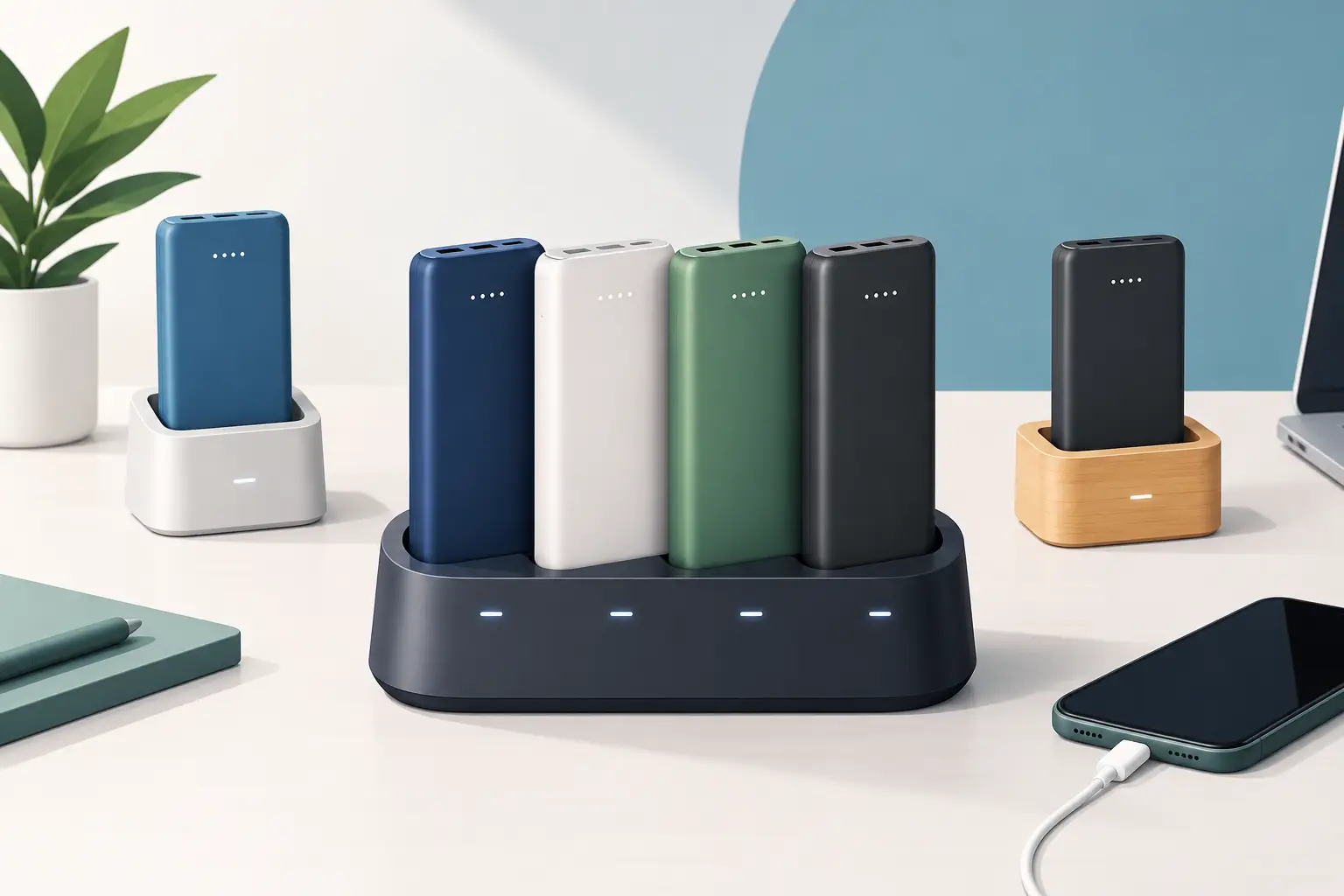
Learn how to create branded power bank docks that keep visitors engaged, strengthen your brand, and support free or paid charging programs on-site daily.

Locker Deployment Example for Busy Venues
Sep 19, 2026
See a locker deployment example that helps venues provide secure phone charging, reduce low-battery stress, and create a practical revenue option for guests.
Hotel Charging That Keeps Guests On Property
Sep 17, 2026
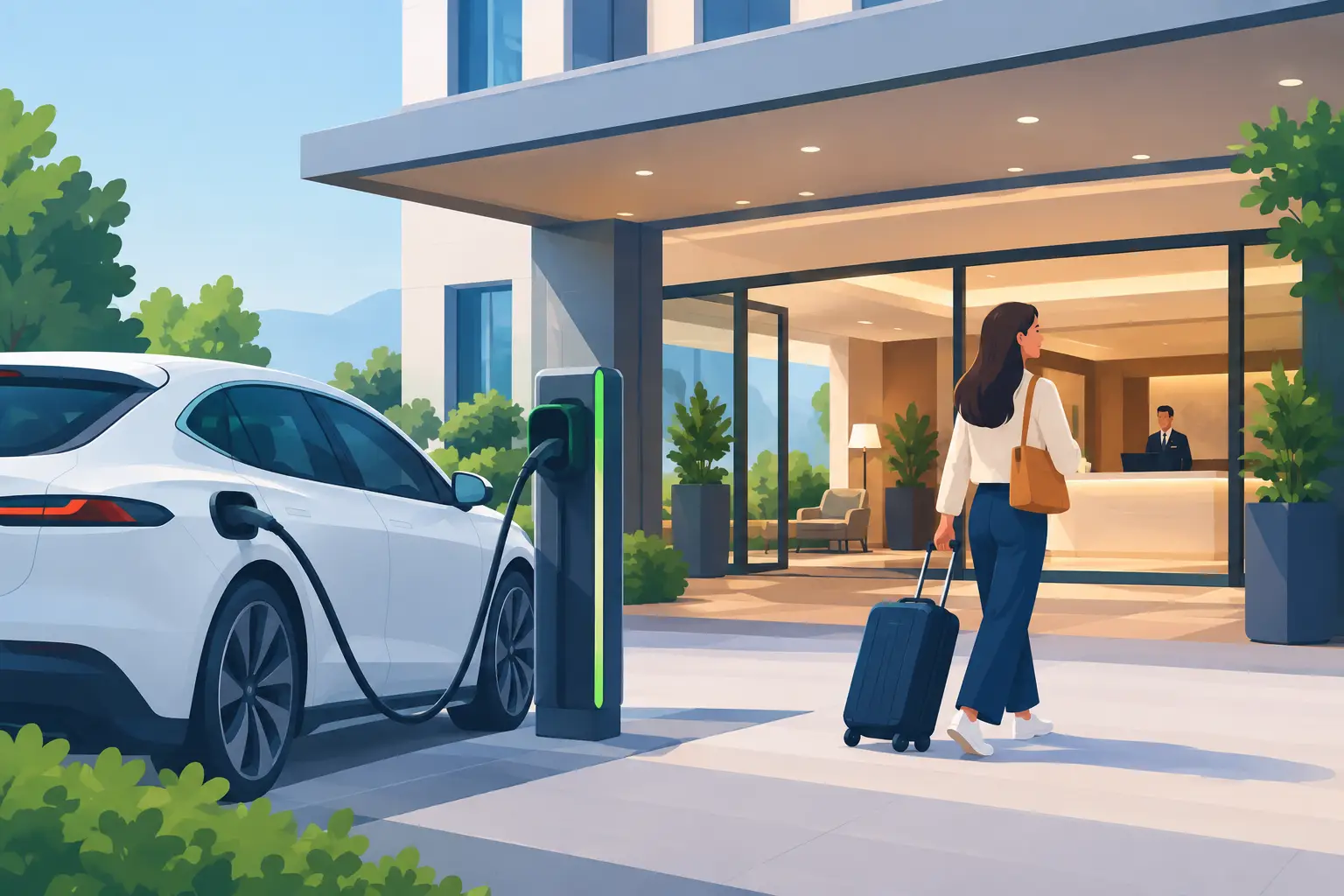
Hotel charging gives guests a secure place to power phones and laptops, extend their stay, and create new hospitality revenue opportunities on site daily.
How to Add Phone Charging to Your Business
Sep 15, 2026
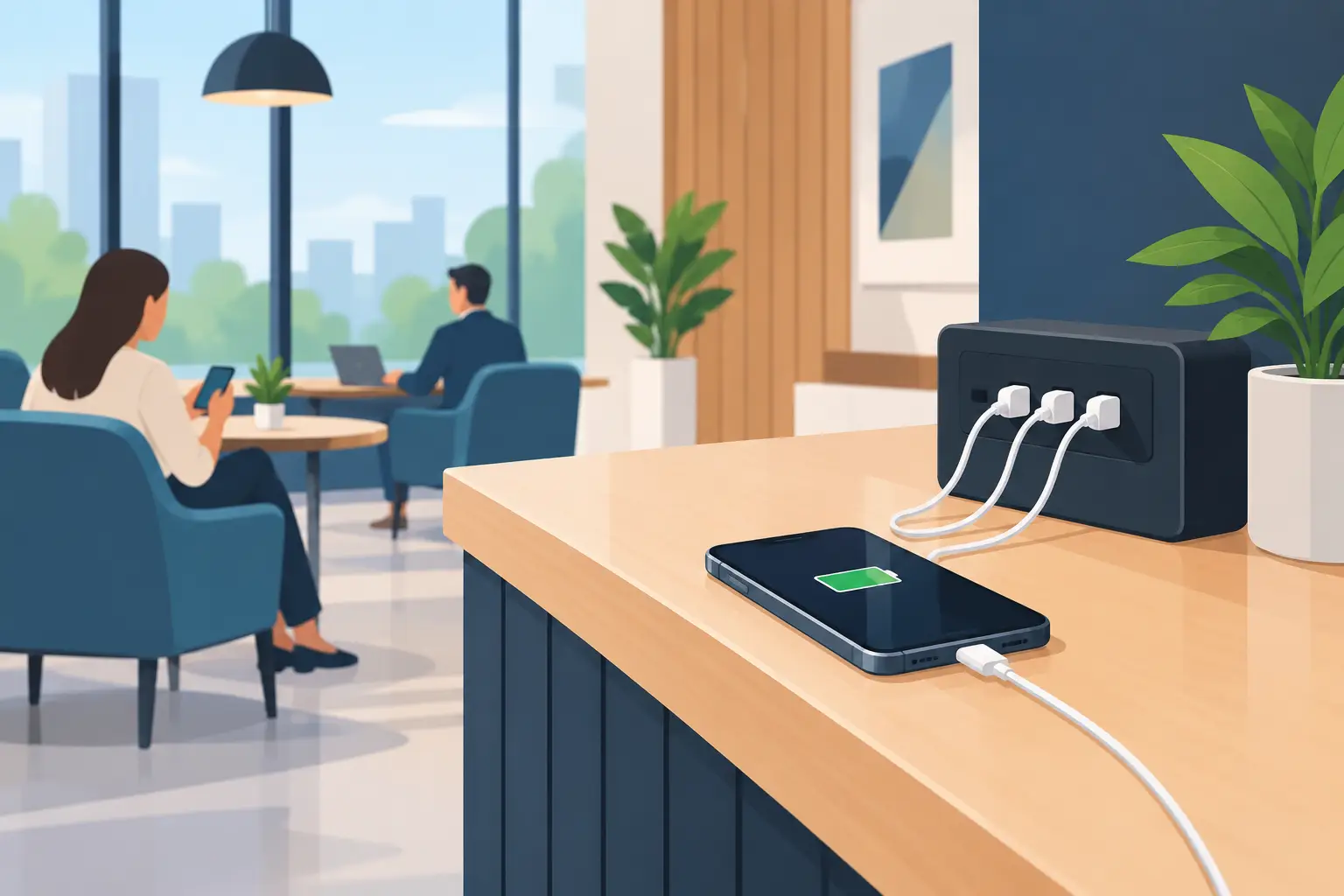
Learn how to add phone charging to your business with secure, scalable stations that improve guest experience, dwell time, and revenue potential daily.
Best Secure Tablet Storage for Shared Devices
Sep 13, 2026
Find the best secure tablet storage for shared devices, events, offices, and public spaces with charging, access control, and room to scale confidently.

Power Bank Docking Review for Busy Venues
Sep 11, 2026
Use this power bank docking review to compare charging speed, security, payment options, branding, and operating costs before committing to deployment.

Charging Locker Procurement That Pays Off
Sep 09, 2026
Make charging locker procurement simpler with a practical plan for capacity, security, payment options, deployment, and long-term operating daily value.
Phone Charging Station Leasing for Businesses
Sep 08, 2026
Phone charging station leasing gives businesses a flexible way to add secure, branded charging while protecting cash flow and creating new revenue streams

Multi Device Charging Cabinets for Busy Venues
Sep 06, 2026
Multi device charging cabinets give visitors secure power, help staff manage shared devices, and create a practical amenity or revenue stream for venues.
How to Rent Charging Stations for Your Event
Sep 04, 2026
Learn how to rent charging stations for events, offices, and venues, from choosing secure formats to planning power, branding, delivery, and ROI needs.
Best Phone Charging for Hotels and Their Guests
Sep 02, 2026
Find the best phone charging for hotels with secure, guest-ready options that improve stays, support staff, and create new revenue opportunities on property.
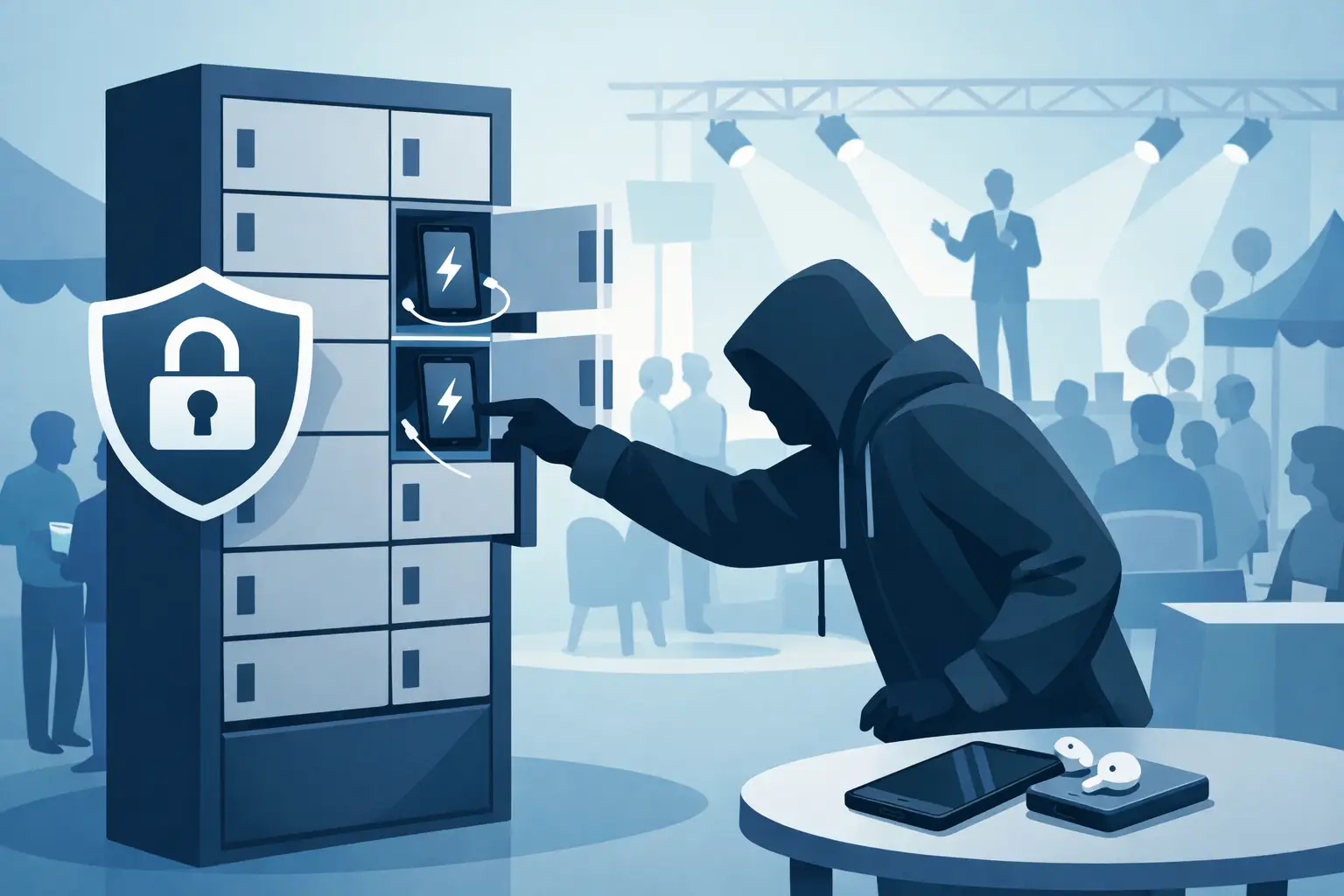
Do Charging Lockers Prevent Theft at Events?
Aug 31, 2026
Do charging lockers prevent theft? Learn how lockable charging stations protect devices, reduce staff burden, and improve visitor confidence on site daily.
The Future of Public Charging Is Built for Dwell Time
Aug 29, 2026
The future of public charging will reward venues that pair fast, secure power with payment flexibility, strong uptime, and better visitor experiences.
How to Deploy Phone Charging Furniture Well
Aug 27, 2026
Learn how to deploy phone charging furniture in high-traffic spaces, from selecting locations and power to security, branding, pricing, and daily upkeep.

Can Charging Lockers Fit Laptops? What to Check
Aug 25, 2026
Can charging lockers fit laptops? Learn which locker dimensions, outlets, cables, and power limits support secure laptop charging at work and events today.
How to Lease Charging Lockers for Your Venue
Aug 23, 2026
Learn how to lease charging lockers with the right term, payment model, security features, and deployment plan for each location.
Best Charging Kiosks for Retail Stores Compared
Aug 21, 2026
Compare the best charging kiosks for retail to increase dwell time, protect customer devices, support modern USB-C needs, and create new revenue safely.
Can Charging Stations Charge Laptops Safely?
Aug 19, 2026
Can charging stations charge laptops? Learn which ports, wattages, and safety features businesses need to provide laptop power for visitors and staff.
Emergency Phone Charger Kiosk for Busy Venues
Aug 17, 2026
An emergency phone charger kiosk keeps guests connected, extends dwell time, and can turn charging access into a secure revenue opportunity for your venue today.
Fleet Device Charging Management That Works
Aug 15, 2026
Fleet device charging management keeps phones, tablets, and laptops ready, secure, and accounted for across every shift, site, and deployment without delays daily.
Best Event Phone Charging Rentals for Busy Venues
Aug 13, 2026
Find the best event phone charging rentals for secure, fast, branded power that keeps attendees engaged, extends dwell time, and can create event revenue.
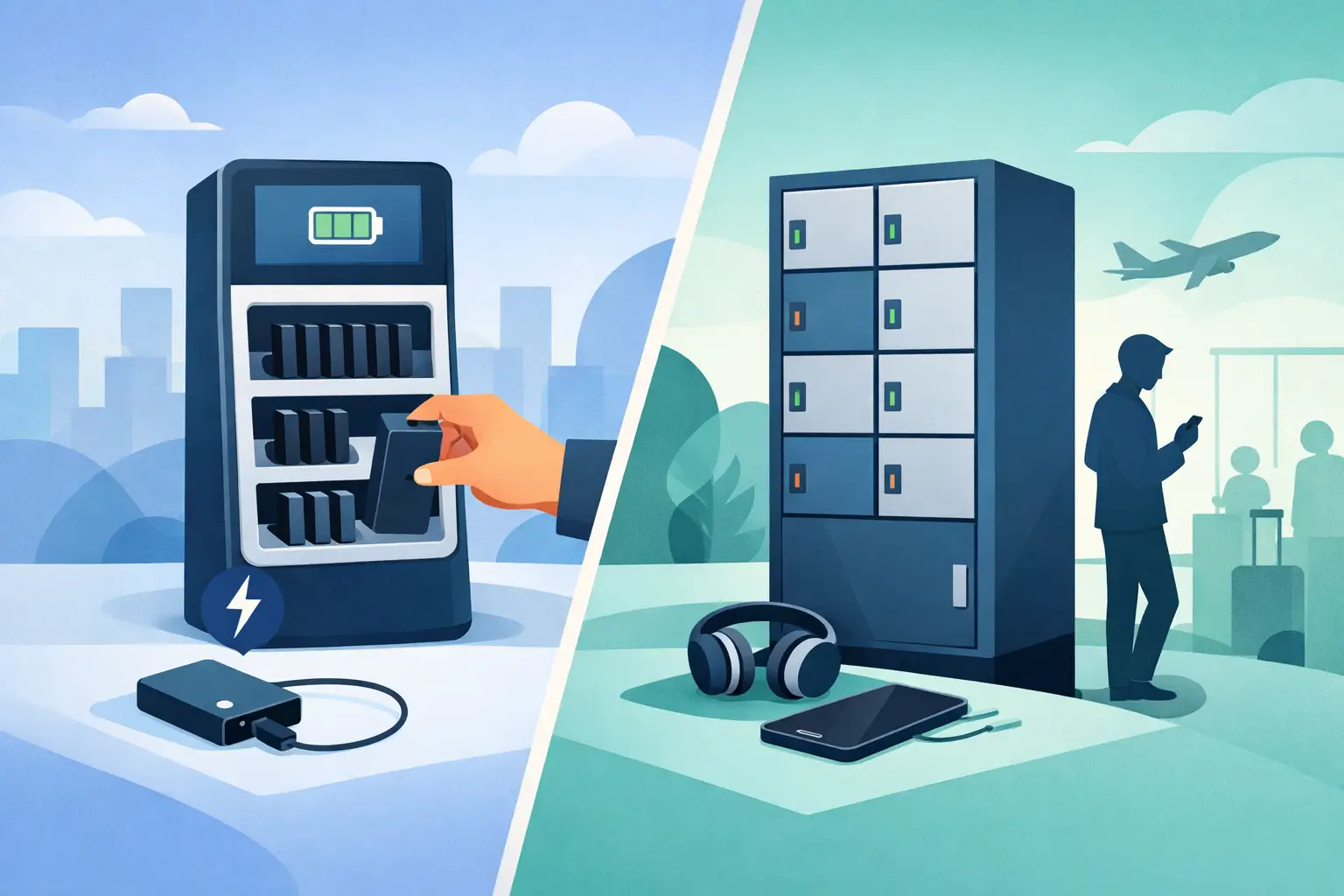
Power Bank Rental vs Lockers: Which Fits?
Aug 11, 2026
Compare power bank rental vs lockers to choose the right charging solution for your venue, event, or workplace and improve guest experience and ROI today.
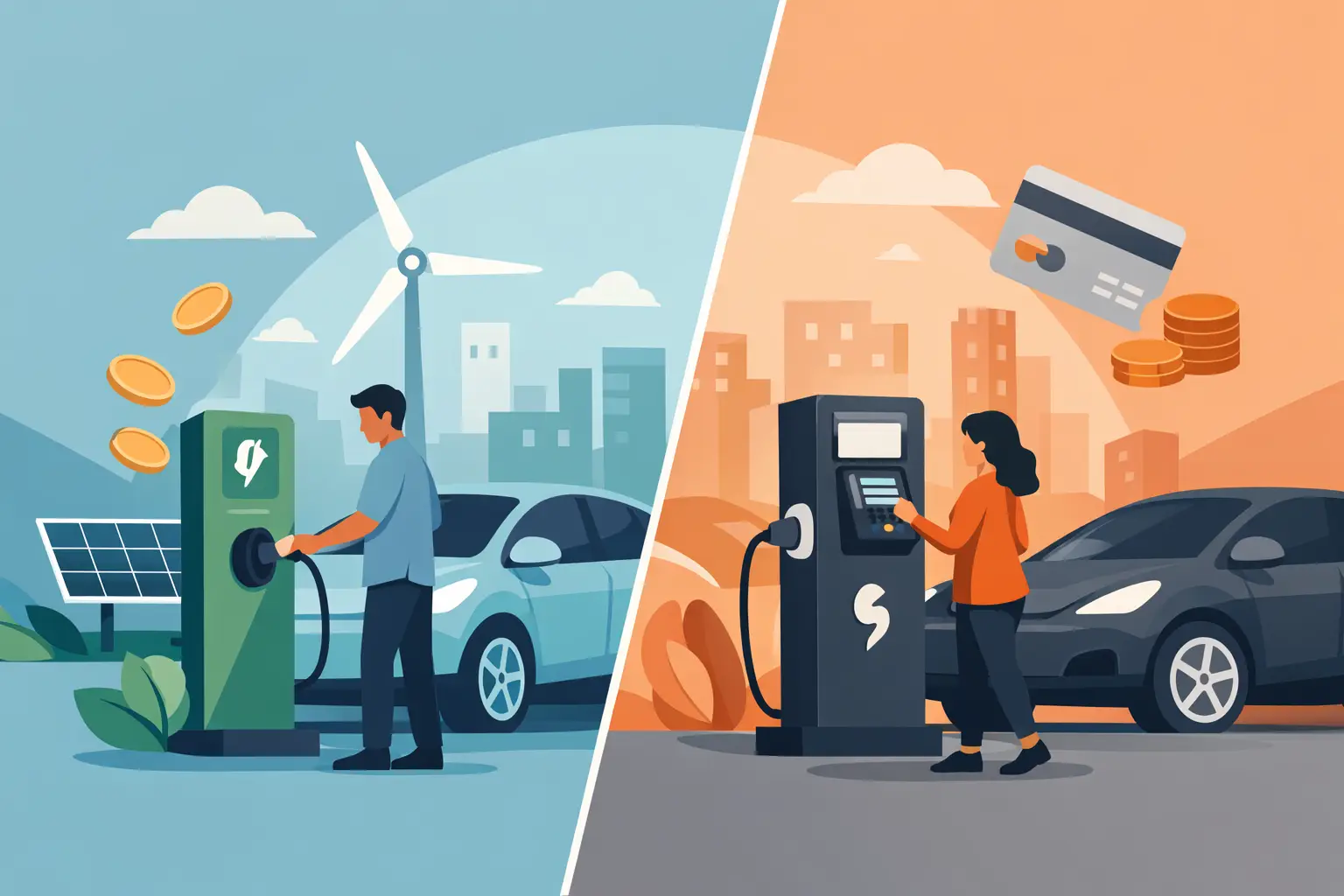
Free Charging vs Paid Charging: Which Works?
Aug 09, 2026
Free charging vs paid charging can improve visitor experience or create revenue. Learn how to choose the right model for your venue, event, or workplace.
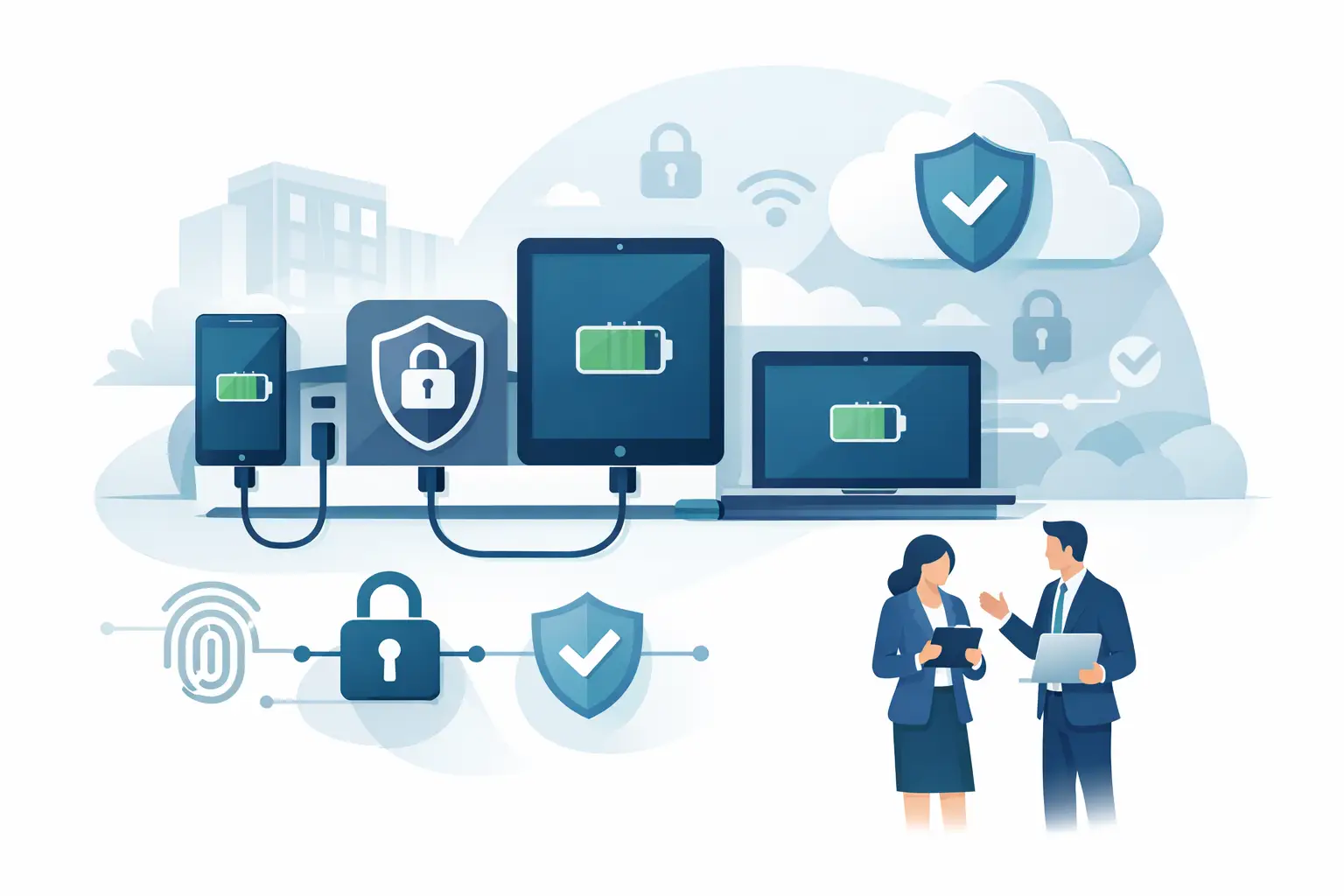
Secure Device Charging Guide for Businesses
Aug 07, 2026
Use this secure device charging guide to protect phones, tablets, and laptops while providing reliable, convenient power for every guest at your venue.
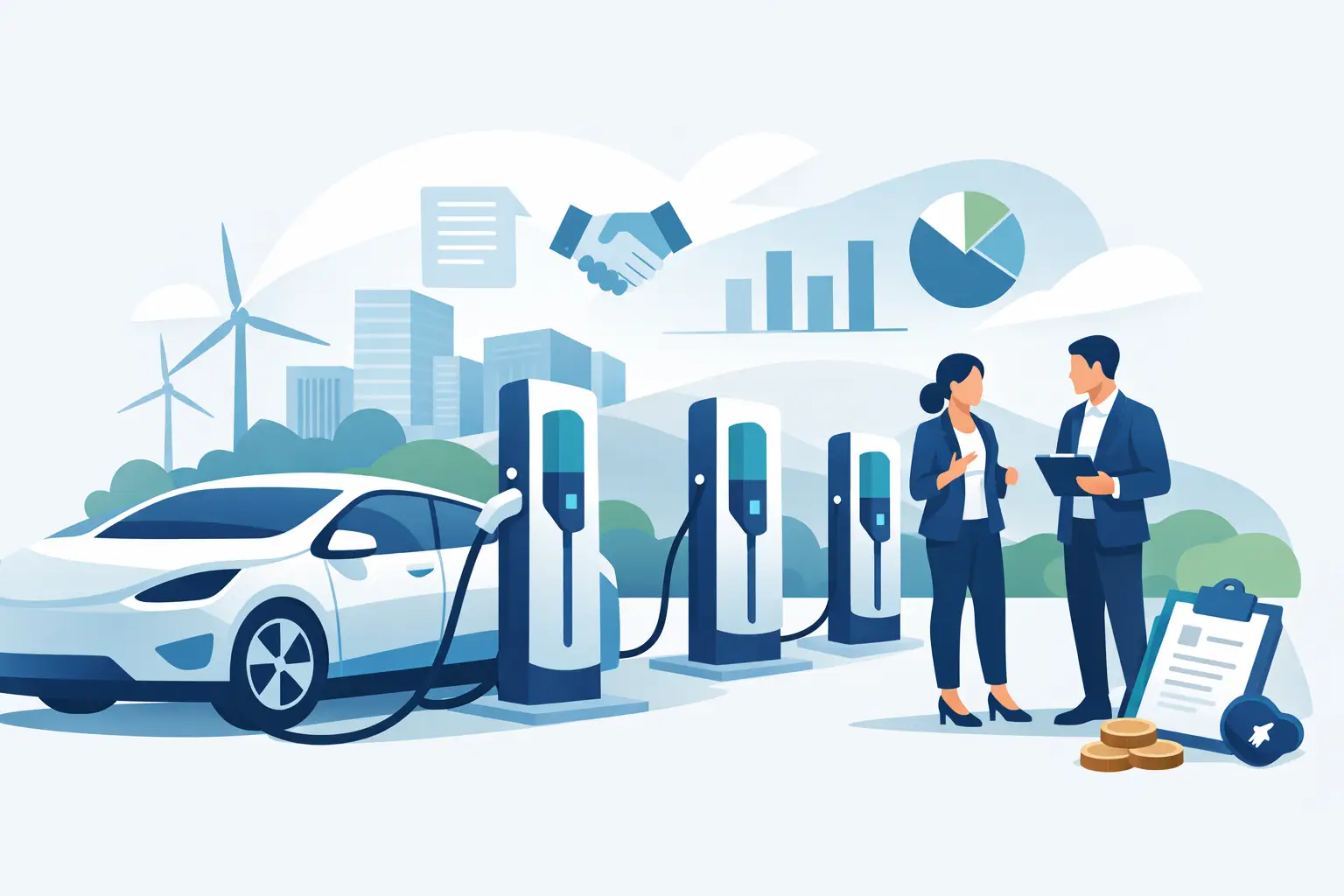
Charging Station Leasing Guide for Businesses
Aug 04, 2026
Use this charging station leasing guide to compare terms, station types, payment options, and ROI before adding secure device charging to your space today.
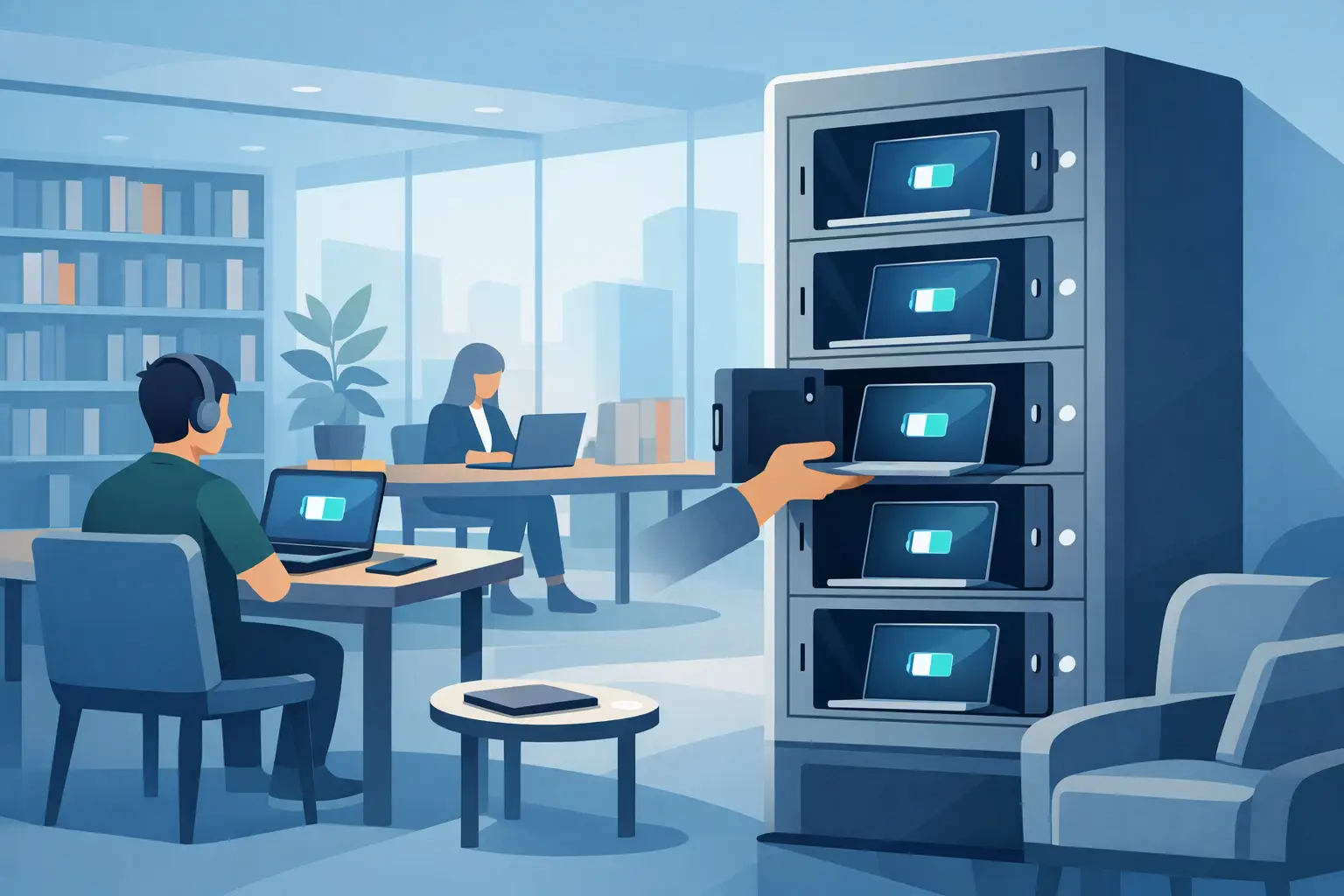
Laptop Charging Kiosk for Libraries That Works
Aug 03, 2026
Choose a laptop charging kiosk for libraries with secure storage, laptop-ready power, simple access, and a funding model that fits your space reliably.
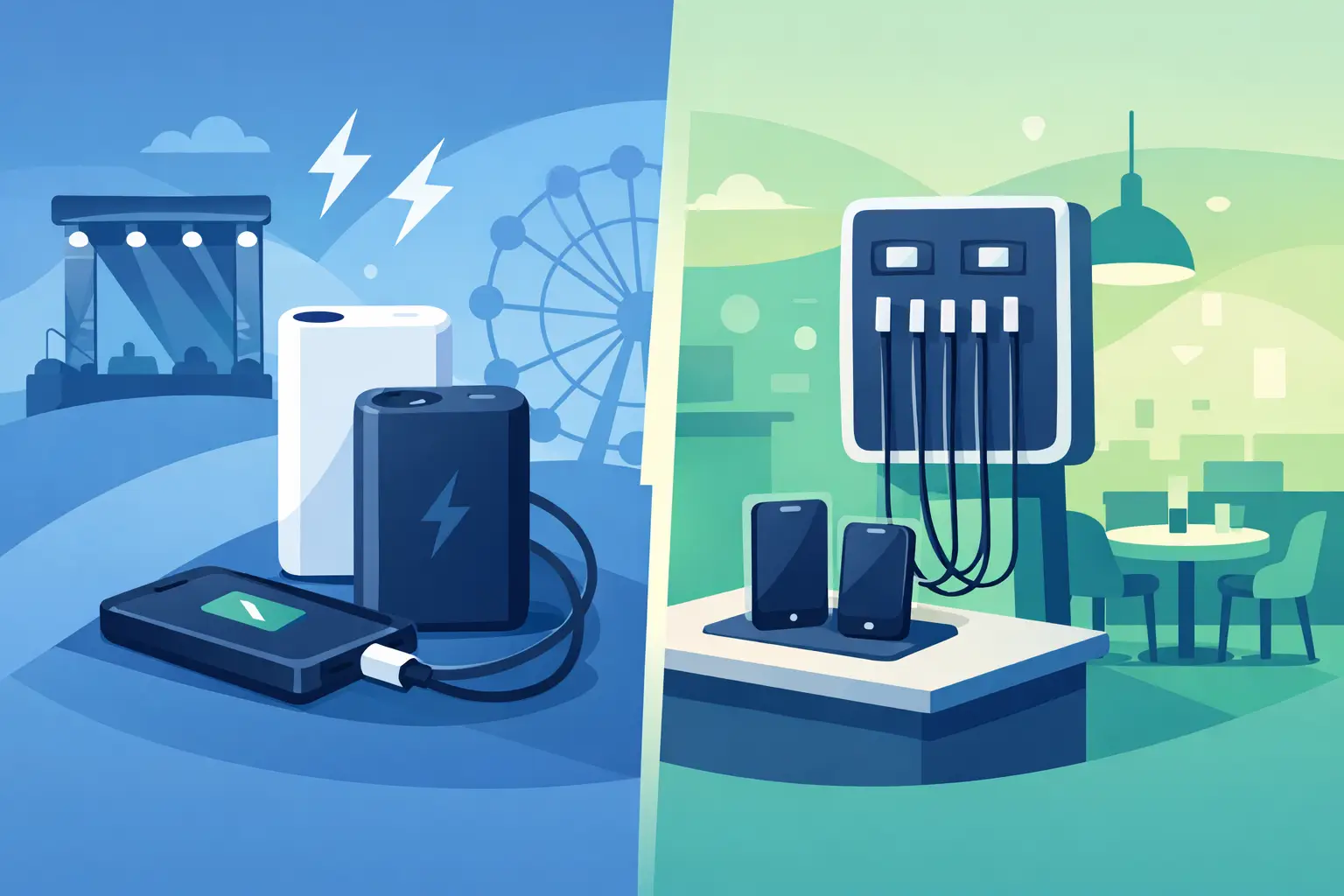
Power Banks vs Fixed Chargers for Venues
Aug 01, 2026
Compare power banks vs fixed chargers for events, venues, and workplaces. Choose secure charging that improves guest experience, uptime, and revenue onsite.
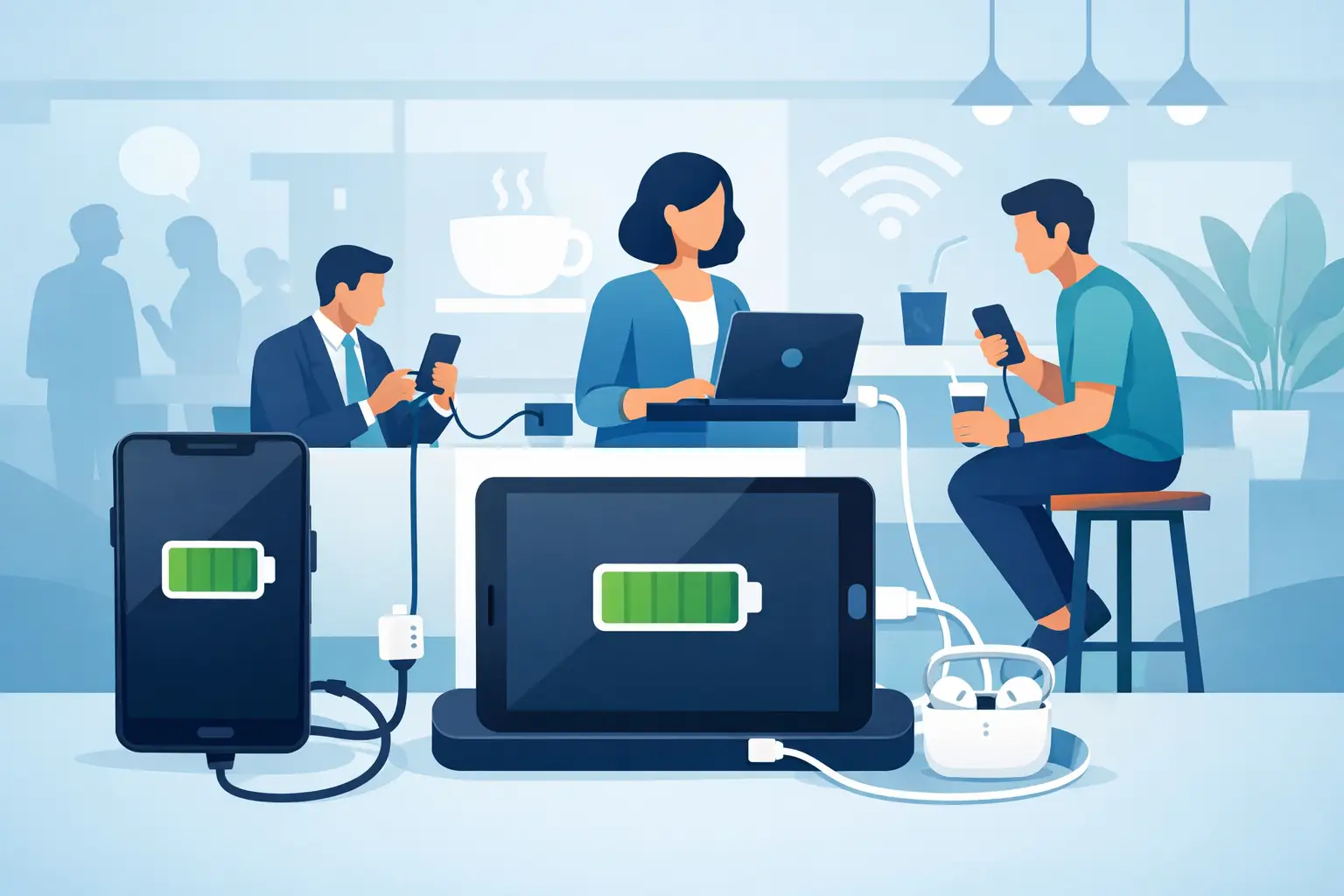
Why Offer Free Device Charging at Your Venue?
Jul 29, 2026
Why offer free device charging? Learn how it keeps visitors engaged, strengthens your brand, supports operations, and can create new revenue opportunities.
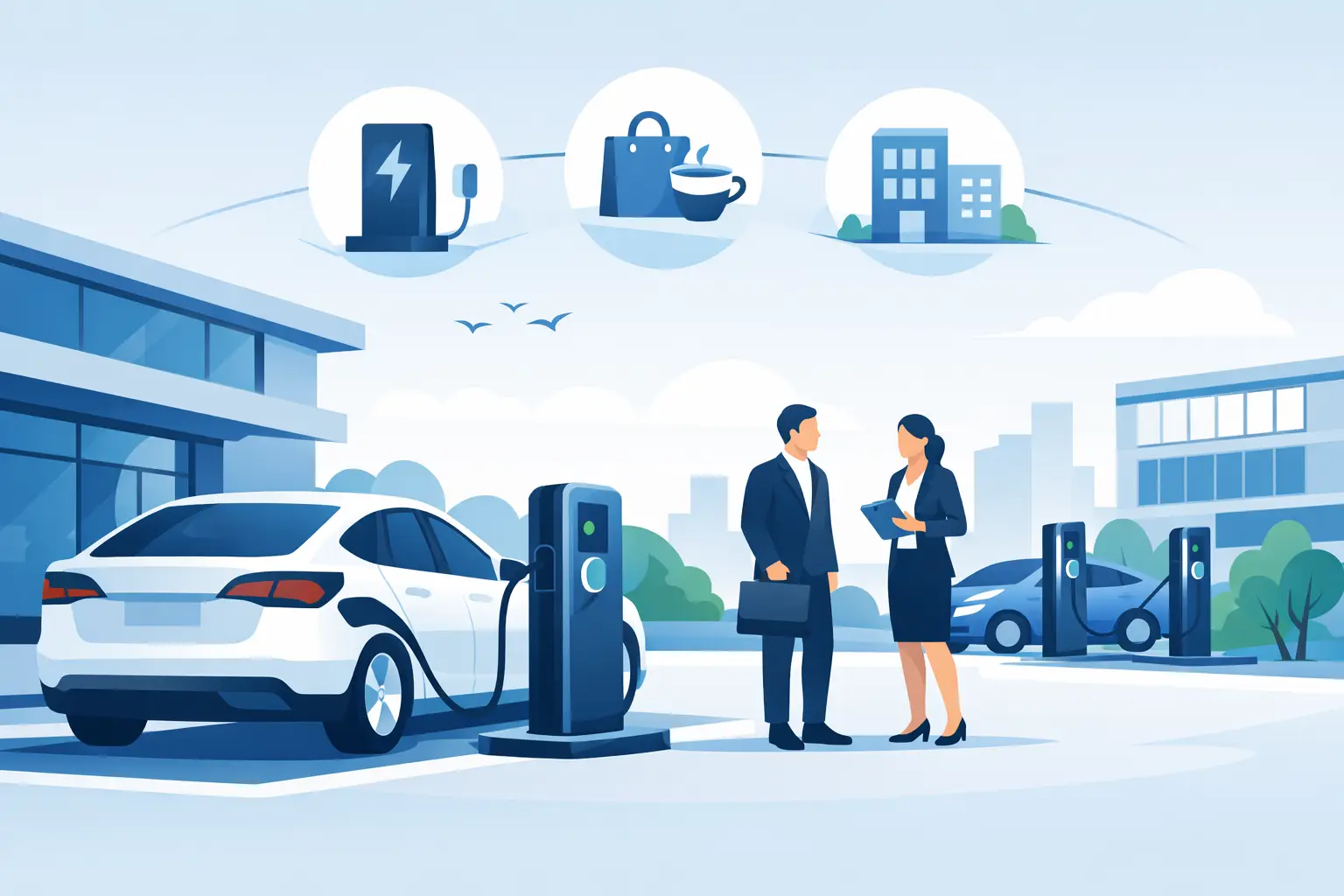
Public Charging Station Benefits for Business
Jul 27, 2026
Public charging station benefits include longer visits, happier guests, stronger brand visibility, and practical revenue options for high-traffic venues.

Phone Charging Lockers for Gyms That Members Use
Jul 26, 2026
Phone charging lockers for gyms keep members powered, valuables secure, and workouts on track while creating a valuable amenity or revenue opportunity.
Best Charging Lockers for Offices in 2026
Jul 23, 2026
Find the best charging lockers for offices with secure storage, USB-C support, smart access, and the right capacity for staff, guests, and shared devices.
Phone Charging Stations That Work Harder
Jul 21, 2026
Phone charging stations keep guests engaged, staff productive, and events moving. Learn how to choose secure, scalable options that can earn revenue too.

How to Deploy Charging Amenities That Pay Off
Jul 19, 2026
Learn how to deploy charging amenities that keep visitors powered, increase dwell time, support operations, and create revenue in any venue with clarity.
Secure Charging for Employee Devices at Work
Jul 18, 2026
Secure charging for employee devices keeps work moving while protecting phones, tablets, and laptops. Learn what a practical workplace setup needs today.
Venue Device Charging Solutions That Pay Off
Jul 16, 2026
Venue device charging solutions keep guests connected, increase dwell time, protect devices, and can create new revenue at events and public spaces daily.
Can Charging Kiosks Take Payments? Yes, Here’s How
Jul 14, 2026
Can charging kiosks take payments? See how POS-enabled charging turns low-battery demand into convenience, longer visits, and new venue revenue streams.

Custom Branded Charging Stations That Earn Attention
Jul 11, 2026
Custom branded charging stations turn low-battery stress into longer visits, stronger brand visibility, and a practical revenue opportunity for venues.
Charging Kiosks That People Actually Use
Jul 10, 2026
Charging kiosks keep guests powered, on-site, and engaged. Learn how to choose the right setup for security, revenue, and everyday use.
Charging Stations for Convention Centers
Jul 08, 2026
Charging stations for convention centers reduce attendee stress, boost dwell time, support sponsors, and create new revenue opportunities.

How to Lease Charging Kiosks Smartly
Jul 06, 2026
Learn how to lease charging kiosks with the right terms, pricing, features, and support so your venue adds convenience and potential revenue.
Visitor Amenity Charging Kiosk: What to Buy
Jul 04, 2026
A visitor amenity charging kiosk helps venues keep guests powered, engaged, and on-site while supporting security, branding, and revenue goals.
Business Charging Station Buying Guide
Jul 02, 2026
Business charging station buying guide for choosing secure, scalable charging solutions that improve guest experience and create revenue.
Contactless Payment Charging Station Benefits
Jun 30, 2026
A contactless payment charging station helps venues boost convenience, capture revenue, and keep guests engaged without adding operational friction.
How to Choose Charging Lockers for Your Space
Jun 28, 2026
Learn how to choose charging lockers for events, venues, offices, and retail spaces based on security, device mix, power needs, and ROI.

Are Public Charging Stations Safe to Use?
Jun 26, 2026
Are public charging stations safe to use? Learn the real risks, how secure charging stations work, and what businesses should provide.
Best Desktop Charging Station for Office Use
Jun 24, 2026
Find the right desktop charging station for office use with tips on safety, device mix, cable management, security, and long-term value.
Leasing vs Buying Charging Stations
Jun 22, 2026
Leasing vs buying charging stations comes down to budget, flexibility, and ROI. Learn which model fits events, venues, offices, and retail.
Charging Lockers vs Kiosks: What Fits Best?
Jun 20, 2026
Charging lockers vs kiosks: compare security, throughput, revenue, and fit by venue so you can choose the right charging setup for your space.

Charging Locker ROI Calculator Guide
Jun 17, 2026
Use a charging locker ROI calculator to estimate payback, revenue, and visitor impact. Learn which costs, assumptions, and metrics matter most.

How to Monetize Charging Kiosks
Jun 16, 2026
Learn how to monetize charging kiosks with the right pricing, placement, sponsorships, and formats to turn charging access into revenue.
What Is Juice Jacking Protection?
Jun 13, 2026
What is juice jacking protection? Learn how it blocks data theft through USB ports and why businesses should offer safer public charging access.
USB C Charging Trends Businesses Should Track
Jun 12, 2026
USB C charging trends are reshaping public, workplace, and event charging. See what matters for compatibility, speed, safety, and ROI.
USB C Charging Station Commercial Guide
Jun 09, 2026
A practical look at usb c charging station commercial options, including use cases, power, security, placement, pricing, and ROI for busy venues.
Charging Table for Waiting Room Buyers
Jun 08, 2026
A charging table for waiting room spaces keeps guests powered, improves dwell time, and adds convenience without adding operational friction.

What a Custom Charging Kiosk Wrap Should Do
Jun 07, 2026
A custom charging kiosk wrap should attract attention, fit the venue, and support ROI. Learn what to include and what to avoid.
Branded Charging Station for Events That Works
Jun 06, 2026
A branded charging station for events keeps guests powered, boosts dwell time, supports sponsors, and adds measurable value to the event floor.
Conference Charging Locker Rental That Works
Jun 05, 2026
Conference charging locker rental keeps attendees powered, secure, and engaged while creating smoother events, stronger sponsor value, and revenue.
Trade Show Phone Charging Station Guide
Jun 04, 2026
A trade show phone charging station can boost booth traffic, dwell time, and leads while reducing attendee battery stress and improving event ROI.
Event Charging Station Rental That Works
Jun 03, 2026
Event charging station rental keeps guests powered, engaged, and on site longer. Learn what to rent, what to ask, and how to avoid event-day issues.

Free Phone Charging Station Retail ROI
Jun 02, 2026
See how free phone charging station retail setups increase dwell time, improve customer experience, and support smarter in-store traffic flow.
Charging Kiosk With Payment System: Worth It?
Jun 01, 2026
A charging kiosk with payment system can add revenue, improve guest experience, and extend dwell time. Here's how to choose the right setup.
Pay Per Use Charging Station ROI Explained
May 31, 2026
Learn how a pay per use charging station creates revenue, improves visitor experience, and fits retail, events, offices, and public venues.
Power Bank Rental Station Buyer’s Guide
May 30, 2026
A power bank rental station helps venues keep guests charged, boost dwell time, and create revenue with flexible, low-friction charging access.
Choosing a Laptop Charging Locker Cabinet
May 29, 2026
Learn how to choose a laptop charging locker cabinet for offices, schools, events, and venues with the right mix of security, power, and ROI.
Tablet Charging Locker for Schools: What Matters
May 28, 2026
A tablet charging locker for schools improves device security, charging access, and classroom readiness. Here’s what buyers should evaluate.
Secure Phone Charging Locker Buying Guide
May 27, 2026
Choose a secure phone charging locker that protects devices, improves guest experience, and fits your space, budget, and usage model.

Phone Charging Station for Business ROI
May 26, 2026
A phone charging station for business can boost dwell time, improve customer experience, and create revenue when matched to the right space.
How to make your phone battery last longer
Mar 20, 2025
It’s no secret that some smartphones have more powerful and longer lasting batteries than others. However, no matter how powerful the battery or how energy efficient your phone is, there are a number of apps and settings that will drain your battery faster. Identifying these apps and settings will help you keep usage to a […]

Phone Batteries – The Best and The Worst
Mar 29, 2017
When buying a new smartphone, there are a number of factors you will consider. From the brand and price, to the operating system, and other features like the camera. No matter what kind of phone you choose or the reason behind your purchase, one thing is for sure – you want the battery to last […]
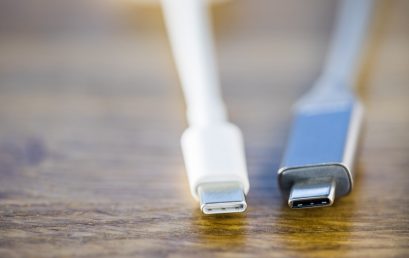
What is USB-C and why is it important?
Mar 15, 2017
By now, you may have heard people talking about USB type C or perhaps you have even tried it out yourself. Either way, many experts agree that this is the future of USB ports and cables. What many people may not realize is that this particular type of connection is significantly different from older types […]