University Charging Options Students Will Use

A dead phone can stop a student from pulling up a course schedule, using a mobile ID, accessing a digital textbook, or finding the next building before class starts. That is why university charging options are no longer a minor campus amenity. They are practical infrastructure for a student body that depends on phones, tablets, and laptops from the first class of the day through late-night study sessions.
For facilities teams, student affairs leaders, IT departments, and campus event planners, the question is not whether students need charging. The question is where it should be available, how it should be secured, and whether the program should be a free service, a paid amenity, or a mix of both.
Why campus charging affects the student experience
Students increasingly use personal devices as their daily campus toolkit. A phone may hold a transit pass, residence hall credential, dining account, class communications, and two-factor authentication. A laptop is often required for assignments, labs, research, and hybrid instruction. When batteries run low, students may leave a study area early, miss messages, or occupy outlets in hallways and common spaces for hours.
Visible charging access reduces that friction. It gives students a reason to stay in a library, student union, recreation center, or career fair rather than heading back to a dorm room. For campuses trying to improve engagement and make common areas feel more useful, that additional dwell time matters.
Charging also supports visitors. Prospective students touring campus, parents attending orientation, alumni returning for events, and guest speakers all arrive with phones they need to keep active. A reliable charging station is a small convenience with an outsized effect on how prepared and welcoming a campus feels.
The main university charging options
There is no single best format for every building. The right choice depends on traffic volume, length of stay, supervision, available floor space, and the types of devices people carry. Most campuses benefit from combining several formats rather than attempting to solve every need with wall outlets.
Secure charging lockers for longer stays
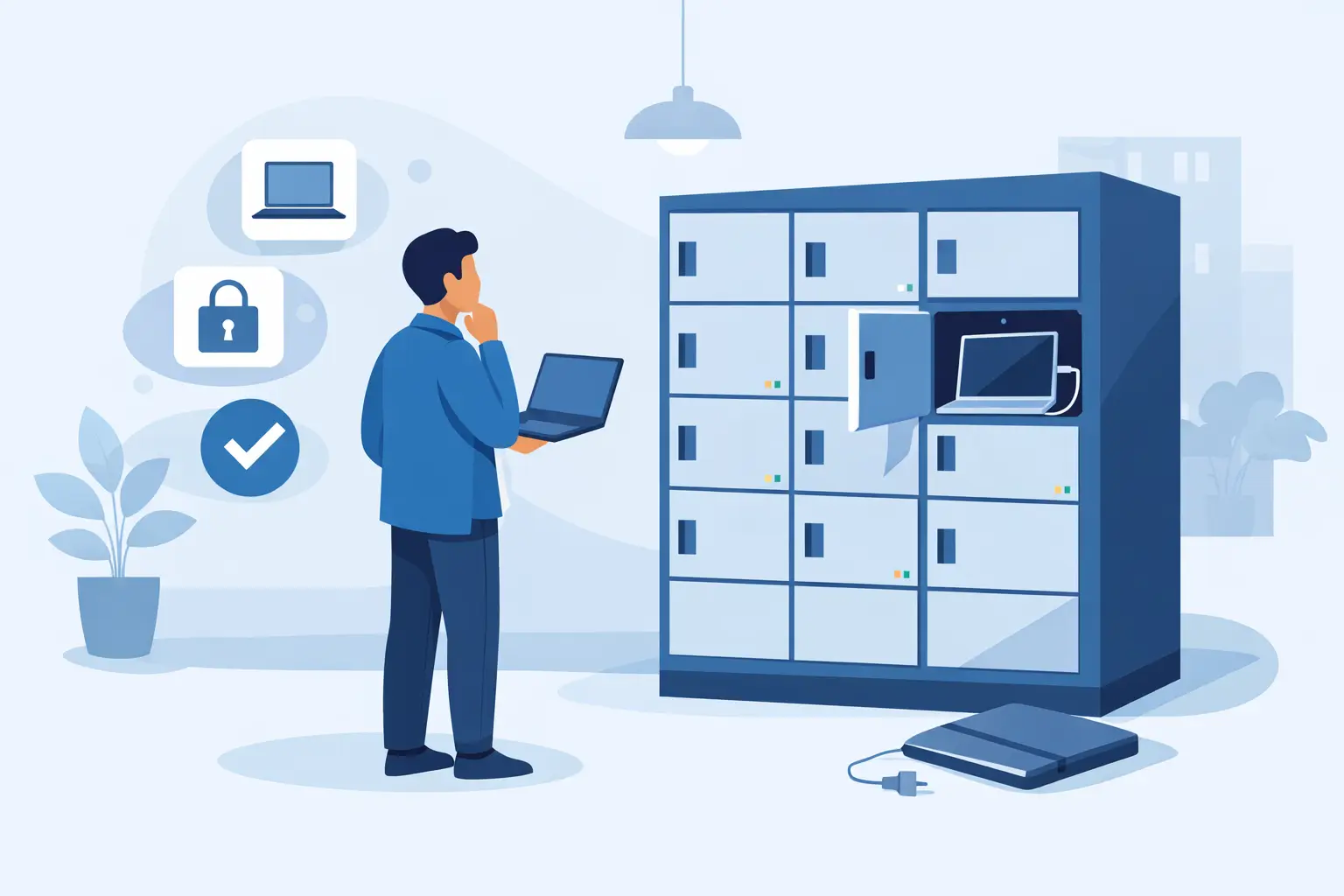
Charging lockers are a strong fit for libraries, student unions, recreation centers, dining halls, and residence hall common areas. Students can lock away a phone, tablet, or laptop while they attend a class, work out, eat, or study nearby.
Security is the main advantage. Open charging counters invite users to remain near their devices, while lockable compartments let them move freely. For the institution, that can reduce complaints about unattended electronics and eliminate the clutter of personal charging cords spread across tables and floors.
Locker specifications matter. A campus should look for compartments sized for modern phones and larger laptops, durable lock systems, protected charging hardware, and support for USB-C. If students cannot charge the devices they actually carry, usage will fall quickly.
Power bank rental stations for mobility
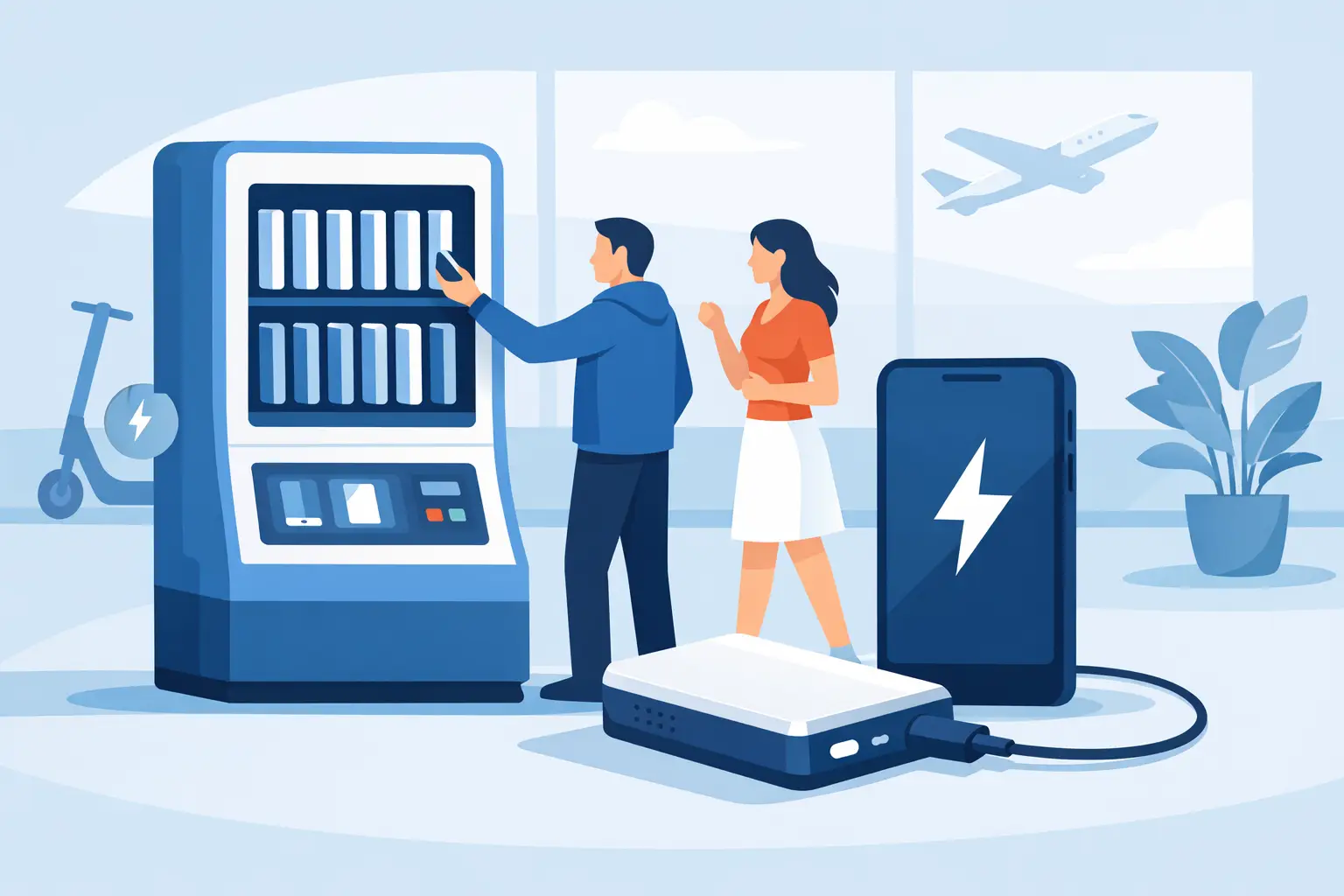
Power bank rental stations work best where people need to keep moving. Think large campuses, outdoor quads, athletic venues, admissions events, festivals, and commencement. Instead of waiting beside an outlet, a student can rent a charged battery, continue using their phone, and return it later.
This format is particularly valuable during high-traffic events. Guests may be navigating unfamiliar spaces, taking photos, using digital tickets, coordinating with family, and relying on maps all day. Mobile power keeps them connected without forcing event staff to manage loose chargers or extension cords.
A rental model can also create a practical revenue opportunity. Campuses can offer an initial free period, charge after a defined time, or use a paid model during major events. The best approach depends on whether the primary goal is student service, cost recovery, or event monetization.
Charging kiosks for high-visibility common areas
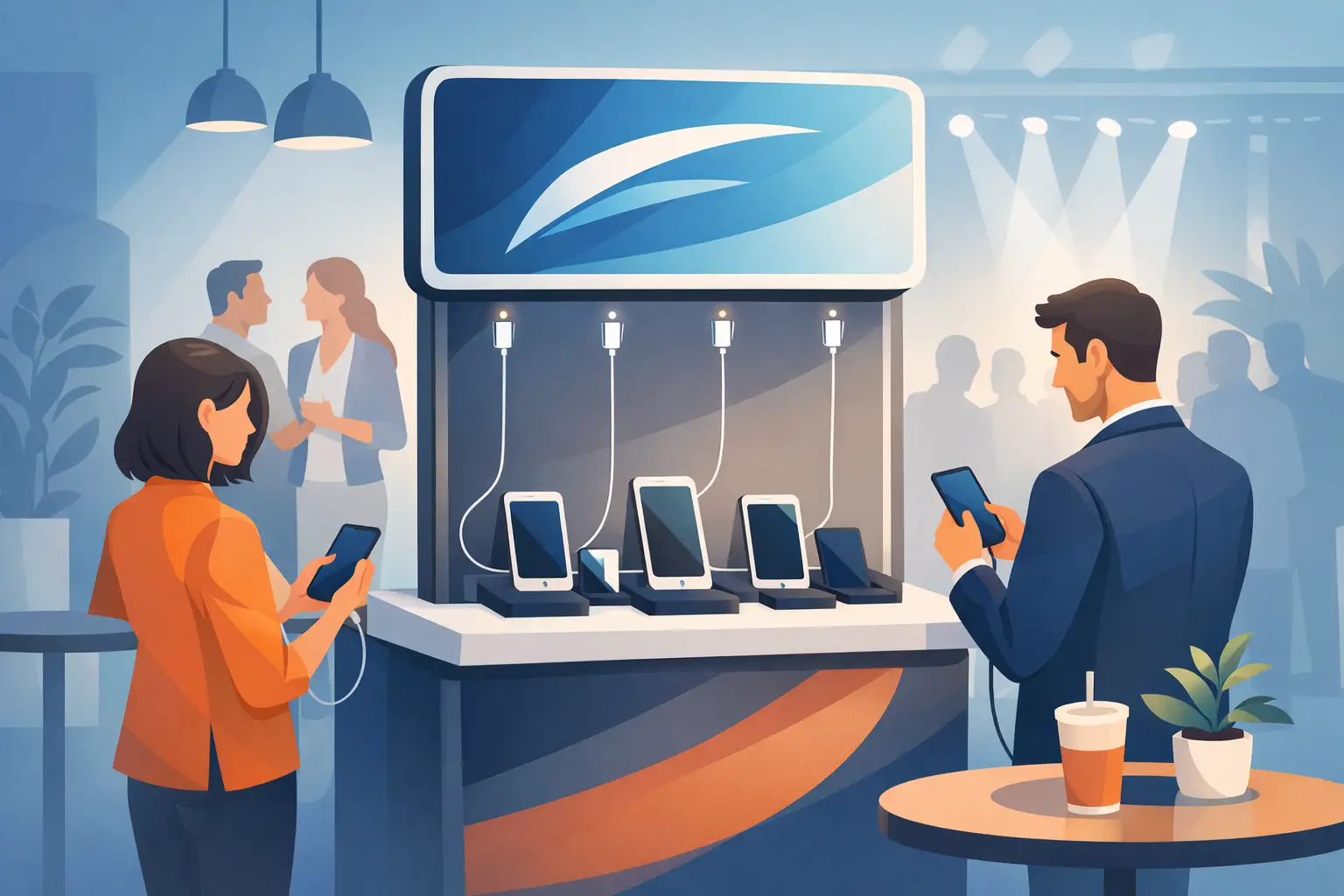
Freestanding charging kiosks place the service where students already gather. They are well suited to student centers, food courts, transit hubs, lobbies, waiting areas, and event entrances. A kiosk can offer secured phone charging, device shelving, power bank access, or a combination of features depending on the model.
Their visibility makes kiosks useful beyond the power itself. They can reinforce campus branding, promote student services, feature sponsor recognition, or direct people to event information. For a university that wants a charging installation to do more than sit quietly against a wall, a branded kiosk creates a clear focal point.
The trade-off is footprint. A kiosk needs a location with enough traffic to justify it, but it cannot obstruct circulation or create congestion. Before ordering, map pedestrian flow and consider where users will stand while they access the station.
Desktop chargers, tables, and benches for study spaces
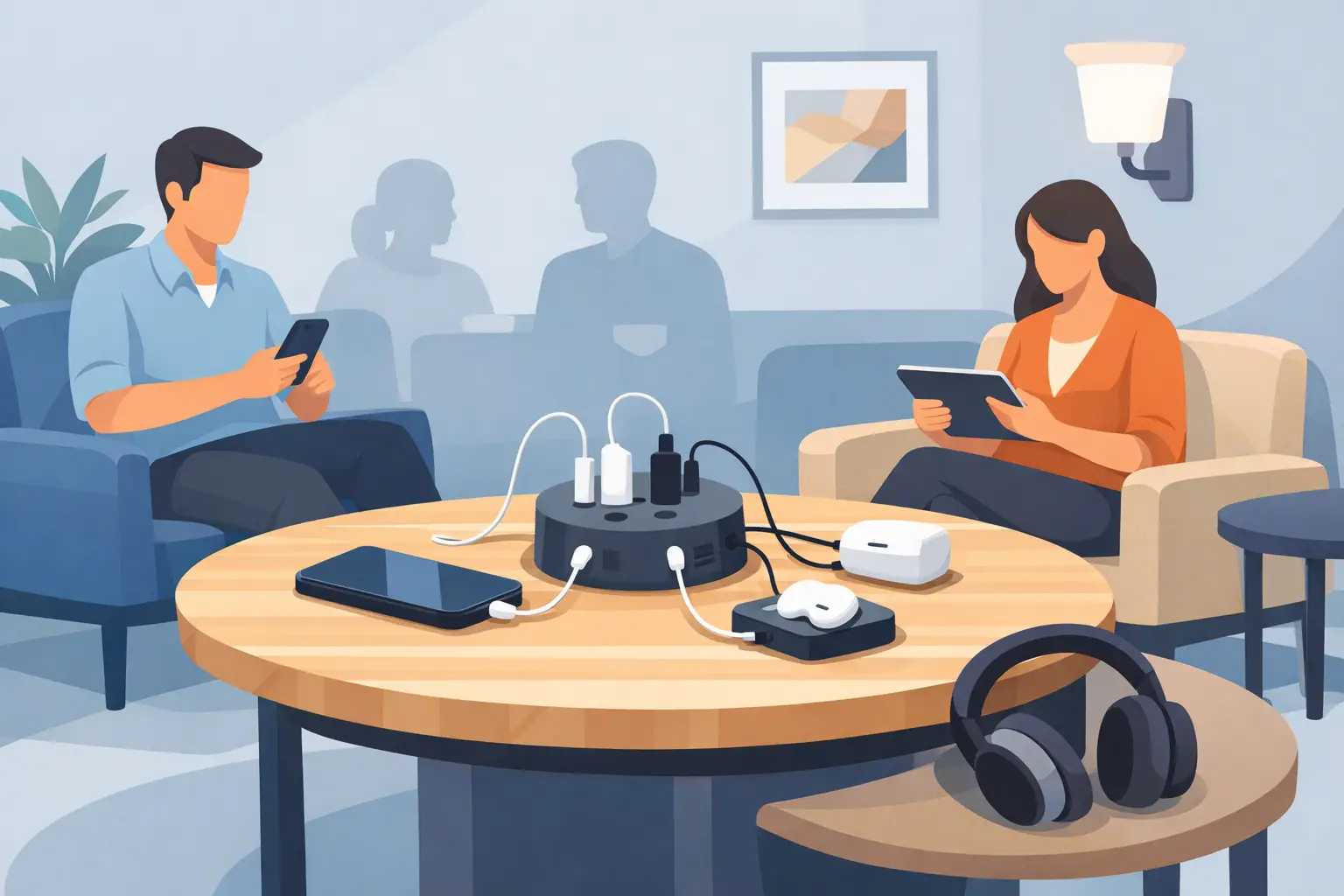
For students who plan to sit and work, integrated charging furniture is often the most natural choice. Desktop charging hubs can serve tables in libraries, lounges, computer labs, and collaboration rooms. Charging tables and benches add accessible power to seating areas without turning every wall outlet into a gathering point.
This option works especially well when charging is part of a broader furniture refresh. Rather than treating power as an afterthought, the campus can build it into the spaces where students already read, meet, and complete assignments.
Furniture-based charging is not a substitute for secure storage. A student still needs to remain near an open USB port or outlet. But for supervised spaces with longer visits, it is convenient, low-friction, and easy to understand.
Emergency chargers for targeted support
Not every need requires a large installation. Emergency charging solutions can help residence life teams, campus safety offices, health centers, technology help desks, and student services staff assist someone whose phone has run out of power at the wrong time.
A small emergency inventory is useful during move-in, severe weather, late-night transportation disruptions, or other situations where communication is critical. These programs work best when responsibility for check-out, return, and inventory is clear. Otherwise, the devices tend to disappear just when they are needed most.
Match the charging format to the campus location
A library has different needs than a stadium concourse. The library benefits from lockers for students who need to leave devices securely while retrieving books or moving between study zones, along with desktop chargers for seated work. A recreation center may prioritize lockers because students do not want to carry phones around during a workout.
Student unions usually need the broadest mix. They have dining, meetings, events, lounging, and high daily foot traffic. Charging furniture can support casual seating, while a secure kiosk or locker bank serves students who need to step away.
For career fairs, orientation, conferences, and commencement, portability and throughput matter more than permanent furniture. Event rental units or power bank stations can handle temporary demand without requiring the university to purchase equipment sized for a few peak dates each year.
Residence halls require a different level of caution. Students already have access to outlets in their rooms, so shared charging should address specific gaps such as front desks, study lounges, laundry rooms, and community spaces. Equipment should be commercial-grade, easy to supervise, and designed to keep cables controlled.
Plan for security, compatibility, and operations
A charging program succeeds when it is easy to use and easy to maintain. Start with the devices your campus population carries. USB-C is essential for many current phones, tablets, and laptops, but legacy connections may still matter depending on the audience. Laptop charging requires more power than phone charging, so confirm that the selected equipment supports the intended use rather than assuming every port can handle every device.
Security is equally important. Lockable charging compartments protect student property and allow users to continue with their day. In open-access environments, avoid designs that rely on exposed cables or encourage users to leave devices unattended. Charging protection and quality power management help safeguard both devices and the institution’s reputation.
Operations should be defined before installation. Identify who will inspect equipment, clean compartments, respond to lock issues, track rental inventory, and handle payment questions. A single facilities contact may be enough for a small deployment, while a large multi-building program may need IT, auxiliary services, and student affairs working together.
Free charging, paid charging, or both?
Free-use charging is often the right choice for libraries, academic support spaces, wellness centers, and areas where the campus wants to demonstrate a clear student-service benefit. It removes barriers and encourages frequent use.
Pay-per-use charging can make sense in premium venues, visitor-heavy areas, athletic events, and large conferences. POS-enabled equipment can help recover operating costs or generate revenue while still delivering a needed amenity. Some campuses use a hybrid approach: free desktop charging in daily-use study areas, with paid power bank rental during high-demand events.
The key is transparency. Students and visitors should know whether a service is free, how long a free session lasts, what a rental costs, and how returns work. Confusing payment rules create frustration that outweighs the convenience of the charger itself.
Build a program that can grow
A pilot is often smarter than a campus-wide rollout. Start with one or two locations where low-battery stress is visible and traffic is consistent. Track usage, peak times, service requests, and the types of devices being charged. That information will show whether the next investment should be more lockers, additional furniture-based ports, or a mobile power solution.
ChargeBar can support campuses with charging lockers, kiosks, power bank stations, charging furniture, and flexible purchase, lease, financing, or event rental options. The most effective deployment is one that fits the space, the budget, and the campus’s service goals rather than forcing every location into the same model.
Students may not remember the exact charging station they used between classes. They will remember being able to access a boarding pass, finish an assignment, call for a ride, or stay connected when they needed to. That is the standard a campus charging program should meet.
Related posts
University Charging Options Students Will Use
Nov 08, 2026
University charging options keep students connected, protect devices, reduce support needs, and can create practical campus revenue in busy spaces daily.
Rental Versus Purchase Charging: Which Fits?
Nov 06, 2026
Compare rental versus purchase charging for events, venues, and workplaces. Choose a secure, scalable model for demand, budget, revenue, and growth ahead.
How to Charge Customers for Phone Charging
Nov 05, 2026
Learn how to charge customers for phone charging with practical pricing, payment, placement, and service strategies that turn power into revenue reliably.
Power Bank Sharing Trends Businesses Can Use
Nov 02, 2026
Power bank sharing trends are reshaping venue charging. See what operators need to know about convenience, security, payments, and deployment options.
USB-C Migration Trends Businesses Need to Plan For
Oct 31, 2026
USB-C migration trends are changing public charging. See what businesses should upgrade to support phones, tablets, laptops, safety, and revenue growth.
Event Charging Sponsorship Guide for Better ROI
Oct 29, 2026
Use this event charging sponsorship guide to build sponsor value, select the right charging setup, measure results, and improve attendee experience now.
Charging Station Financing Options for Business
Oct 28, 2026
Compare charging station financing options for your business, from purchase and leasing to rentals and revenue-share models that fit your rollout goals.

Charging Furniture That Keeps Visitors Longer
Oct 25, 2026
Charging furniture gives visitors a place to power up, stay longer, and keep moving. Learn how to choose secure, profitable options for your space with confidence.

Kiosk Revenue Case Study That Can Pay Off
Oct 23, 2026
A kiosk revenue case study for venue operators: learn how pricing, foot traffic, payment flow, and placement shape charging station returns over time.
How to Lease Charging Equipment for Your Venue
Oct 21, 2026
Learn how to lease charging equipment that fits your venue, protects devices, supports modern USB-C needs, and can create a new revenue stream for guests.
How to Prevent Cable Theft at Charging Stations
Oct 19, 2026
Learn how to prevent cable theft at public and workplace charging stations with better hardware, placement, inspections, and simple operating policies.
Charging Station Durability That Holds Up
Oct 17, 2026
Charging station durability protects uptime, visitor trust, and revenue. Learn what to look for in materials, cables, locks, power, and service needs.

Commercial Charging Procurement Guide for Buyers
Oct 15, 2026
Use this commercial charging procurement guide to choose secure, scalable device charging for venues, staff, and events while managing cost and ROI wisely.
Public Phone Charging Setup Guide for Venues
Oct 13, 2026
A public phone charging setup guide for venues that want safer access, longer visits, and practical revenue from reliable charging stations on site daily.
What Is Power Bank Rental for Businesses?
Oct 11, 2026
What is power bank rental? Learn how rental stations work, where they fit, and how businesses can improve guest experience and create revenue on-site.
Charging Station Sponsorship Results That Matter
Oct 09, 2026
Measure charging station sponsorship results with practical metrics for brand exposure, engagement, leads, dwell time, and revenue across live events.
How to Finance Charging Infrastructure Wisely
Oct 07, 2026
Learn how to finance charging infrastructure with purchase, lease, rental, and revenue models that fit your venue, event, budget, and growth goals today.
How to Install Charging Lockers Safely at Work
Oct 05, 2026
Learn how to install charging lockers safely with practical placement, power, security, and maintenance guidance for workplaces and public venues every.
Commercial Charging Locker Review for Buyers
Oct 03, 2026
A commercial charging locker review for buyers comparing security, charging speed, payment options, capacity, and long-term operating value at venues.

How to Manage Shared Devices Without the Chaos
Oct 01, 2026
Learn how to manage shared devices with clear ownership, secure charging, simple checkout rules, and reporting that keeps teams productive every shift.
Charging Station Maintenance That Protects Uptime
Sep 29, 2026
Charging station maintenance protects uptime, revenue, and user trust with practical inspections, cleaning, cable care, and payment system checks weekly.
Charging Locker System Review for Busy Venues
Sep 27, 2026
Read this charging locker system review to compare security, charging speed, payment options, and ROI for events, offices, retail, and venues nationwide.
Lockers Versus Powerbanks: Which Fits Your Space?
Sep 25, 2026
Lockers versus powerbanks: compare security, dwell time, staffing, revenue, and deployment needs to choose the right charging amenity for your venue today.
Public Device Charging Trends for Venues
Sep 23, 2026
Public device charging trends are reshaping venues, events, and workplaces with secure USB-C access, locker charging, and revenue-ready options for guests.
How to Create Branded Power Bank Docks That Sell
Sep 21, 2026
Learn how to create branded power bank docks that keep visitors engaged, strengthen your brand, and support free or paid charging programs on-site daily.

Locker Deployment Example for Busy Venues
Sep 19, 2026
See a locker deployment example that helps venues provide secure phone charging, reduce low-battery stress, and create a practical revenue option for guests.
Hotel Charging That Keeps Guests On Property
Sep 17, 2026
Hotel charging gives guests a secure place to power phones and laptops, extend their stay, and create new hospitality revenue opportunities on site daily.
How to Add Phone Charging to Your Business
Sep 15, 2026
Learn how to add phone charging to your business with secure, scalable stations that improve guest experience, dwell time, and revenue potential daily.
Best Secure Tablet Storage for Shared Devices
Sep 13, 2026
Find the best secure tablet storage for shared devices, events, offices, and public spaces with charging, access control, and room to scale confidently.

Power Bank Docking Review for Busy Venues
Sep 11, 2026
Use this power bank docking review to compare charging speed, security, payment options, branding, and operating costs before committing to deployment.

Charging Locker Procurement That Pays Off
Sep 09, 2026
Make charging locker procurement simpler with a practical plan for capacity, security, payment options, deployment, and long-term operating daily value.
Phone Charging Station Leasing for Businesses
Sep 08, 2026
Phone charging station leasing gives businesses a flexible way to add secure, branded charging while protecting cash flow and creating new revenue streams

Multi Device Charging Cabinets for Busy Venues
Sep 06, 2026
Multi device charging cabinets give visitors secure power, help staff manage shared devices, and create a practical amenity or revenue stream for venues.

How to Rent Charging Stations for Your Event
Sep 04, 2026
Learn how to rent charging stations for events, offices, and venues, from choosing secure formats to planning power, branding, delivery, and ROI needs.
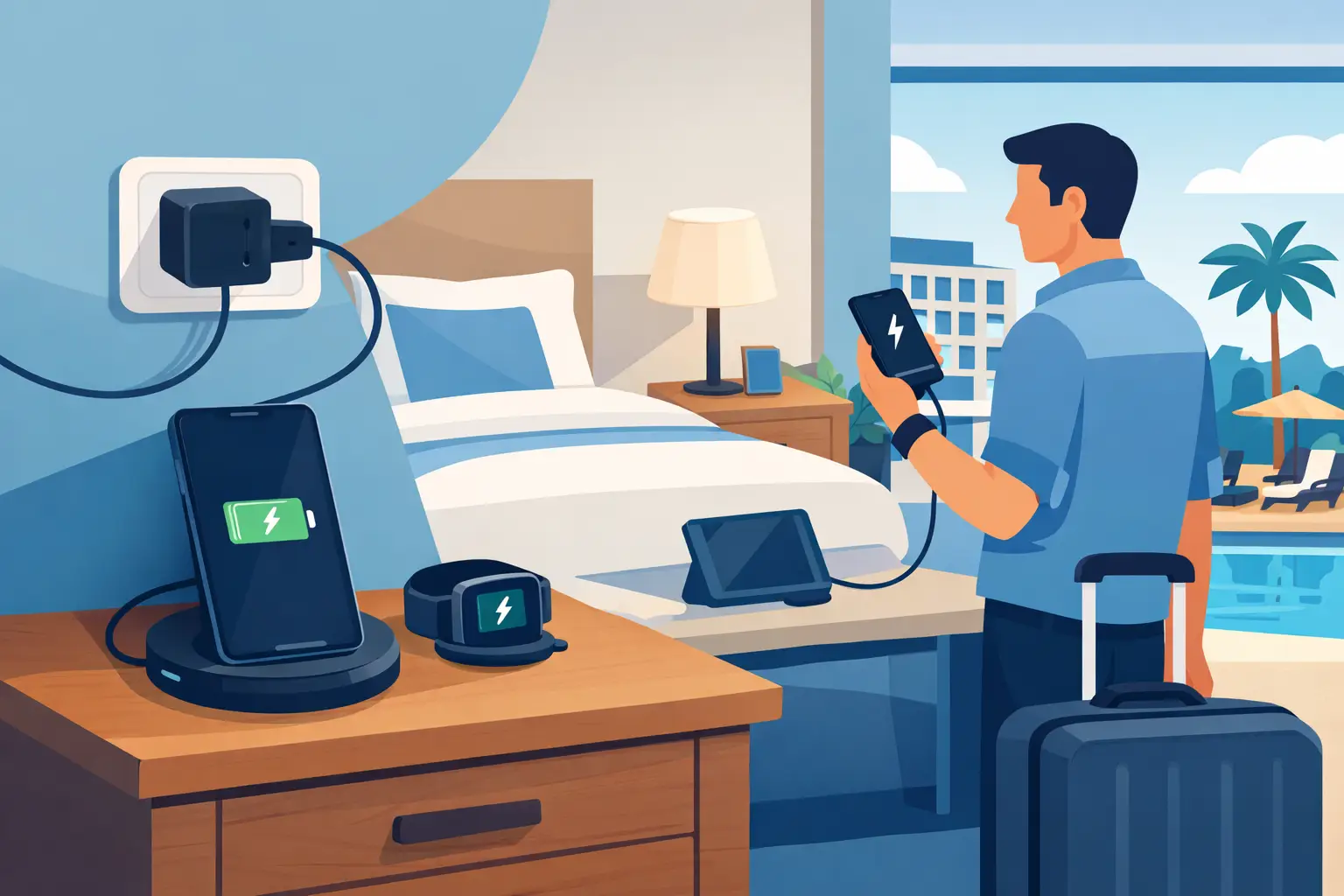
Best Phone Charging for Hotels and Their Guests
Sep 02, 2026
Find the best phone charging for hotels with secure, guest-ready options that improve stays, support staff, and create new revenue opportunities on property.
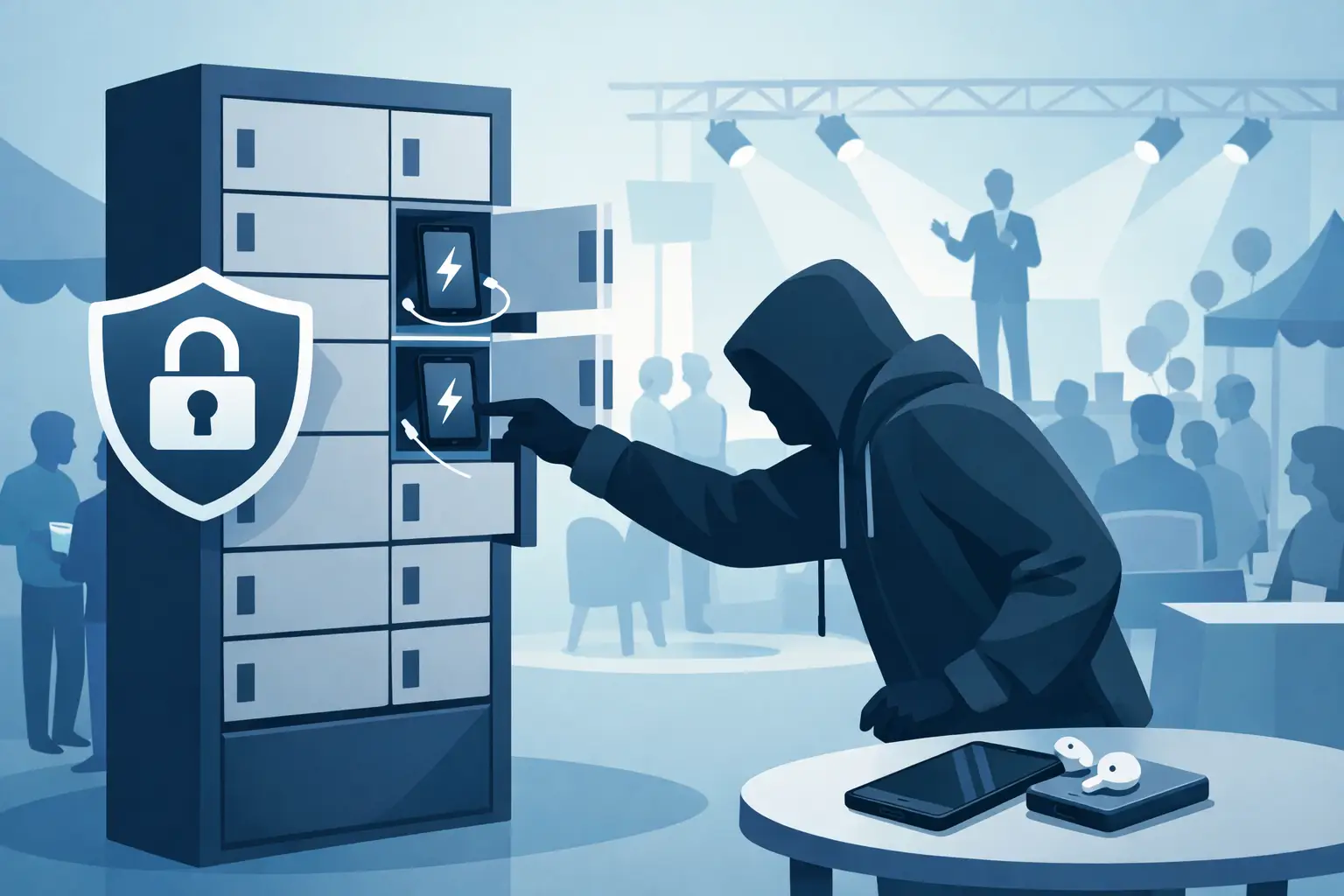
Do Charging Lockers Prevent Theft at Events?
Aug 31, 2026
Do charging lockers prevent theft? Learn how lockable charging stations protect devices, reduce staff burden, and improve visitor confidence on site daily.
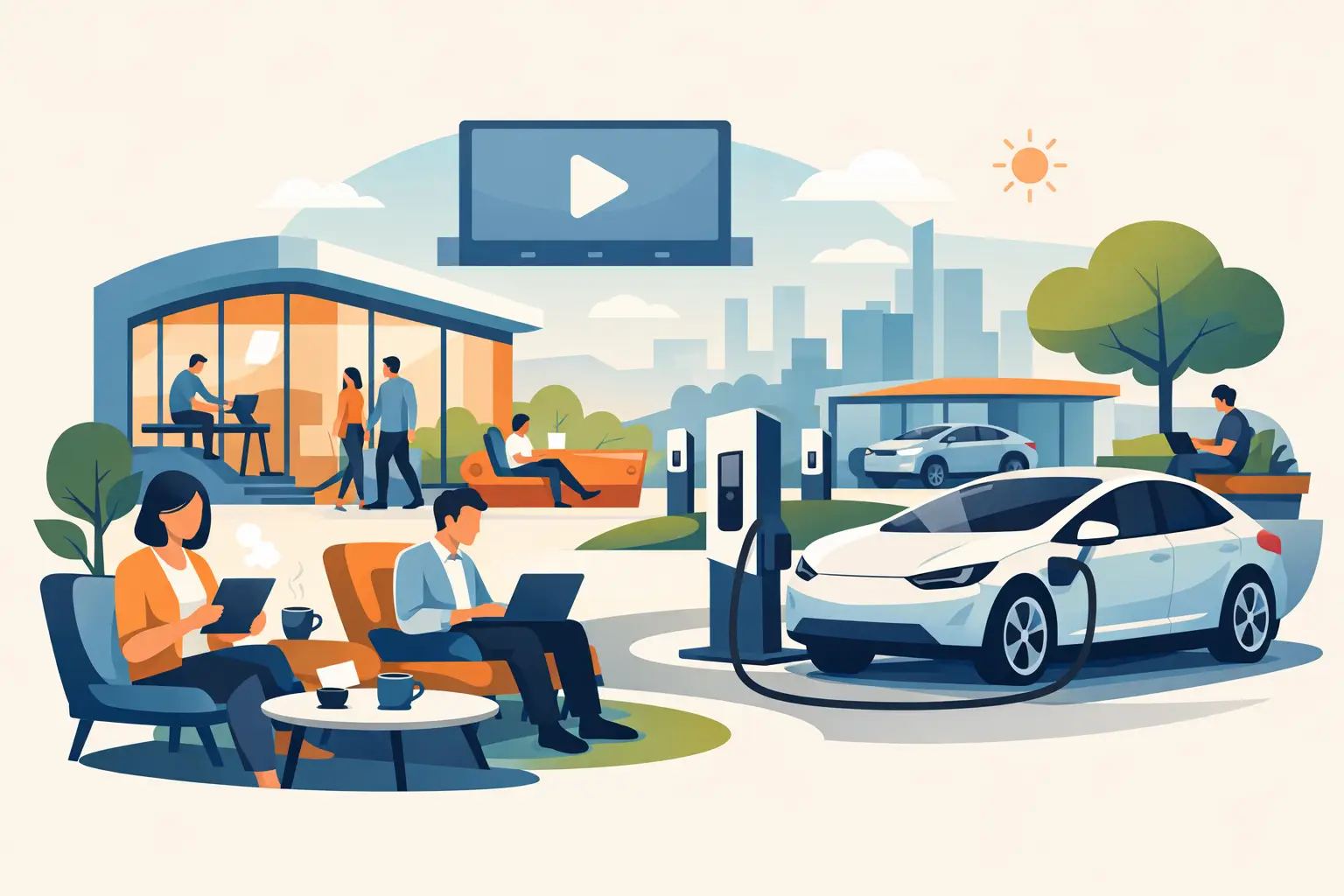
The Future of Public Charging Is Built for Dwell Time
Aug 29, 2026
The future of public charging will reward venues that pair fast, secure power with payment flexibility, strong uptime, and better visitor experiences.
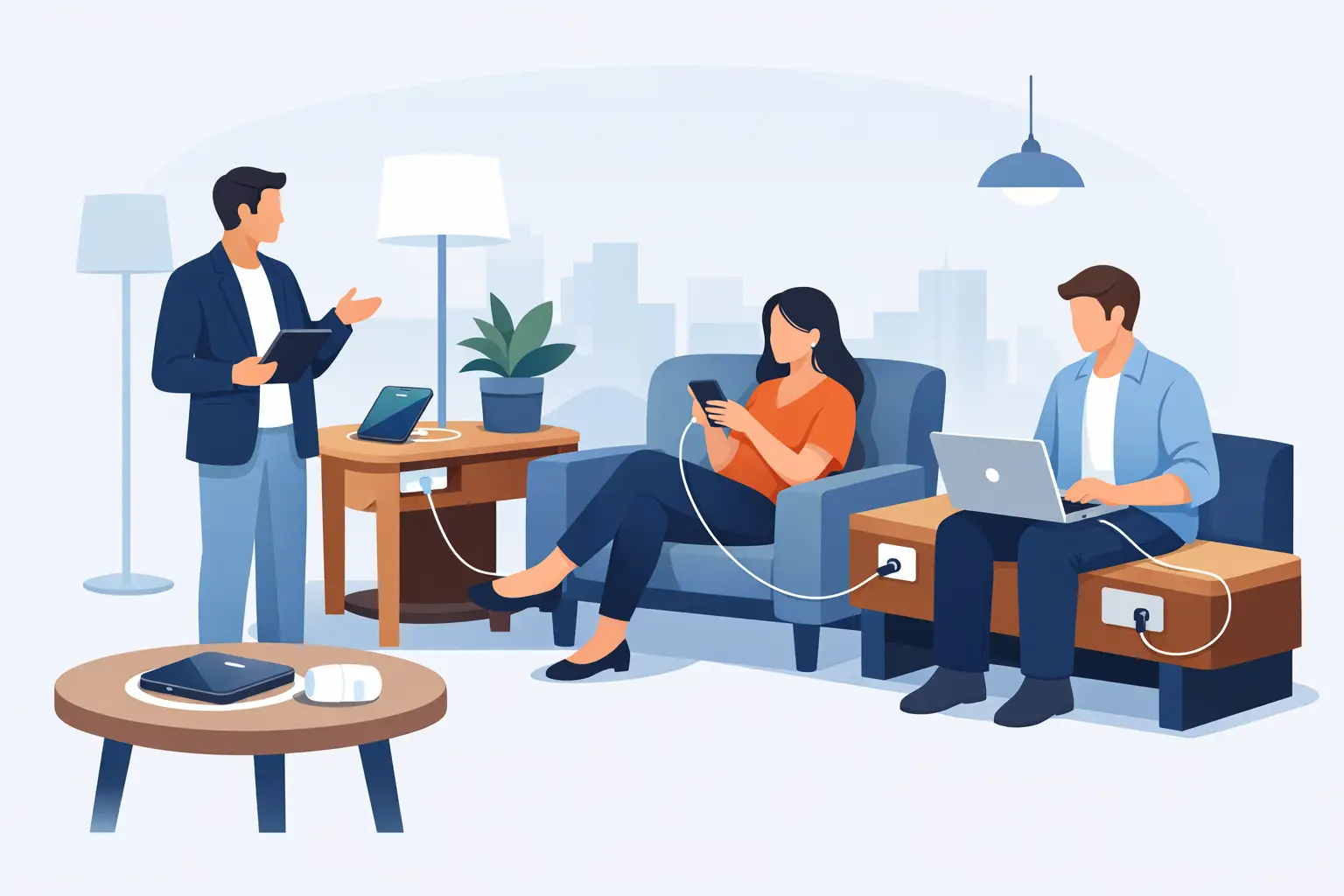
How to Deploy Phone Charging Furniture Well
Aug 27, 2026
Learn how to deploy phone charging furniture in high-traffic spaces, from selecting locations and power to security, branding, pricing, and daily upkeep.
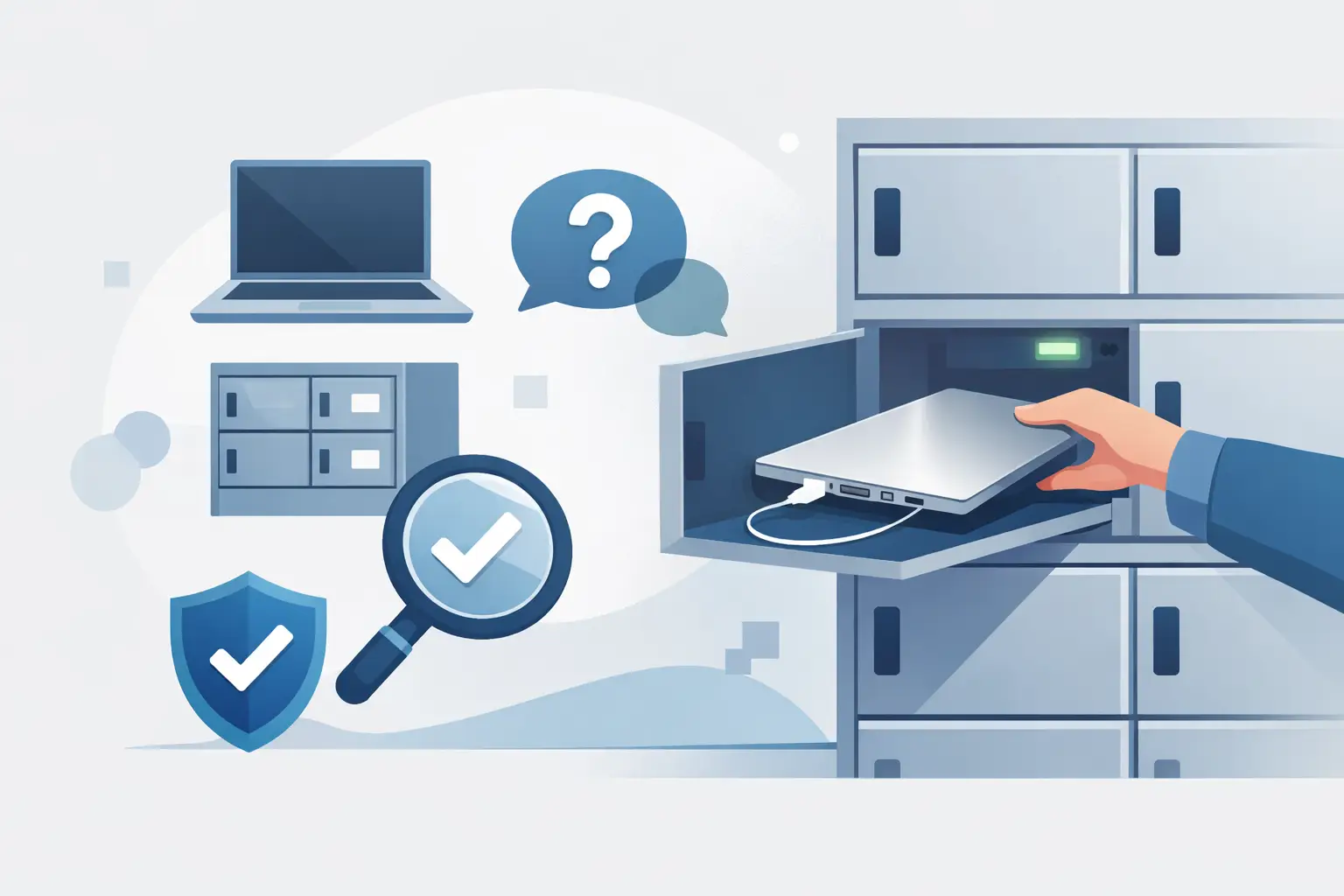
Can Charging Lockers Fit Laptops? What to Check
Aug 25, 2026
Can charging lockers fit laptops? Learn which locker dimensions, outlets, cables, and power limits support secure laptop charging at work and events today.
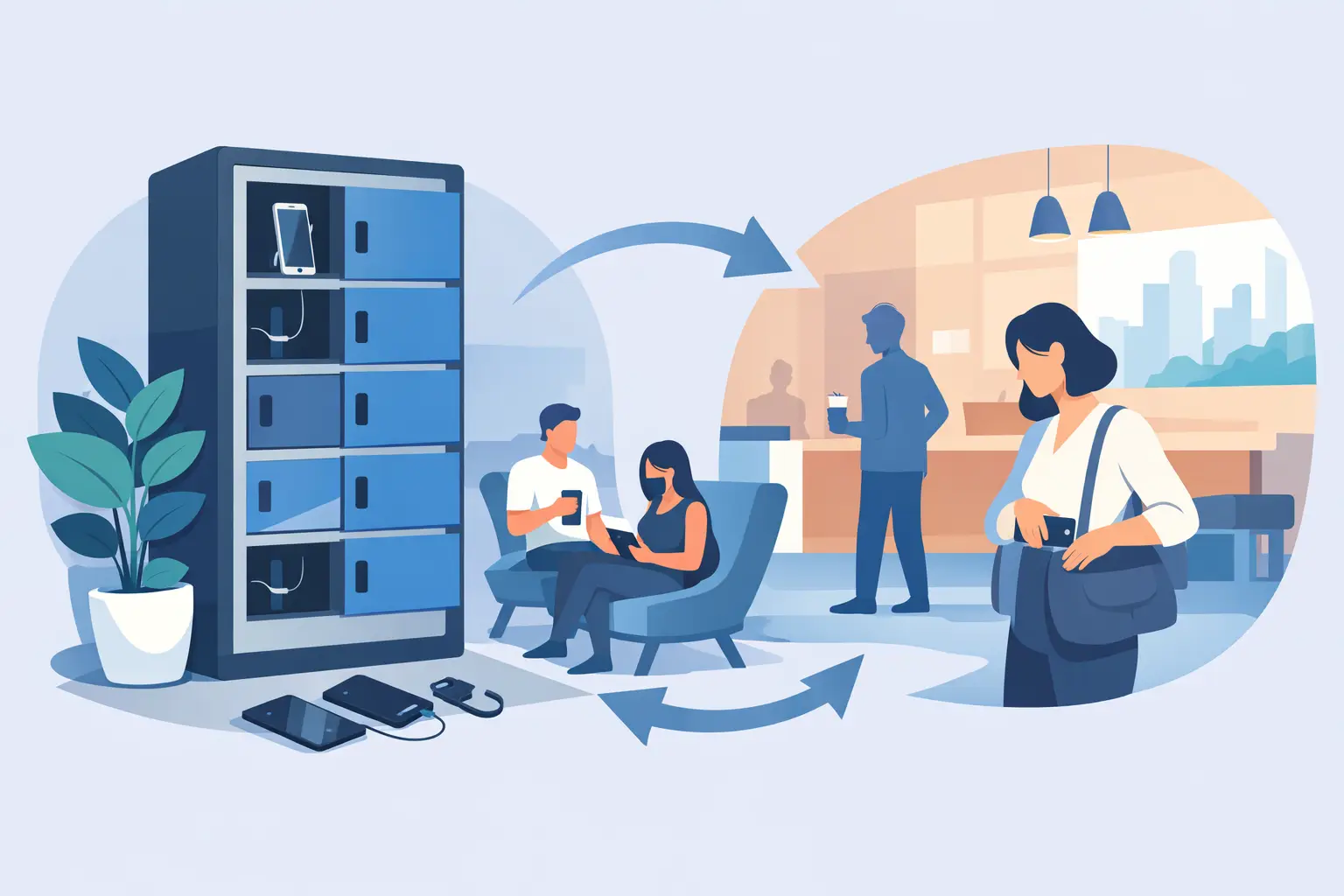
How to Lease Charging Lockers for Your Venue
Aug 23, 2026
Learn how to lease charging lockers with the right term, payment model, security features, and deployment plan for each location.
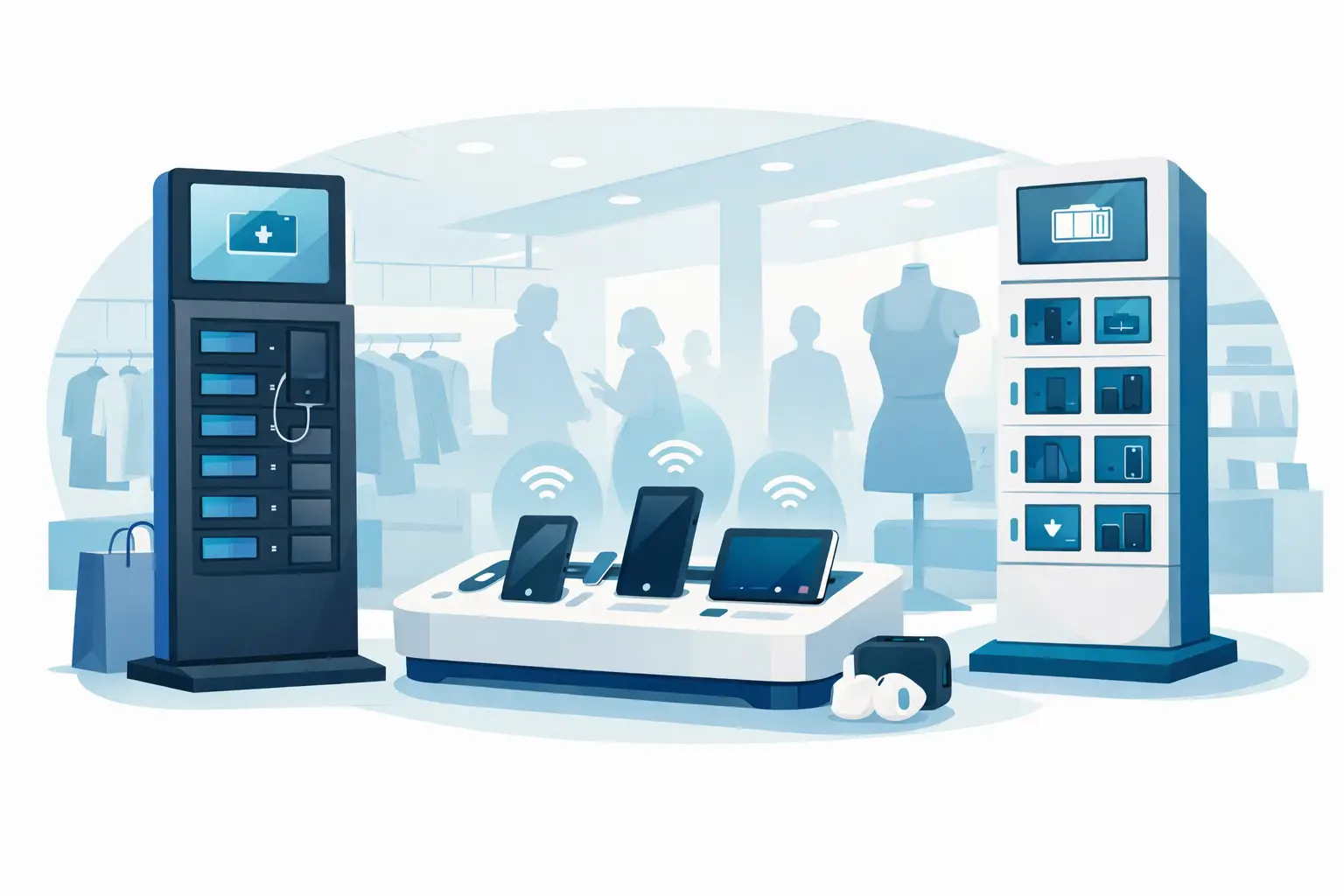
Best Charging Kiosks for Retail Stores Compared
Aug 21, 2026
Compare the best charging kiosks for retail to increase dwell time, protect customer devices, support modern USB-C needs, and create new revenue safely.
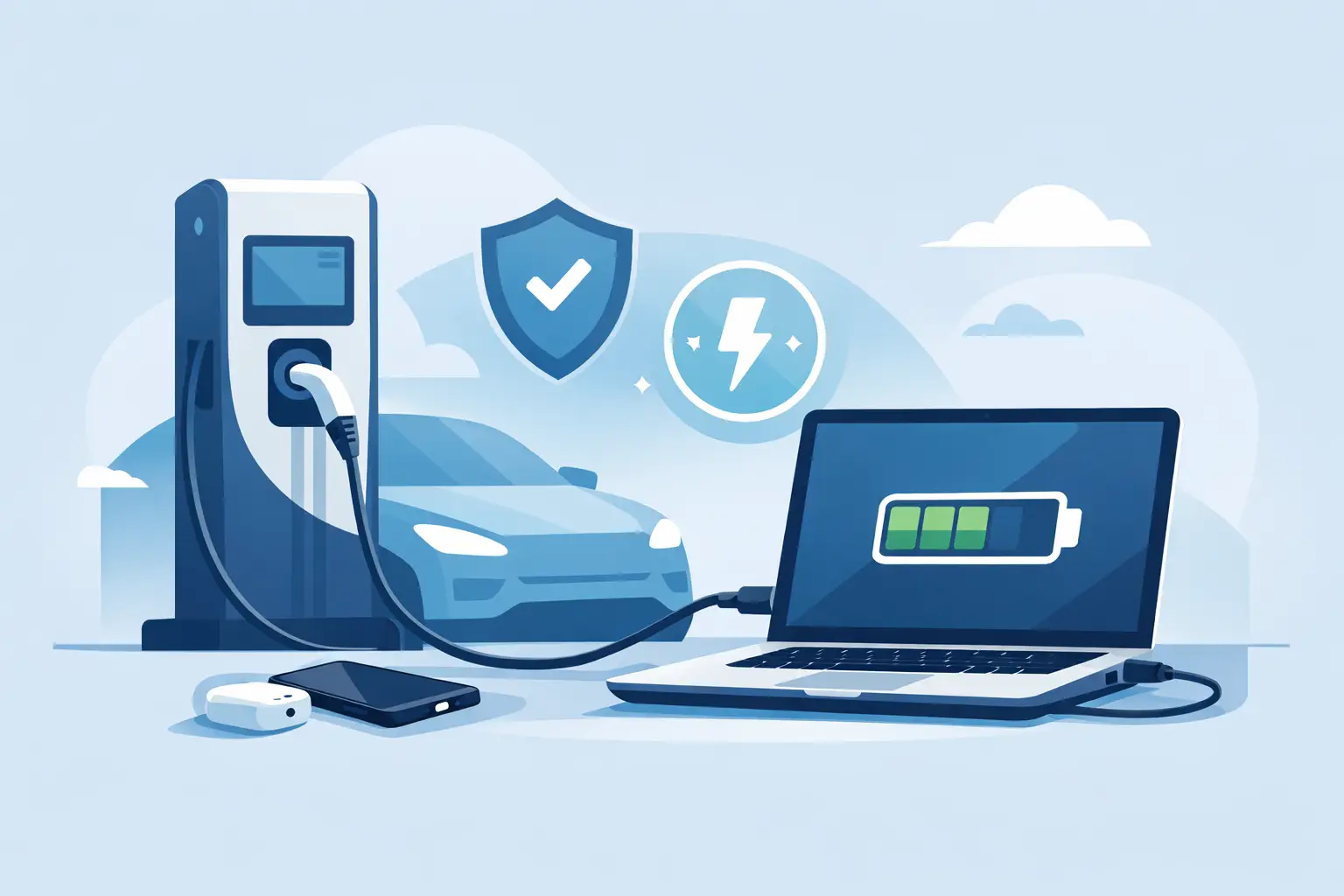
Can Charging Stations Charge Laptops Safely?
Aug 19, 2026
Can charging stations charge laptops? Learn which ports, wattages, and safety features businesses need to provide laptop power for visitors and staff.
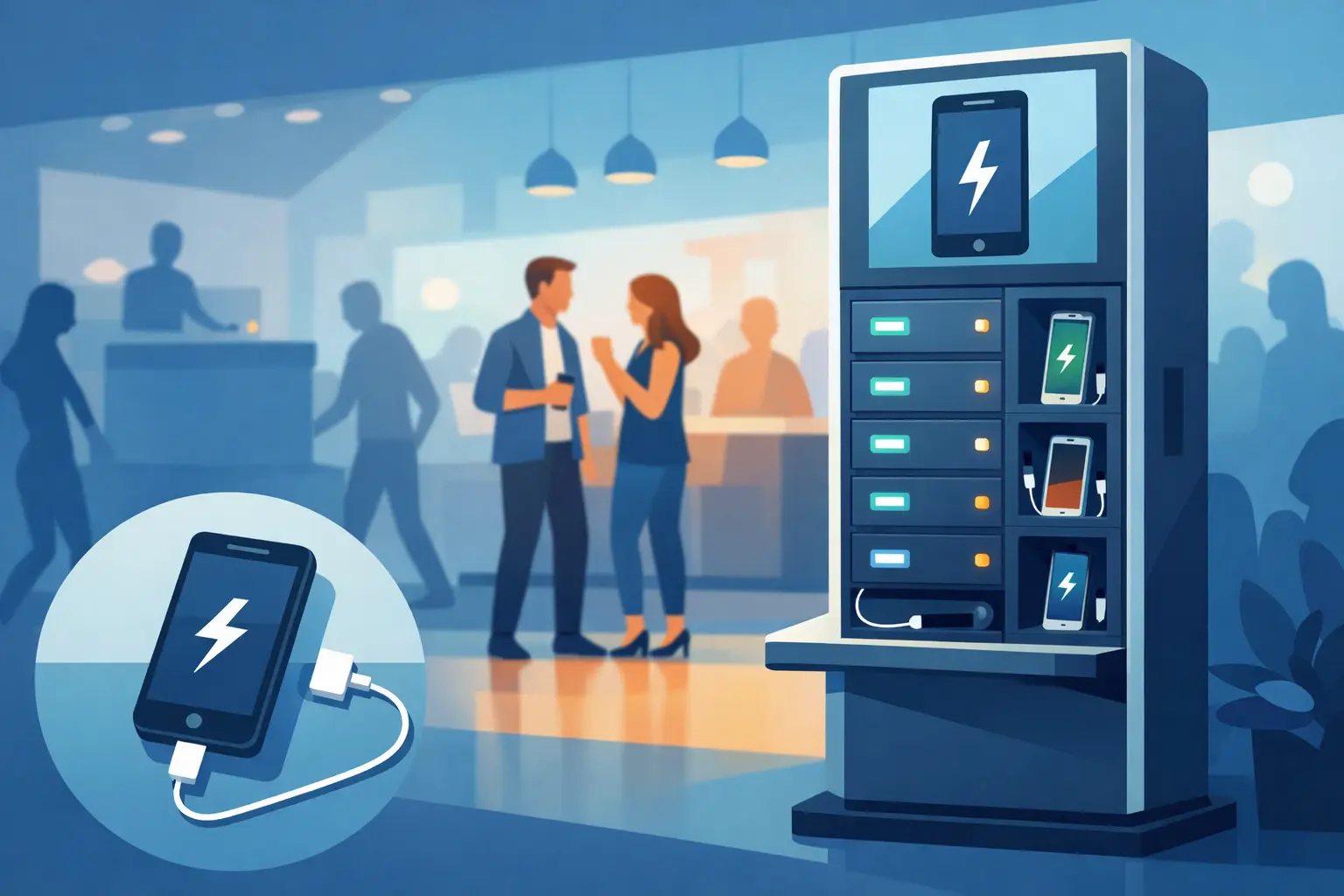
Emergency Phone Charger Kiosk for Busy Venues
Aug 17, 2026
An emergency phone charger kiosk keeps guests connected, extends dwell time, and can turn charging access into a secure revenue opportunity for your venue today.
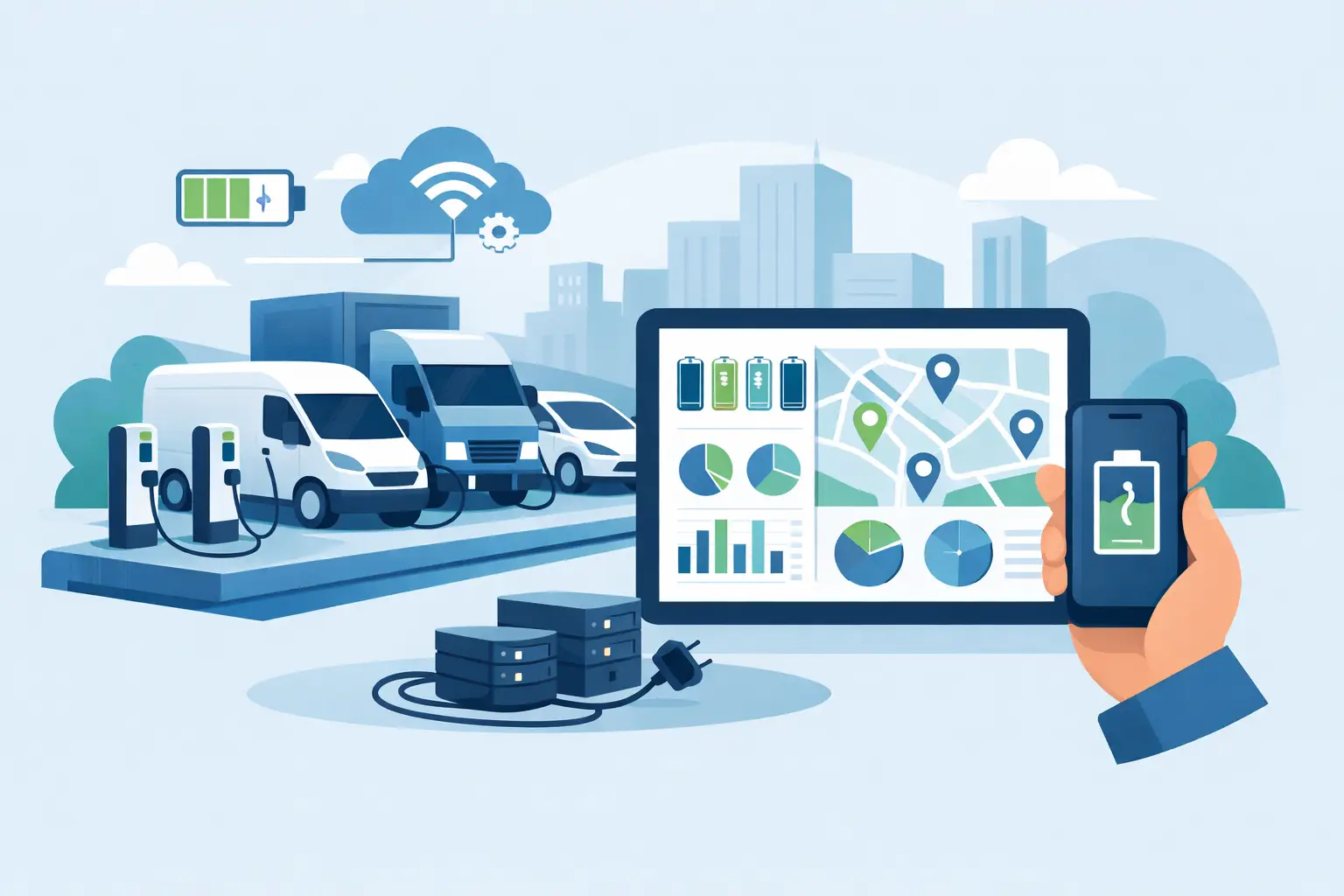
Fleet Device Charging Management That Works
Aug 15, 2026
Fleet device charging management keeps phones, tablets, and laptops ready, secure, and accounted for across every shift, site, and deployment without delays daily.
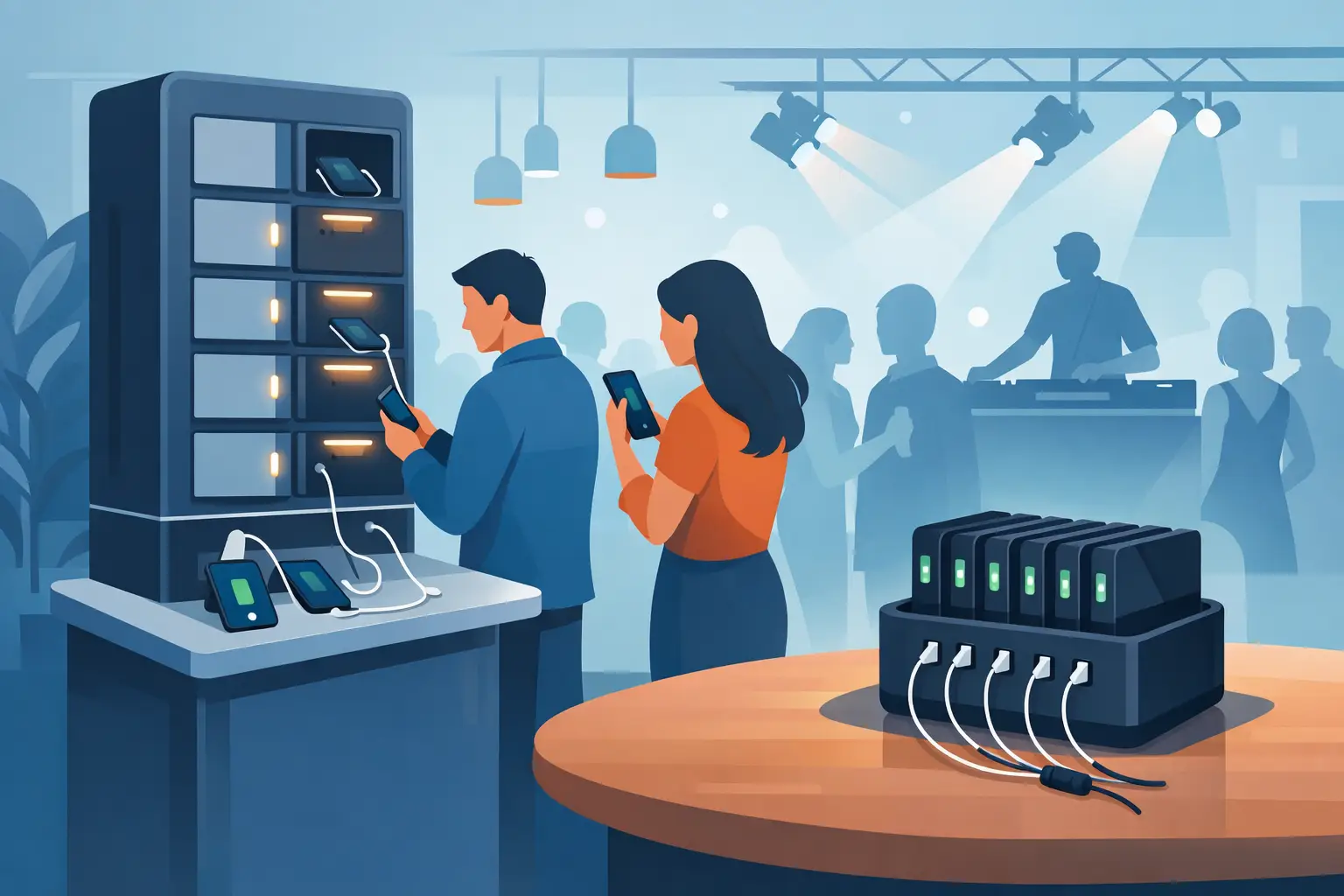
Best Event Phone Charging Rentals for Busy Venues
Aug 13, 2026
Find the best event phone charging rentals for secure, fast, branded power that keeps attendees engaged, extends dwell time, and can create event revenue.
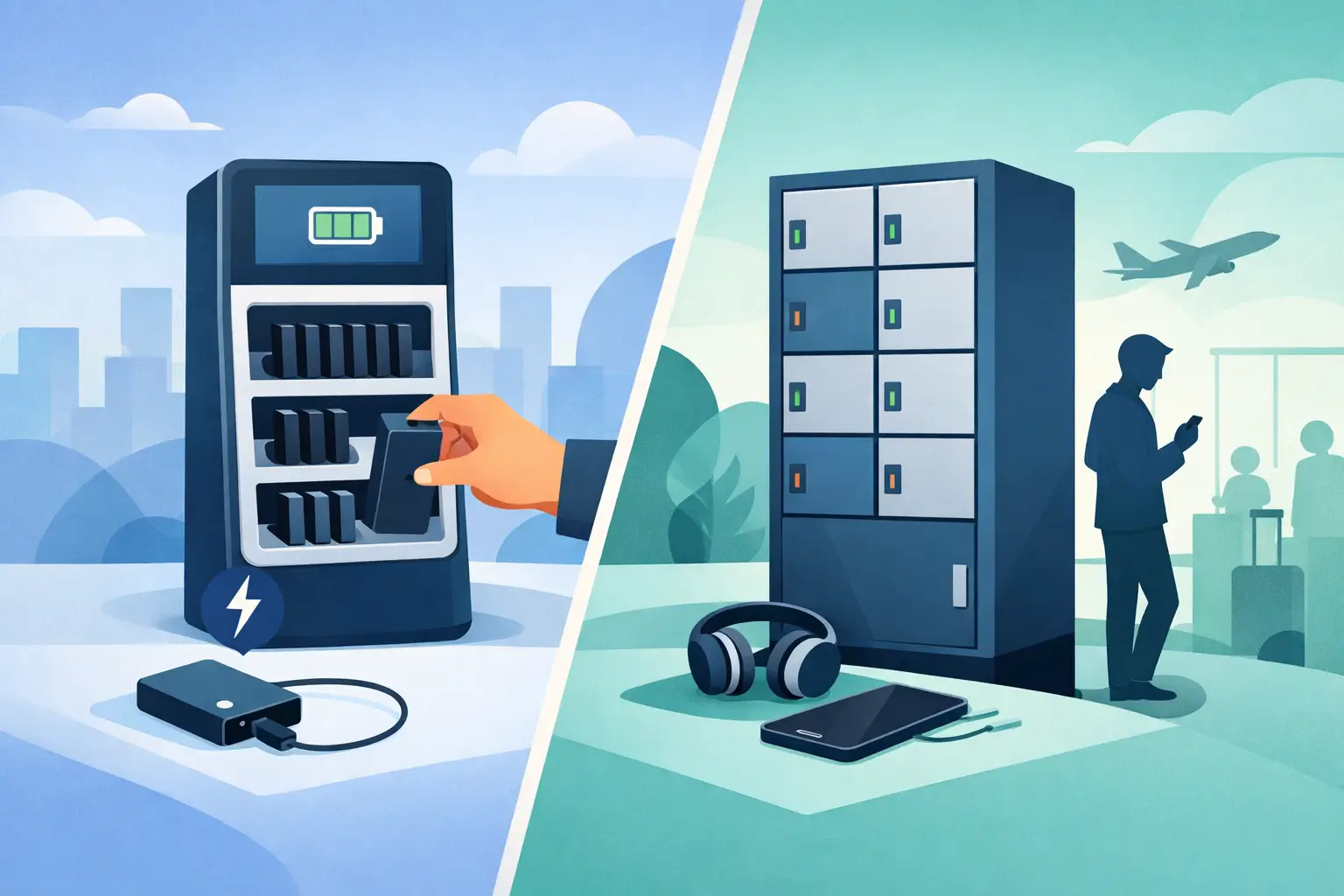
Power Bank Rental vs Lockers: Which Fits?
Aug 11, 2026
Compare power bank rental vs lockers to choose the right charging solution for your venue, event, or workplace and improve guest experience and ROI today.
Free Charging vs Paid Charging: Which Works?
Aug 09, 2026
Free charging vs paid charging can improve visitor experience or create revenue. Learn how to choose the right model for your venue, event, or workplace.
Secure Device Charging Guide for Businesses
Aug 07, 2026
Use this secure device charging guide to protect phones, tablets, and laptops while providing reliable, convenient power for every guest at your venue.

Charging Station Leasing Guide for Businesses
Aug 04, 2026
Use this charging station leasing guide to compare terms, station types, payment options, and ROI before adding secure device charging to your space today.
Laptop Charging Kiosk for Libraries That Works
Aug 03, 2026
Choose a laptop charging kiosk for libraries with secure storage, laptop-ready power, simple access, and a funding model that fits your space reliably.
Power Banks vs Fixed Chargers for Venues
Aug 01, 2026
Compare power banks vs fixed chargers for events, venues, and workplaces. Choose secure charging that improves guest experience, uptime, and revenue onsite.
Why Offer Free Device Charging at Your Venue?
Jul 29, 2026
Why offer free device charging? Learn how it keeps visitors engaged, strengthens your brand, supports operations, and can create new revenue opportunities.
Public Charging Station Benefits for Business
Jul 27, 2026
Public charging station benefits include longer visits, happier guests, stronger brand visibility, and practical revenue options for high-traffic venues.

Phone Charging Lockers for Gyms That Members Use
Jul 26, 2026
Phone charging lockers for gyms keep members powered, valuables secure, and workouts on track while creating a valuable amenity or revenue opportunity.
Best Charging Lockers for Offices in 2026
Jul 23, 2026
Find the best charging lockers for offices with secure storage, USB-C support, smart access, and the right capacity for staff, guests, and shared devices.
Phone Charging Stations That Work Harder
Jul 21, 2026
Phone charging stations keep guests engaged, staff productive, and events moving. Learn how to choose secure, scalable options that can earn revenue too.

How to Deploy Charging Amenities That Pay Off
Jul 19, 2026
Learn how to deploy charging amenities that keep visitors powered, increase dwell time, support operations, and create revenue in any venue with clarity.
Secure Charging for Employee Devices at Work
Jul 18, 2026
Secure charging for employee devices keeps work moving while protecting phones, tablets, and laptops. Learn what a practical workplace setup needs today.
Venue Device Charging Solutions That Pay Off
Jul 16, 2026
Venue device charging solutions keep guests connected, increase dwell time, protect devices, and can create new revenue at events and public spaces daily.
Can Charging Kiosks Take Payments? Yes, Here’s How
Jul 14, 2026
Can charging kiosks take payments? See how POS-enabled charging turns low-battery demand into convenience, longer visits, and new venue revenue streams.

Custom Branded Charging Stations That Earn Attention
Jul 11, 2026
Custom branded charging stations turn low-battery stress into longer visits, stronger brand visibility, and a practical revenue opportunity for venues.
Charging Kiosks That People Actually Use
Jul 10, 2026
Charging kiosks keep guests powered, on-site, and engaged. Learn how to choose the right setup for security, revenue, and everyday use.
Charging Stations for Convention Centers
Jul 08, 2026
Charging stations for convention centers reduce attendee stress, boost dwell time, support sponsors, and create new revenue opportunities.

How to Lease Charging Kiosks Smartly
Jul 06, 2026
Learn how to lease charging kiosks with the right terms, pricing, features, and support so your venue adds convenience and potential revenue.
Visitor Amenity Charging Kiosk: What to Buy
Jul 04, 2026
A visitor amenity charging kiosk helps venues keep guests powered, engaged, and on-site while supporting security, branding, and revenue goals.

Business Charging Station Buying Guide
Jul 02, 2026
Business charging station buying guide for choosing secure, scalable charging solutions that improve guest experience and create revenue.
Contactless Payment Charging Station Benefits
Jun 30, 2026
A contactless payment charging station helps venues boost convenience, capture revenue, and keep guests engaged without adding operational friction.
How to Choose Charging Lockers for Your Space
Jun 28, 2026
Learn how to choose charging lockers for events, venues, offices, and retail spaces based on security, device mix, power needs, and ROI.

Are Public Charging Stations Safe to Use?
Jun 26, 2026
Are public charging stations safe to use? Learn the real risks, how secure charging stations work, and what businesses should provide.
Best Desktop Charging Station for Office Use
Jun 24, 2026
Find the right desktop charging station for office use with tips on safety, device mix, cable management, security, and long-term value.
Leasing vs Buying Charging Stations
Jun 22, 2026
Leasing vs buying charging stations comes down to budget, flexibility, and ROI. Learn which model fits events, venues, offices, and retail.
Charging Lockers vs Kiosks: What Fits Best?
Jun 20, 2026
Charging lockers vs kiosks: compare security, throughput, revenue, and fit by venue so you can choose the right charging setup for your space.

Charging Locker ROI Calculator Guide
Jun 17, 2026
Use a charging locker ROI calculator to estimate payback, revenue, and visitor impact. Learn which costs, assumptions, and metrics matter most.

How to Monetize Charging Kiosks
Jun 16, 2026
Learn how to monetize charging kiosks with the right pricing, placement, sponsorships, and formats to turn charging access into revenue.
What Is Juice Jacking Protection?
Jun 13, 2026
What is juice jacking protection? Learn how it blocks data theft through USB ports and why businesses should offer safer public charging access.
USB C Charging Trends Businesses Should Track
Jun 12, 2026
USB C charging trends are reshaping public, workplace, and event charging. See what matters for compatibility, speed, safety, and ROI.
USB C Charging Station Commercial Guide
Jun 09, 2026
A practical look at usb c charging station commercial options, including use cases, power, security, placement, pricing, and ROI for busy venues.
Charging Table for Waiting Room Buyers
Jun 08, 2026
A charging table for waiting room spaces keeps guests powered, improves dwell time, and adds convenience without adding operational friction.

What a Custom Charging Kiosk Wrap Should Do
Jun 07, 2026
A custom charging kiosk wrap should attract attention, fit the venue, and support ROI. Learn what to include and what to avoid.
Branded Charging Station for Events That Works
Jun 06, 2026
A branded charging station for events keeps guests powered, boosts dwell time, supports sponsors, and adds measurable value to the event floor.
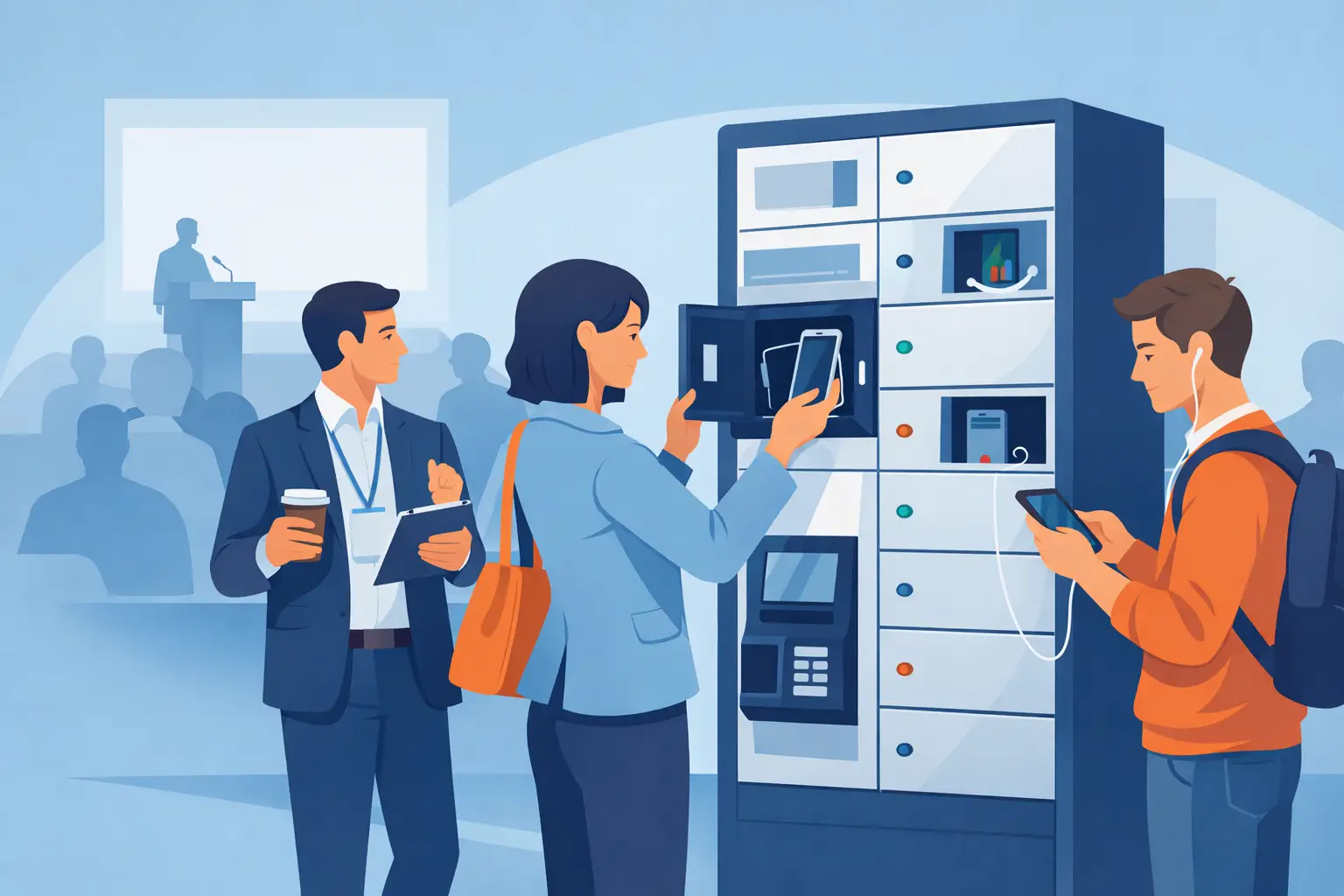
Conference Charging Locker Rental That Works
Jun 05, 2026
Conference charging locker rental keeps attendees powered, secure, and engaged while creating smoother events, stronger sponsor value, and revenue.
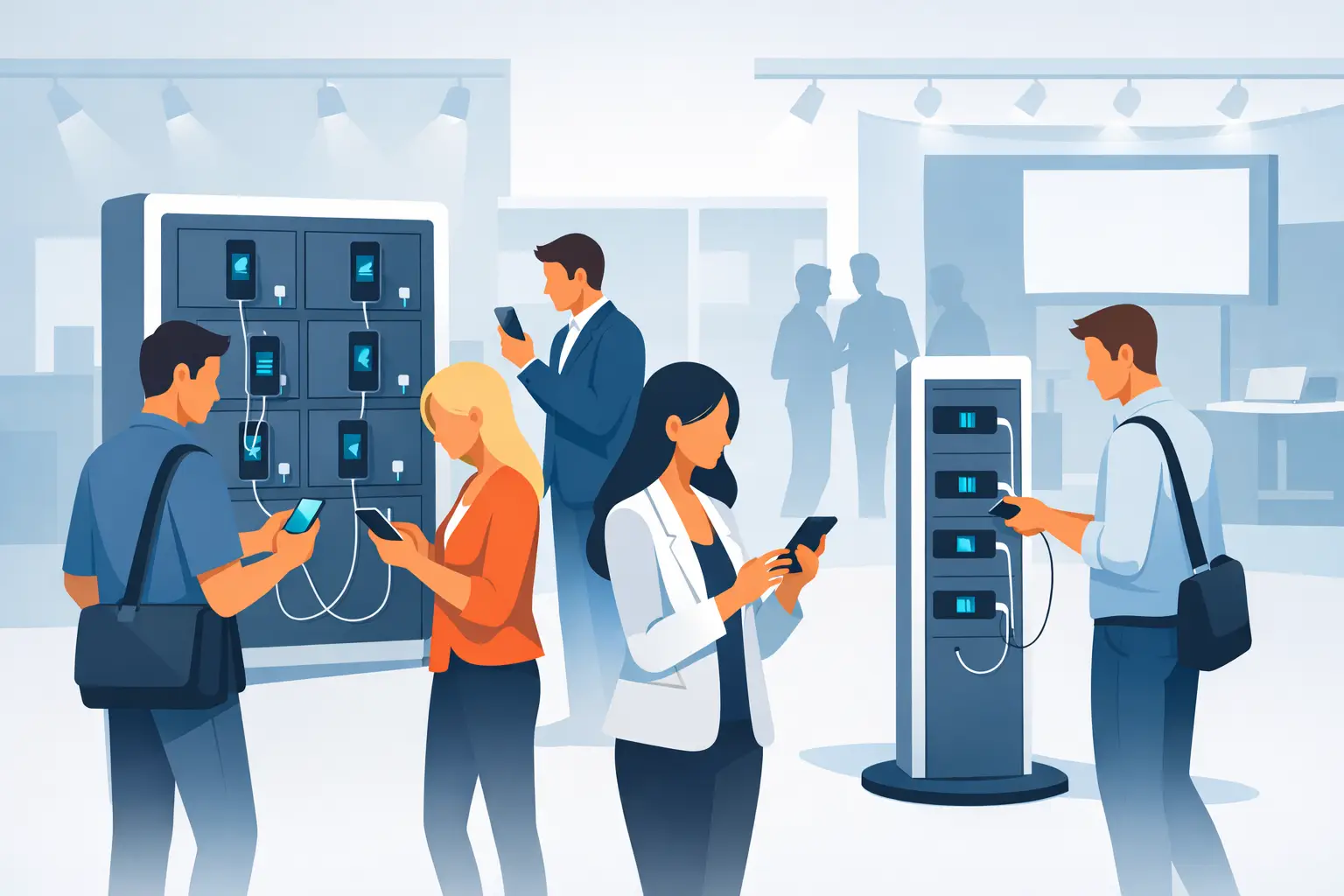
Trade Show Phone Charging Station Guide
Jun 04, 2026
A trade show phone charging station can boost booth traffic, dwell time, and leads while reducing attendee battery stress and improving event ROI.
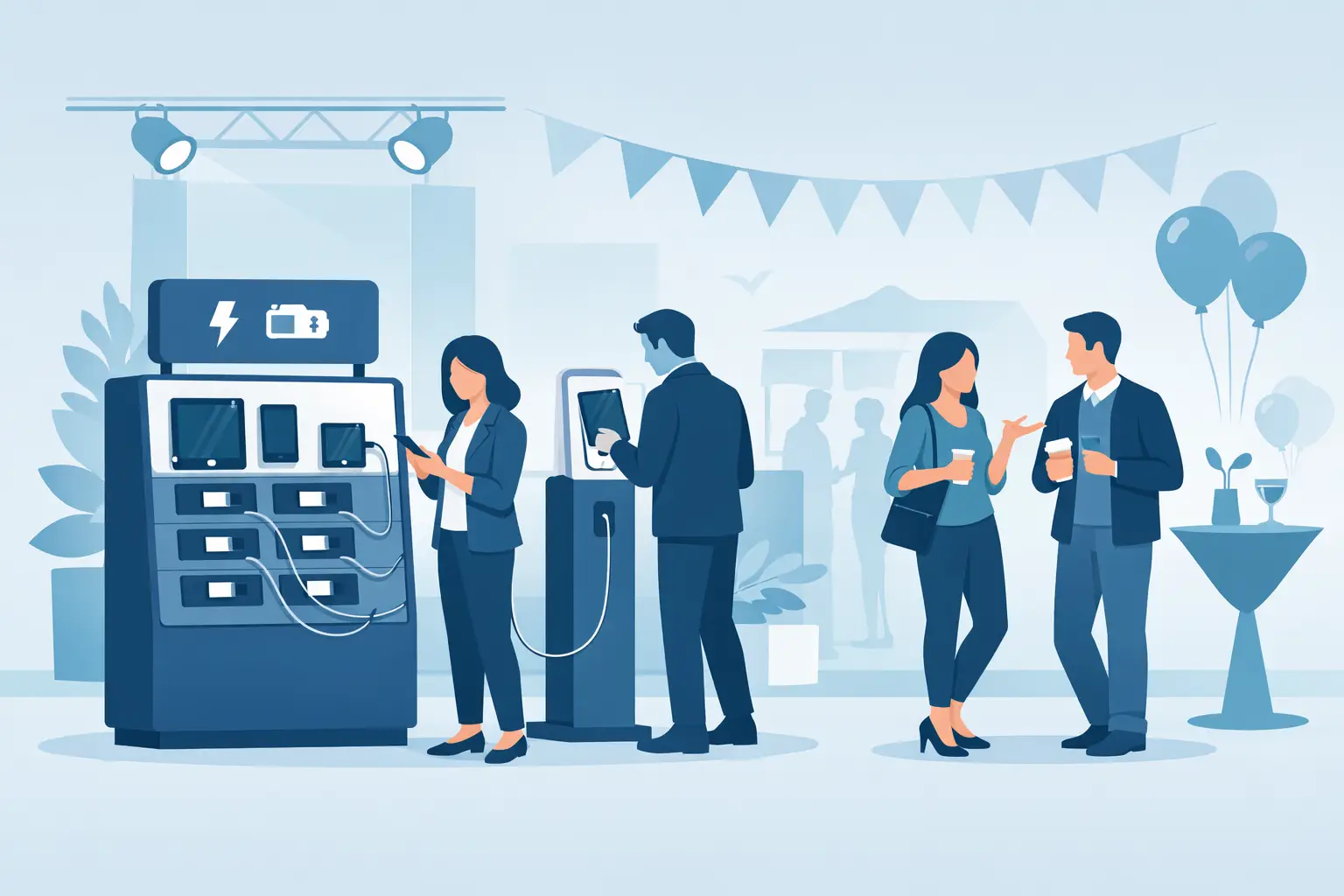
Event Charging Station Rental That Works
Jun 03, 2026
Event charging station rental keeps guests powered, engaged, and on site longer. Learn what to rent, what to ask, and how to avoid event-day issues.

Free Phone Charging Station Retail ROI
Jun 02, 2026
See how free phone charging station retail setups increase dwell time, improve customer experience, and support smarter in-store traffic flow.
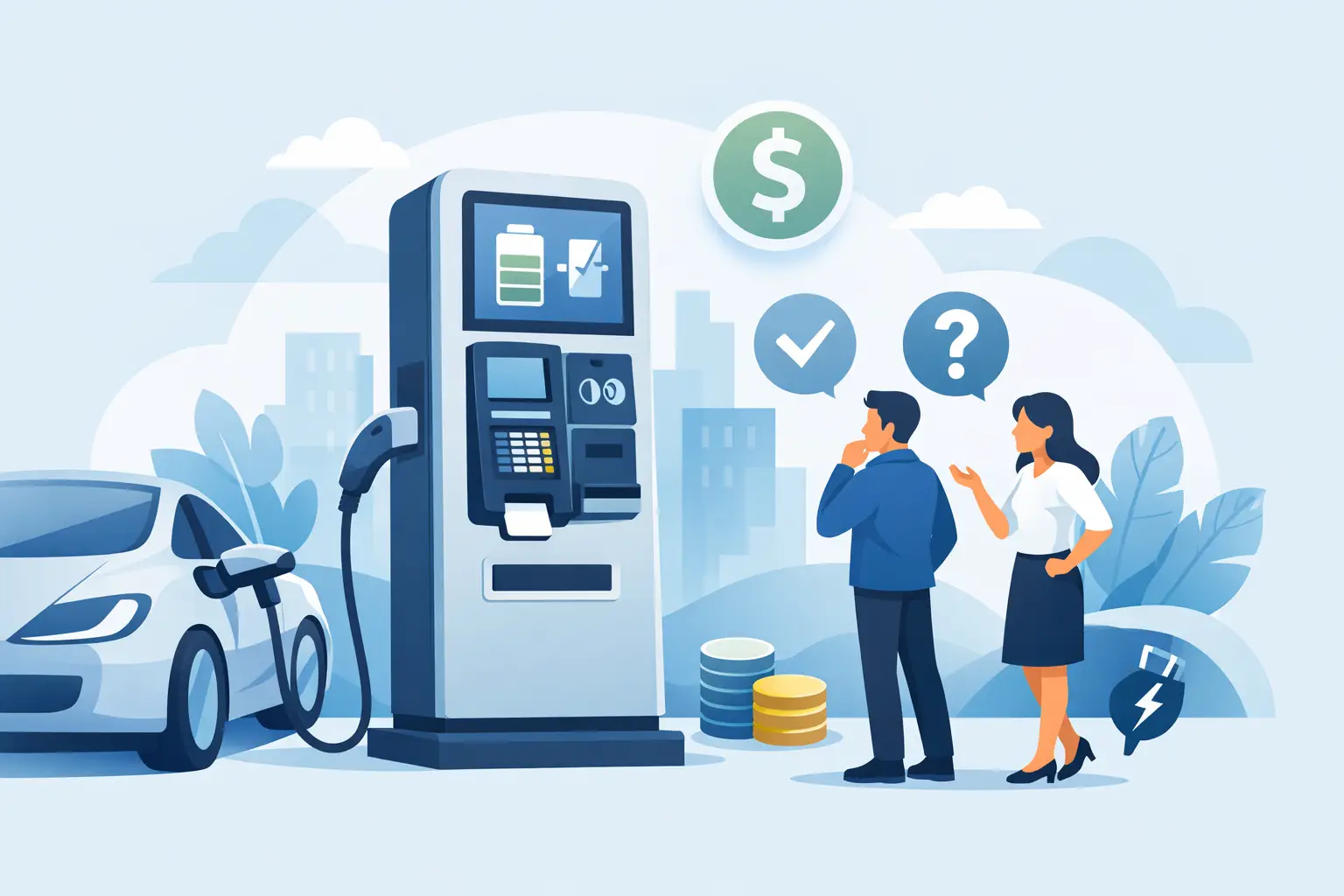
Charging Kiosk With Payment System: Worth It?
Jun 01, 2026
A charging kiosk with payment system can add revenue, improve guest experience, and extend dwell time. Here's how to choose the right setup.
Pay Per Use Charging Station ROI Explained
May 31, 2026
Learn how a pay per use charging station creates revenue, improves visitor experience, and fits retail, events, offices, and public venues.
Power Bank Rental Station Buyer’s Guide
May 30, 2026
A power bank rental station helps venues keep guests charged, boost dwell time, and create revenue with flexible, low-friction charging access.
Choosing a Laptop Charging Locker Cabinet
May 29, 2026
Learn how to choose a laptop charging locker cabinet for offices, schools, events, and venues with the right mix of security, power, and ROI.

Tablet Charging Locker for Schools: What Matters
May 28, 2026
A tablet charging locker for schools improves device security, charging access, and classroom readiness. Here’s what buyers should evaluate.
Secure Phone Charging Locker Buying Guide
May 27, 2026
Choose a secure phone charging locker that protects devices, improves guest experience, and fits your space, budget, and usage model.

Phone Charging Station for Business ROI
May 26, 2026
A phone charging station for business can boost dwell time, improve customer experience, and create revenue when matched to the right space.
How to make your phone battery last longer
Mar 20, 2025
It’s no secret that some smartphones have more powerful and longer lasting batteries than others. However, no matter how powerful the battery or how energy efficient your phone is, there are a number of apps and settings that will drain your battery faster. Identifying these apps and settings will help you keep usage to a […]

Phone Batteries – The Best and The Worst
Mar 29, 2017
When buying a new smartphone, there are a number of factors you will consider. From the brand and price, to the operating system, and other features like the camera. No matter what kind of phone you choose or the reason behind your purchase, one thing is for sure – you want the battery to last […]
What is USB-C and why is it important?
Mar 15, 2017
By now, you may have heard people talking about USB type C or perhaps you have even tried it out yourself. Either way, many experts agree that this is the future of USB ports and cables. What many people may not realize is that this particular type of connection is significantly different from older types […]