Hotel Charging That Keeps Guests On Property
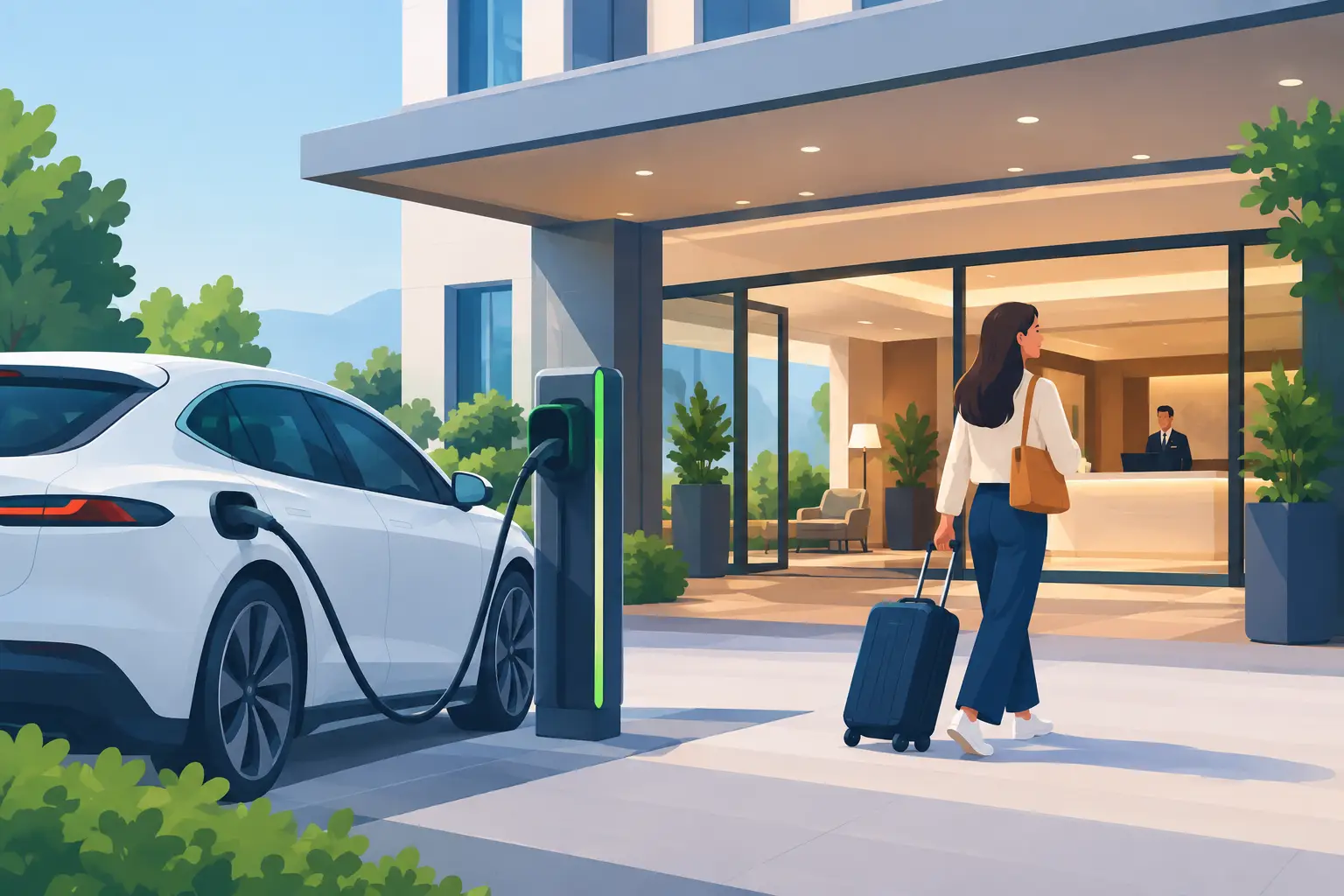
A guest with 8% battery is not thinking about the quality of the lobby furniture or the cocktail menu. They are looking for an outlet, guarding their phone, and deciding whether to leave. Effective hotel charging changes that moment. It gives travelers a visible, reliable reason to stay connected to your property while they wait for a room, work between meetings, or spend time in a public area.
For hotels, resorts, casinos, and conference properties, charging access has moved beyond a nice extra. Phones hold room keys, boarding passes, ride-share access, event schedules, payment wallets, and work communications. A dead device creates friction at exactly the point where a guest expects convenience. The right charging infrastructure can reduce that friction, support ancillary spend, and create a more useful guest experience without adding work for front-desk teams.
Why hotel charging affects the guest experience
Travel is hard on batteries. Guests use navigation on the way to the property, check airline or train updates, message colleagues, stream entertainment, and access digital reservations. By the time they reach the lobby, restaurant, pool, meeting space, or casino floor, many are already searching for power.
Standard wall outlets do not solve the full problem. They are often hidden, occupied, poorly located, or unavailable near seating. Even when an outlet is accessible, a guest may not want to leave an expensive phone or laptop unattended. Front-desk charging behind the counter helps in a pinch, but it creates a handoff process, liability concerns, and extra work for staff.
Purpose-built charging gives guests a clear alternative. A secure charging locker lets them plug in a device, lock it, and return when it is ready. A desktop charger or charging table supports people who want to remain nearby. A power bank rental station gives guests mobility, which is particularly valuable on large resort properties, convention hotels, and entertainment venues.
The best format depends on where and how people use the space. The operational goal is the same: make power easy to find, safe to use, and simple for guests to understand.
Where to place charging stations in a hotel
Placement determines whether a charging amenity becomes a daily guest benefit or an expensive fixture that goes unnoticed. Start with places where guests naturally wait, gather, work, or make purchase decisions.
Lobby, reception, and concierge areas
The lobby is usually the highest-value location for hotel charging. Guests arrive with low batteries, wait for check-in, arrange transportation, and catch up on messages. Charging lockers near reception offer security during longer waits or while guests use property amenities. Charging tables, benches, and desktop units can serve guests who prefer to stay with their devices.
Keep stations visible without blocking traffic. Clear signage matters, particularly if payment or rental instructions are involved. The front desk should know how the station works, but staff should not need to manage every transaction.
Restaurants, bars, and lounges
Guests who can recharge while they eat or have a drink are less likely to leave early to find power elsewhere. Table-integrated charging, countertop chargers, or well-placed kiosks can increase comfort in these dwell-time areas. For upscale venues, furniture-based charging often feels more natural than a freestanding unit.
There is a trade-off: charging at individual tables can encourage longer stays during busy service periods. A central station may make more sense when table turnover is a priority. The right answer depends on service volume, available space, and the type of guest you serve.
Meeting, conference, and event spaces
Conference attendees are active device users. They scan agendas, take notes, photograph slides, respond to work messages, and use laptops between sessions. A charging station in a pre-function area can become a practical gathering point and a valuable sponsorship asset.
For larger events, secure lockers work well because attendees can charge devices while attending sessions. Power bank rentals are useful when guests need to remain mobile on a show floor or across a multi-building property. Event organizers may also prefer rental equipment for short-term programs rather than purchasing infrastructure for occasional use.
Pool, fitness, and entertainment areas
These locations require more careful equipment selection. Outdoor or high-moisture environments need solutions designed for their conditions, and placement should protect both equipment and guest safety. In many cases, a nearby indoor corridor, towel desk, or entrance area is a better home for charging than the activity area itself.
Entertainment spaces, including casinos and music venues, can support pay-per-use charging particularly well. Guests are motivated to stay, keep their digital wallets active, and remain reachable. The station needs to be highly visible, easy to use, and positioned where it supports the flow of the venue.
Choose the charging model that fits your property
Hotel operators generally choose among free charging, paid charging, and portable power bank rental. Each can work, but each sends a different message and carries different operating considerations.
Free charging is a strong amenity for luxury properties, loyalty-driven hotels, executive lounges, and guest areas where service is part of the brand promise. It can be positioned as a simple comfort that supports satisfaction and keeps visitors in the space longer.
Paid charging can offset equipment costs and create an incremental revenue stream in high-traffic public areas. It is often a fit for airports hotels, convention properties, casinos, and locations with substantial non-guest foot traffic. Pricing should be easy to understand and modest enough that guests see it as a convenience, not a penalty.
Power bank rental gives guests the greatest freedom. Instead of sitting beside a wall or locker, they can continue to shop, attend a meeting, visit the bar, or explore the property. This model requires clear return instructions and reliable payment integration, but it can be especially compelling where guests move through large spaces.
Some properties use more than one model. A hotel may offer complimentary desktop charging in its lobby lounge while operating a POS-enabled power bank station near its convention center. That approach matches the service level to the guest journey rather than forcing one solution across every area.
Security, compatibility, and safety are not optional
A station that charges a phone but leaves the guest worried about theft does not fully solve the problem. Secure lockable charging lockers are particularly valuable for travelers carrying phones, tablets, laptops, and accessories. Individual compartments should be easy to operate, durable enough for public use, and sized for the devices guests actually bring.
Compatibility is equally important. USB-C is now essential for many current phones, tablets, and laptops, while some guests still rely on older connectors. Built-in cables can simplify the experience and reduce the chance that guests forget a charger, but they need to be durable and protected against misuse. AC outlets may be needed for laptop-heavy meeting areas, while USB charging may be sufficient in a casual lobby setting.
Safety should be part of the purchasing conversation, not an afterthought. Commercial charging equipment should include dependable power management and charging protection. It should also support cable organization and regular maintenance, since damaged cables and cluttered stations quickly undermine the appearance of a well-run property.
Turn a charging station into a hospitality asset
A charging station does more than deliver electricity. It creates a point of attention. That makes it useful for property branding, guest communications, sponsored placements, and promotions for restaurants, retail partners, loyalty programs, or upcoming events.
Custom wraps and digital messaging can help the station look intentional rather than temporary. In a convention hotel, a sponsor-branded locker bank can help fund the amenity. In a casino or resort, a branded power bank station can reinforce the property experience while directing guests toward dining, entertainment, or member offers.
The commercial opportunity should not overwhelm the guest benefit. If instructions are confusing, screens are cluttered, or the unit looks like an advertising display first and a charging solution second, usage will suffer. The strongest installations make the charging benefit obvious, then use the station’s visibility to support the business.
Plan for operations before installation
Before selecting equipment, estimate traffic by location and identify the devices your guests are likely to carry. A boutique business hotel may need a modest number of laptop-friendly lockers in the lobby and meeting areas. A resort hosting conventions may need multiple stations, portable power options, and a plan for event-specific deployments.
Also decide who will inspect the equipment, clean surfaces, report cable issues, and answer basic guest questions. The goal is low-touch operation, not no operation. A quick daily check protects uptime and preserves the guest impression.
Acquisition can be flexible as well. Purchasing may suit properties with a permanent need, while leasing can preserve capital for other projects. Event rentals are practical for seasonal activations, large conferences, and trial deployments. ChargeBar can help hospitality teams match the format and acquisition model to the property rather than overbuilding from the start.
The next time a guest walks into your lobby with a nearly dead phone, the outcome should be simple: they see a convenient place to charge, feel comfortable using it, and have one less reason to leave your property.
Related posts
Hotel Charging That Keeps Guests On Property
Sep 17, 2026
Hotel charging gives guests a secure place to power phones and laptops, extend their stay, and create new hospitality revenue opportunities on site daily.
How to Add Phone Charging to Your Business
Sep 15, 2026
Learn how to add phone charging to your business with secure, scalable stations that improve guest experience, dwell time, and revenue potential daily.
Best Secure Tablet Storage for Shared Devices
Sep 13, 2026
Find the best secure tablet storage for shared devices, events, offices, and public spaces with charging, access control, and room to scale confidently.

Power Bank Docking Review for Busy Venues
Sep 11, 2026
Use this power bank docking review to compare charging speed, security, payment options, branding, and operating costs before committing to deployment.

Charging Locker Procurement That Pays Off
Sep 09, 2026
Make charging locker procurement simpler with a practical plan for capacity, security, payment options, deployment, and long-term operating daily value.
Phone Charging Station Leasing for Businesses
Sep 08, 2026
Phone charging station leasing gives businesses a flexible way to add secure, branded charging while protecting cash flow and creating new revenue streams
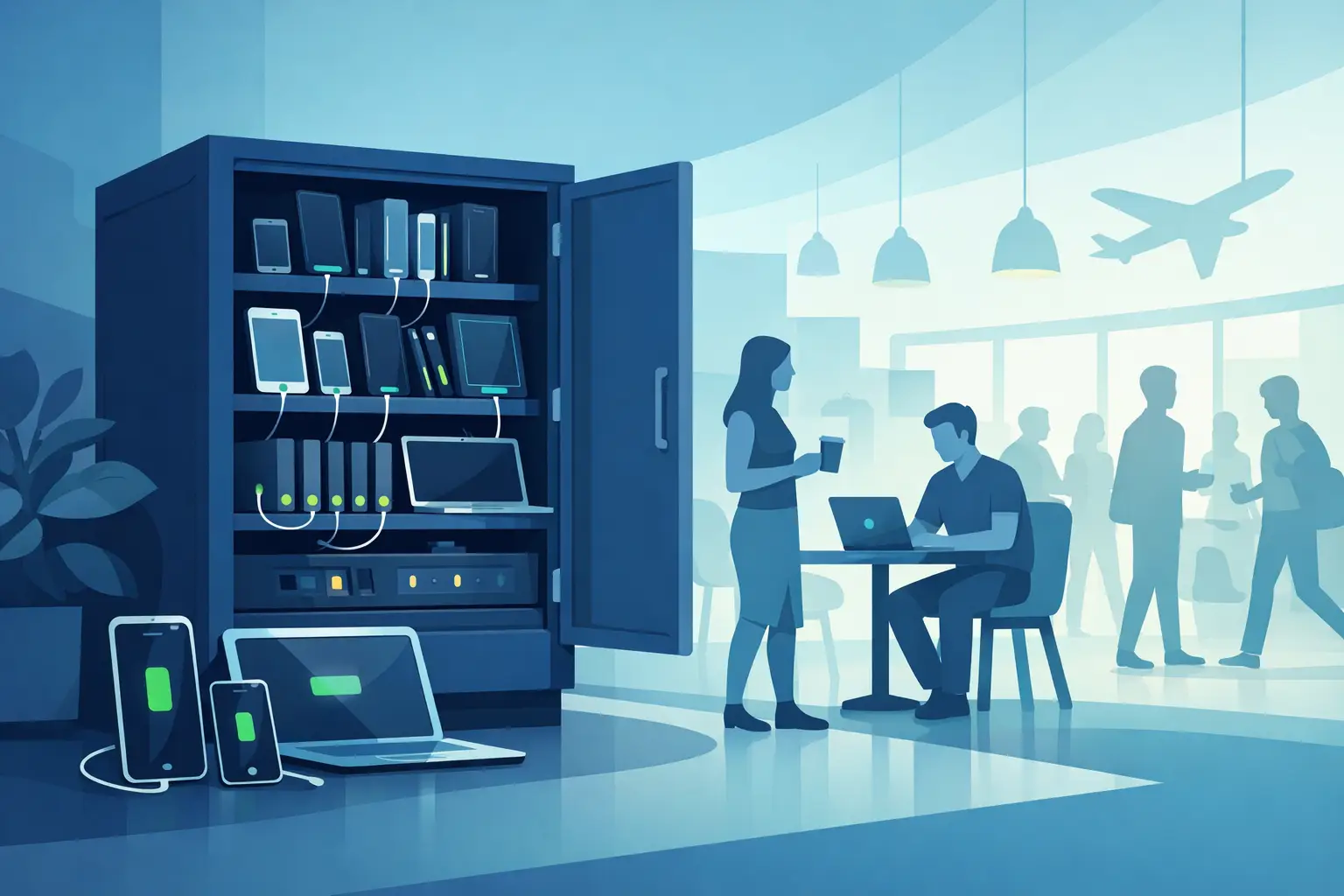
Multi Device Charging Cabinets for Busy Venues
Sep 06, 2026
Multi device charging cabinets give visitors secure power, help staff manage shared devices, and create a practical amenity or revenue stream for venues.
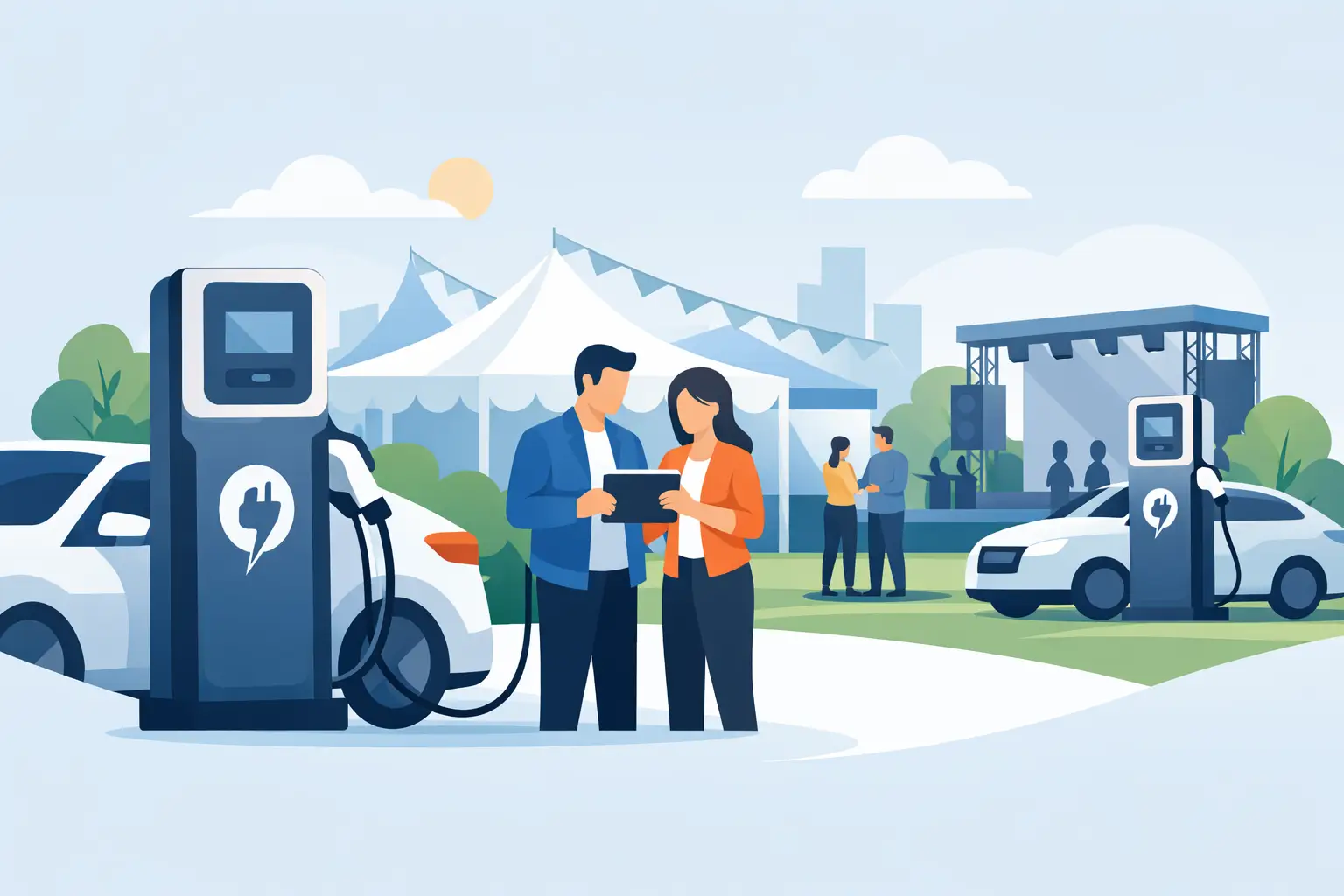
How to Rent Charging Stations for Your Event
Sep 04, 2026
Learn how to rent charging stations for events, offices, and venues, from choosing secure formats to planning power, branding, delivery, and ROI needs.
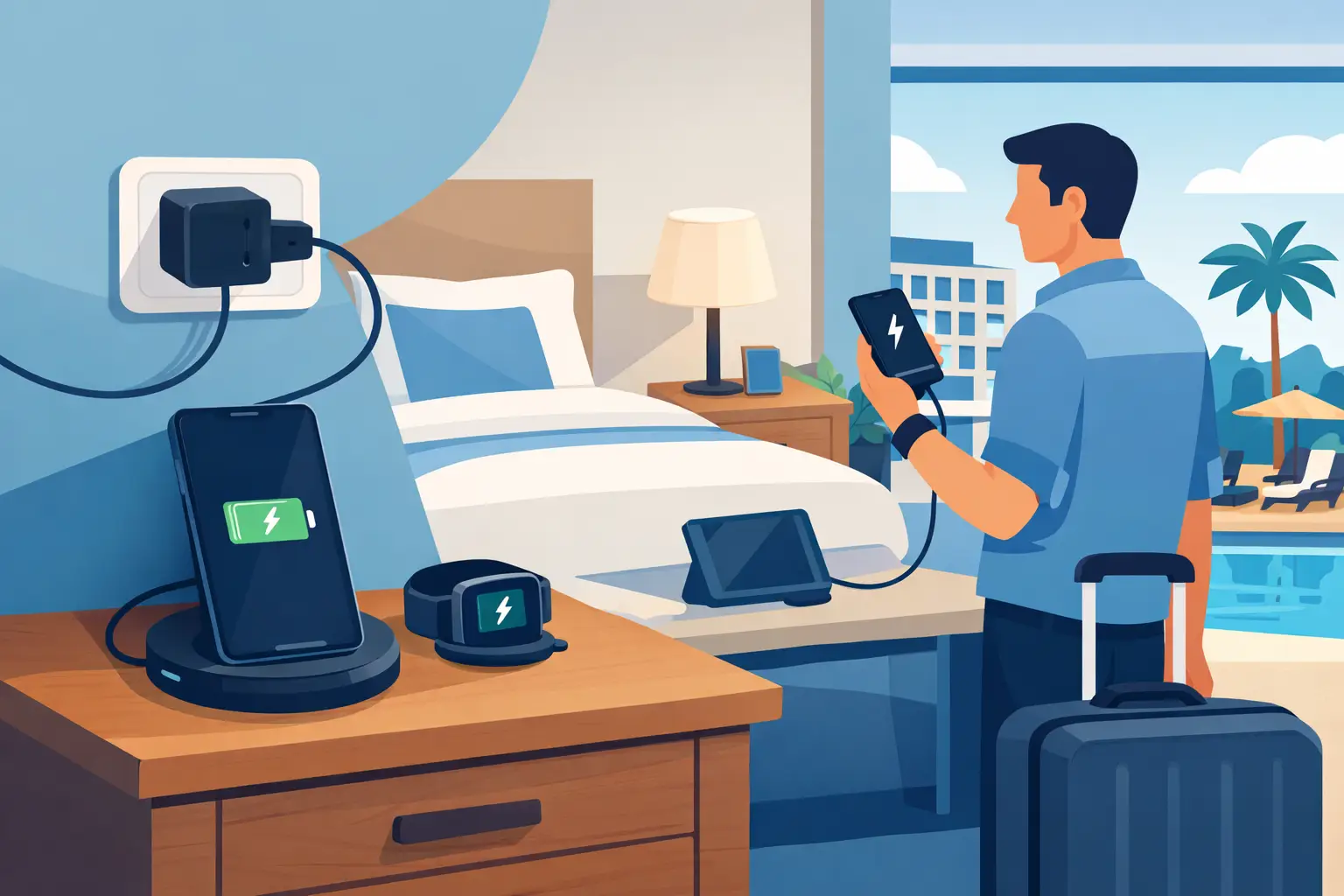
Best Phone Charging for Hotels and Their Guests
Sep 02, 2026
Find the best phone charging for hotels with secure, guest-ready options that improve stays, support staff, and create new revenue opportunities on property.
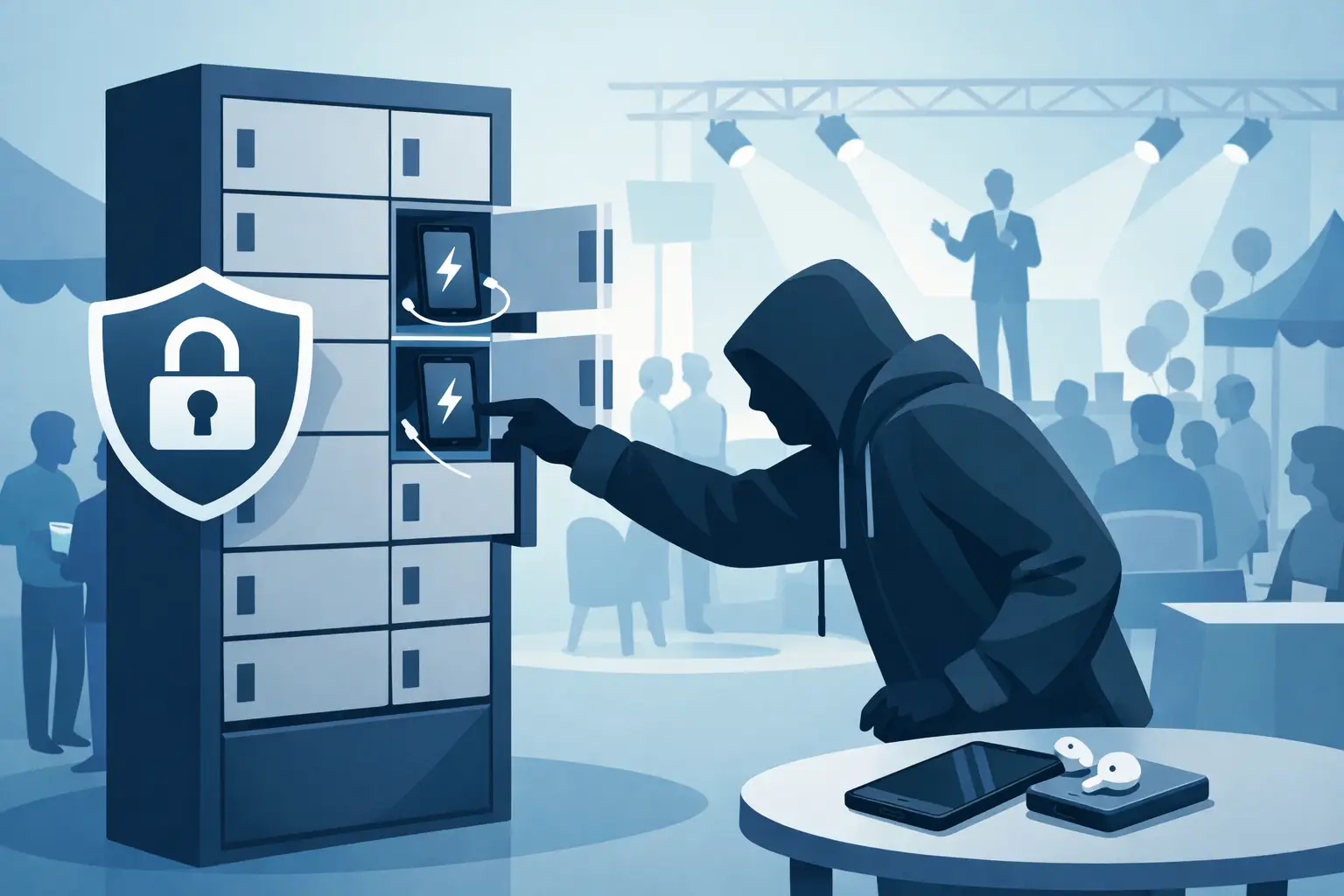
Do Charging Lockers Prevent Theft at Events?
Aug 31, 2026
Do charging lockers prevent theft? Learn how lockable charging stations protect devices, reduce staff burden, and improve visitor confidence on site daily.
The Future of Public Charging Is Built for Dwell Time
Aug 29, 2026
The future of public charging will reward venues that pair fast, secure power with payment flexibility, strong uptime, and better visitor experiences.

How to Deploy Phone Charging Furniture Well
Aug 27, 2026
Learn how to deploy phone charging furniture in high-traffic spaces, from selecting locations and power to security, branding, pricing, and daily upkeep.
Can Charging Lockers Fit Laptops? What to Check
Aug 25, 2026
Can charging lockers fit laptops? Learn which locker dimensions, outlets, cables, and power limits support secure laptop charging at work and events today.
How to Lease Charging Lockers for Your Venue
Aug 23, 2026
Learn how to lease charging lockers with the right term, payment model, security features, and deployment plan for each location.
Best Charging Kiosks for Retail Stores Compared
Aug 21, 2026
Compare the best charging kiosks for retail to increase dwell time, protect customer devices, support modern USB-C needs, and create new revenue safely.
Can Charging Stations Charge Laptops Safely?
Aug 19, 2026
Can charging stations charge laptops? Learn which ports, wattages, and safety features businesses need to provide laptop power for visitors and staff.
Emergency Phone Charger Kiosk for Busy Venues
Aug 17, 2026
An emergency phone charger kiosk keeps guests connected, extends dwell time, and can turn charging access into a secure revenue opportunity for your venue today.
Fleet Device Charging Management That Works
Aug 15, 2026
Fleet device charging management keeps phones, tablets, and laptops ready, secure, and accounted for across every shift, site, and deployment without delays daily.
Best Event Phone Charging Rentals for Busy Venues
Aug 13, 2026
Find the best event phone charging rentals for secure, fast, branded power that keeps attendees engaged, extends dwell time, and can create event revenue.
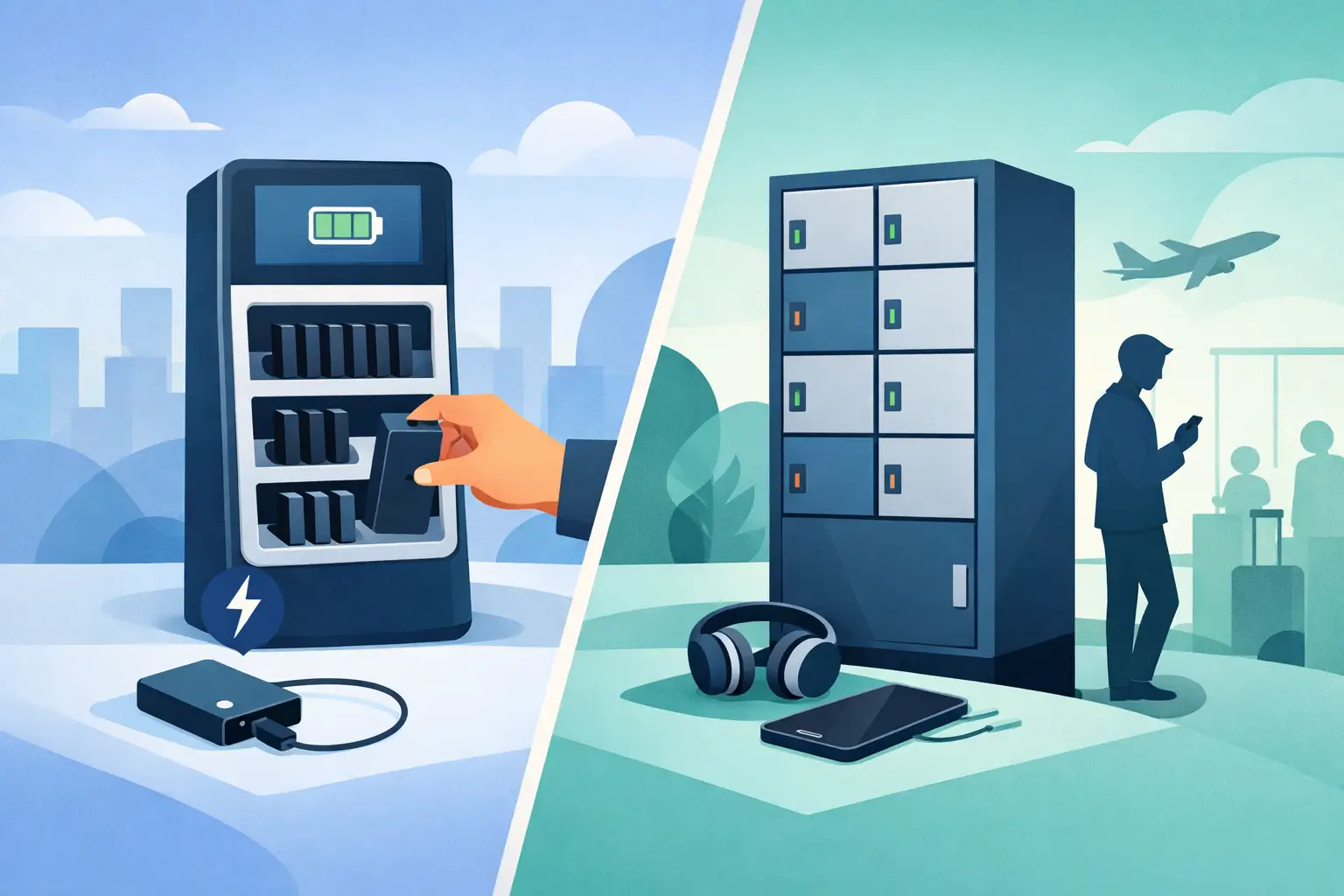
Power Bank Rental vs Lockers: Which Fits?
Aug 11, 2026
Compare power bank rental vs lockers to choose the right charging solution for your venue, event, or workplace and improve guest experience and ROI today.
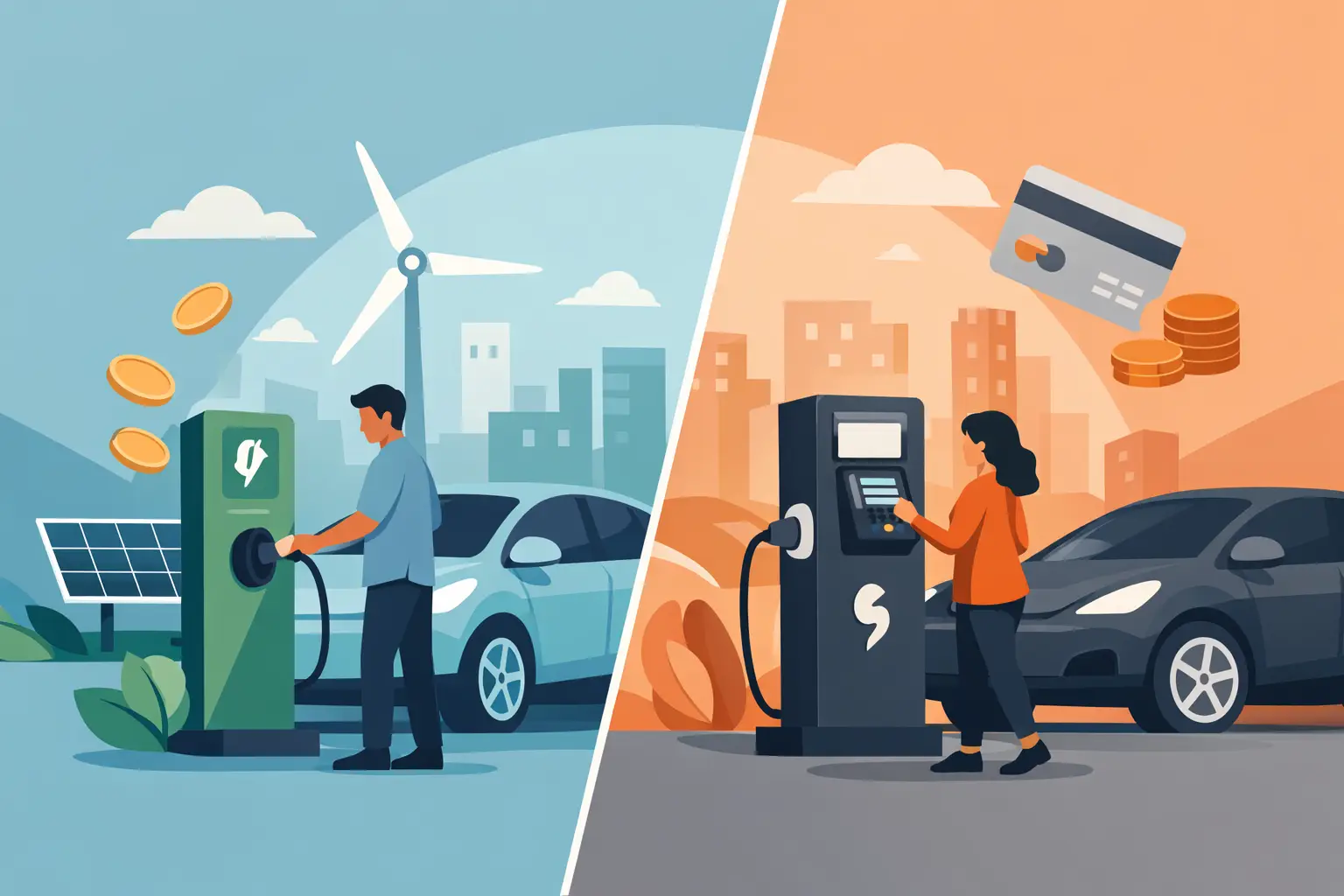
Free Charging vs Paid Charging: Which Works?
Aug 09, 2026
Free charging vs paid charging can improve visitor experience or create revenue. Learn how to choose the right model for your venue, event, or workplace.
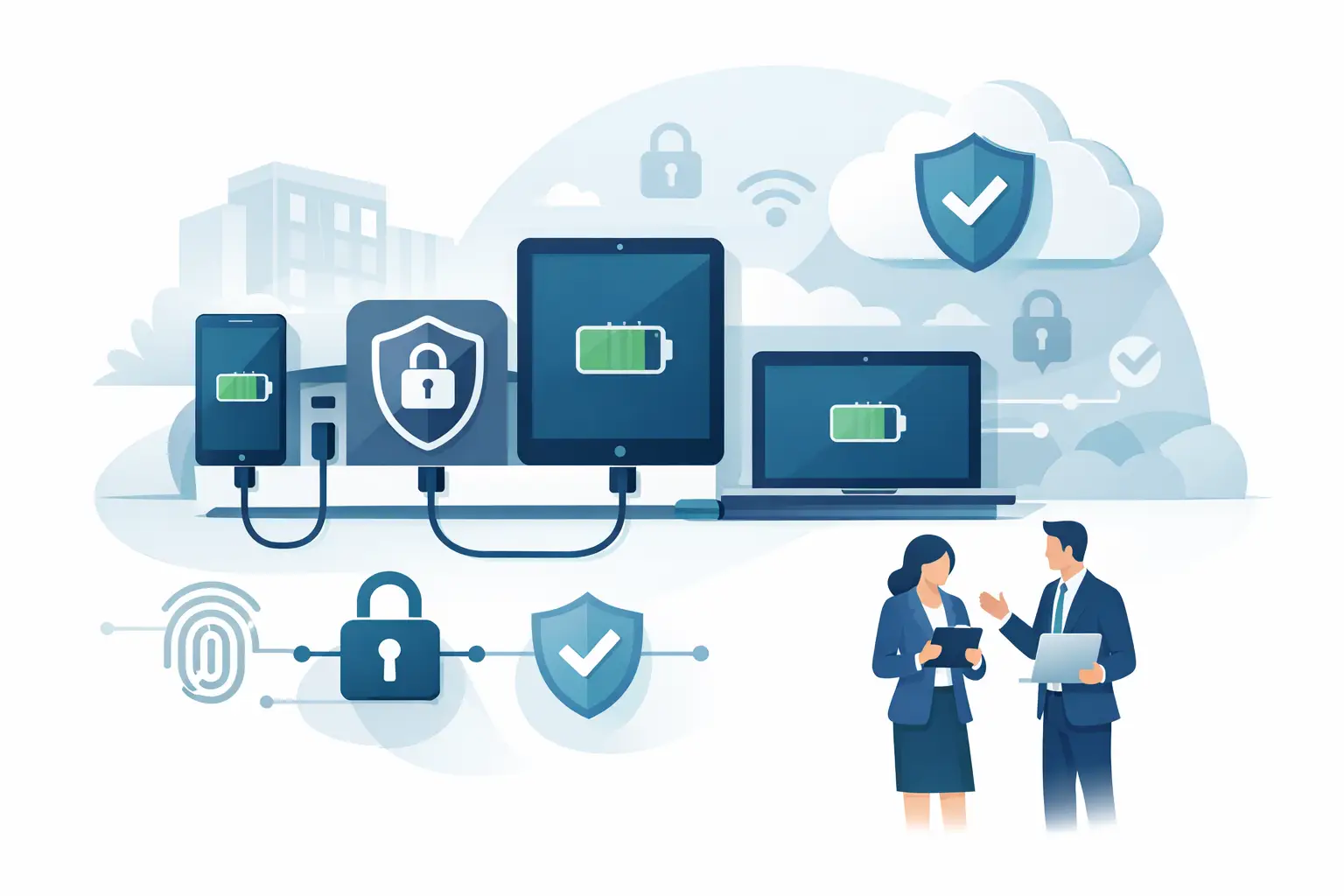
Secure Device Charging Guide for Businesses
Aug 07, 2026
Use this secure device charging guide to protect phones, tablets, and laptops while providing reliable, convenient power for every guest at your venue.
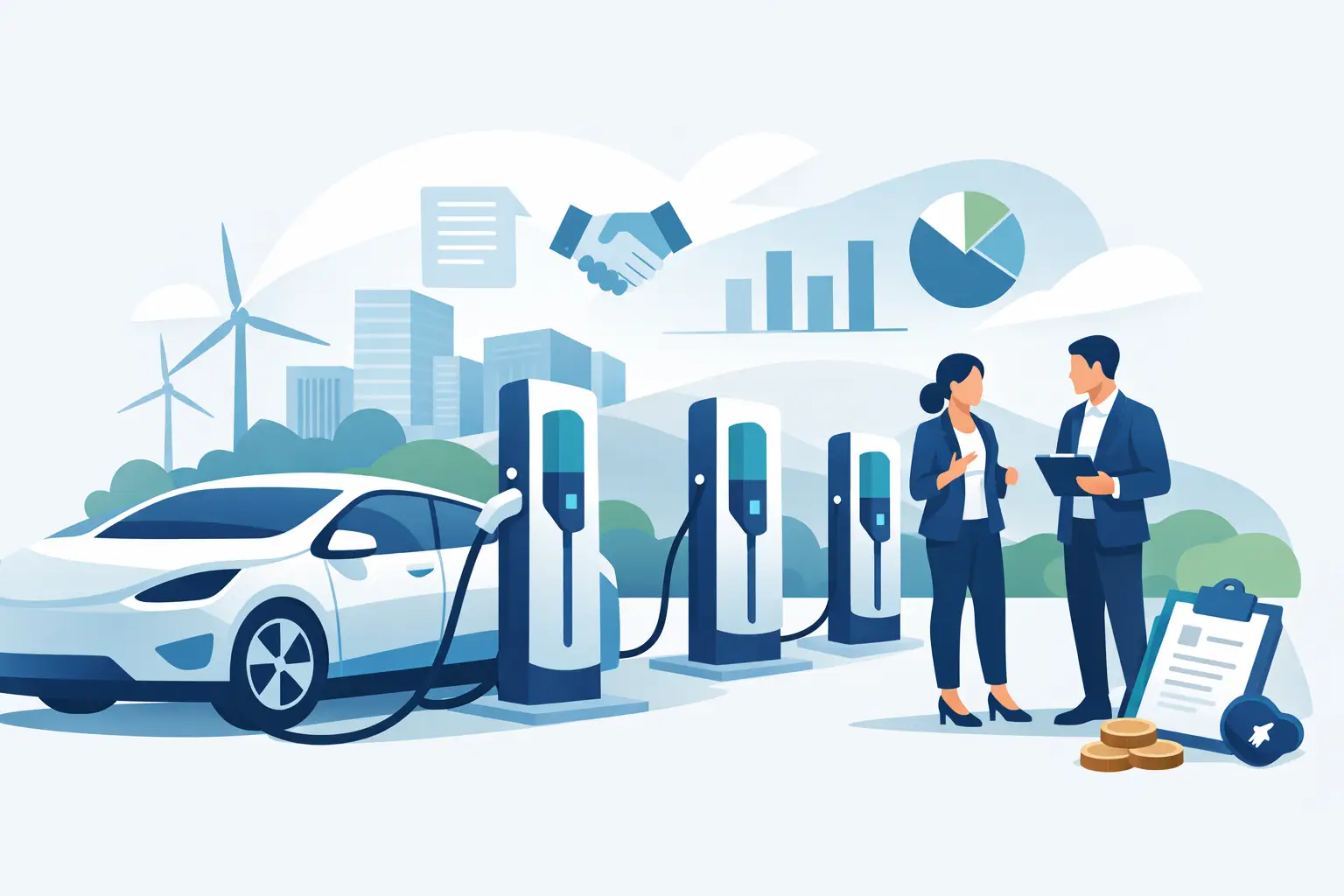
Charging Station Leasing Guide for Businesses
Aug 04, 2026
Use this charging station leasing guide to compare terms, station types, payment options, and ROI before adding secure device charging to your space today.
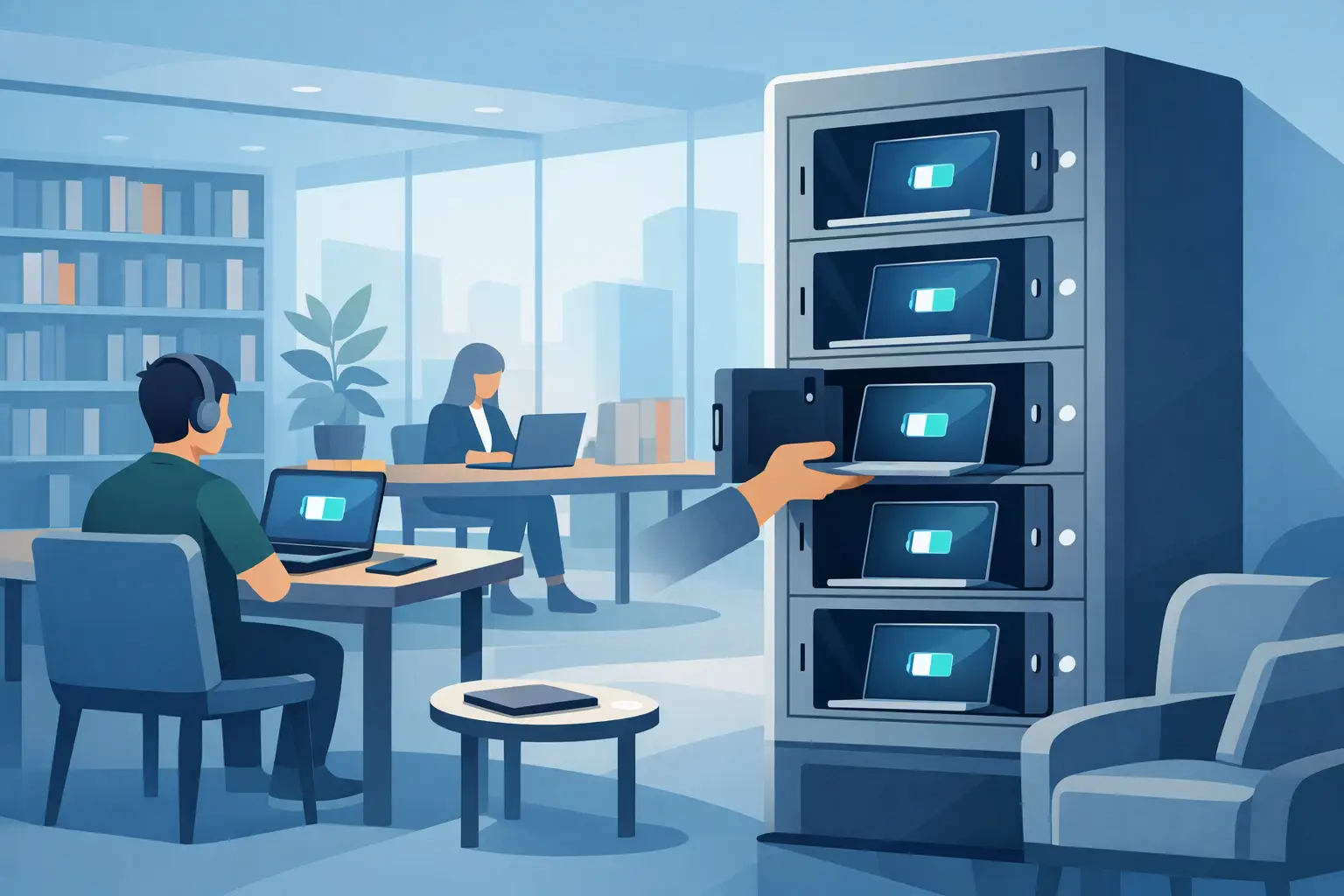
Laptop Charging Kiosk for Libraries That Works
Aug 03, 2026
Choose a laptop charging kiosk for libraries with secure storage, laptop-ready power, simple access, and a funding model that fits your space reliably.
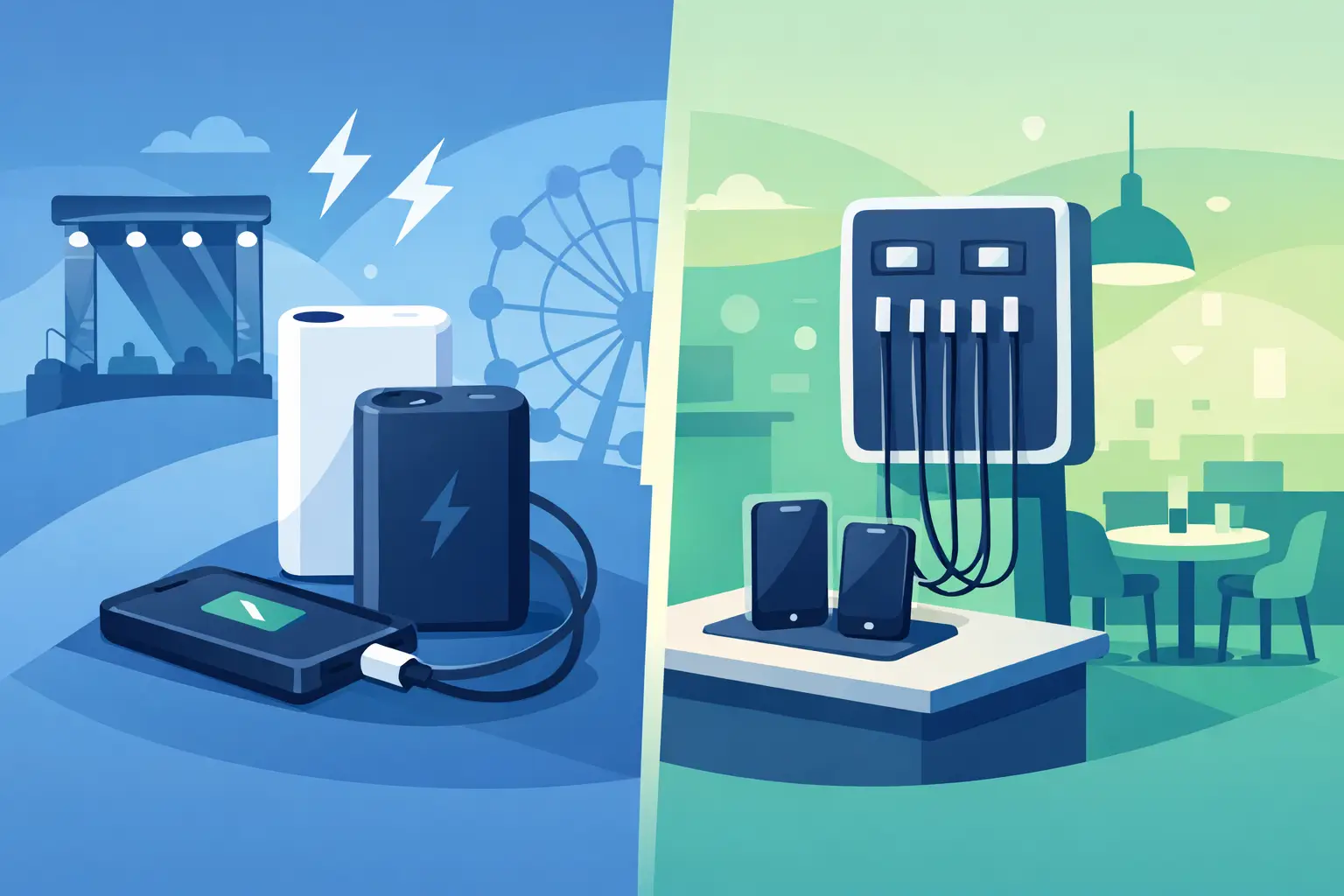
Power Banks vs Fixed Chargers for Venues
Aug 01, 2026
Compare power banks vs fixed chargers for events, venues, and workplaces. Choose secure charging that improves guest experience, uptime, and revenue onsite.
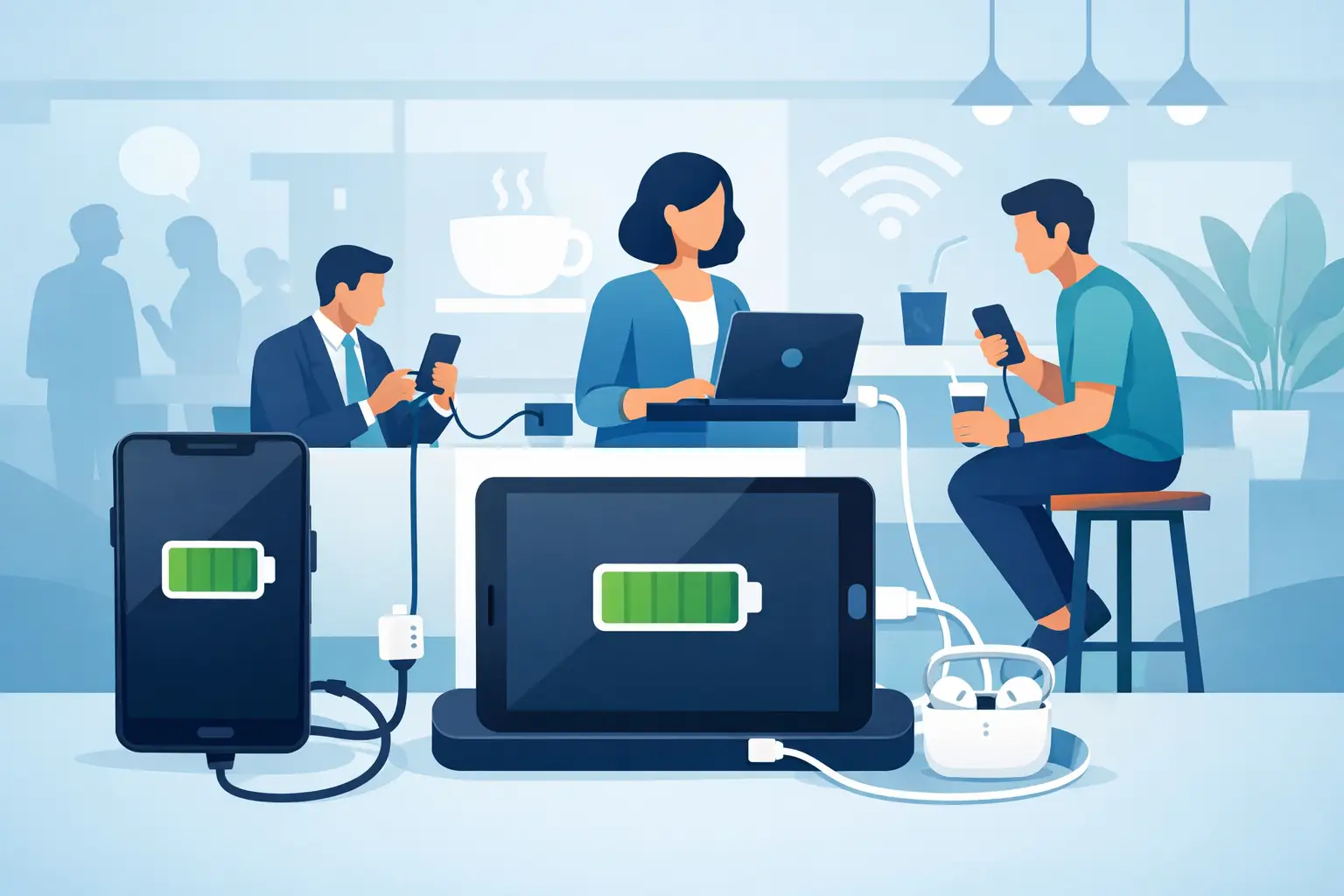
Why Offer Free Device Charging at Your Venue?
Jul 29, 2026
Why offer free device charging? Learn how it keeps visitors engaged, strengthens your brand, supports operations, and can create new revenue opportunities.
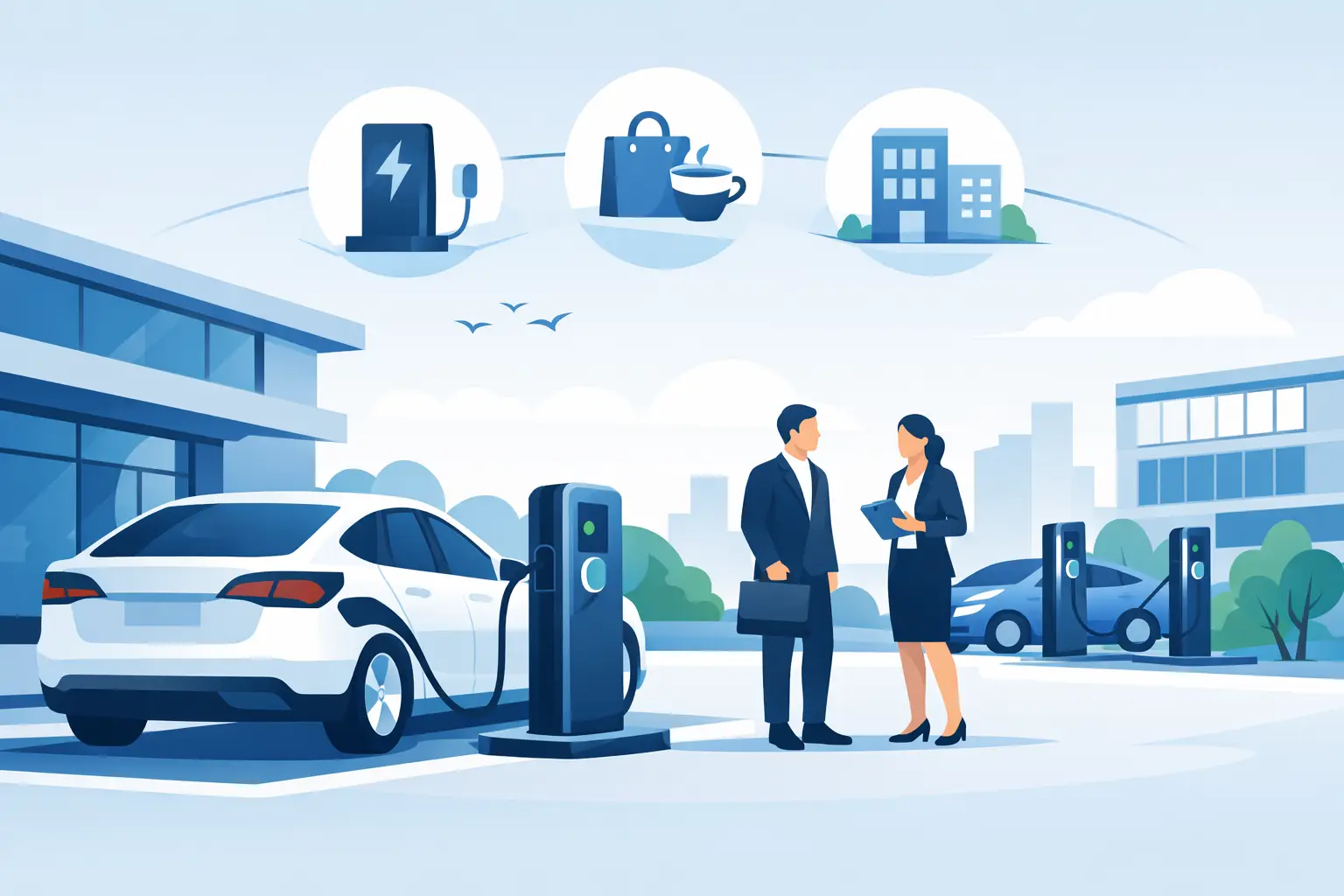
Public Charging Station Benefits for Business
Jul 27, 2026
Public charging station benefits include longer visits, happier guests, stronger brand visibility, and practical revenue options for high-traffic venues.

Phone Charging Lockers for Gyms That Members Use
Jul 26, 2026
Phone charging lockers for gyms keep members powered, valuables secure, and workouts on track while creating a valuable amenity or revenue opportunity.
Best Charging Lockers for Offices in 2026
Jul 23, 2026
Find the best charging lockers for offices with secure storage, USB-C support, smart access, and the right capacity for staff, guests, and shared devices.
Phone Charging Stations That Work Harder
Jul 21, 2026
Phone charging stations keep guests engaged, staff productive, and events moving. Learn how to choose secure, scalable options that can earn revenue too.

How to Deploy Charging Amenities That Pay Off
Jul 19, 2026
Learn how to deploy charging amenities that keep visitors powered, increase dwell time, support operations, and create revenue in any venue with clarity.
Secure Charging for Employee Devices at Work
Jul 18, 2026
Secure charging for employee devices keeps work moving while protecting phones, tablets, and laptops. Learn what a practical workplace setup needs today.
Venue Device Charging Solutions That Pay Off
Jul 16, 2026
Venue device charging solutions keep guests connected, increase dwell time, protect devices, and can create new revenue at events and public spaces daily.
Can Charging Kiosks Take Payments? Yes, Here’s How
Jul 14, 2026
Can charging kiosks take payments? See how POS-enabled charging turns low-battery demand into convenience, longer visits, and new venue revenue streams.

Custom Branded Charging Stations That Earn Attention
Jul 11, 2026
Custom branded charging stations turn low-battery stress into longer visits, stronger brand visibility, and a practical revenue opportunity for venues.
Charging Kiosks That People Actually Use
Jul 10, 2026
Charging kiosks keep guests powered, on-site, and engaged. Learn how to choose the right setup for security, revenue, and everyday use.
Charging Stations for Convention Centers
Jul 08, 2026
Charging stations for convention centers reduce attendee stress, boost dwell time, support sponsors, and create new revenue opportunities.
How to Lease Charging Kiosks Smartly
Jul 06, 2026
Learn how to lease charging kiosks with the right terms, pricing, features, and support so your venue adds convenience and potential revenue.
Visitor Amenity Charging Kiosk: What to Buy
Jul 04, 2026
A visitor amenity charging kiosk helps venues keep guests powered, engaged, and on-site while supporting security, branding, and revenue goals.
Business Charging Station Buying Guide
Jul 02, 2026
Business charging station buying guide for choosing secure, scalable charging solutions that improve guest experience and create revenue.
Contactless Payment Charging Station Benefits
Jun 30, 2026
A contactless payment charging station helps venues boost convenience, capture revenue, and keep guests engaged without adding operational friction.
How to Choose Charging Lockers for Your Space
Jun 28, 2026
Learn how to choose charging lockers for events, venues, offices, and retail spaces based on security, device mix, power needs, and ROI.
Are Public Charging Stations Safe to Use?
Jun 26, 2026
Are public charging stations safe to use? Learn the real risks, how secure charging stations work, and what businesses should provide.
Best Desktop Charging Station for Office Use
Jun 24, 2026
Find the right desktop charging station for office use with tips on safety, device mix, cable management, security, and long-term value.
Leasing vs Buying Charging Stations
Jun 22, 2026
Leasing vs buying charging stations comes down to budget, flexibility, and ROI. Learn which model fits events, venues, offices, and retail.
Charging Lockers vs Kiosks: What Fits Best?
Jun 20, 2026
Charging lockers vs kiosks: compare security, throughput, revenue, and fit by venue so you can choose the right charging setup for your space.

Charging Locker ROI Calculator Guide
Jun 17, 2026
Use a charging locker ROI calculator to estimate payback, revenue, and visitor impact. Learn which costs, assumptions, and metrics matter most.
How to Monetize Charging Kiosks
Jun 16, 2026
Learn how to monetize charging kiosks with the right pricing, placement, sponsorships, and formats to turn charging access into revenue.
What Is Juice Jacking Protection?
Jun 13, 2026
What is juice jacking protection? Learn how it blocks data theft through USB ports and why businesses should offer safer public charging access.
USB C Charging Trends Businesses Should Track
Jun 12, 2026
USB C charging trends are reshaping public, workplace, and event charging. See what matters for compatibility, speed, safety, and ROI.
USB C Charging Station Commercial Guide
Jun 09, 2026
A practical look at usb c charging station commercial options, including use cases, power, security, placement, pricing, and ROI for busy venues.
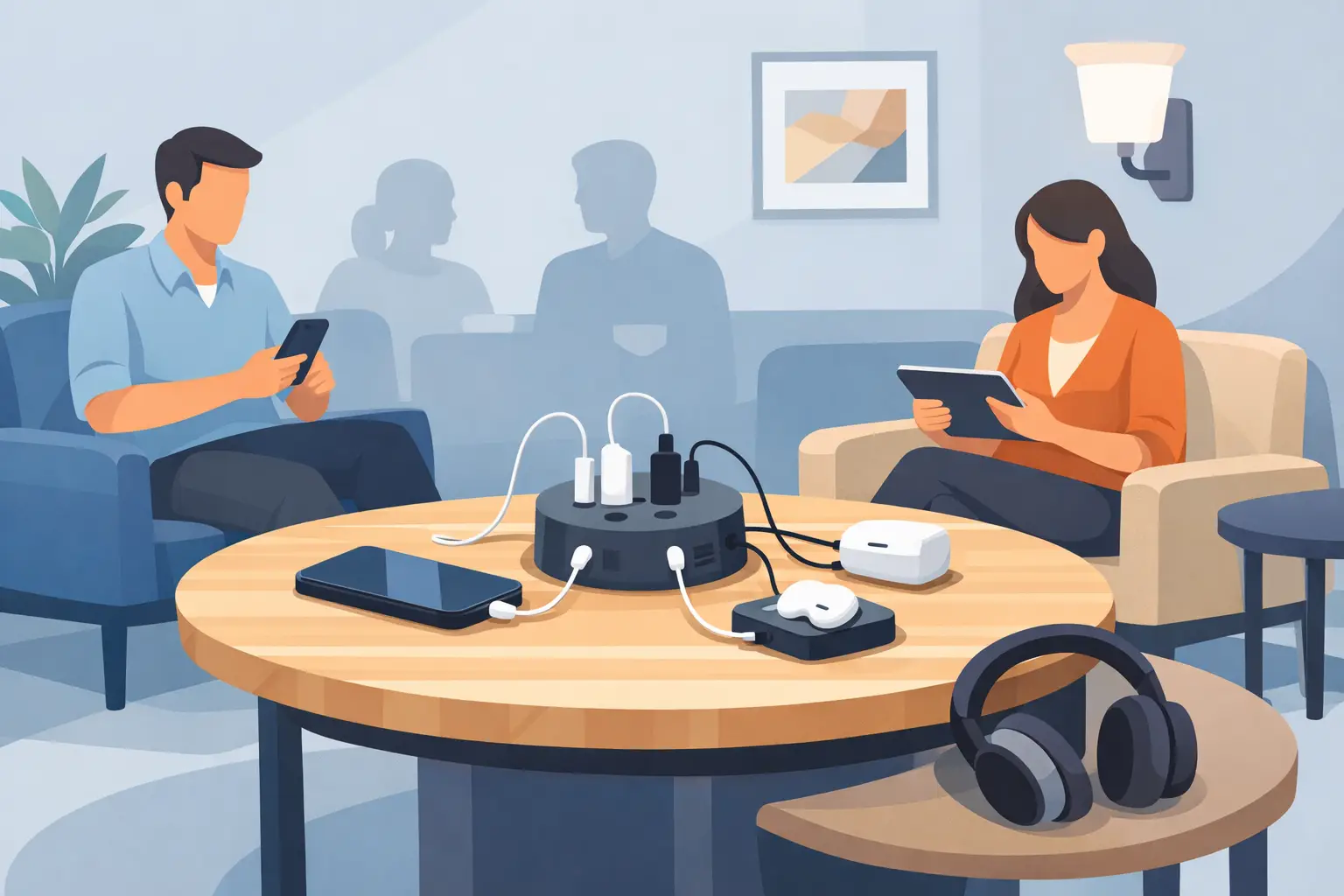
Charging Table for Waiting Room Buyers
Jun 08, 2026
A charging table for waiting room spaces keeps guests powered, improves dwell time, and adds convenience without adding operational friction.

What a Custom Charging Kiosk Wrap Should Do
Jun 07, 2026
A custom charging kiosk wrap should attract attention, fit the venue, and support ROI. Learn what to include and what to avoid.
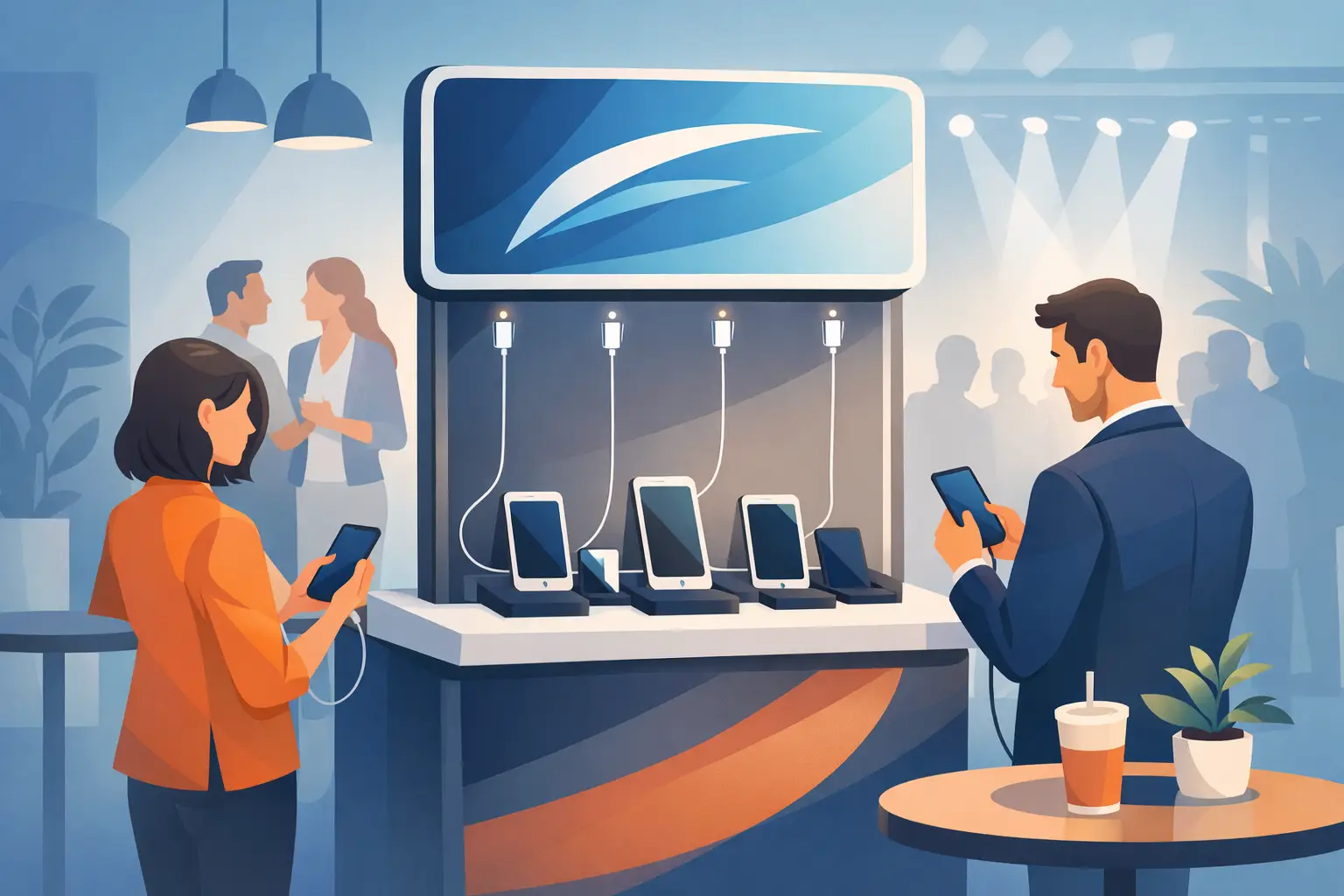
Branded Charging Station for Events That Works
Jun 06, 2026
A branded charging station for events keeps guests powered, boosts dwell time, supports sponsors, and adds measurable value to the event floor.
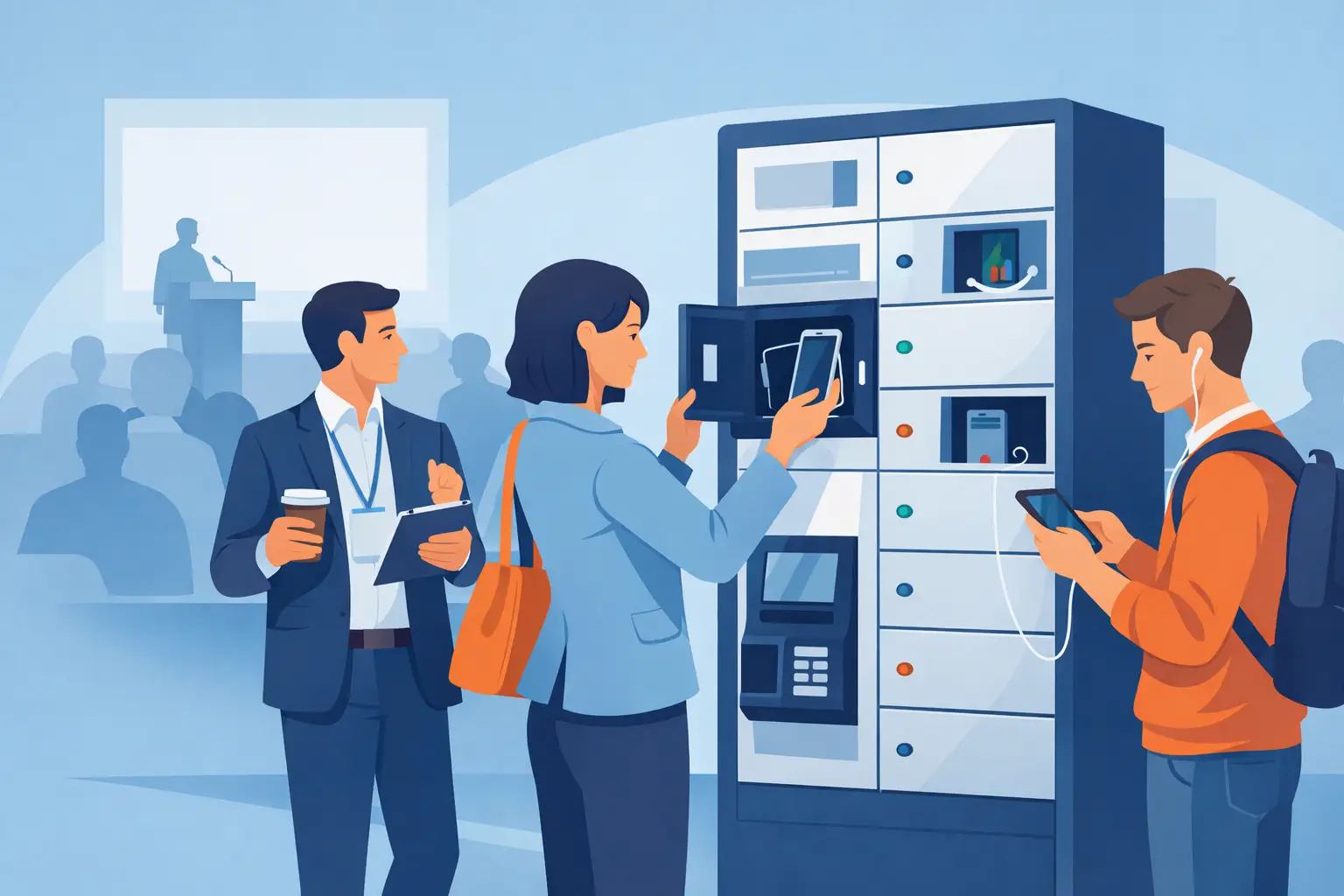
Conference Charging Locker Rental That Works
Jun 05, 2026
Conference charging locker rental keeps attendees powered, secure, and engaged while creating smoother events, stronger sponsor value, and revenue.
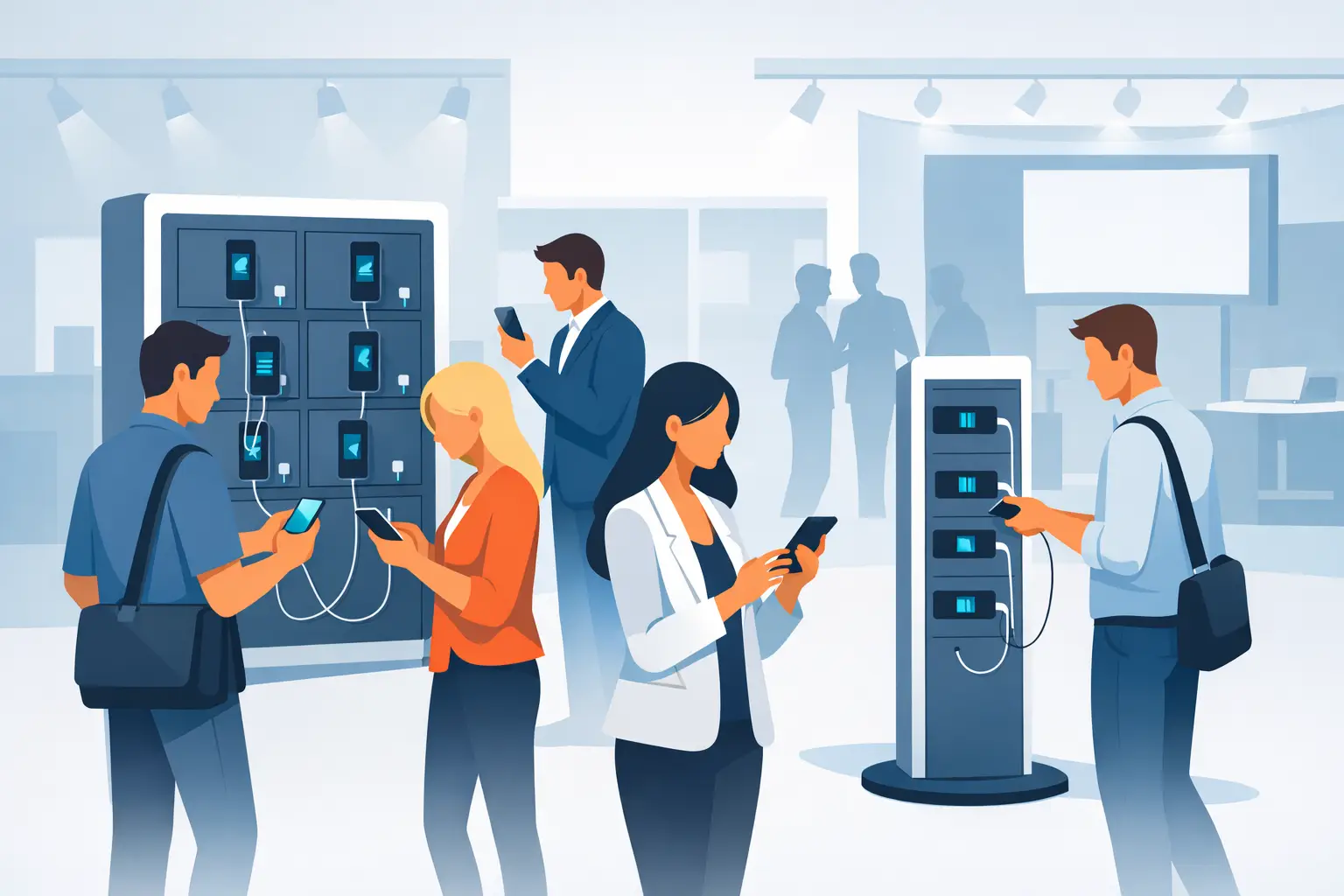
Trade Show Phone Charging Station Guide
Jun 04, 2026
A trade show phone charging station can boost booth traffic, dwell time, and leads while reducing attendee battery stress and improving event ROI.
Event Charging Station Rental That Works
Jun 03, 2026
Event charging station rental keeps guests powered, engaged, and on site longer. Learn what to rent, what to ask, and how to avoid event-day issues.

Free Phone Charging Station Retail ROI
Jun 02, 2026
See how free phone charging station retail setups increase dwell time, improve customer experience, and support smarter in-store traffic flow.
Charging Kiosk With Payment System: Worth It?
Jun 01, 2026
A charging kiosk with payment system can add revenue, improve guest experience, and extend dwell time. Here's how to choose the right setup.
Pay Per Use Charging Station ROI Explained
May 31, 2026
Learn how a pay per use charging station creates revenue, improves visitor experience, and fits retail, events, offices, and public venues.
Power Bank Rental Station Buyer’s Guide
May 30, 2026
A power bank rental station helps venues keep guests charged, boost dwell time, and create revenue with flexible, low-friction charging access.
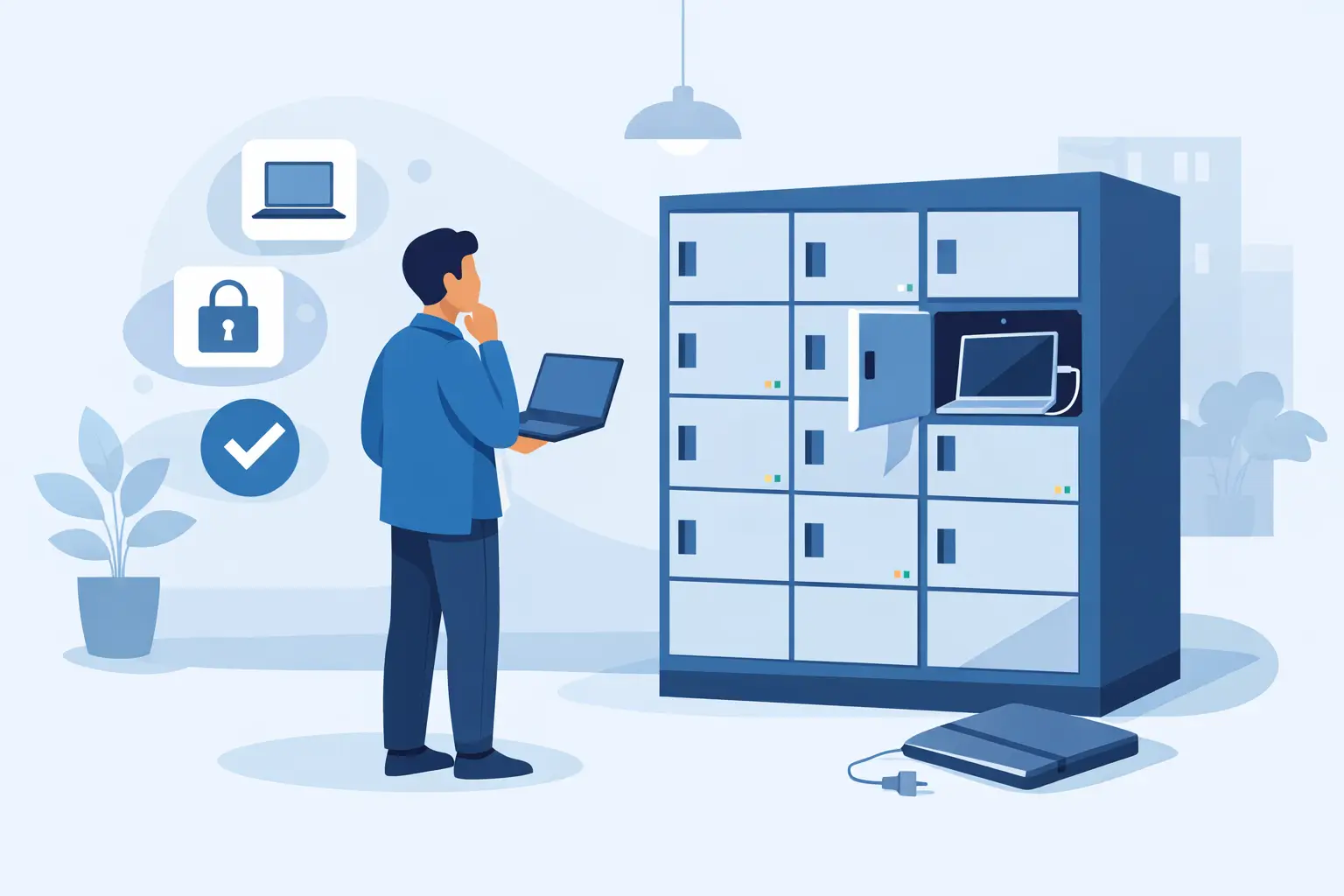
Choosing a Laptop Charging Locker Cabinet
May 29, 2026
Learn how to choose a laptop charging locker cabinet for offices, schools, events, and venues with the right mix of security, power, and ROI.

Tablet Charging Locker for Schools: What Matters
May 28, 2026
A tablet charging locker for schools improves device security, charging access, and classroom readiness. Here’s what buyers should evaluate.
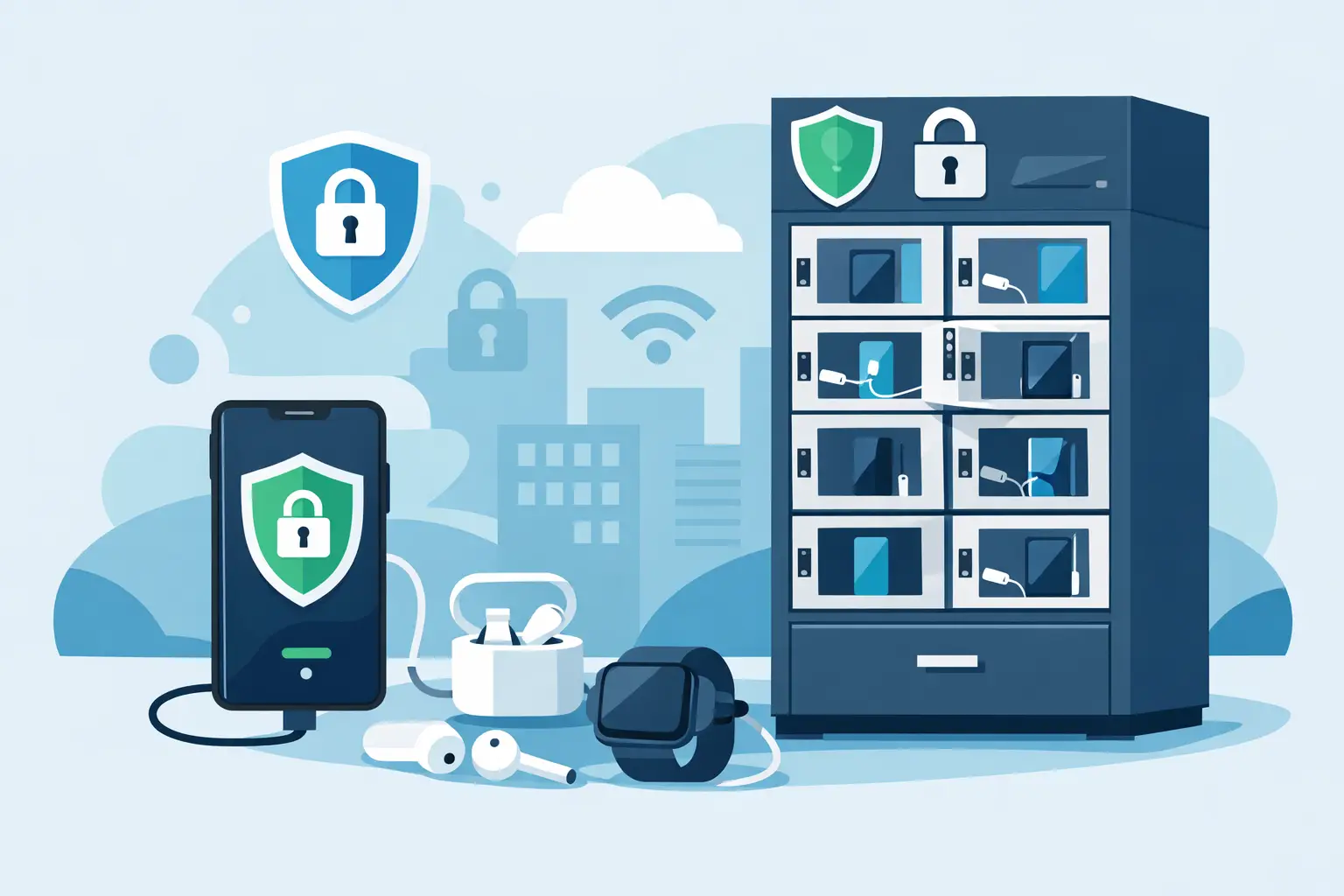
Secure Phone Charging Locker Buying Guide
May 27, 2026
Choose a secure phone charging locker that protects devices, improves guest experience, and fits your space, budget, and usage model.

Phone Charging Station for Business ROI
May 26, 2026
A phone charging station for business can boost dwell time, improve customer experience, and create revenue when matched to the right space.
How to make your phone battery last longer
Mar 20, 2025
It’s no secret that some smartphones have more powerful and longer lasting batteries than others. However, no matter how powerful the battery or how energy efficient your phone is, there are a number of apps and settings that will drain your battery faster. Identifying these apps and settings will help you keep usage to a […]
Phone Batteries – The Best and The Worst
Mar 29, 2017
When buying a new smartphone, there are a number of factors you will consider. From the brand and price, to the operating system, and other features like the camera. No matter what kind of phone you choose or the reason behind your purchase, one thing is for sure – you want the battery to last […]
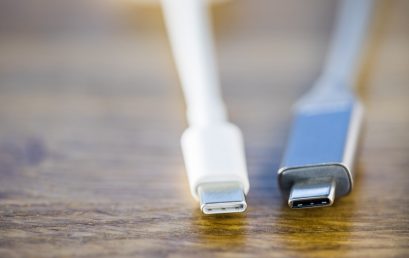
What is USB-C and why is it important?
Mar 15, 2017
By now, you may have heard people talking about USB type C or perhaps you have even tried it out yourself. Either way, many experts agree that this is the future of USB ports and cables. What many people may not realize is that this particular type of connection is significantly different from older types […]